

Antique Italian Cabinet
When searching for an antique italian cabinet, one encounters walnut commodes, painted sideboards, and bureau bookcases spanning several centuries of craftsmanship.
Antique Italian Cabinet
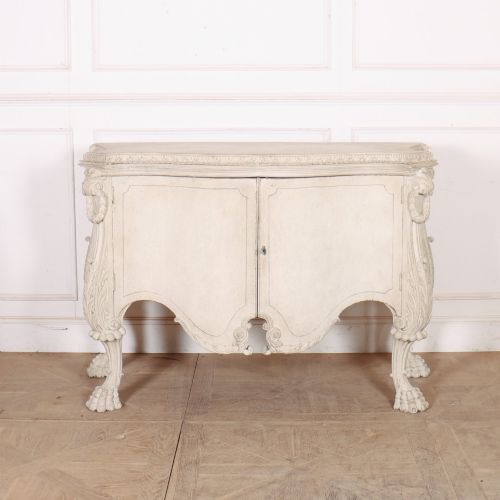
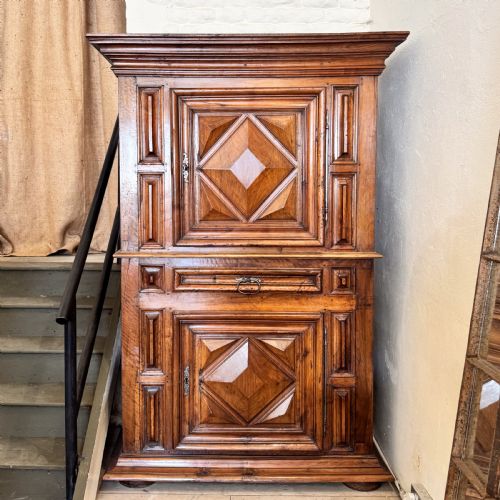
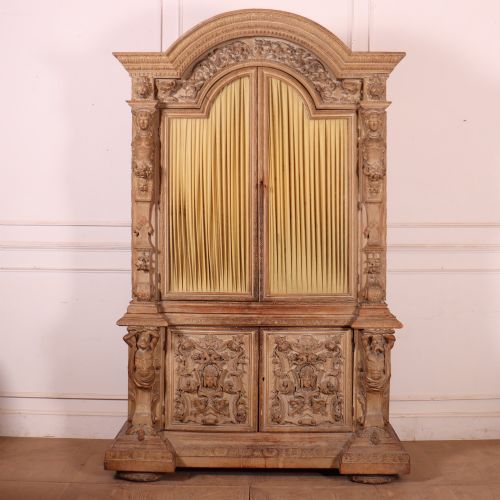
An antique italian cabinet encompasses a diverse range of domestic storage forms, from monumental bureau bookcases and marriage cupboards to diminutive bedside tables and corner cupboards. Pieces frequently originate from the eighteenth and nineteenth centuries, reflecting regional workshops across Venice, Lombardy, and Tuscany.
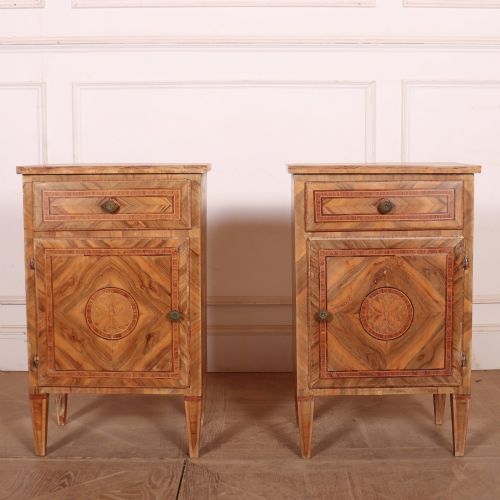
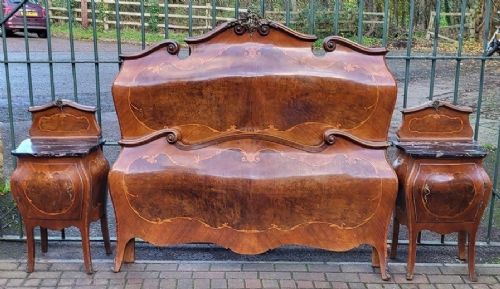
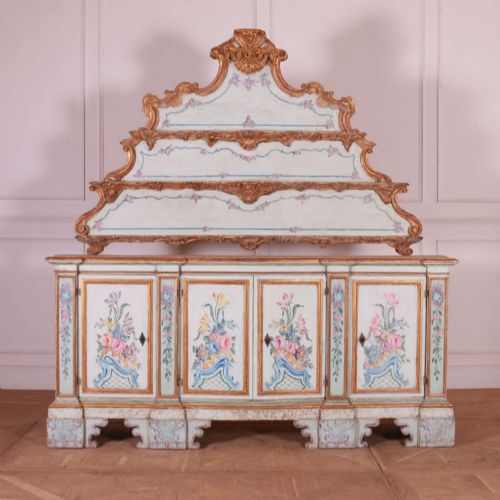
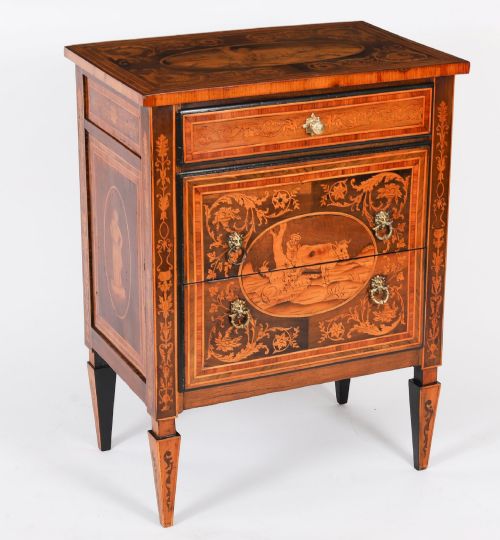
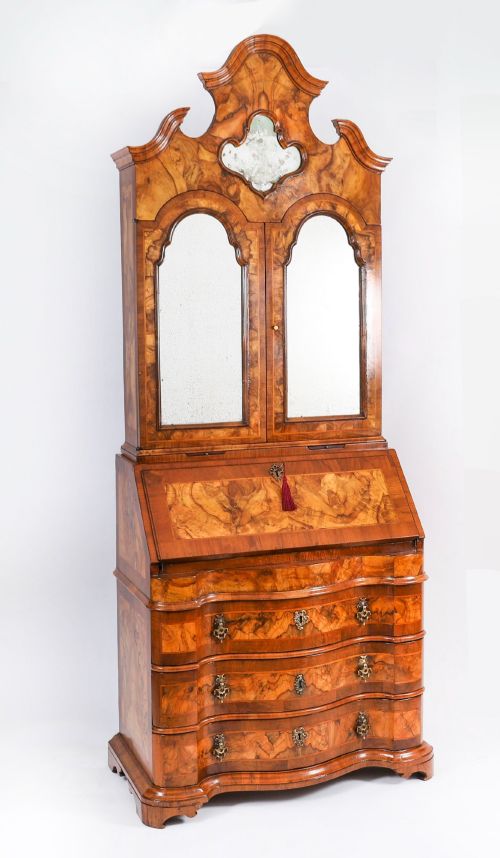
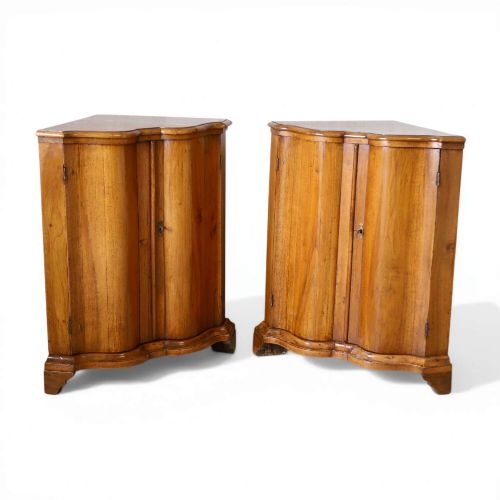
The buyer most commonly meets walnut sideboards and bedside commodinos on this page, often featuring distinctive serpentine fronts or marquetry inlay. Painted surfaces, whether in polychrome or muted tones, also recur frequently alongside architectural forms like vitrines and enfilades.
How they were made
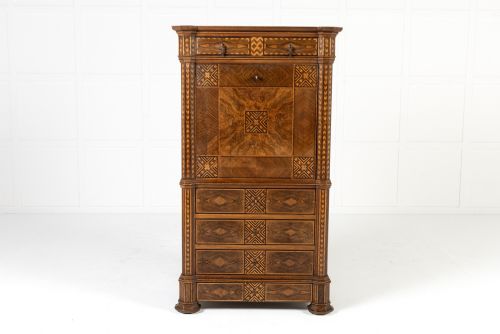
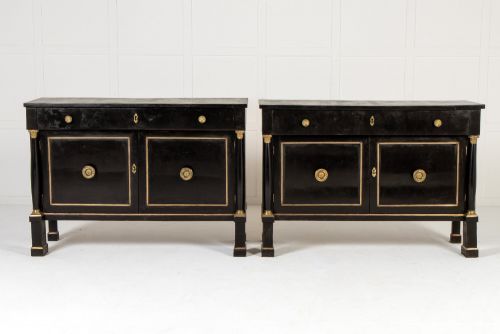
Cabinet makers relied predominantly on solid walnut and burr walnut veneers, frequently enriched with contrasting timbers such as kingwood, tulipwood, and ebonised details. Marquetry patterns were painstakingly cut and fitted to create elaborate geometric or floral panels across drawer fronts and cabinet doors.
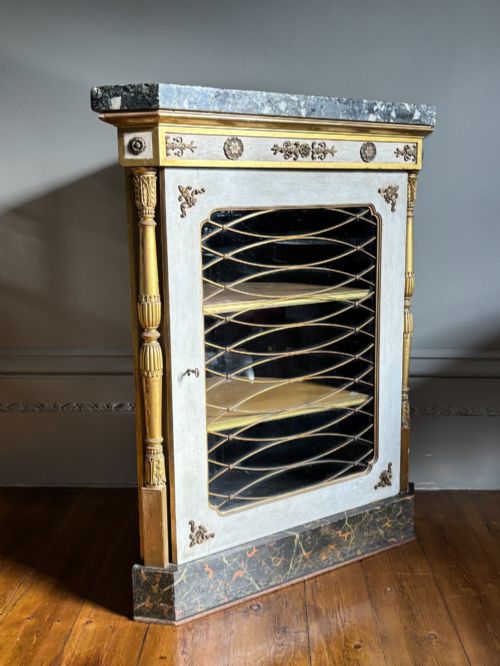
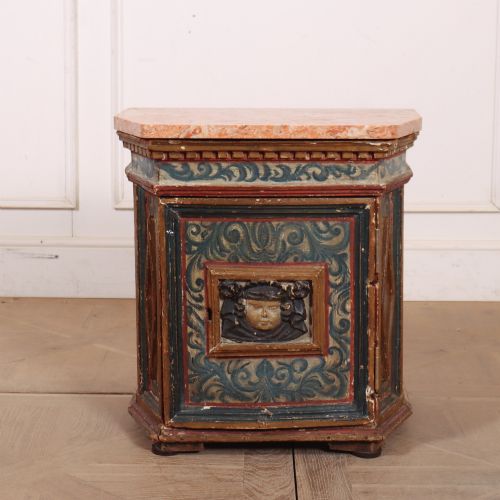
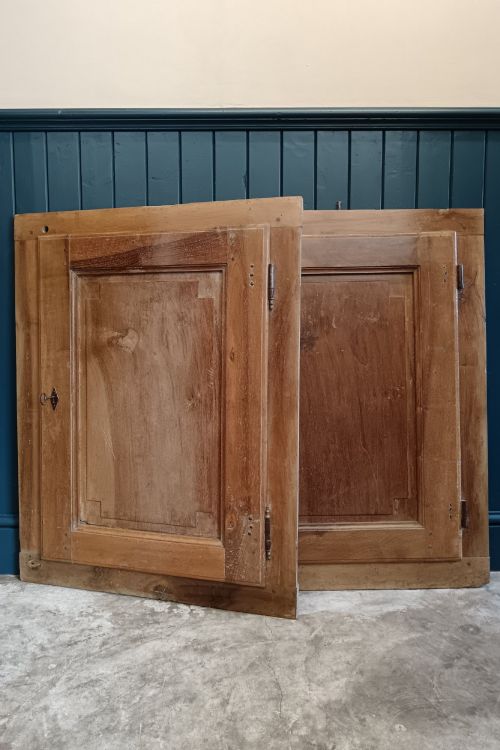
Surface ornamentation involved skilled application of polychrome paint, parcel gilding, or marble tops resting securely on wooden carcasses. Iron and brass hardware, including hinges and escutcheons, completed the construction of these functional storage items.
Antique Italian Cabinet Retail Price Guide 2026
Typical asking prices for italian cabinet among the pieces listed under this phrase on Sellingantiques today, from the lower quarter to the upper quarter. They describe what is for sale here now, not the wider market.
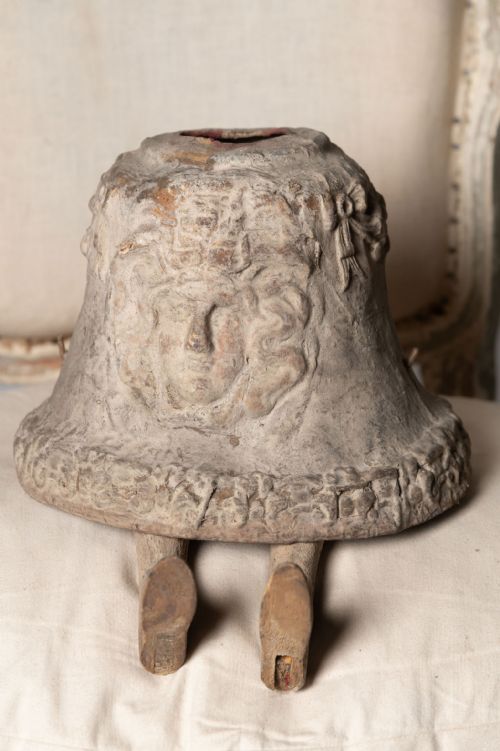
One extraordinary listing documents an Italian theatre prop, proving even stages once required fine historical cabinet work.
What varies in quality
Quality rests heavily on the crispness of the carving, the precision of the marquetry inlay, and the natural figuring of the walnut or burr walnut timbers chosen by the maker. Regional execution displays distinct levels of sophistication, with workshop provenance ranging from provincial utility to exhibition pieces.
The integrity of original painted finishes or surface patination dictates the overall distinction of a piece. Finer examples exhibit balanced proportions, harmonious timber selection, and well-preserved structural details that survive from their period of origin.
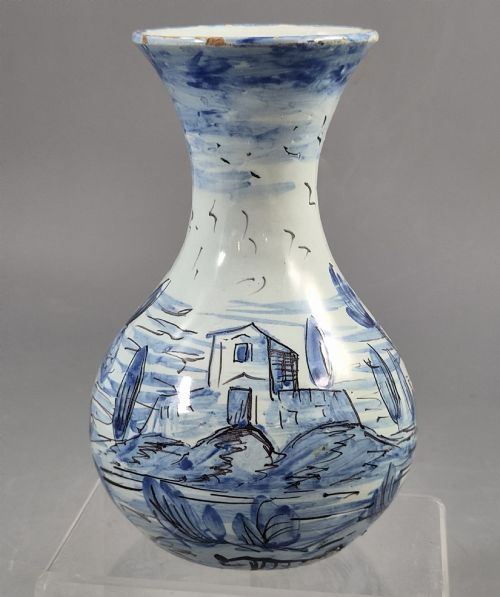
Cantagalli·Pietro Ferrario
The Antique Italian Cabinet Glossary
- Marquetry
- Decorative veneer work forming pictures or patterns on wooden furniture surfaces. Craftsmen meticulously arranged thin slices of contrasting wood to adorn drawer fronts and table tops.
- Commodino
- A small bedside table or cabinet originating from Italian furniture traditions. These compact items often feature single drawers and cupboard spaces beneath marble or wooden surfaces.
- Serpentine
- A furniture front characterised by a wavy contour, curving outward in the centre and inward at the sides. This fluid shape demands advanced woodworking skill to execute properly.
- Vitrine
- A glass-fronted display cabinet designed for showcasing porcelain, books, or curiosities. Glazed panels are set into wooden frames to protect interior contents while maintaining visibility.
- Enfilade
- A long suite of rooms or, in furniture terms, a continuous line of cabinets or sideboards sharing a unified design. Such pieces provided extensive storage for grand dining rooms and reception spaces.
Antique Italian Cabinet: Frequently Asked Questions
How do I identify a bureau bookcase?
A bureau bookcase combines a sloping desk flap that opens for writing with upper shelving or enclosed cupboard doors for storage. The interior typically reveals small compartments and pigeonholes.
These architectural pieces often display double dome hoods or elaborate walnut and marquetry veneers. They served as primary administrative and library furniture in grand homes.
Where were painted cupboards used?
Painted cupboards and marriage cabinets served functional storage roles in bedrooms, reception rooms, and hallways across various Italian regions. Their decorative surfaces often incorporated floral motifs or architectural scenes.
Living with these pieces involves placing them as focal points in neutral rooms to highlight their polychrome finishes. Regular dusting and stable environmental conditions help preserve the historical paintwork.
How do I date walnut cabinets?
Dating walnut cabinets relies on examining construction methods, hardware types, and stylistic indicators such as Neoclassical or Baroque motifs. Eighteenth-century examples often feature hand-cut dovetails and deep timber patination.
Nineteenth-century pieces may show revived decorative vocabularies and machine-assisted joinery alongside traditional veneering techniques. Comparing timber grain and regional forms helps establish the approximate era of manufacture.