



Antique Italian Angels
Antique italian angels are carved wooden figures, oil paintings and gilt metal wall lights embodying centuries of devotional art.
Antique Italian Angels
Antique italian angels encompass devotional sculptures, oil paintings and wall lights derived from centuries of religious and decorative traditions.
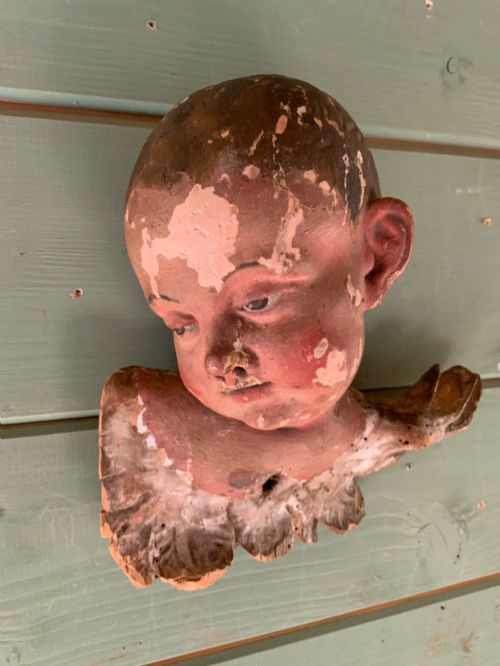
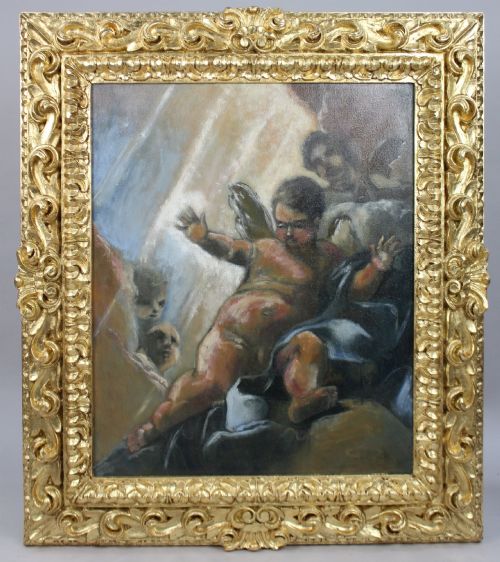
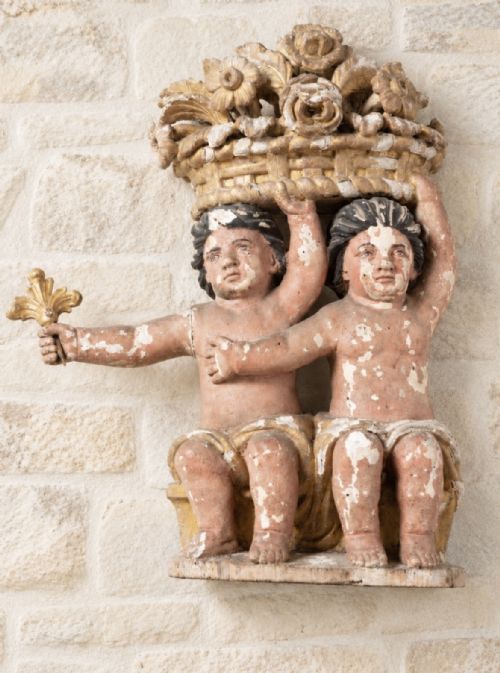
Buyers searching for antique italian angels most frequently encounter nineteenth century polychrome wooden carvings, giltwood wall brackets and framed oil paintings.
The selection ranges from seventeenth century canvas depictions to later revival pieces reflecting baroque and renaissance aesthetics.
How they were made
Carvers shaped solid timber, applying gesso and polychrome paint or gold leaf to build rich surface depth.
Painters layered oils on canvas, capturing devotional scenes and portraits within ornate frames.
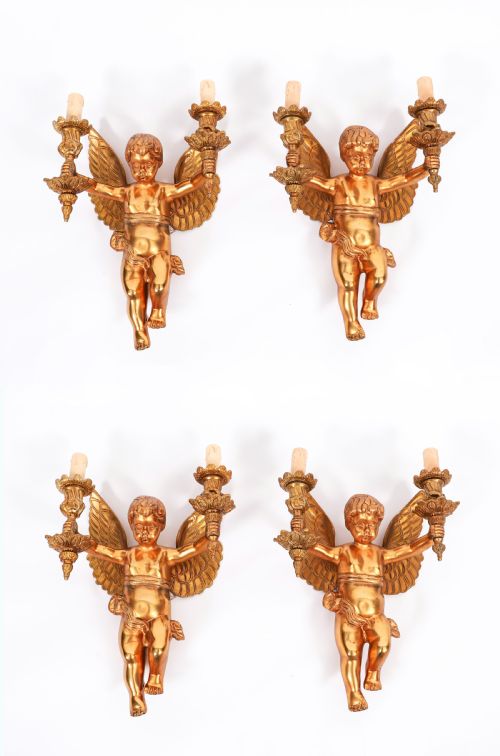
Metalworkers cast bronze and ormolu to form intricate wall sconces and lights incorporating cherubic motifs.
Angels occasionally share canvas space with children holding roses, proving that seventeenth century cherubs enjoyed gardening just as much as we do.
What varies in quality
The precision of the wood carving dictates how convincingly facial expressions and drapery folds are rendered.
Surface treatments differ greatly, from deeply layered original gilding and polychrome to later restorations.
Artistic execution on canvas ranges from confident handwork by established regional schools to simpler decorative studio pieces.
Gian Lorenzo Bertolotto·Rosso Fiorentino·Orsola Maddalena Caccia·Girolamo Dai Libri
The Antique Italian Angels Glossary
- Giltwood
- Timber coated with gold leaf or gold paint to create a reflective, decorative surface. This technique appears frequently on carved frames and wall brackets.
- Polychrome
- Painted in several colours, often applied over gesso on wooden sculptures to imitate lifelike flesh tones and garments. It gives antique figures their distinct warmth.
- Putto
- A representation of a plump, naked child, often winged, found in classical and religious art. These figures form the central motif of many carved brackets and paintings.
- Gesso
- A plaster mix applied to wood surfaces to prepare them for gilding or painting. It provides a smooth base for intricate carved details.
- Ormolu
- Gilded bronze used in decorative mounts and light fittings. It adds a metallic lustre to wall sconces and structural elements.
Antique Italian Angels: Frequently Asked Questions
How do I identify the period of a carved wooden angel?
Examine the preparation layers beneath the paint, as older pieces use traditional gesso over solid timber. Tool marks and the ageing of the polychrome surface also offer clues to the century of creation.
Compare the stylistic traits against known baroque or renaissance revival patterns. Regional Italian workshops often retained traditional carving methods long after changing styles emerged elsewhere.
Were these wooden figures originally part of larger altarpieces?
Many carved angels and cherub heads originated as components of church altars, architectural paneling or religious furniture. Their scale and mounting points often indicate how they integrated into ecclesiastical settings.
Individual wall brackets and paired figures were also created for domestic devotional spaces within grand homes. Their current presentation as standalone decorative objects usually follows later repurposing.
How should I care for antique polychrome wood?
Keep wooden sculptures away from direct heat sources and drastic humidity shifts to prevent the gesso and paint layers from cracking. Dust them gently with a soft, dry brush without applying moisture or cleaning solvents.
Stable indoor environments preserve the remaining gold leaf and original pigments. Avoid handling painted surfaces directly to protect the aged finish from natural oils.
What is the difference between an angel and a putto?
Angels function as celestial messengers in religious iconography, typically depicted with wings and flowing robes in devotional paintings and church sculptures. They convey a direct spiritual role within biblical scenes.
Putti derive from classical antiquity and appear as wingless or winged infant figures representing earthly or playful love. While visually similar in art, their symbolic origins distinguish them from traditional angels.
Can antique wall lights be rewired for modern use?
Giltwood and ormolu wall sconces often accommodate updated internal wiring while retaining their historic metal and wood components. Professional electricians can safely thread modern cables through existing structural channels.
Retaining the original sockets and brackets where possible maintains the physical integrity of the piece. Consult a specialist familiar with antique lighting fixtures before making alterations.