



Antique Isfahan Floor Rug
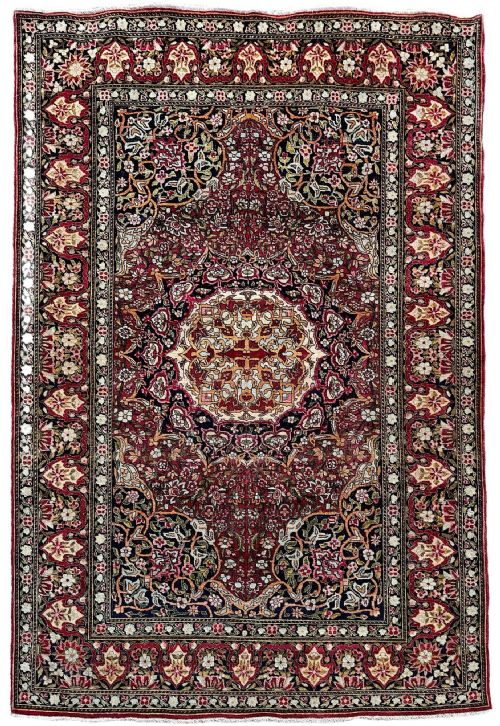
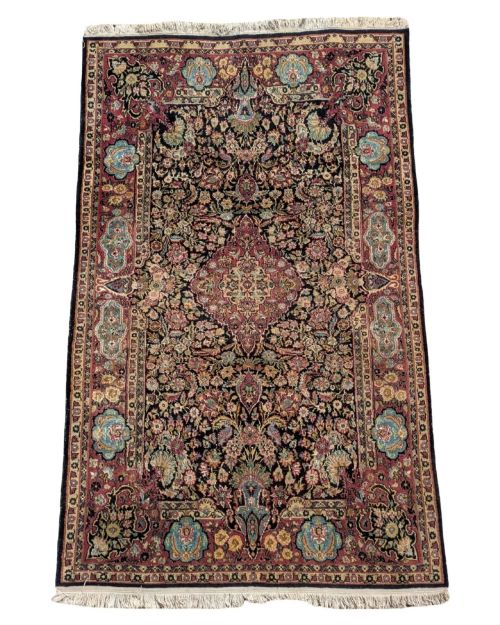
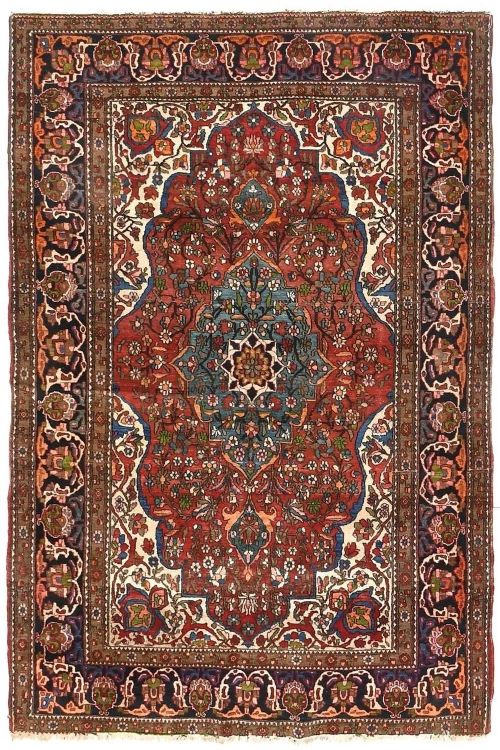
An antique isfahan floor rug brings Persian artistry directly onto your floor, offering intricate medallion designs woven with rich wool, cotton, and silk.
Antique Isfahan Floor Rug
An antique isfahan floor rug represents a distinguished tradition of Persian weaving originating from Central Persia. These textiles arrive in various formats, including smaller area rugs and larger carpets suitable for expansive rooms.
The pieces available on this page span from the late nineteenth century through to the early decades of the twentieth century. Traditional Persian styles and Safavid or Qajar influences dominate the visual repertoire of these woven works.
Buyers encounter classic small medallion designs alongside pictorial and heavily detailed formats. The rugs demonstrate the enduring appeal of central Persian workshops through varied dimensions and finely articulated borders.
Markers of Quality
Quality across these rugs depends heavily upon the precision of the weave and the complexity of the design. Finer examples display meticulous execution of classic medallion motifs and harmonious colour distribution throughout the pile.
The inclusion of silk highlights and pictorial elements generally elevates a piece within the range. Furthermore, the overall crispness of the traditional Persian patterns distinguishes superior examples from simpler standard productions.
Antique Isfahan Floor Rug Retail Price Guide 2026
Typical asking prices for isfahan floor rug among the pieces listed under this phrase on Sellingantiques today, from the lower quarter to the upper quarter. They describe what is for sale here now, not the wider market.
Some weavers secretly added tiny pictorial surprises into the floral fields, rewarding anyone who crawls around with a magnifying glass.
The Antique Isfahan Floor Rug Glossary
- Medallion
- A central ornamental motif dominating the field of the rug. This central design element forms the focal point of traditional Persian compositions.
- Pile
- The upright yarn forming the soft surface of the carpet. This dense layer of wool or silk absorbs wear and displays the woven pattern.
- Foundation
- The underlying grid of warp and weft threads supporting the knotted pile. Cotton serves as the standard sturdy base for these central Persian textiles.
Antique Isfahan Floor Rug: Frequently Asked Questions
How do I clean an antique isfahan floor rug?
Professional specialist cleaning is essential for these delicate wool, cotton, and silk textiles to protect the natural fibres and dyes.
Regular gentle surface vacuuming without a beater bar helps remove loose dust without straining the antique foundation.
Where should I place an antique isfahan floor rug?
These rugs suit low-traffic living rooms, studies, or bedrooms where their intricate medallion designs can be fully appreciated.
Placing them away from direct, strong sunlight preserves the subtle tones of the wool and silk highlights over time.
How do I date an antique isfahan floor rug?
Dating relies upon stylistic markers, material analysis, and construction characteristics typical of late nineteenth and early twentieth-century production.
Comparing the knot density and specific regional Persian design motifs helps narrow down the period of manufacture.
Are these rugs suitable for daily use?
Sturdy wool construction allows these floor coverings to endure moderate foot traffic in domestic settings.
Using a quality underlay provides extra cushioning and prevents the rug from slipping on hard floors.