

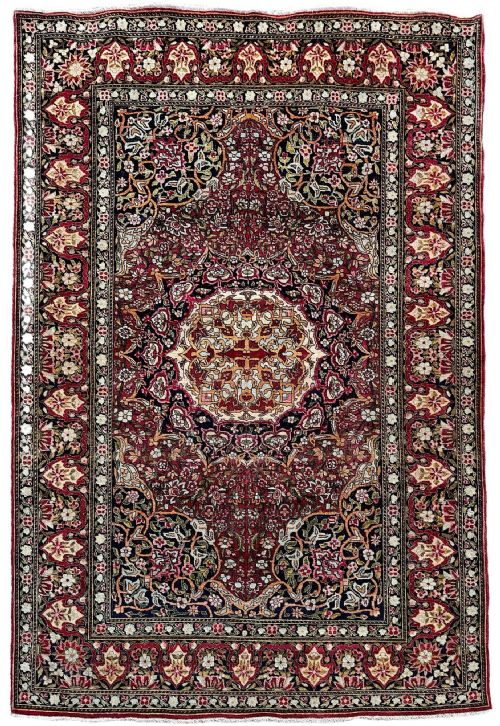
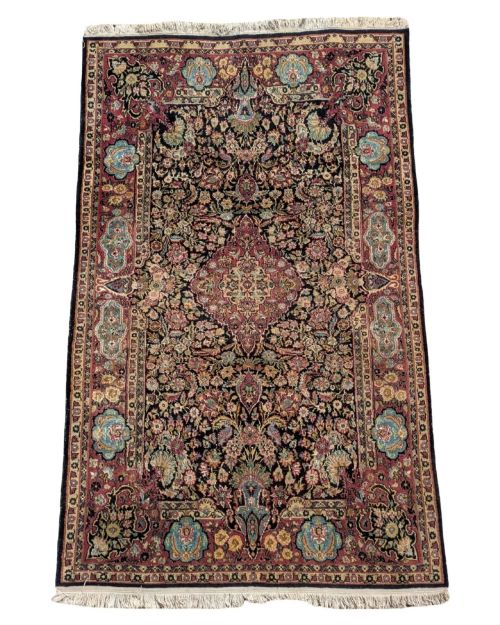
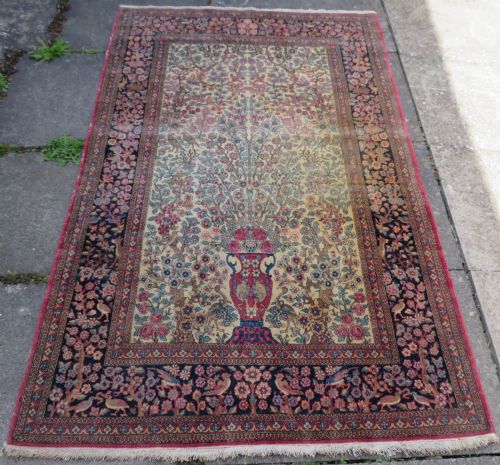


Hand Woven Isfahan Rug
A hand woven isfahan rug brings the refined knotting and classical floral artistry of central Persian workshops directly into a room.
Hand Woven Isfahan Rug
A hand woven isfahan rug represents the pinnacle of central Persian floor art, created in urban workshops known for extreme precision. When buyers search this phrase, they look for sophisticated medallion formats and intricate floral compositions that define the tradition.
The pieces appearing on this page span several decades from the late nineteenth century through to the early twentieth century. Most examples take the form of manageable area rugs and larger carpets suitable for principal reception rooms.
Originating in the historic city of Isfahan, these works employ classical Persian design vocabularies including tree of life motifs and elaborate central medallions. The execution ranges from traditional room-sized carpets down to smaller floor coverings produced across various decades.
Distinguishing Quality in Weaving
Knot density and structural refinement establish the upper tier of these textiles, where exceptionally fine weaves permit intricate curvilinear drawing. Materials play an equally defining role, with foundation choices shifting from sturdy cotton to luxurious silk.
The handling of natural dyes and the crispness of the pictorial elements separate standard workshop production from masterworks. Wear and patination also alter the character of older examples, though structural integrity remains paramount.
Hand Woven Isfahan Rug Retail Price Guide 2026
Typical asking prices for hand woven isfahan rug among the pieces listed under this phrase on Sellingantiques today, from the lower quarter to the upper quarter. They describe what is for sale here now, not the wider market.
Listings span production dates from eighteen ninety through nineteen thirty, incorporating materials such as lambswool, silk, and cotton.
The Hand Woven Isfahan Rug Glossary
- Foundation
- The underlying grid of warp and weft threads that supports the knotted pile of the rug. It provides the essential structural backbone for the textile.
- Pile
- The vertical or slanted ends of the knotted threads that form the usable surface of the carpet. This soft upper layer displays the colour and pattern.
- Medallion
- A large central ornamental design motif placed in the middle of the field. It serves as the primary focal point for traditional Persian compositions.
- Warp
- The stationary longitudinal threads stretched tightly on the loom before knotting begins. The visible fringes at either end of the rug are the extensions of these threads.
Hand Woven Isfahan Rug: Frequently Asked Questions
How do I clean an old Isfahan rug?
Surface dirt is best managed through gentle, low-suction vacuuming without a rotating brush head. Professional specialist cleaning remains essential for deep washing to protect delicate fibres.
Avoid harsh chemical treatments or excessive moisture which can damage the wool, cotton, or silk foundations. Regular rotation ensures even wear across rooms with high foot traffic.
Where were these carpets originally made?
These textiles originate from the historic city of Isfahan in central Persia, renowned as a major centre for court-sponsored arts and master weaving. Urban workshops in this region developed distinct traditions focused on extreme pictorial precision.
Production flourished through generations of skilled artisans who adapted classical motifs for both domestic and international markets. The city's ateliers remain synonymous with sophisticated urban rug design.
What is a silk foundation?
A silk foundation consists of warp and weft threads spun from silk rather than standard cotton. This material choice allows for an exceptionally thin, tight structure that supports very fine knotting.
Carpets utilising this technique often display greater detail in the floral rendering and possess a distinctive handle. It represents a more luxurious tier of workshop production.
How do I date an antique rug?
Dating relies upon stylistic markers, dye palettes, structural analysis, and comparative evidence from known historical examples. Changes in workshop styles across decades help narrow down the period of manufacture.
Examinations of the selvages, fringe construction, and material wear offer additional clues regarding age. Expert dealers combine these physical traits with historical context to establish an approximate date.