
Traditional Central Medallion Rug
These pieces deliver a traditional central medallion rug, grounding a room with centuries of knotting heritage.
Traditional Central Medallion Rug
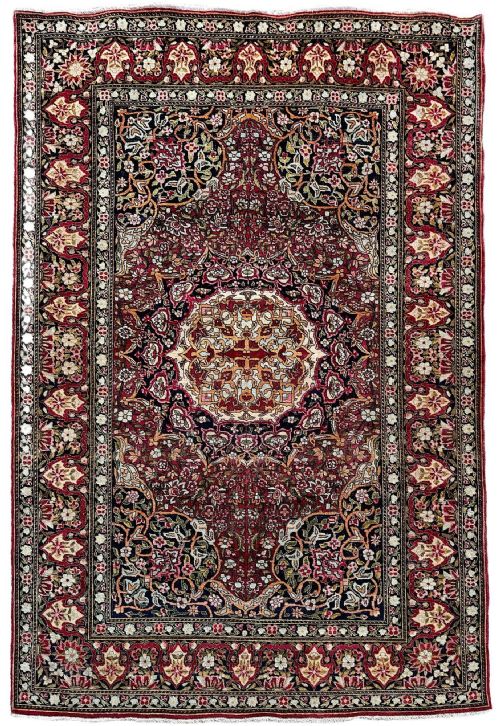
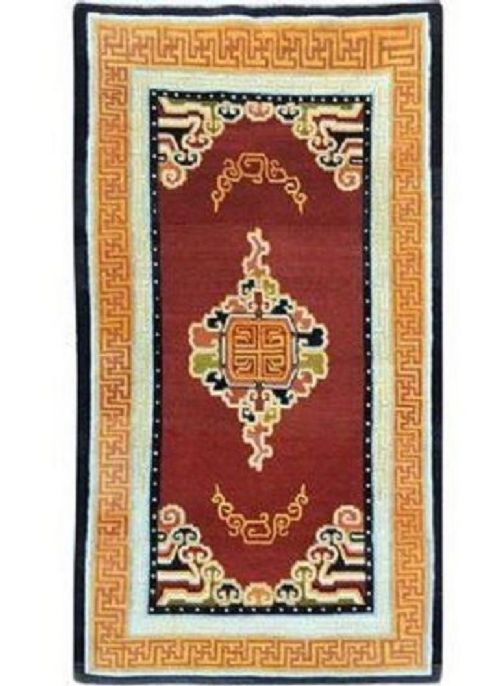
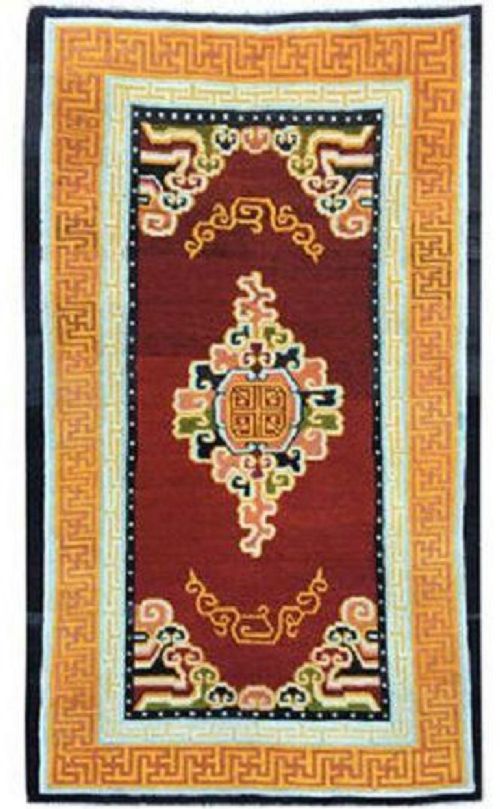
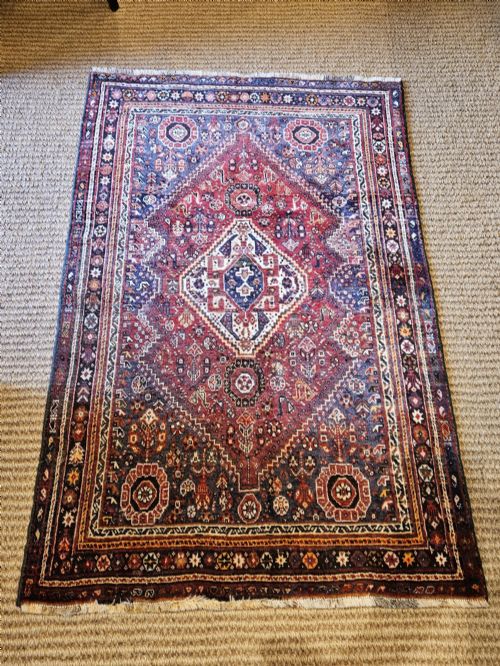
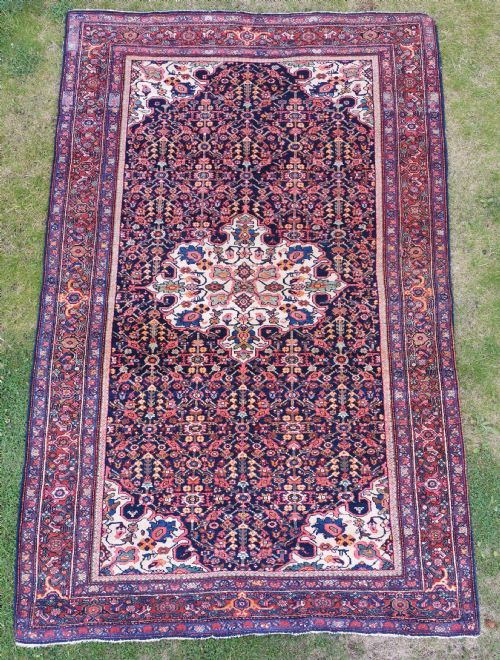
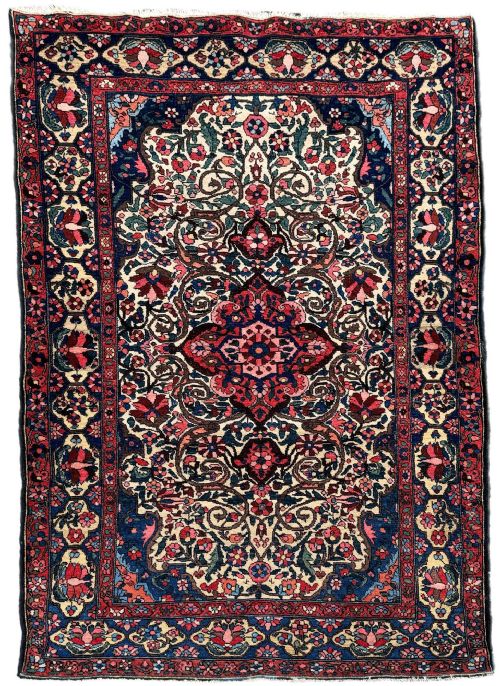
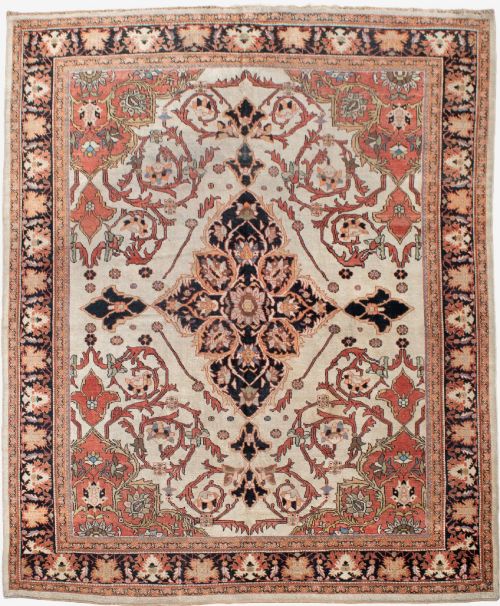
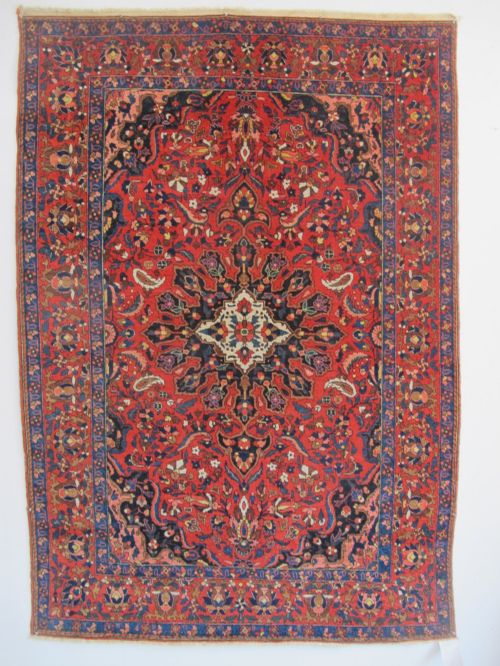
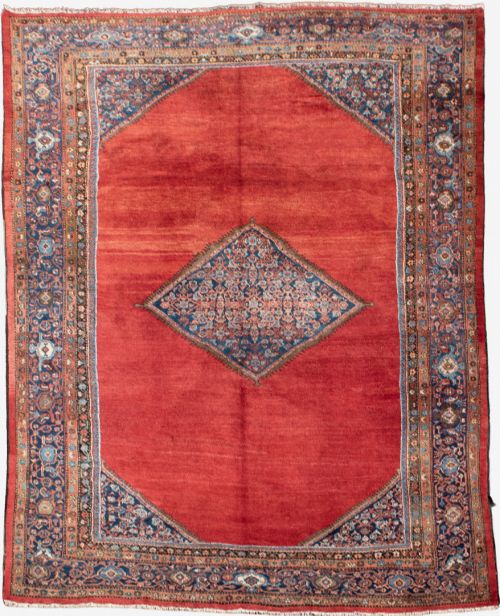
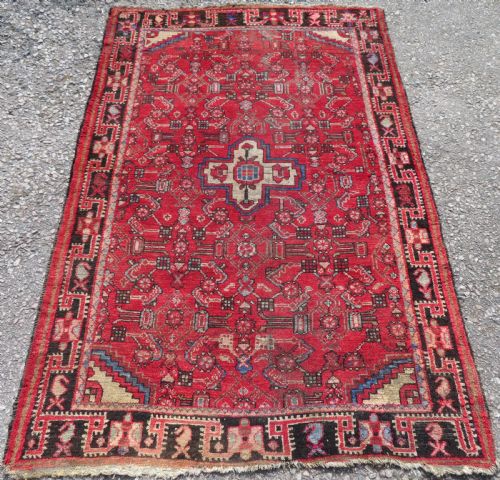
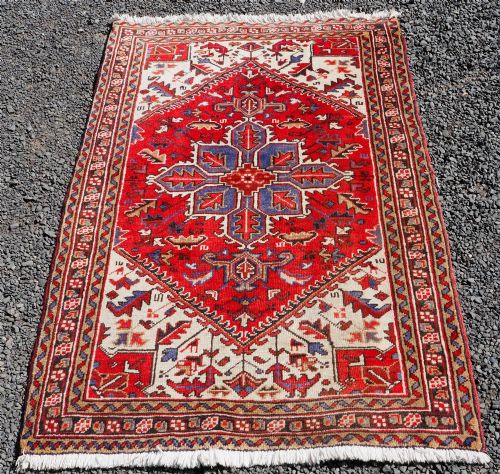
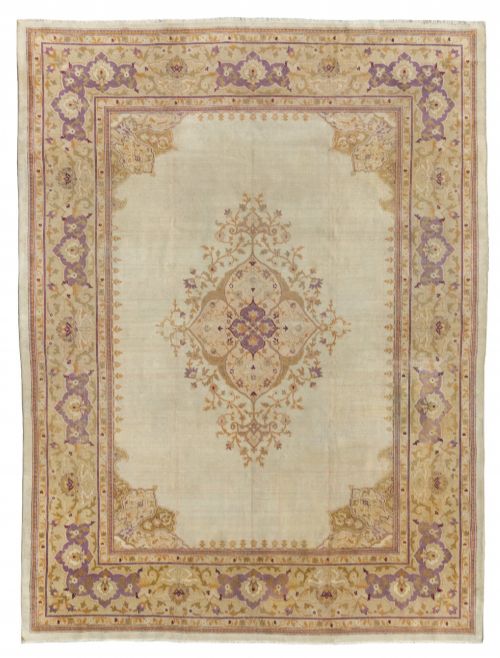
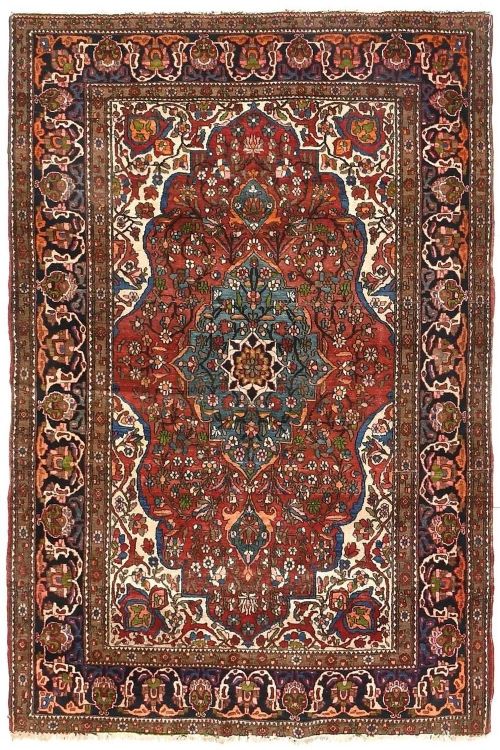
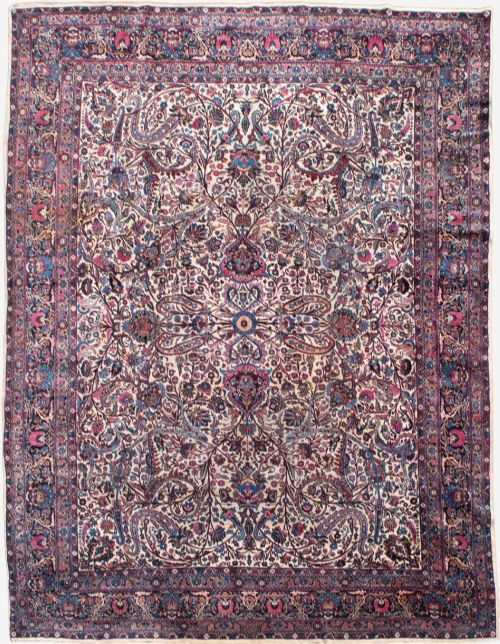
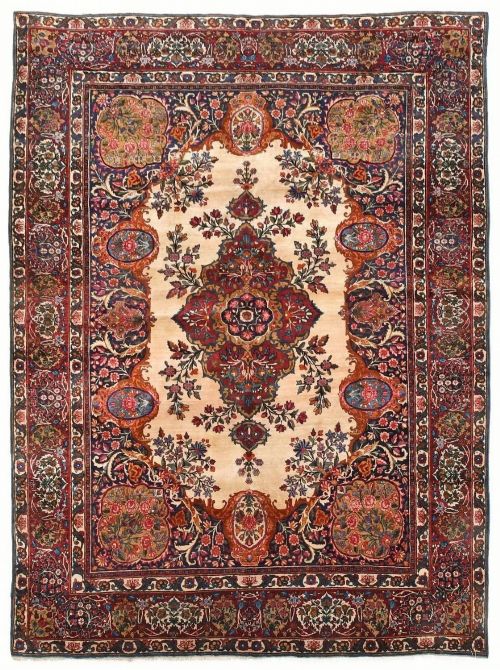
A traditional central medallion rug centres design around a prominent central motif, drawing the eye into the geometry of the field. Most examples originate from Persian and Anatolian weaving traditions, spanning smaller scatter formats to room-sized carpets.
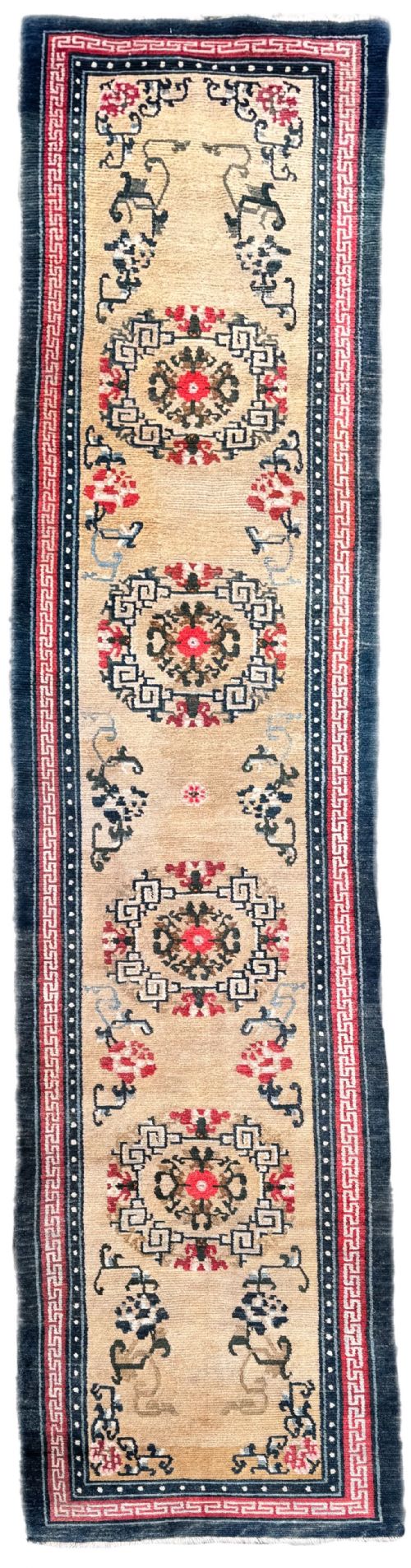
The selection here draws heavily from Persian workshops and Tibetan looms, dating from the nineteenth century into the nineteen-thirties. Buyers encounter regional variations such as Isfahan, Bakhtiar, and Oushak pieces that place the medallion firmly at the heart of the composition.
How they were made
Weavers constructed these textiles predominantly using natural wool pile knotted onto cotton foundations, though certain finer pieces incorporate silk elements. Dyers utilised natural substances derived from plants and insects to achieve enduring tones of rust, madder red, and deep blue.
Knot density and structural tension varied by region, with city workshops employing upright looms for precise curvilinear designs, whilst tribal weavers utilised simpler frames for bolder geometric interpretations.
Traditional Central Medallion Rug Retail Price Guide 2026
Typical asking prices for traditional central medallion rug among the pieces listed under this phrase on Sellingantiques today, from the lower quarter to the upper quarter. They describe what is for sale here now, not the wider market.
Regional styles represented include Persian traditions like Isfahan, Bakhtiar, and Oushak alongside Tibetan weaving forms.
What varies in quality
Quality rests in the precision of the knotting and the clarity of the medallion layout against the surrounding field. Finer execution allows for intricate curvilinear motifs to remain sharp and balanced.
The choice of materials also dictates standing, as dense wool pile and supple foundations contribute to longevity and drape. Wear across the pile tells a story of age, but uniform knot integrity preserves the structural worth of the textile.
The Traditional Central Medallion Rug Glossary
- Medallion
- The central ornamental motif placed in the middle of the rug field. It serves as the primary focal point of the design.
- Pile
- The upright yarn loops or cut ends that form the soft surface of the rug. It is typically knotted onto a supportive warp and weft foundation.
- Warp
- The vertical threads stretched tightly on the loom before knotting begins. The fringe of a finished rug is usually an extension of these warp threads.
- Weft
- The horizontal threads passed through the warp threads after each row of knots to secure them in place. These determine the structural firmness of the textile.
- Runner
- A long, narrow carpet format designed for hallways, staircases, or corridors. These pieces balance length with a restrained width.
Traditional Central Medallion Rug: Frequently Asked Questions
Where should I place a traditional central medallion rug?
These pieces suit living rooms, dining spaces, or entrance halls where the central motif commands visual attention. Positioning the medallion in the direct centre of a room layout highlights its symmetry.
Runners serve narrow passages and corridors, guiding movement whilst providing durable floor coverage. Ensure the surrounding furniture frames the medallion rather than obscuring it entirely.
How do I care for an antique wool rug?
Regular gentle vacuuming without a beater bar removes surface dust and protects the wool pile from abrasive grit. Professional cleaning should occur periodically to address deep-seated dirt.
Keep these textiles away from direct, prolonged sunlight to prevent natural dye fading. Using an appropriate underlay prevents slipping and cushions the foundation against wear.
How can I tell different regional styles apart?
Regional styles reveal themselves through distinct colour palettes, knotting densities, and motif geometry. City workshops like Isfahan or Kashan favour refined floral curves and silk accents.
Tribal pieces such as Bakhtiar or Qashqai utilise bolder geometric layouts and saturated wool. Examining the border structure and foundation materials often confirms the origin.
What does pile wear indicate on older rugs?
Low pile or areas showing foundation threads simply reflect age and historical use rather than structural failure. Many collectors value this patination as evidence of an authentic textile's history.
Uniform thinning differs from localized damage, which requires professional conservation. Assessing the knot integrity on the reverse reveals the true condition of the piece.