


Antique Ironstone Dish
When you handle an antique ironstone dish, you hold a sturdy, heavy ceramic built to last through centuries of hearty family meals.
Antique Ironstone Dish
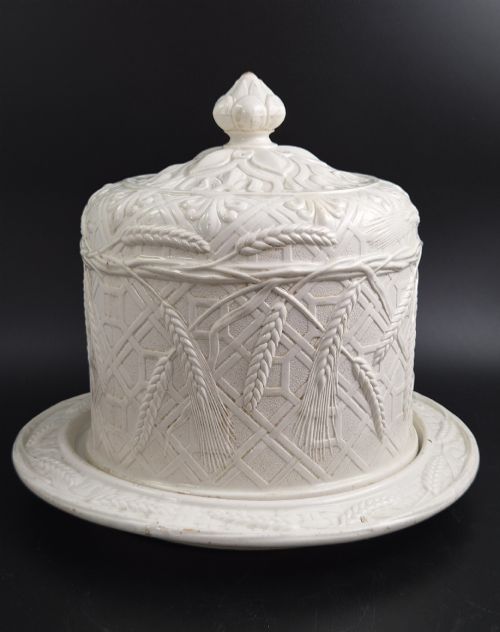
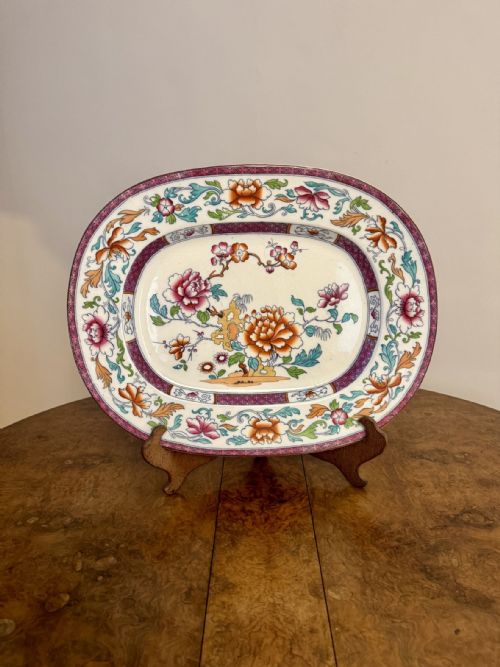
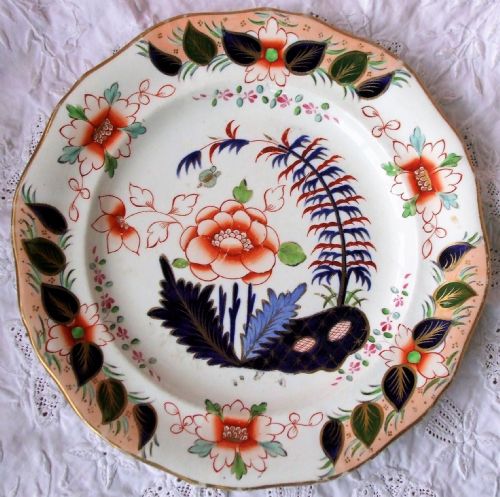
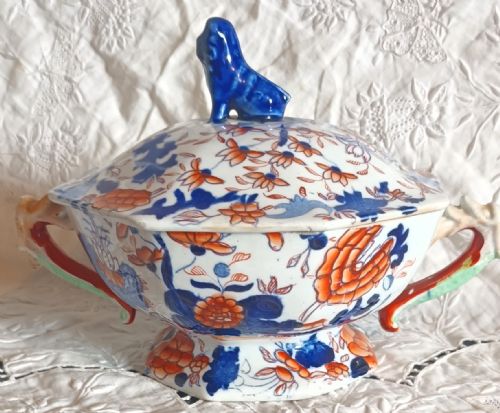
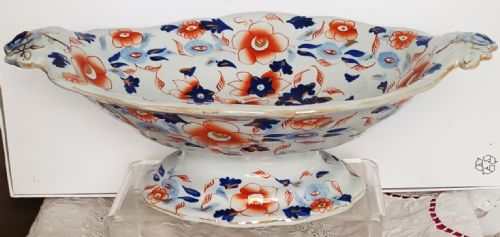
An antique ironstone dish encompasses a range of utilitarian and serving forms, from large meat platters and well-and-tree dishes to footed comports, cheese domes, and soup tureens. You will most frequently meet nineteenth-century English examples, particularly substantial platters and patterned plates.
The objects span Georgian, Victorian, and Edwardian periods, reflecting the shifting tastes of dining rooms across the decades. Makers utilised durable ceramic bodies to create functional serveware that doubled as decorative table centrepieces.
Materials and construction
Potters combined earthenware clay with refined stone china ingredients to produce a dense, heavy body capable of resisting everyday knocks. Artisans then applied white or coloured glazes, often incorporating transfer printing, enamel paints, and gold leaf highlights.
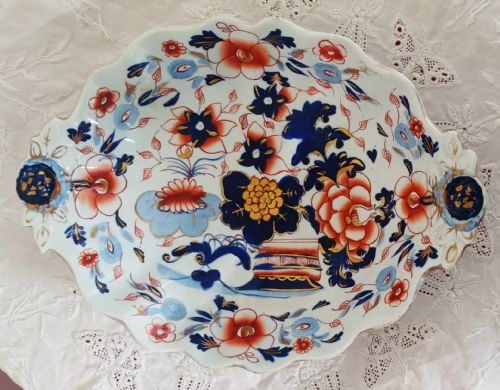
Many items received hand-painted details over transfer-printed outlines, particularly on Chinoiserie, Japan, and Imari pattern wares. Kiln firing fixed the vitrified body and rich surface pigments together permanently.
Some nineteenth-century platters feature built-in wells and channels designed specifically to trap runaway Sunday roast juices.
Judging the range
Quality separates through the crispness of the moulding and the artistic skill applied to hand-painted enamel patterns. Pieces featuring intricate polychrome Chinoiserie designs or elaborate relief modelling stand apart from plain white utility items.
The depth of the glaze and the preservation of gilt or enamel details over decades of use dictate the standing of an individual piece. Makers with established reputations for patent ironstone generally command stronger interest.
John Davenport of Longport·John Ridgway·C.J. Mason·Mason's Patent Ironstone·Copeland·Minton·Coalbrookdale
The Antique Ironstone Dish Glossary
- Ironstone
- A heavy, durable type of earthenware or stoneware patented in England to imitate Chinese porcelain. It provides a robust foundation for domestic tableware.
- Comport
- A raised dish or bowl used for serving fruit or sweetmeats at the table. These pedestal vessels sit above standard plate heights.
- Transfer Print
- A decorative technique where an engraved copper plate transfers a design onto tissue paper, which is then pressed onto the ceramic body before glazing. This allowed for intricate, repeatable patterns.
- Tureen
- A deep covered bowl designed for serving soups, sauces, or vegetables. They frequently include matching stands, ladles, and decorative handles.
- Imari
- A decorative style inspired by Japanese export ceramics, typically utilising a palette of cobalt blue, iron red, and gilt. It gained widespread popularity in nineteenth-century English potteries.
Antique Ironstone Dish: Frequently Asked Questions
What is ironstone china?
Ironstone is a heavy, semi-vitrified ceramic developed in nineteenth-century England to offer an affordable, highly durable alternative to imported Chinese porcelain.
Potters combined traditional earthenware materials with stone elements, producing a dense body designed to withstand daily dining use.
How were serving platters used?
Large platters and well-and-tree dishes formed the centrepieces of formal dining tables, holding roasted meats, poultry, and large joints for guests to share.
Gravy wells collected juices during carving, keeping the meat moist before service.
How do I care for my dish?
Wash antique ironstone gently by hand in warm water using mild soap, avoiding harsh scrubbing or modern dishwashers.
Protect the glaze and any delicate enamel or gilt highlights by storing pieces safely without heavy stacking.
How do I date a piece?
Examine the maker marks, registry stamps, and base styles stamped or printed underneath the ceramic body.
Stylistic clues such as transfer-printed Chinoiserie motifs or heavy Victorian moulding also help narrow down the decade of production.