

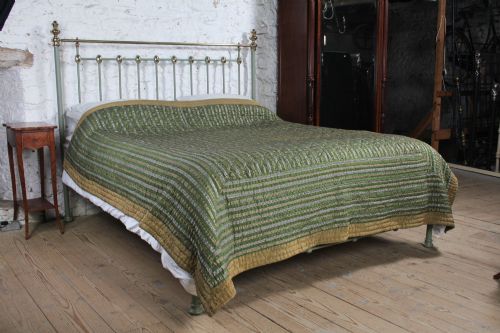
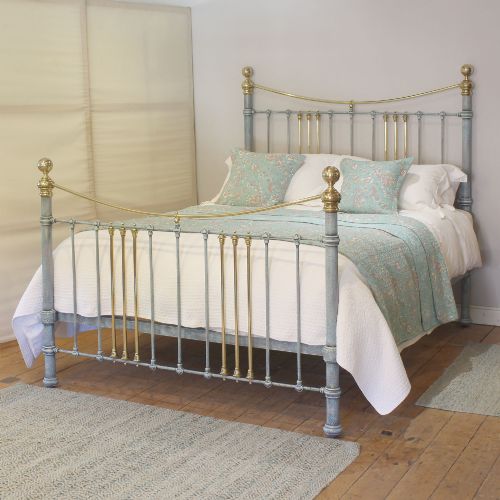
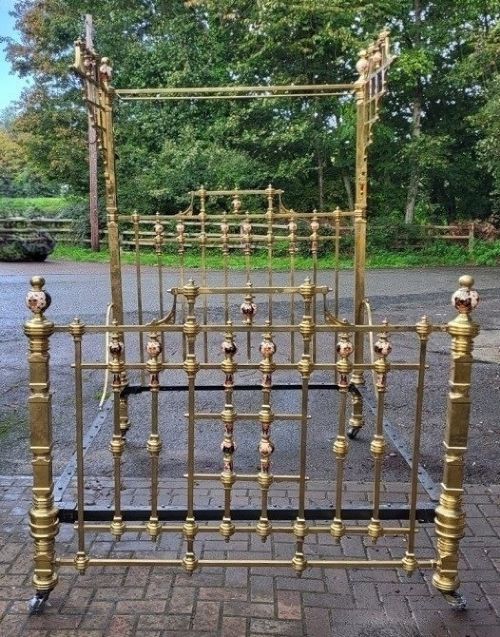
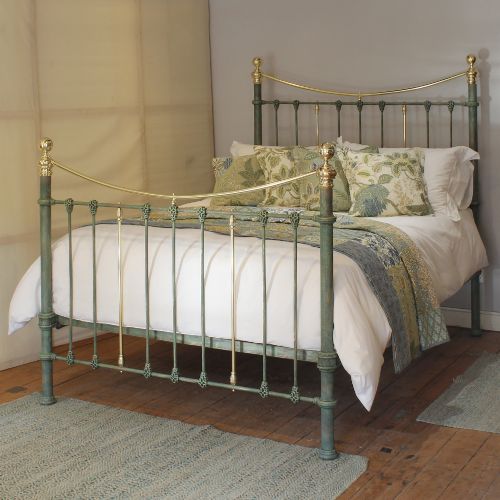

Antique Iron King Bedstead
An antique iron king bedstead offers substantial sleeping space paired with durable metal framing from the nineteenth and early twentieth centuries.
Antique Iron King Bedstead
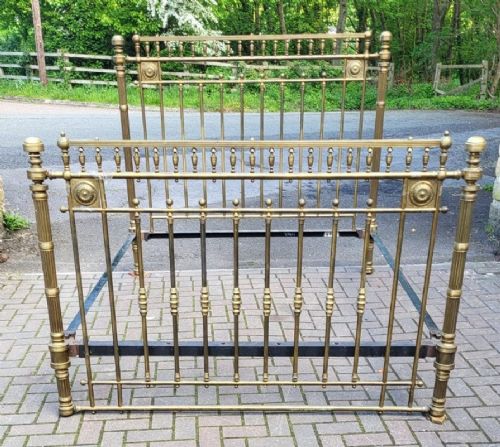
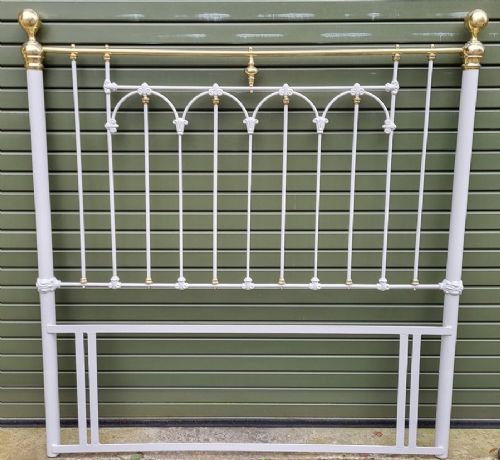
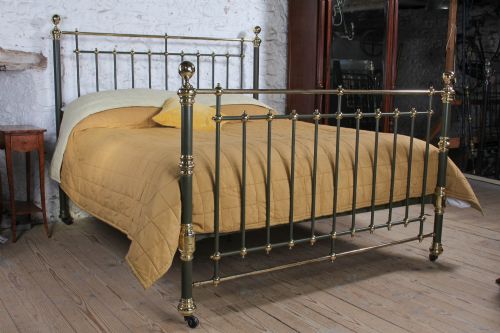
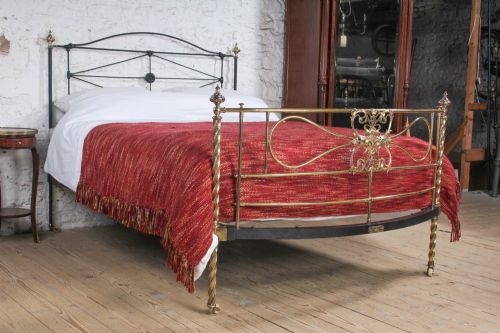
An antique iron king bedstead provides a large sleeping platform constructed primarily from cast iron, wrought iron, and forged iron, often combined with brass elements. Buyers searching this phrase encounter heavy metal frames dating from the Victorian and Edwardian eras, spanning from eighteen seventy through to nineteen twenty.
The form appears in various regional styles, including French, Irish, and Portuguese examples, alongside classic Victorian aesthetic movements and Art Nouveau designs. Many pieces feature low footboards or no end configurations, making them well-suited for contemporary rooms where space management matters.
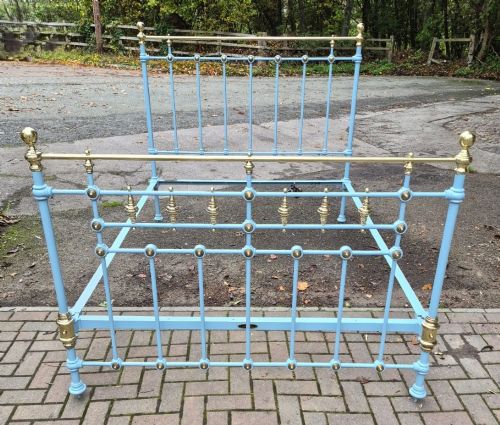
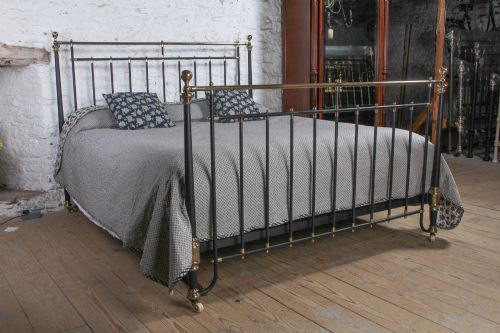
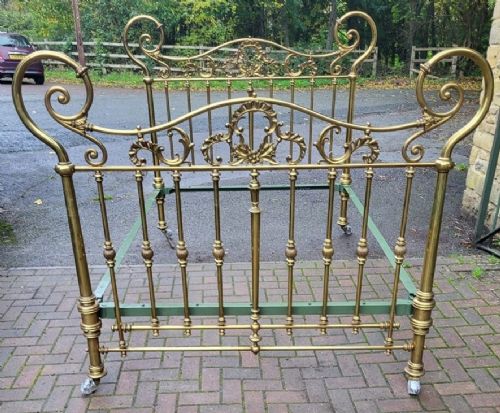
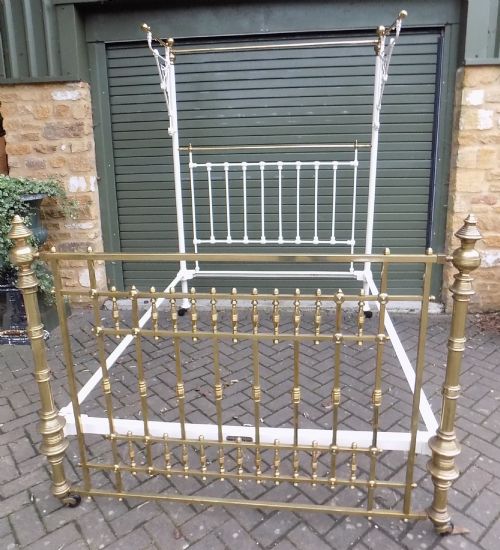
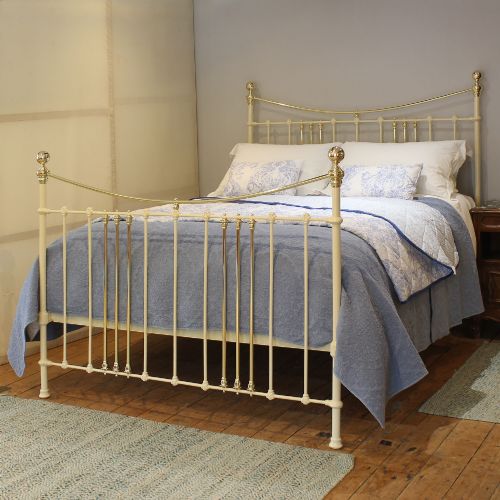
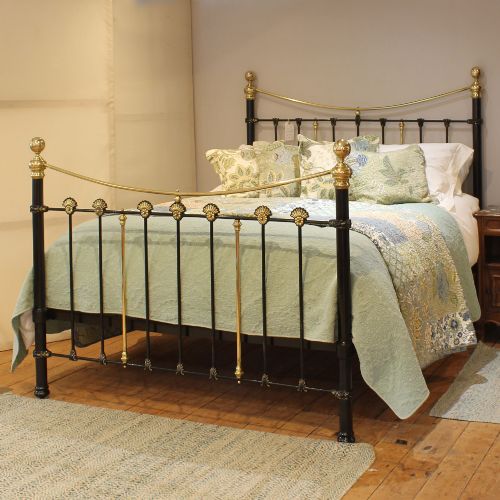
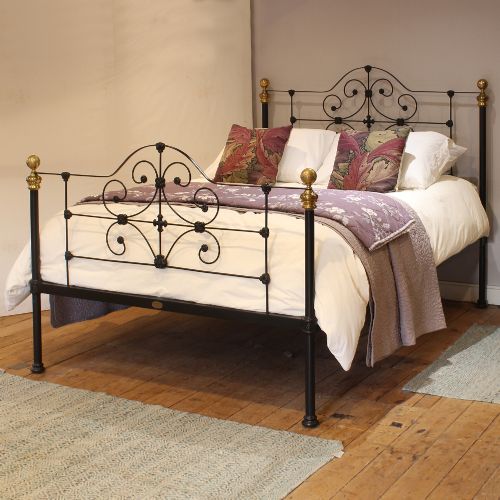
Victorian and Edwardian workshops produced these robust frames to accommodate generous proportions while maintaining structural integrity. The combination of black or painted metal surfaces with polished brass finials and spindles defines the visual character of the pieces found on this page.
Distinguishing quality across the range
Quality in these large bedsteads rests upon the crispness of the iron castings and the structural robustness of the joints and side rails. Finer examples display meticulous detailing in brass spindles, finials, and decorative ironwork rather than standard mass-produced repetition.
The integration of maker marks and exhibition quality construction elevates certain specimens above standard domestic grade frames. The overall harmony of proportions between the heavy iron body and decorative brass highlights determines the visual success of each piece.
Antique Iron King Bedstead Retail Price Guide 2026
Typical asking prices for iron king bedstead among the pieces listed under this phrase on Sellingantiques today, from the lower quarter to the upper quarter. They describe what is for sale here now, not the wider market.
Materials recorded across current pieces include cast iron, wrought iron, painted metal, and polished brass.
Winfield
The Antique Iron King Bedstead Glossary
- Cast iron
- A strong, hard alloy of iron and carbon poured into moulds to create rigid structural and decorative components. This material forms the sturdy core of many nineteenth-century bed frames.
- Brass half tester
- A bed frame featuring a partial canopy projecting from the wall or headboard over the pillow area. This form combines extensive brass tubing with traditional metal framing.
- Dip rail
- A headboard or footboard top rail that curves downward towards the centre. Edwardian and Victorian makers utilised this shape to soften the linear appearance of large metal beds.
- Finial
- A decorative terminal ornament mounted on the upright posts of a bedstead. Brass finials provide a polished contrast to black or painted iron frameworks.
- No end
- A bedstead configuration lacking a high footboard, presenting an open foot profile. This style suits modern interiors by maintaining an unobstructed line of sight across the bedroom.
Antique Iron King Bedstead: Frequently Asked Questions
How do I fit a modern mattress?
Many antique frames require custom mattress dimensions or modern conversion slats to support standard contemporary sizes safely. Checking internal width and length measurements before purchase ensures proper alignment.
Wooden or metal support systems can be integrated discreetly into the side rails to maintain the stability of the mattress without altering the exterior appearance of the antique frame.
Are these beds easy to assemble?
These bedsteads typically utilise heavy metal side rails that wedge securely into cast dovetail joints on the head and foot posts. Assembly requires two people due to the substantial weight of cast iron components.
Care must be taken when tightening joints to ensure the frame remains square without straining historical metal threads or decorative brass elements.
How should I clean painted iron?
Painted iron surfaces respond best to gentle dusting with a dry microfibre cloth to remove accumulated debris. Avoid harsh chemical solvents that might degrade historical paint layers such as original cream or ivory finishes.
Brass components can be polished sparingly with a mild metal cleaner, using a barrier card to protect adjacent painted iron surfaces from accidental contact.
How do I date an iron bed?
Dating relies on stylistic clues such as the presence of Victorian aesthetic movement motifs, Edwardian dip rails, or specific Art Nouveau curves. Construction methods, including the transition from hand-forged elements to machine-cast components, also help narrow the period of origin.
Makers' stamps or registration marks found on iron or brass components provide definitive chronological anchors when present.