

Antique Inlay Writing Table
An antique inlay writing table brings handcrafted timber and precise marquetry into a room, offering a dedicated surface for correspondence.
Antique Inlay Writing Table
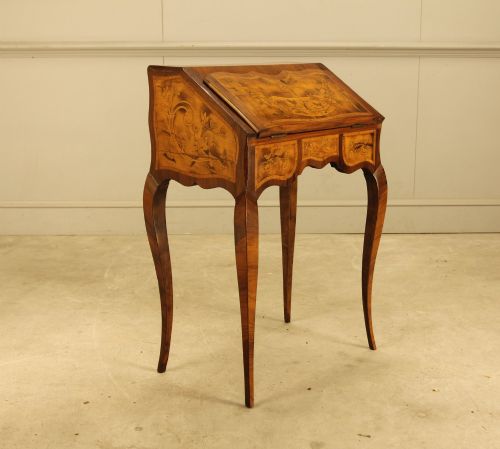
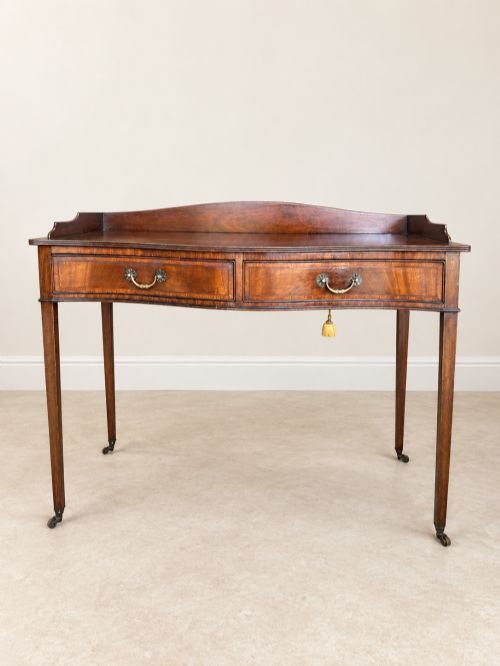
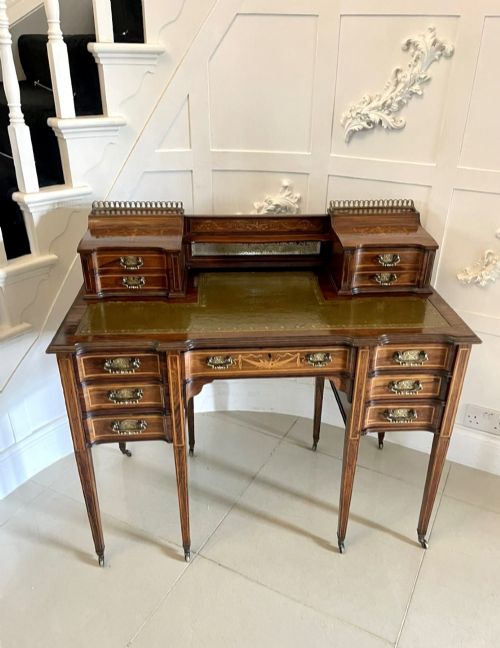
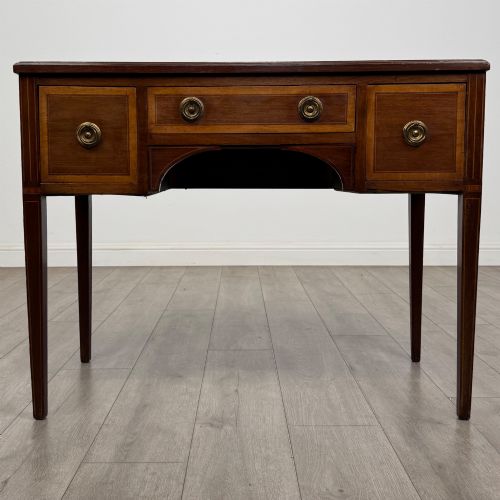
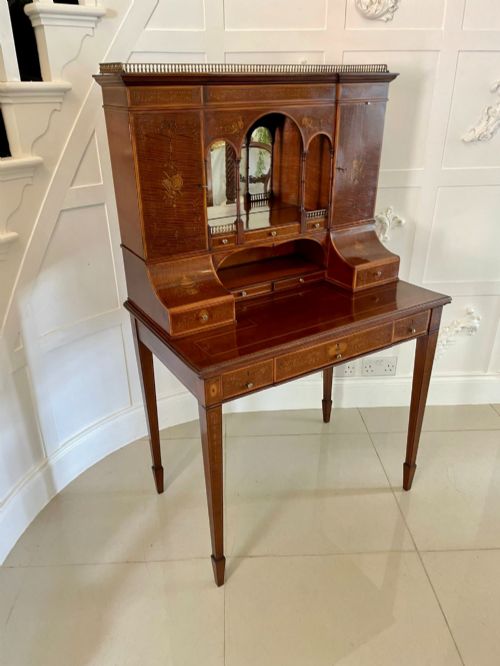
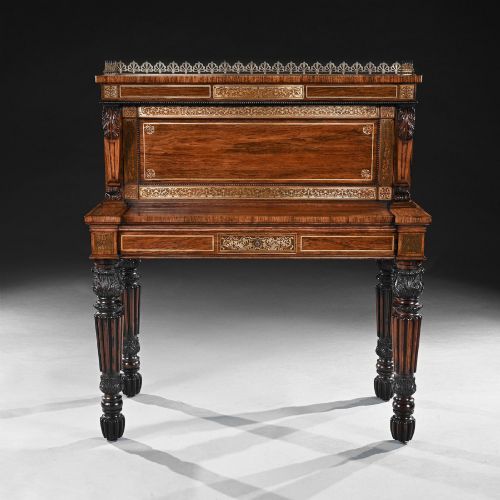
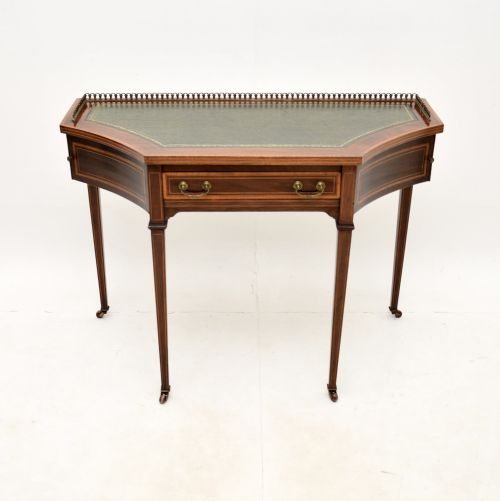
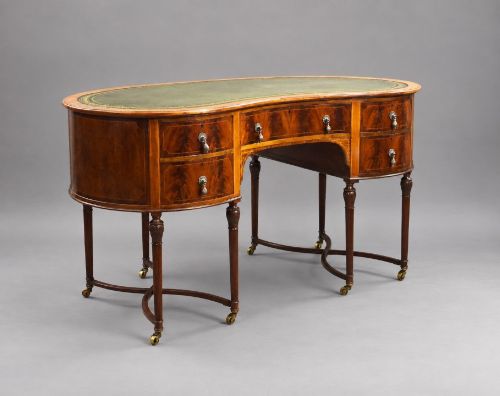
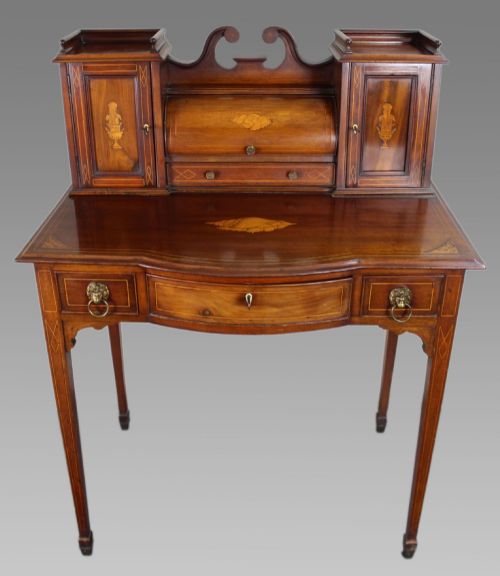
An antique inlay writing table combines functional workspace with decorative craftsmanship, drawing from periods like the Georgian, Victorian, and Edwardian eras. These pieces appear in forms ranging from freestanding centre tables and kidney-shaped desks to refined bureau plat designs.
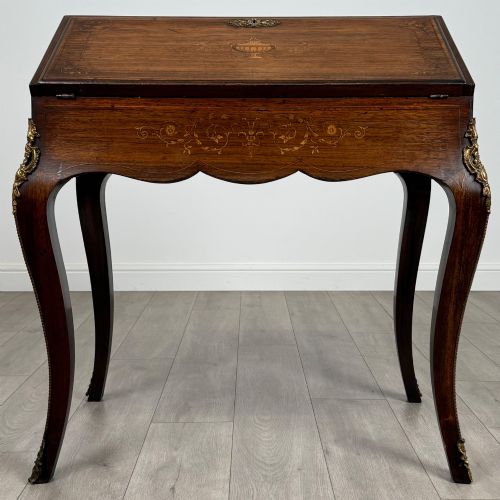
Makers utilised rich timbers such as mahogany, rosewood, satinwood, and walnut as a base for intricate wood ornamentation. The Edwardian mahogany variations and French rosewood examples demonstrate how these desks served domestic and professional functions in period interiors.
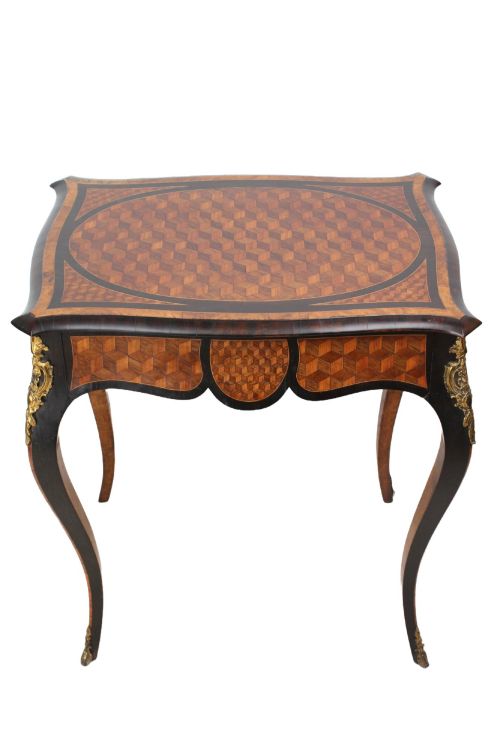
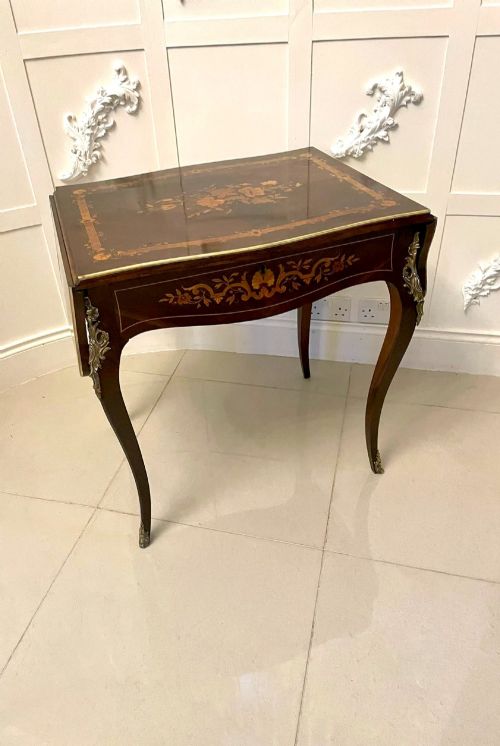
Buyers encounter diverse stylistic influences, including Sheraton Revival, Regency lines, and Louis XV Revival curves. The integration of boxwood, ebony, and brass inlay elevates simple writing furniture into decorative focal points.
Materials and Construction Techniques
Cabinet makers built carcasses from solid hardwoods and applied carefully selected veneers of mahogany, satinwood, kingwood, or rosewood to expansive surfaces. Timber preparation ensured that tabletops remained stable across seasonal temperature shifts.
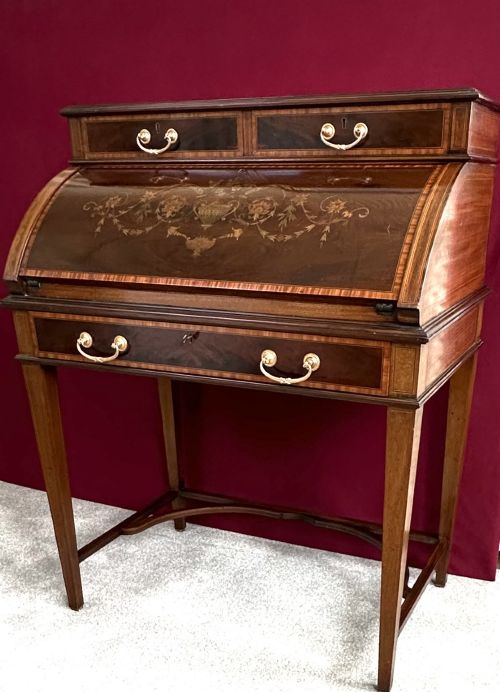
The ornamentation relied on marquetry and parquetry, cutting contrasting woods like boxwood and ebony into precise geometric or floral motifs. Ormolu mounts, brass stringing, and leather inserts added tactile contrast to the wooden structures.
Joinery involved traditional techniques such as dovetailing for drawers and mortise and tenon joints for framing. Structural integrity supported both everyday utility and elaborate surface decoration.
Secret compartments and hidden spring-loaded drawers occasionally surprise owners who inspect the interior pigeonholes.
Distinctions in Execution and Detail
The sophistication of the marquetry and the precision of the timber matching dictate the distinction between standard production and masterwork pieces. Skilled workshops achieved seamless transitions between contrasting wood species and complex brass stringing.
Selection of base timbers also separates examples, with dense flame mahogany, figured rosewood, and quarter-sawn walnut denoting superior material choice. Cabinetmakers who paid attention to secondary woods inside drawer linings indicate disciplined workshop standards.
Signed works from notable firms demonstrate higher levels of finish in hardware, internal fittings, and structural stability. The integration of fitted interiors and original leather writing surfaces preserves the integrity of the desk.
Gillows Oxford Street Workshop·JAS Shoolbred·Edwards and Roberts·Jackson and Graham
The Antique Inlay Writing Table Glossary
- Marquetry
- A decorative technique applying pieces of veneer to a structure to form ornamental designs. Artisans cut various coloured woods and fitted them together like a puzzle.
- Parquetry
- A geometric mosaic of wood pieces used for floors and tabletops. It relies on repeating angular shapes rather than pictorial floral scenes.
- Ormolu
- Gilt bronze mounted onto furniture and decorative objects. It provides metallic contrast against dark woods and inlaid brass.
- Bureau Plat
- A flat-topped writing desk, often freestanding with drawers beneath the surface. Originating in France, these tables feature elaborate marquetry and gilt metal mounts.
- Satinwood
- A durable, lustrous timber native to India and Ceylon. Its pale yellow colour provided a bright contrast when used for banding and stringing.
- Tambour
- A sliding door or top made of narrow strips of wood glued to canvas. It conceals pigeonholes and writing supplies on specific desk forms.
Antique Inlay Writing Table: Frequently Asked Questions
How do I distinguish French and English desks?
French tables frequently incorporate kingwood, elaborate ormolu mounts, and serpentine curves aligned with Louis styles. English versions tend to favour mahogany or satinwood with linear stringing and architectural proportions.
Detailing on the legs and aprons further separates the two traditions, with French workshops embracing bolder floral marquetry.
Where were these tables placed originally?
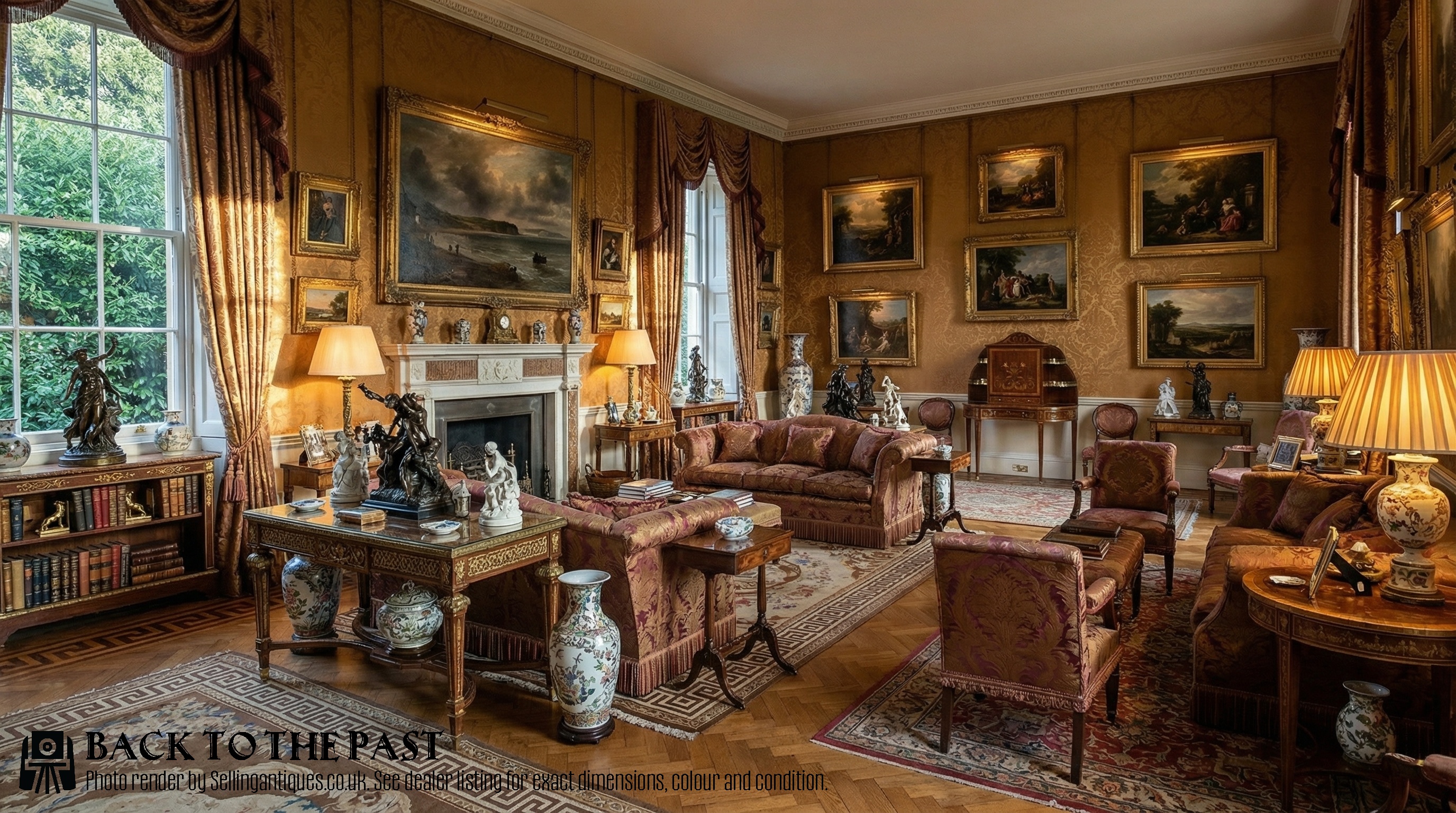
Freestanding centre tables stood in the middle of reception rooms or libraries, finished with inlay on all four sides. Other forms stood against walls or in dedicated writing boudoirs.
Their placement depended on natural light sources near windows for reading and letter writing.
How do I care for leather writing inserts?
Original leather surfaces require gentle cleaning with specialised leather balms to prevent drying and cracking. Avoid harsh modern chemical cleaners that strip historical finishes.
Maintaining moderate room humidity protects both the leather and the surrounding wood veneer from shrinking.
What defines a kidney-shaped desk?
The top curves inward toward the user, providing a wrap-around workspace popular during the Edwardian period. This form allowed makers to showcase continuous bands of mahogany or satinwood veneer.
They often rest on slender tapered legs with delicate brass castors.