
Antique Inlay Desk
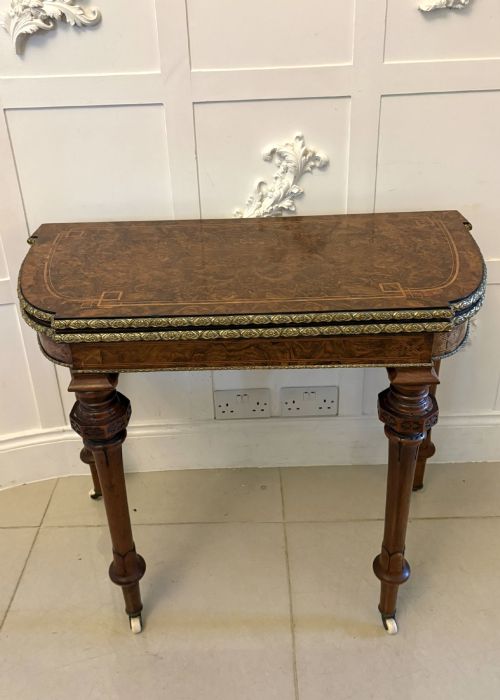
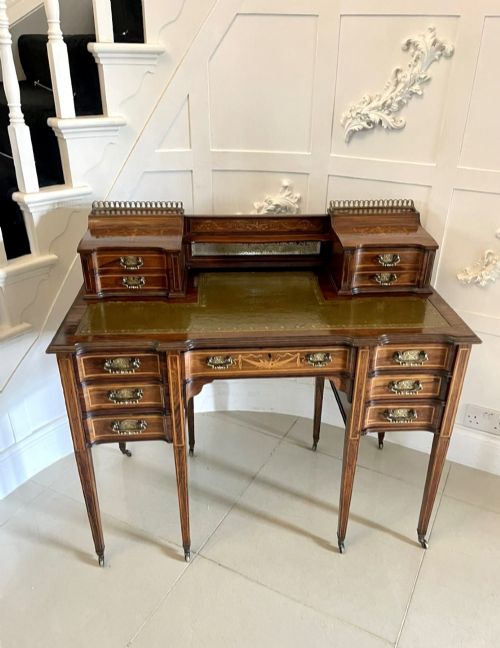
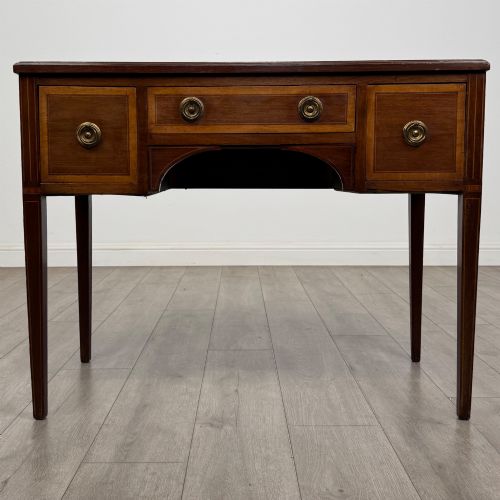
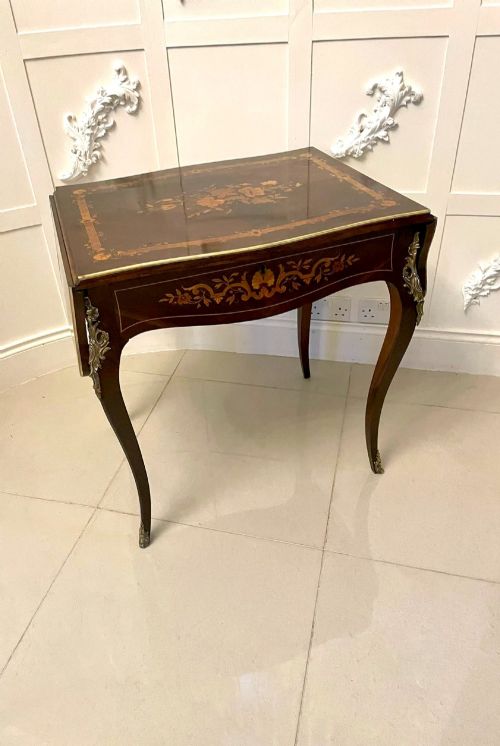
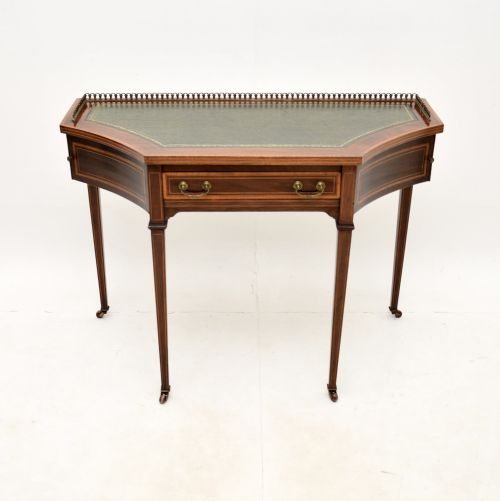
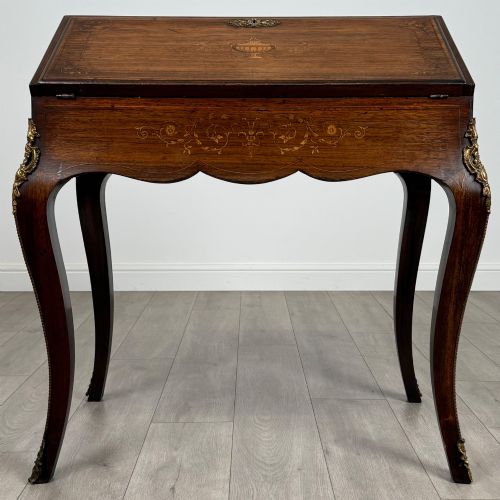
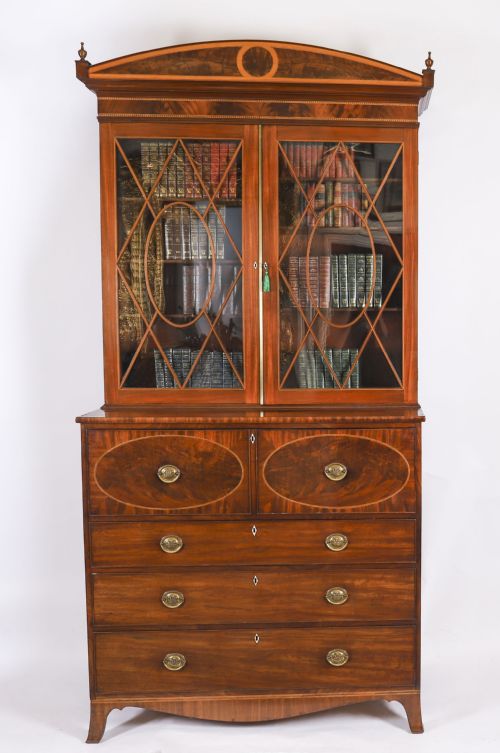
An antique inlay desk brings deliberate craftsmanship into a room through contrasting woods and metals set flush into timber surfaces.
Antique Inlay Desk
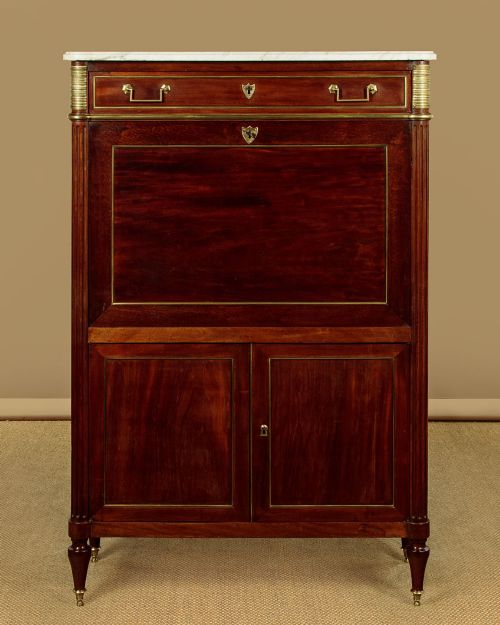
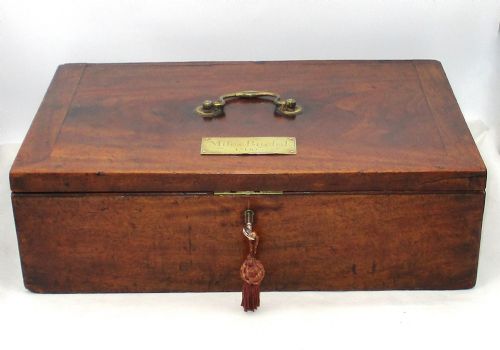
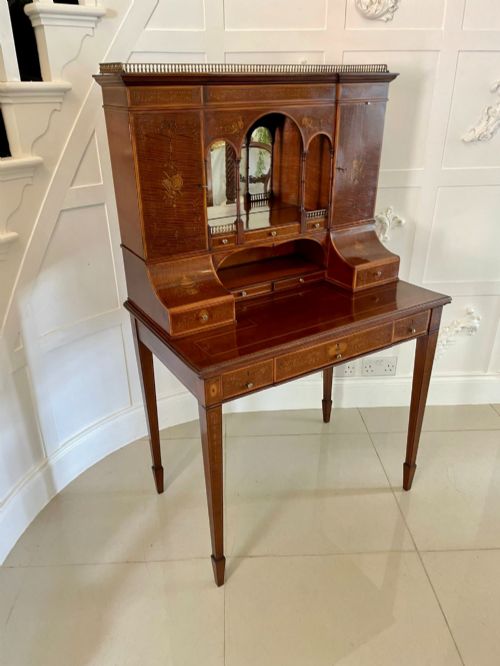
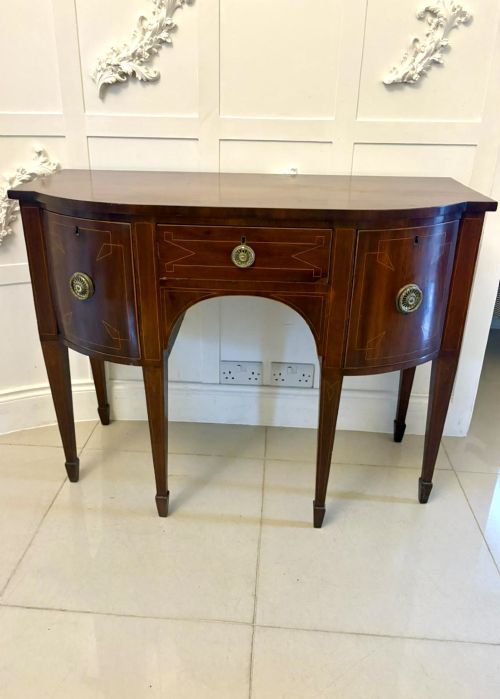
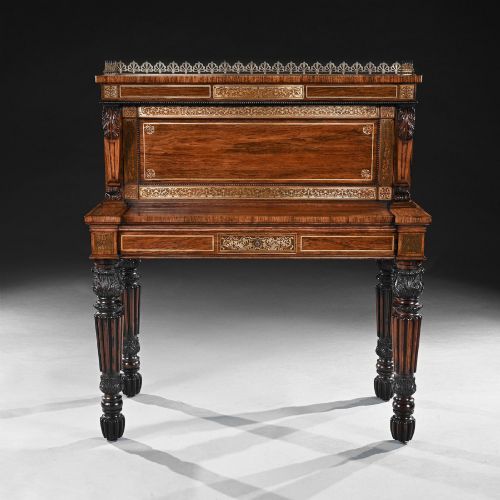
An antique inlay desk unites practical writing surfaces with decorative cabinet work across periods spanning the eighteenth, nineteenth and early twentieth centuries. Pieces found on this page range from compact writing tables and slope boxes to large bureau bookcases and freestanding pedestals.
The materials recorded in these examples include mahogany, satinwood, rosewood, walnut and fruitwood, often accented with brass, ormolu and leather inserts. Forms follow Georgian, Victorian, Edwardian and continental revival styles, reflecting the tastes of their original makers.
How they were made
Cabinet makers cut recesses into solid timber bases or veneered carcases, fitting contrasting pieces of wood, shell, ivory or metal flush into the channels. Animal glues secured these elements before craftsmen scraped and polished the entire plane level.
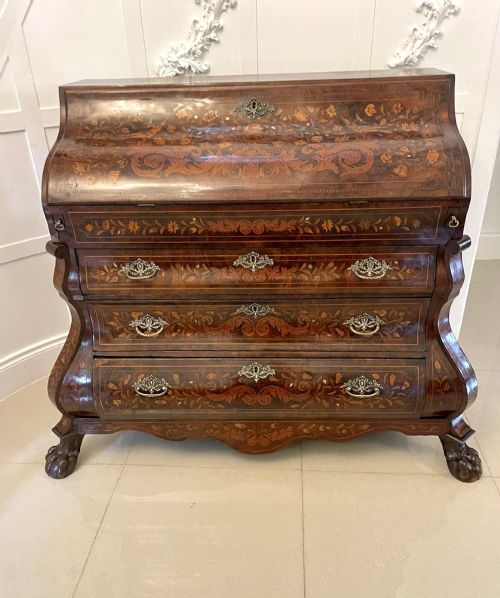
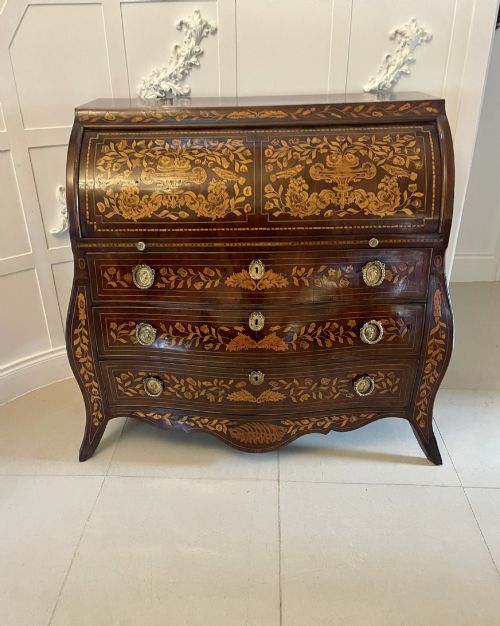
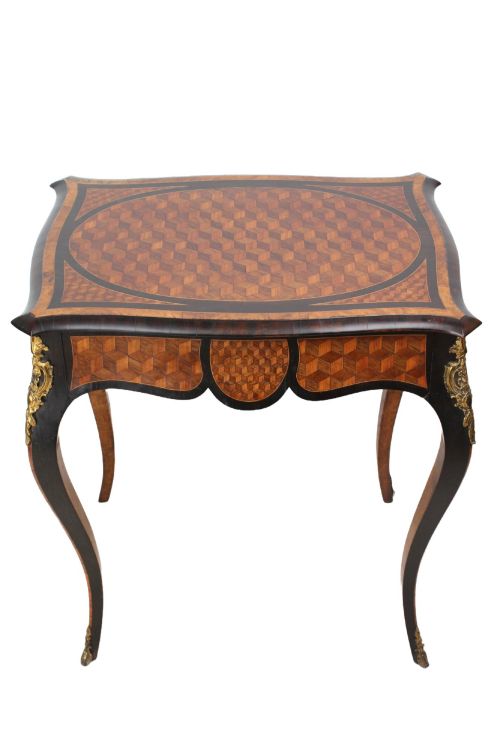
Marquetry techniques deployed varied botanical veneers to build pictorial floral or geometric motifs, whilst parquetry relied on regular geometric blocks to form repeating patterns across flat surfaces.
Some nineteenth century lap desks incorporated secret compartments accessed by sliding false bottoms.
What varies in quality
The precision of the joinery where the inlaid material meets the surrounding timber determines the baseline quality of an antique inlay desk. Tight, hairline joints without excessive filler indicate skilled hand cutting.
Depth of design and choice of secondary timbers also separate standard production from exceptional pieces. Elaborate floral marquetry utilising diverse natural grain variations requires significantly more labour than simple geometric banding.
Gillows Oxford Street Workshop·JAS Shoolbred·Edwards & Roberts
The Antique Inlay Desk Glossary
- Marquetry
- The technique of forming decorative patterns using veneers applied to a wooden structure to create pictures or abstract designs. Unlike inlay set into solid timber, marquetry covers the entire surface.
- Parquetry
- A geometric mosaic of wood pieces used for floors and furniture surfaces, yielding repeating angular patterns. It relies on symmetrical arrangement rather than pictorial representation.
- Secretaire
- A piece of furniture containing a writing drawer or a drop-front panel that conceals small compartments and pigeonholes. These items combine storage utility with a dedicated writing surface.
- Ormolu
- Gilded bronze used for mounts and decorative trims on furniture, particularly during the eighteenth and nineteenth centuries. It adds metallic contrast to dark woods.
- Boulle
- A form of marquetry developed in France using tortoiseshell and brass or pewter, named after the cabinet maker André-Charles Boulle. Pieces display striking dark and metallic contrasts.
Antique Inlay Desk: Frequently Asked Questions
What is an antique inlay desk?
An antique inlay desk is a writing surface decorated by inserting contrasting materials such as lighter woods, brass or mother of pearl directly into the timber base.
These pieces range from compact lap desks to large freestanding library tables produced across several centuries.
How do I care for my desk?
Keep wooden desks away from direct heat sources and sudden humidity changes to prevent the timber and delicate inlay work from shrinking or lifting.
Apply microcrystalline wax occasionally to nourish the wood and protect the polished finish without building up heavy residue.
How do I identify the period?
Dating relies on carcass construction methods, secondary woods, handle types and stylistic markers like Georgian proportions or Edwardian satinwood banding.
Comparing the internal drawer construction and locking mechanisms against known period examples provides further verification.
What is the difference between inlay and marquetry?
Inlay involves setting pieces of material into carved cavities within solid wood, whereas marquetry assembles an entire veneer puzzle on a backing sheet before applying it to the surface.
Both techniques create patterned surfaces but utilise different structural methods.