


Antique Inlaid Planter
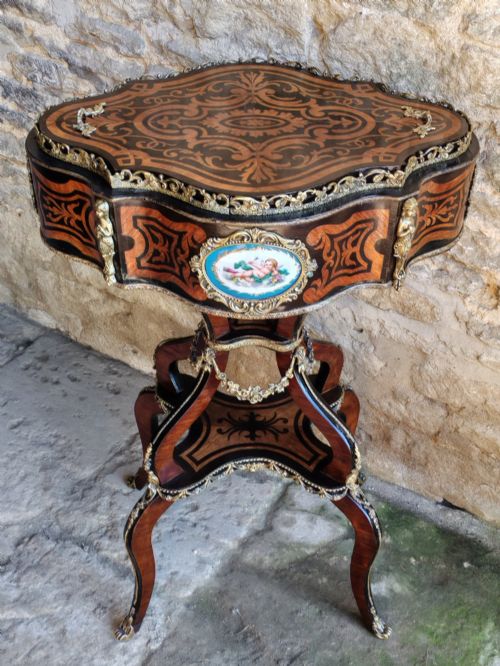
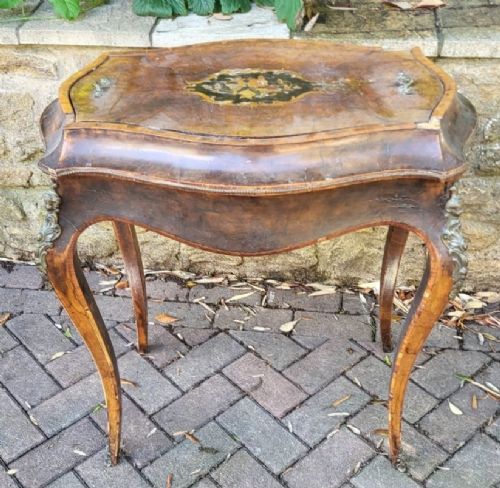
An antique inlaid planter brings living green indoors with the quiet dignity of nineteenth-century timber and delicate marquetry.
Antique Inlaid Planter
When you search for an antique inlaid planter, you are looking at nineteenth-century and early twentieth-century plant stands, jardiniere tables, and wine coolers adapted for floral display. These pieces combine a decorative wooden vessel with plant storage, often serving multiple functions as occasional tables or cellarettes.
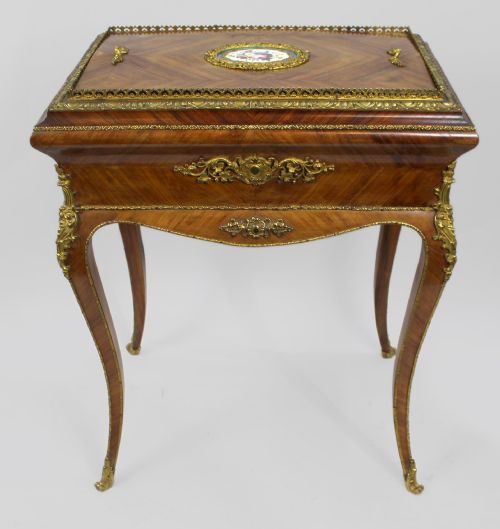
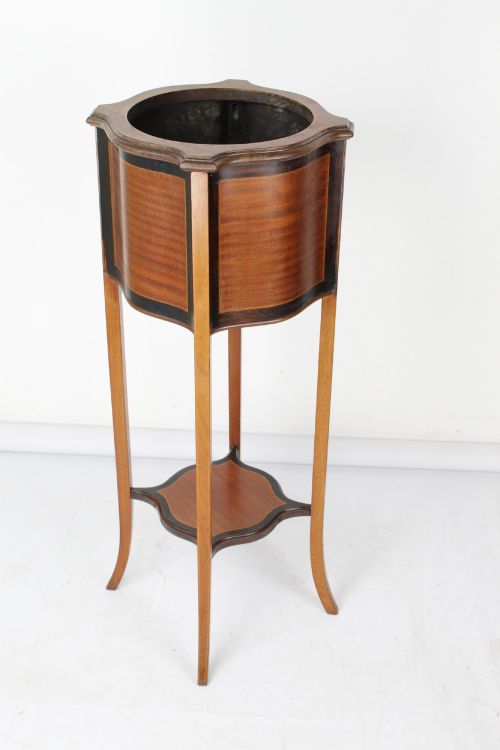
The versions you meet most frequently on this page date from the Victorian and Edwardian eras, alongside French Napoleon III and Louis style pieces. Mahogany, burr walnut, and satinwood form the main body of these stands, enriched with marquetry patterns and classical details.
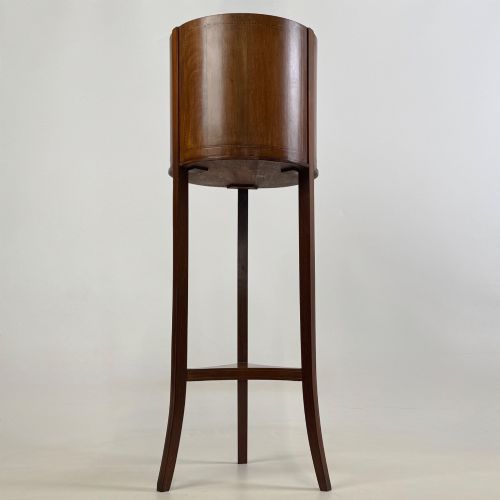
Makers designed these items for grand drawing rooms and ferneries, utilising lead or metal liners to protect the timber from moisture. Surviving examples reflect the shifting tastes of the nineteenth century, moving from heavy Rococo Revival forms toward lighter Edwardian satinwood stands.
How they were made
Cabinet makers built these planters using a carcase of mahogany, walnut, or satinwood, applying intricate marquetry veneers of rosewood, kingwood, and aboyna to the surfaces. Craftsmen cut contrasting timbers by hand to form floral, foliate, and geometric inlays across the body and panels.
Metal mountings in brass, ormolu, and gilt bronze provide structural support and decorative contrast to the timber. Many pieces incorporate drop handles, brass paw feet, or decorative banding along the rim to protect the edges during daily use.
What varies in quality
The distinction between ordinary and exceptional pieces rests upon the precision of the marquetry and the choice of cabinet timber. Finely figured burr walnut and richly grained satinwood denote higher ambition in the workshop, particularly when combined with crisp ormolu mounts rather than plain brass.
Proportion and structural integrity define the upper tier of these items. Pieces that retain their original fitted metal liners and stable leg joints demonstrate superior original manufacture and careful survival through the decades.
The Antique Inlaid Planter Glossary
- Jardiniere
- A decorative pot or stand designed to hold plants and flowers within a room. These vessels often double as wine coolers or side tables.
- Marquetry
- The art of applying pieces of veneer to a structure to form decorative patterns and pictures. Craftsmen utilise contrasting woods like rosewood and satinwood to create these designs.
- Ormolu
- Gilded bronze mounts applied to furniture and decorative objects for enrichment. French and English makers utilised this technique extensively during the nineteenth century.
- Cellarette
- A fitted container originally used for holding bottles of wine or spirits. Many nineteenth-century examples share forms with jardiniere planters.
- Satinwood
- A durable timber with a natural golden sheen favoured in late nineteenth and Edwardian cabinet making. It provides a bright surface for delicate marquetry work.
Antique Inlaid Planter: Frequently Asked Questions
Can I plant directly into an antique planter?
Most antique planters rely on removable metal or lead liners to hold soil and water safely away from the timber carcase. Placing potted plants inside these liners prevents moisture damage to the delicate veneer.
If a liner is missing, it is advisable to place potted plants in plastic saucers inside the vessel rather than filling the wooden body directly with earth.
How do I tell Victorian from Edwardian pieces?
Victorian planters tend to feature darker timbers such as burr walnut and mahogany, often with heavier proportions and ornate marquetry. Styles from this era frequently draw on Rococo Revival or French influences.
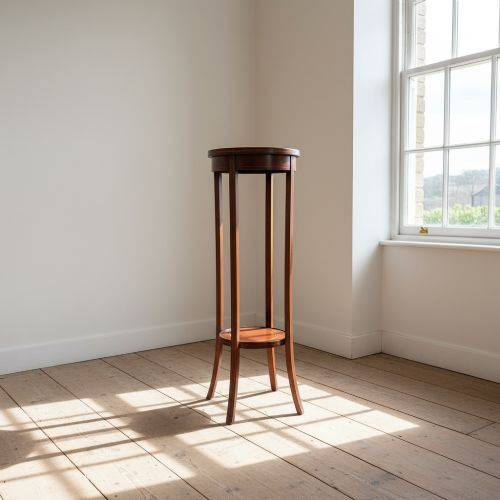
Edwardian pieces generally present a lighter appearance, favouring satinwood, simpler geometric inlays, and slender table legs. These later stands reflect a shift toward airier domestic interiors.
Were these always used for plants?
Cabinet makers designed many of these dual-purpose vessels to serve as wine coolers, cellarettes, or tea stoves alongside their function as plant stands. Their waterproof metal linings made them versatile containers for ice, bottles, or peat.
Later owners frequently adapted wine coolers and occasional tables for floral displays, blurring the distinction between the original purposes of the furniture.
How do I care for inlaid wood?
Keep wooden planters away from direct sunlight and central heating sources to prevent the marquetry veneer from drying and lifting. Regular dusting with a dry cloth maintains the finish without needing heavy polishes.
Feed the timber occasionally with a suitable wax to preserve the natural lustre of the walnut, mahogany, or satinwood surface.