


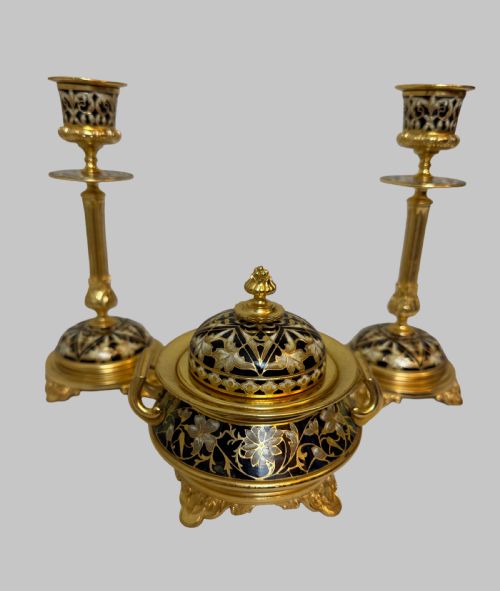


Antique Inkwell Holder
An antique inkwell holder brings a tangible sense of history to a desk, offering practical utility alongside decorative presence.
Antique Inkwell Holder
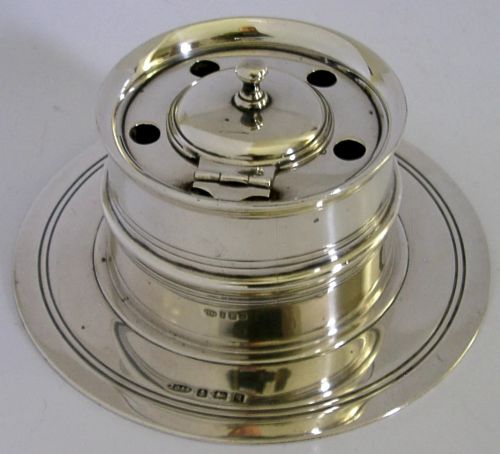
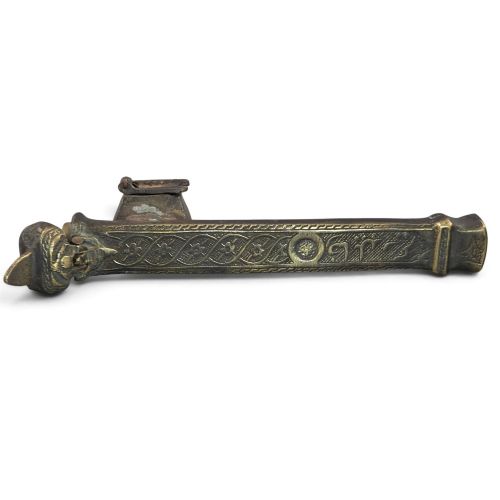
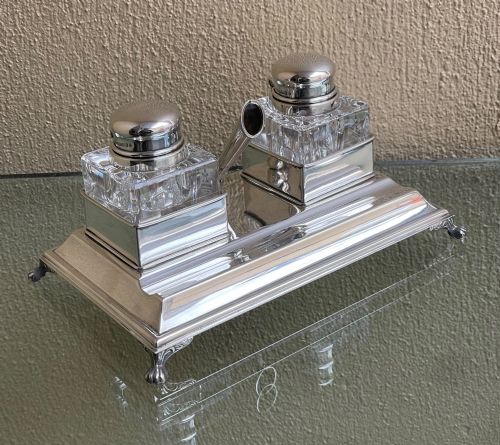
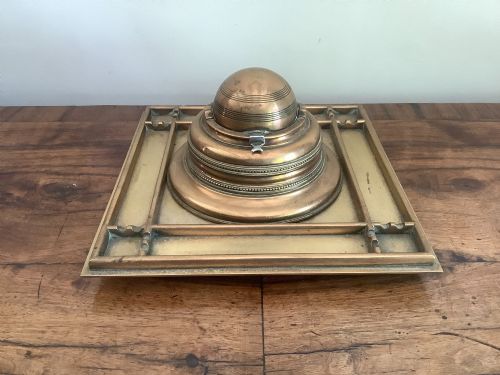
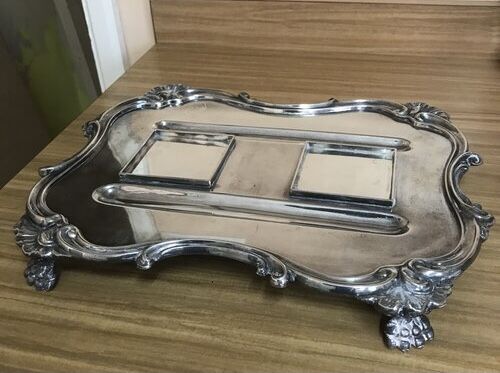
An antique inkwell holder encompasses desk accessories, inkstands, and desk tidies designed to hold writing fluid and pens. You will frequently encounter Victorian and Edwardian brass, silver-plated, and cut glass examples on this page.
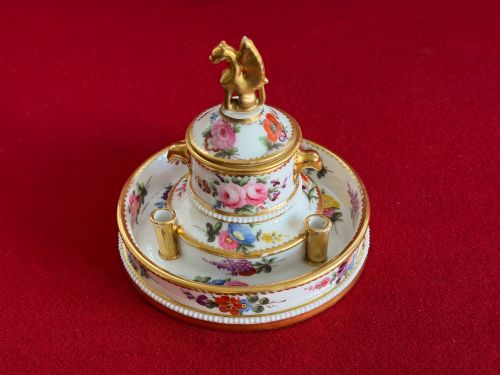
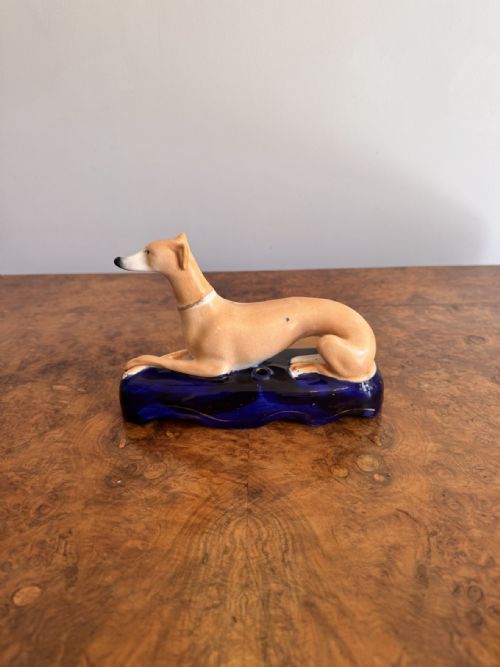
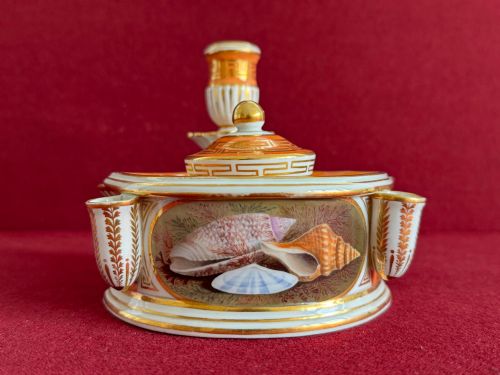
The selection ranges from simple single glass inserts to elaborate desk sets featuring multiple inkwells, pen rests, and candlestands. Pieces originate from periods spanning the nineteenth century into the early twentieth century, reflecting diverse domestic and professional writing habits.
Materials and Construction
Metalworking dominates the evidence, utilising cast and chased brass, gilt bronze, ormolu, and silver plate over base metals. Artisans combined these metals with heavy cut glass, porcelain, and ceramic bodies.
Organic materials also appear frequently, including horn, carved wood from the Black Forest, and mounted antlers. Construction often involves fitted mounts that secure removable glass ink bottles within heavier desk stands.
Antique Inkwell Holder Retail Price Guide 2026
Typical asking prices for inkwell holder among the pieces listed under this phrase on Sellingantiques today, from the lower quarter to the upper quarter. They describe what is for sale here now, not the wider market.
Distinctions in Standard
Quality rests in the crispness of the casting, the weight of the metal, and the integration of secondary materials such as enamel or champleve. Superior examples retain matching original ink bottles and retain fine detail in figural or botanical ornamentation.
Substantial desk sets demonstrate heavier gauge silver plating or solid silver construction with complete hallmarks. Lesser examples show simpler fabrication and may lack original components like matching liners or pen rests.
Flight Barr And Barr·Elkington·Ernest Louis Adnin·Maison F Mack·Martin Hall·Marson And Jones·Spode
The Antique Inkwell Holder Glossary
- Inkstand
- A portable stand or tray fitted with one or more inkwells, and often compartments for sand and pens. These pieces formed the centrepiece of a nineteenth-century writing desk.
- Desk Tidy
- A multipurpose desk accessory designed to hold stationery, letters, and writing implements alongside inkwells. They often incorporate letter racks or small drawers.
- Champleve
- An enamelling technique where recessed areas in a metal surface are filled with vitreous enamel and fired. This method creates colourful decorative patterns on bronze and brass frames.
- Ormolu
- Gilded bronze used extensively for decorative mounts on nineteenth-century desk furniture. The technique involves applying a gold amalgam to a bronze base.
- Standish
- An alternative term for an inkstand or inkwell holder, frequently used in connection with larger desk sets. These metal or wooden trays kept writing tools organised.
Antique Inkwell Holder: Frequently Asked Questions
What is an antique inkwell holder?
An antique inkwell holder is a desk accessory designed to hold writing ink securely while providing a resting place for dip pens. They range from single ceramic pots to elaborate metal and glass desk sets.
These items served a practical daily purpose in homes and offices before the widespread use of fountain pens. Today they function as decorative desktop items or collector pieces.
How do I date an inkstand?
Dating relies on stylistic clues, materials, and any visible hallmarks or maker signatures stamped on the metal. Victorian and Edwardian pieces often display distinct registration marks or silver hallmarks.
Comparing the decorative motifs, such as Art Nouveau curves or Regency classical lines, helps narrow the production period. Original components like cut glass inserts also offer clues to the era of manufacture.
What materials were commonly used?
Maker workshops utilised a wide array of materials including brass, bronze, silver plate, and solid silver. Glass, porcelain, and ceramics provided the functional reservoirs for the ink.
Organic materials such as wood, horn, and antler also appear frequently in desk stands and novelty pieces. Gilt bronze and champleve enamel added decorative colour to the metal frames.
How do I care for my piece?
Maintenance involves gentle cleaning appropriate to the specific material, avoiding harsh chemical polishes that can remove historic patina. Metal components benefit from dusting with a soft, dry cloth.
Glass and porcelain inserts can be washed carefully in warm water if removed from their mounts. Keeping the pieces away from excessive moisture preserves both the metalwork and any wooden or organic elements.