


Antique Inkstand
When you search for an antique inkstand, you seek a desk accessory that brings tactile weight and period presence to a working surface.
Antique Inkstand
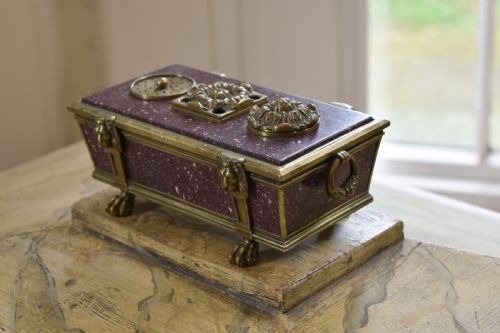
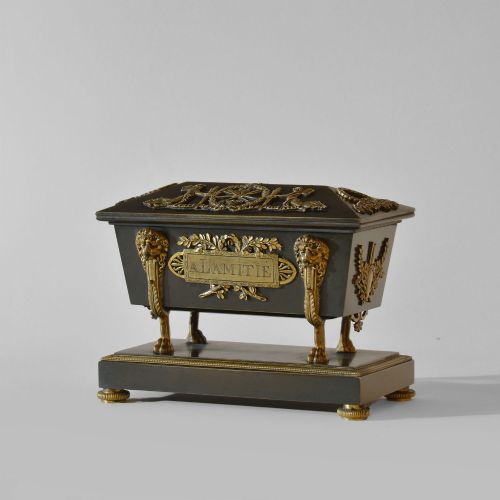
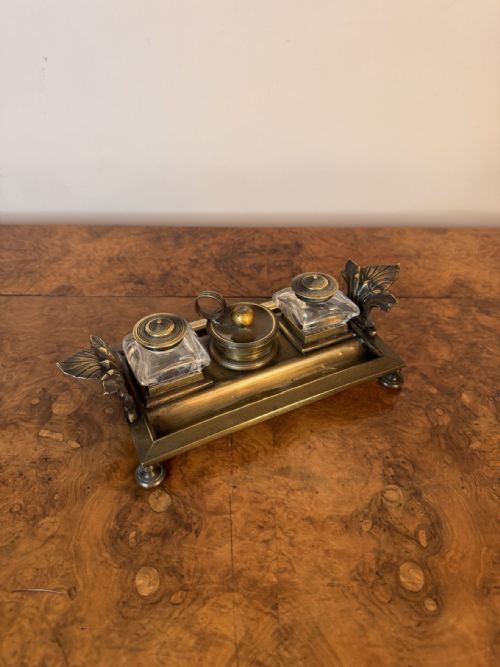
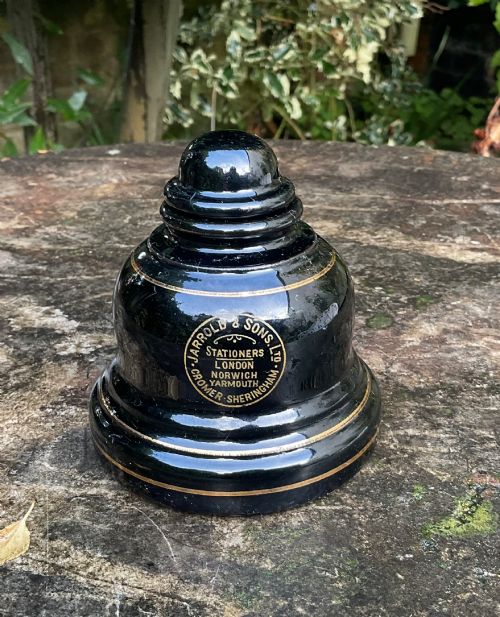
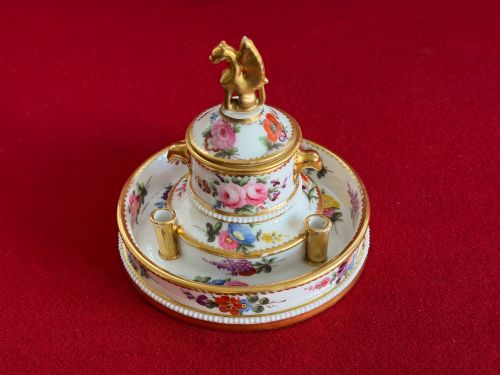
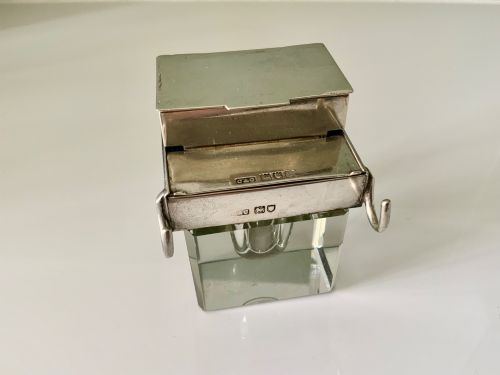
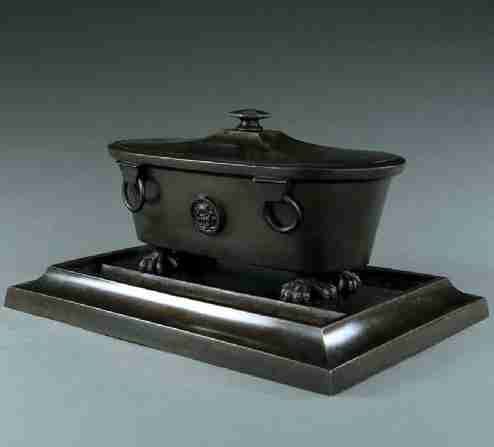
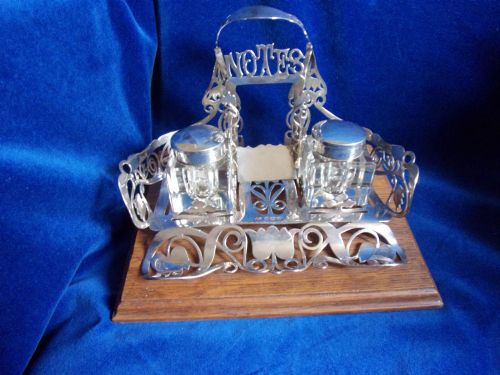
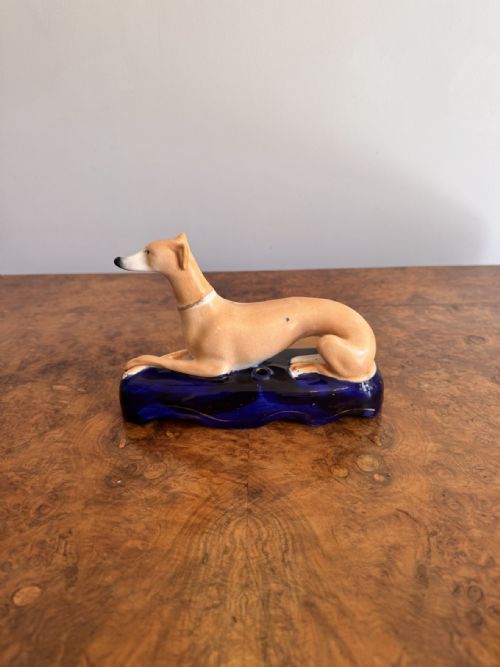
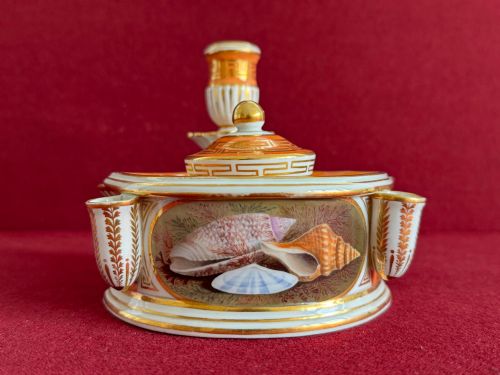
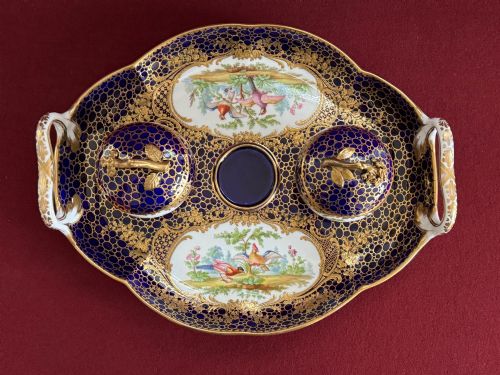
An antique inkstand serves as the central writing accessory for a desk, designed to hold inkwells, pens, and often supplementary items like stamp boxes or tapersticks. The pieces seen here span from the Georgian and Regency periods through the Victorian, Edwardian, and Art Deco eras, reflecting the evolving domestic and professional writing habits of those times.
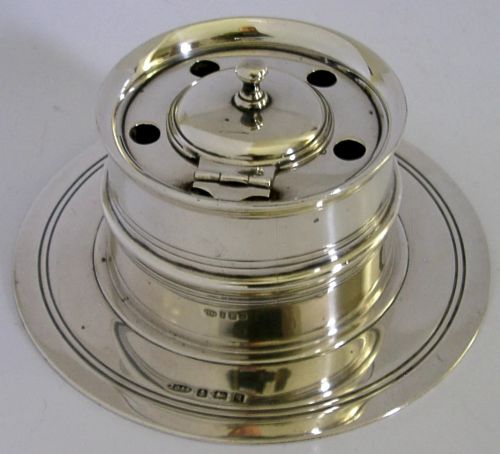
The most common formats on this page range from heavy silver-mounted capstan designs and cut-glass vessels to elaborate wooden trays inlaid with brass or tortoiseshell. Alongside simple single inkwells, buyers frequently encounter larger desk sets incorporating drawers, candlesticks, or matching pen rests.
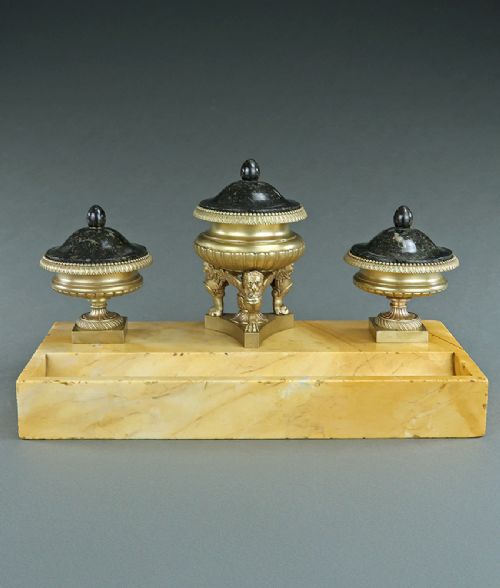
Materials vary widely according to the prevailing taste of each decade, moving from polished brass and carved marble in the nineteenth century to sleek black onyx and enamel in the twentieth. Whether executed in simple oak or ornate ormolu, each piece provides a tangible connection to the era of handwritten correspondence.
How they were made
Metalworking techniques dominate the construction of these items, utilising sterling silver, silver plate, brass, bronze, and pewter shaped through casting, stamping, and detailed hand-chasing. Pieces often combine structural metals with decorative elements such as applied enamel, ormolu mounts, or intricate champlevé work.
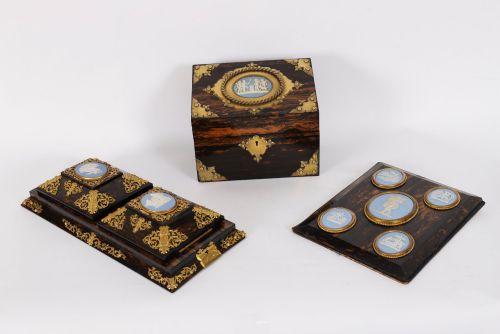
Cabinetmaking skills are equally prominent in wooden examples utilising walnut, coromandel, and mahogany, frequently embellished with boulle work, brass stringing, or mother-of-pearl inlay. Glass and ceramics form the liners and ink vessels themselves, shaped by hand-cutting, moulding, or porcelain manufacture before being fitted into their respective trays.
Antique Inkstand Retail Price Guide 2026
Typical asking prices for inkstand among the pieces listed under this phrase on Sellingantiques today, from the lower quarter to the upper quarter. They describe what is for sale here now, not the wider market.
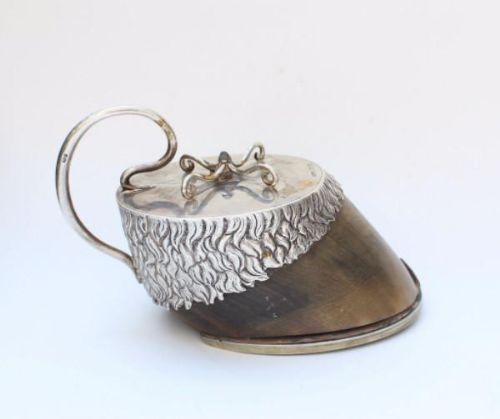
Desk accessories occasionally incorporate taxidermy mounts, including polished horse hooves and carved bears holding ink wells.
What varies in quality
The distinction between standard examples and superior pieces rests on the integrity of the materials and the crispness of the workmanship. Finer items exhibit precise chasing on metal mounts, heavy gauge silver or bronze casting, and well-fitted components such as drawers that slide smoothly and hinged lids that close flush.
Artistic collaboration and the integration of specialised decorative elements elevate certain pieces above routine production. The inclusion of signed components, Ruskin cabochons, fine porcelain panels, or complex mechanism work demonstrates the elevated skill of the maker and the workshop.
Edmé Samson·Archibald Knox Liberty·William Hutton·Wilkinson And Co·Walker And Hall·Henry Matthews·Carrington·Martin Hall And Co·Asprey·Peter Henderson Deere
The Antique Inkstand Glossary
- Capstan inkwell
- A desk accessory shaped like a nautical capstan, featuring a wide circular base tapering upwards to a hinged lid. This form proved popular during the Edwardian period and is frequently rendered in sterling silver or tortoiseshell.
- Standish
- A comprehensive desk stand designed to hold multiple writing implements, ink vessels, and sanders. These larger portable writing trays often incorporate compartments for wafers and sealing wax.
- Boulle work
- A decorative technique utilising inlaid tortoiseshell and brass or pewter in ornate arabesque patterns. Originating in seventeenth-century France, it reappeared on nineteenth-century luxury desk sets.
- Encrier
- A French term for an inkstand or inkwell. These pieces often feature gilt bronze or ormolu mounts combined with marble or porcelain bases.
- Taperstick
- A small candlestick designed to melt sealing wax rather than illuminate a room. They are occasionally integrated directly into Victorian inkstands alongside the ink vessels.
Antique Inkstand: Frequently Asked Questions
What is the difference between an inkwell and an inkstand?
An inkwell is simply the small container that holds the liquid ink, usually fitted with a protective lid.
An inkstand is the larger tray or chassis that holds one or more inkwells along with space for pens and accessories.
How were nineteenth-century inkstands used?
They served as the permanent or semi-portable desk furniture for writing letters, signing documents, and managing correspondence.
Users dipped quill or steel-nib pens into the central well before writing on paper stored nearby on the desk.
How do I care for a metal and glass inkstand?
Keep metal surfaces clean using appropriate, gentle polishing methods suitable for silver, brass, or bronze without abrasive cleaners.
Remove glass inserts carefully for washing to prevent moisture from damaging surrounding wooden bases or fabric linings.