




Antique Indian Low Table
An antique indian low table brings rich carved timber and patinated metal into a room, offering a grounded surface for daily life.
Antique Indian Low Table
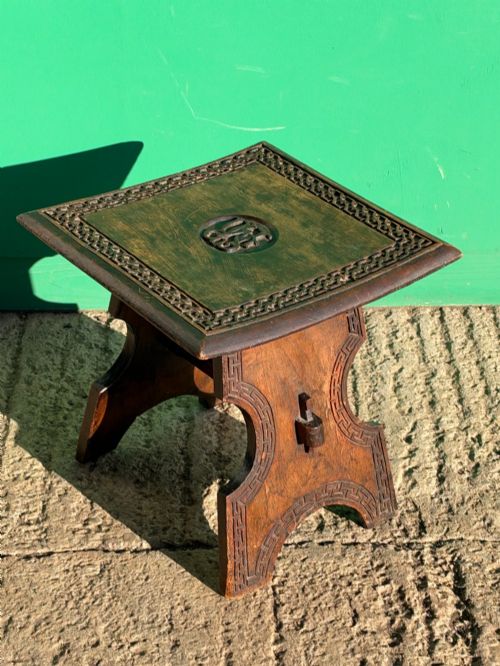
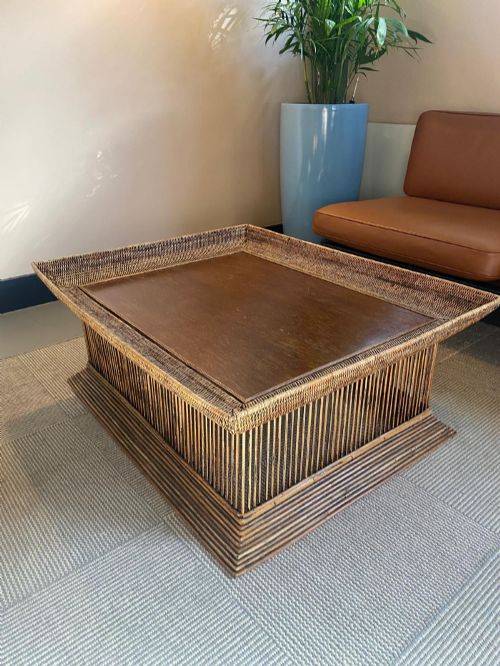
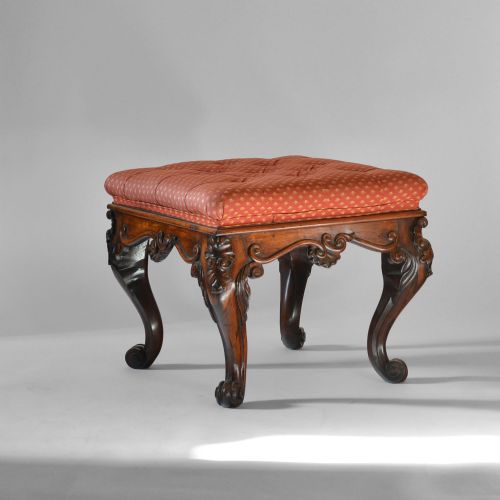
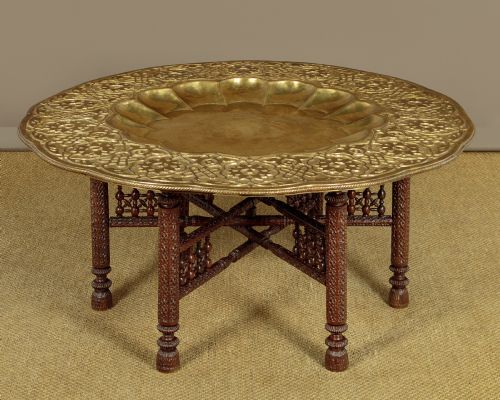
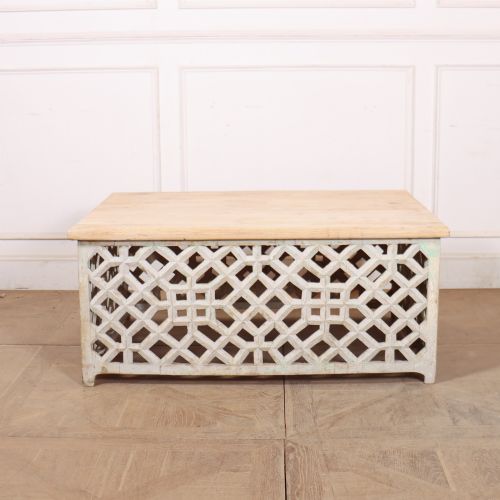
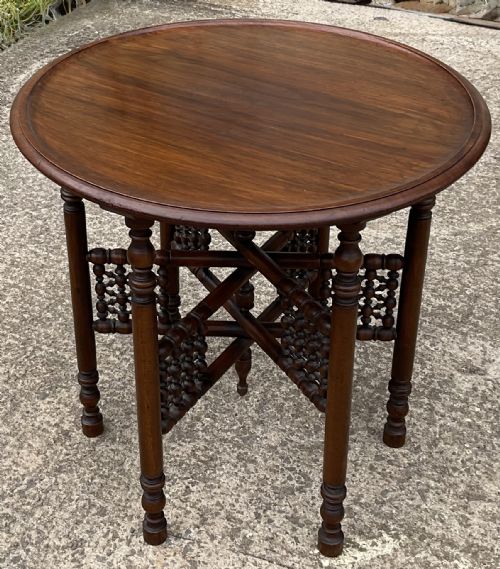
Every antique indian low table on this page is a piece of furniture designed for sitting low, often adapted from traditional domestic seating or low platform beds. These low forms function primarily as coffee tables, centre tables, and occasional tables within contemporary spaces. The selection includes sturdy takhat frames alongside carved wooden stools and low brass-topped tables.
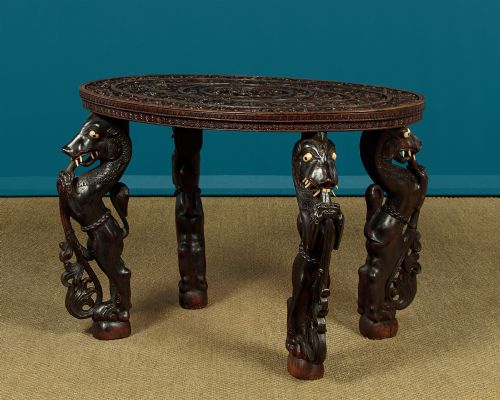
The periods represented span the nineteenth century through to the early twentieth century, taking in Georgian influences, Anglo-Indian interpretations, and Kashmiri or Persian decorative traditions. Buyers will frequently encounter round brass-topped tables, carved elephant tables, and low rectangular coffee tables with deep borders. Each piece reflects the functional traditions of its region of origin, repurposed for modern interiors.
Materials and construction
Construction relies upon dense timbers such as teak, rosewood, and general hardwoods, providing the structural foundation for intricate surface work. Artisans joined these timbers using traditional joinery, often leaving the natural grain visible beneath historic finishes or traces of paint.
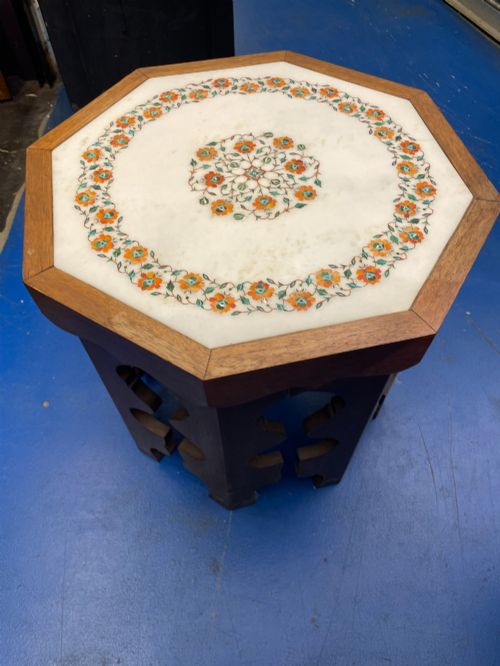
Metalwork and decorative inlays define many surfaces, utilising beaten brass and copper sheets alongside bone inlay and fabric elements. Brass tops are frequently hand-engraved with zodiac motifs, foliate patterns, or figurative scenes, then secured to wooden bases.
Antique Indian Low Table Retail Price Guide 2026
Typical asking prices for indian low table among the pieces listed under this phrase on Sellingantiques today, from the lower quarter to the upper quarter. They describe what is for sale here now, not the wider market.
A brass top engraved with signs of the zodiac ensures your morning coffee rests upon the entire cosmos.
Judging the work
Quality rests upon the depth and crispness of the hand-carving and the thickness of the timber used in the frame. Superior examples display sharply defined relief work on the wood and securely fitted metal tops without excessive modern reinforcement.
The integrity of the surface patination and the harmony between the base and the top distinguish finer pieces. Pieces retaining their original structural joinery and authentic surface wear command greater appreciation from collectors.
The Antique Indian Low Table Glossary
- Takhat
- A low wooden platform or seat traditionally used for sitting or sleeping in South Asian homes, often featuring carved panels and heavy turned legs. These low platforms are frequently adapted into coffee tables.
- Anglo-Indian
- A style of furniture produced during the British period in India, combining traditional local craftsmanship and native timbers with European furniture forms. These pieces often merge British utility with intricate Indian carving.
- Kashmiri
- Pertaining to the craftsmanship of the Kashmir region, noted for elaborate surface decoration, painted floral designs, and detailed woodwork. Such items display distinct regional motifs.
- Patina
- The surface sheen and colour acquired by wood and metal through age, handling, and use over many decades. A good patina indicates genuine historic character.
Antique Indian Low Table: Frequently Asked Questions
How were these tables originally used?
Many of these low pieces originated as platforms for seating, dining, or resting in domestic interiors where people sat closer to the floor. They served central functions in daily household life before being adapted for use as low coffee tables.
Over time, traditional forms like the takhat or low stool transitioned into formal reception spaces as trade and cross-cultural design exchanges grew during the nineteenth century.
How do I care for a brass top?
Brass tops require gentle dusting with a soft cloth to protect the engraved details and the underlying patination from aggressive cleaning agents. Avoiding harsh polishes preserves the historic oxidation that develops on the metal over generations.
Applying a light, neutral wax to the wooden base helps nourish the hardwood without affecting any painted or inlaid elements.
Are these pieces suitable for everyday use?
These tables adapt readily to modern living rooms, functioning effectively as sturdy coffee tables or low occasional surfaces. Their solid hardwood construction provides the durability needed for daily domestic placement.
Placing felt pads beneath the feet protects delicate flooring, while coasters help shield historic wood and metal finishes from moisture.
How do I identify a 19th-century piece?
Nineteenth-century examples typically display hand-cut joinery, dense native timbers like rosewood or teak, and tool marks left by traditional hand-carving methods. The weight of the timber and the depth of the hand-beaten brass offer clues to their age.
Wear patterns around the edges and feet also point to long periods of domestic use prior to reaching the modern market.