
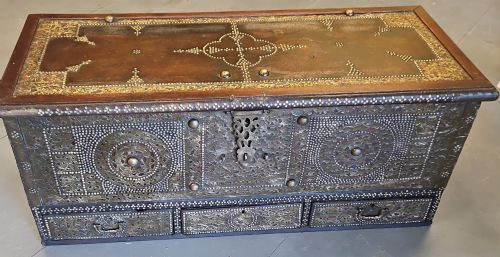
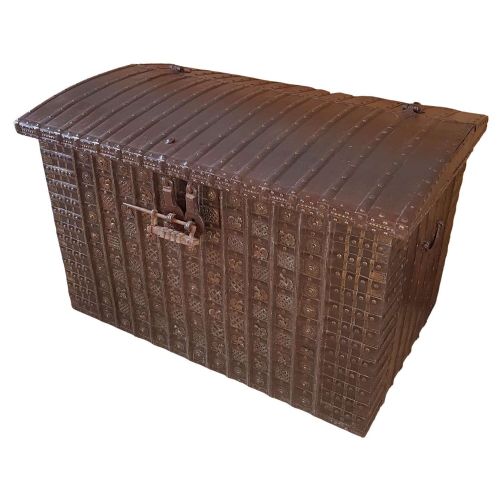


Antique Indian Carved Trunk
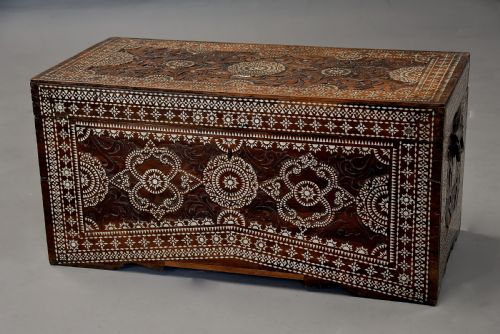
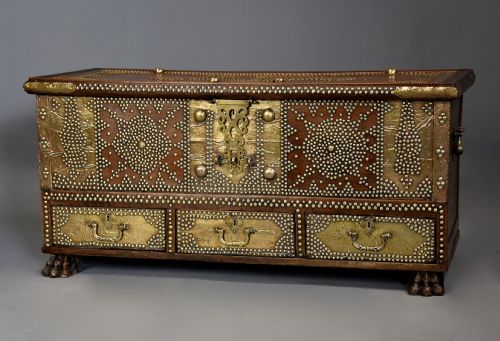
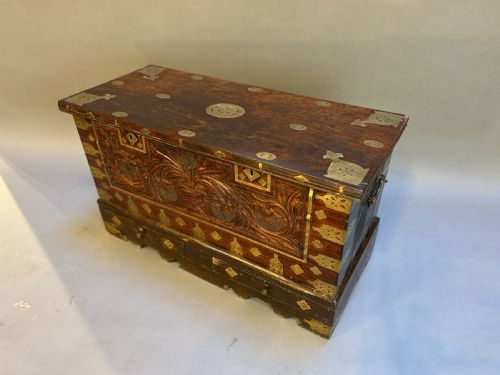
An antique indian carved trunk brings dense hardwood and intricate brass work straight into a room, serving as both storage and a heavy centrepiece.
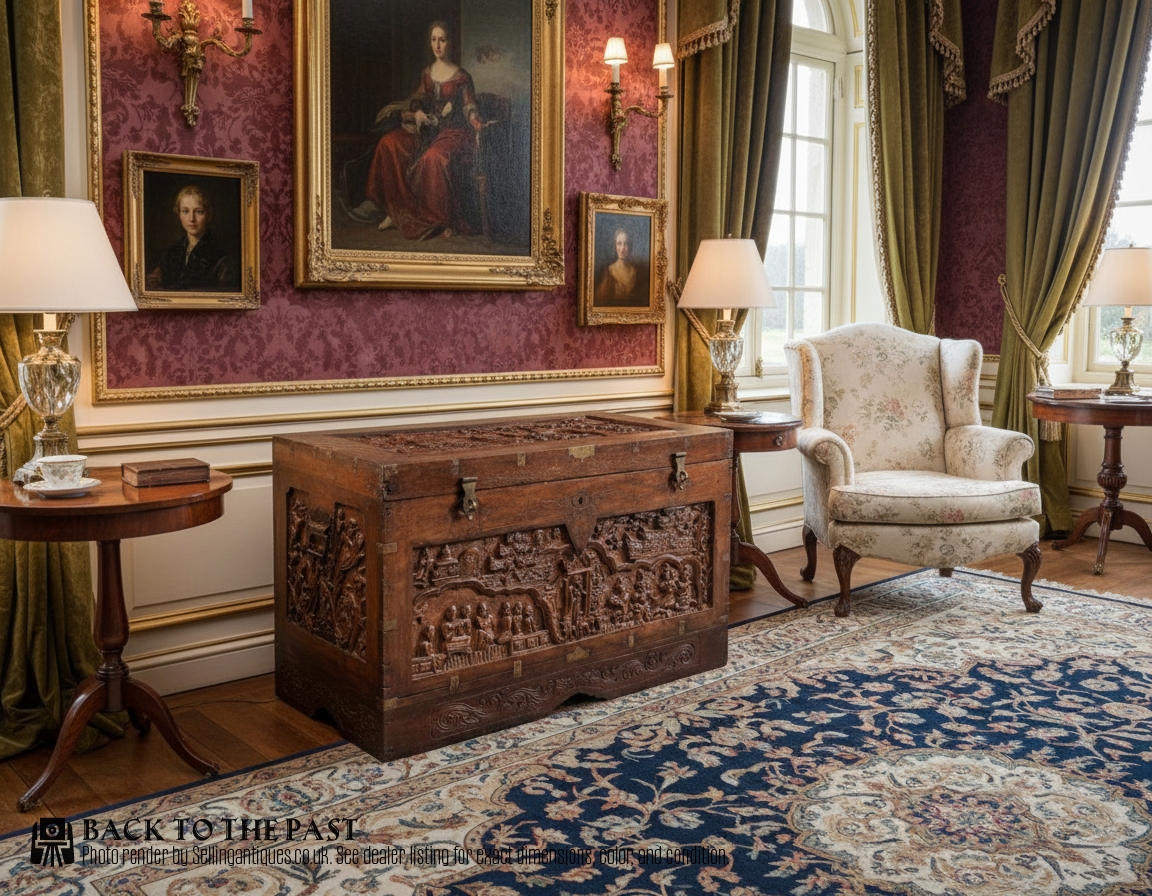
Antique Indian Carved Trunk
When you search for an antique indian carved trunk, you encounter robust storage pieces created across the nineteenth and early twentieth centuries. These boxes served traditional domestic functions, including dowry and marriage chests used to transport household goods and valuables.
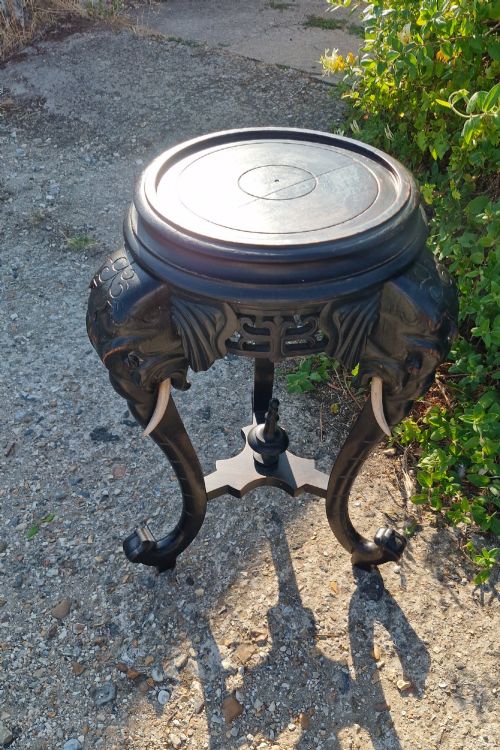
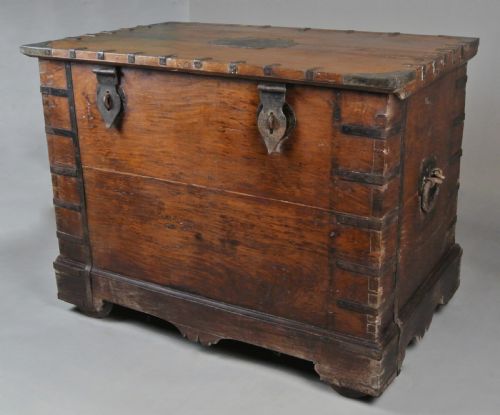
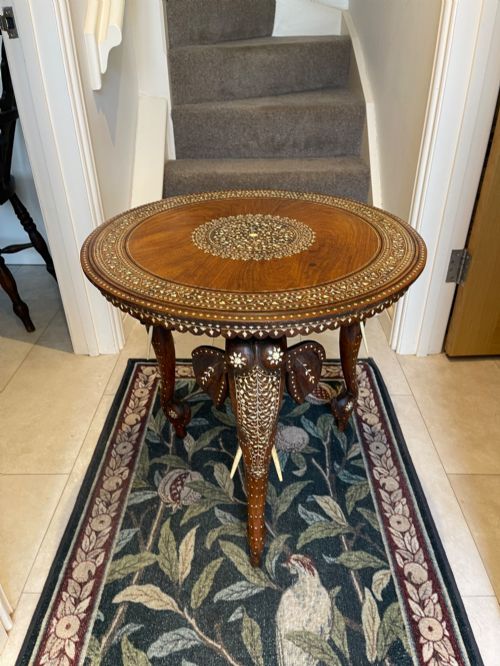
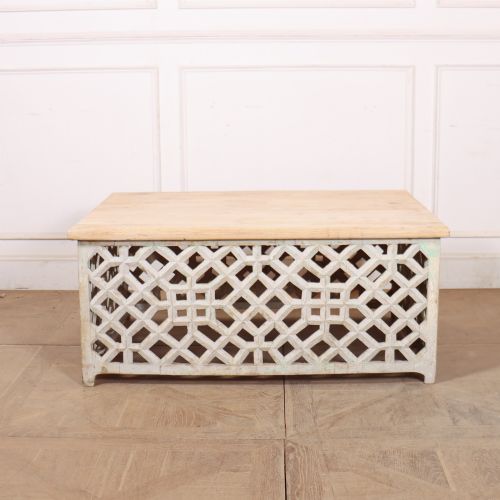
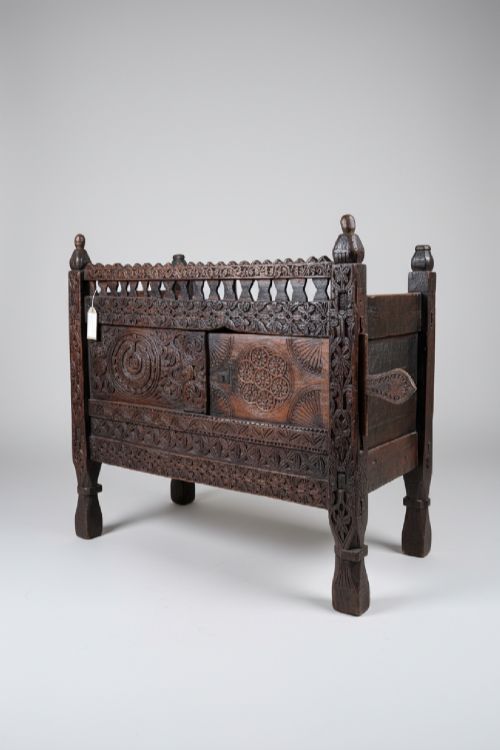
The selections on this page span various regional aesthetics, encompassing Anglo-Indian Colonial designs alongside pieces from Rajasthan, Jaisalmer, and the Swat Valley. Forms range from heavy iron-bound coffers and Zanzibar chests to blanket boxes and occasional tables shaped like elephants.
Most examples date from the nineteenth century, including Victorian periods, though early twentieth-century interpretations also appear. They utilise dense timbers and regional craftsmanship tailored for both local use and colonial export.
Materials and construction
Construction relies heavily on durable tropical timbers such as teak, rosewood, hardwood, padouk, and satinwood, frequently paired with secondary woods. These timbers provide the structural integrity required for large storage coffers and heavy chests.
Metalwork forms an integral part of the manufacturing process, utilising iron banding, brass studs, and specialised locks to secure the heavy lids and corners. Inlay work involving mother of pearl or bone further enhances specific regional styles.
Surface treatments vary from plain polished hardwood to lacquered finishes and intricate hand-carved detailing executed by regional artisans. Structural joins are typically pinned or pegged to accommodate the movement of dense timber.
Periods represented span the Georgian era, Victorian times, and the early twentieth century up to the 1920s.
Quality variations
The standard of an antique indian carved trunk depends heavily on the crispness and depth of the timber carving and the integrity of the original construction. Pieces featuring elaborate surface carving or comprehensive brass studding generally represent higher levels of artisan effort.
The choice of primary timber influences the piece, with dense rosewood, satinwood, and heavy teak marking out superior examples compared to softer utility woods. Original metal fittings, intact brass banding, and working locks elevate the status of a chest significantly.
Provenance and regional specificities also define the hierarchy, where documented stylistic traits from centres like Zanzibar, Bombay, or Rajasthan dictate collector interest. The retention of original surface patination and authentic lacquered or painted finishes remains crucial.
The Antique Indian Carved Trunk Glossary
- Zanzibar chest
- A heavy hardwood storage trunk featuring brass studding, strapwork, and decorative fittings, often associated with trade routes connecting India and the East African coast.
- Dowry chest
- A traditional marriage container utilised to hold textiles, valuables, and household items for a bride, typically characterised by robust construction and decorative iron bands.
- Damchiya
- A traditional low storage chest or cabinet from Rajasthan, often incorporating carved panels, mirrored glass, and intricate locking mechanisms.
- Anglo-Indian
- A descriptive term for furniture made in India by local craftsmen using traditional methods, styled to suit British colonial tastes and domestic requirements.
- Coffer
- A sturdy wooden chest traditionally used for holding valuables, distinguished by a heavy lid and robust iron or brass reinforcements.
Antique Indian Carved Trunk: Frequently Asked Questions
What is a Zanzibar chest?
A Zanzibar chest is a robust storage trunk defined by its heavy timber construction, brass strapwork, and decorative studding. These pieces reflect historical maritime trade between India and East Africa.
They were built to endure long journeys and served as secure containers for valuable personal possessions and trading goods.
How were dowry chests used?
Dowry chests functioned as essential household containers holding textiles, garments, and valuables intended for a newly married couple. Families invested in durable timbers and decorative metalwork to showcase their social standing.
In daily domestic life, these large trunks also doubled as seating benches or heavy storage tables inside the home.
Which woods are most common?
Teak and general hardwoods form the primary material foundation for the majority of these storage trunks and coffers. Artisans also utilised rosewood, satinwood, and padouk depending on regional availability and the desired finish.
Secondary structural woods are occasionally found on internal framing and partitions while exterior display surfaces showcase the denser timbers.
How do I date an antique trunk?
Dating relies on examining construction techniques, timber patination, regional style indicators, and associated metal hardware. Nineteenth-century examples often feature hand-forged iron bindings, pegged joinery, and traditional regional carving styles.
Later pieces from the early twentieth century may incorporate machine-sawn elements or modified hardware while retaining traditional forms like elephant tables and blanket boxes.