



Antique Indian Brass Chest
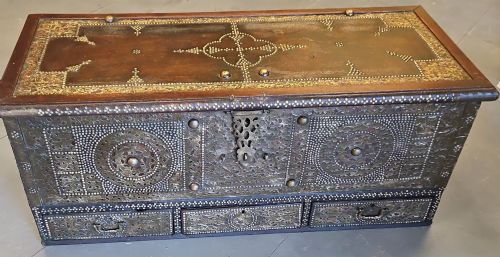
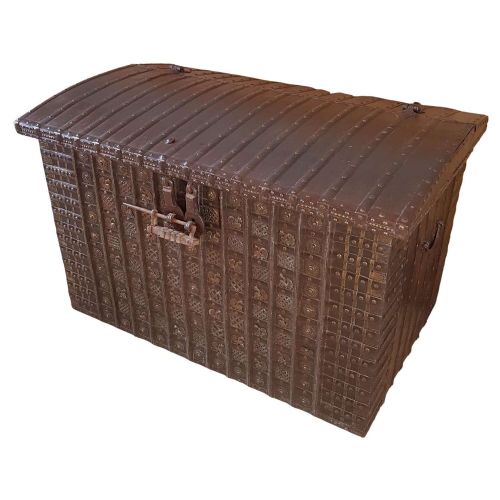
An antique indian brass chest brings heavy hardwood, gleaming metal corners, and distant trade routes straight into a modern hallway.
Antique Indian Brass Chest
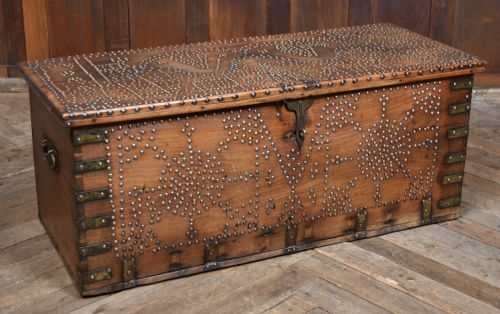
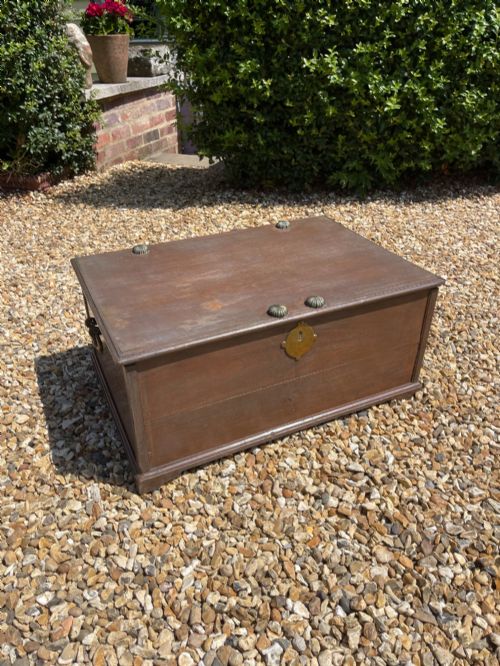
An antique indian brass chest encompasses sturdy trunks, blanket boxes, cellarettes, and modular campaign furniture designed for travel and domestic storage. These storage pieces originate mainly from the nineteenth century, including Victorian periods, alongside Anglo-Indian and colonial workshops.
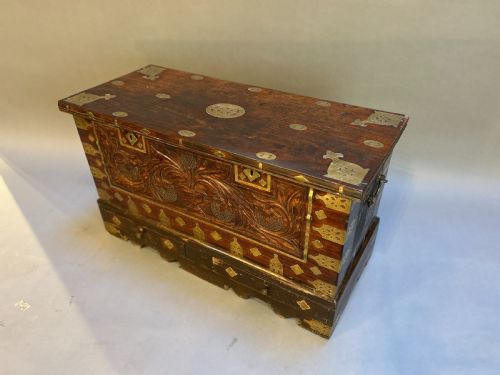
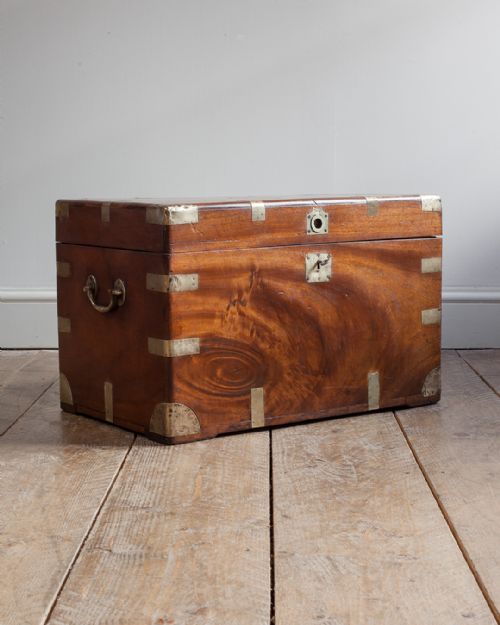
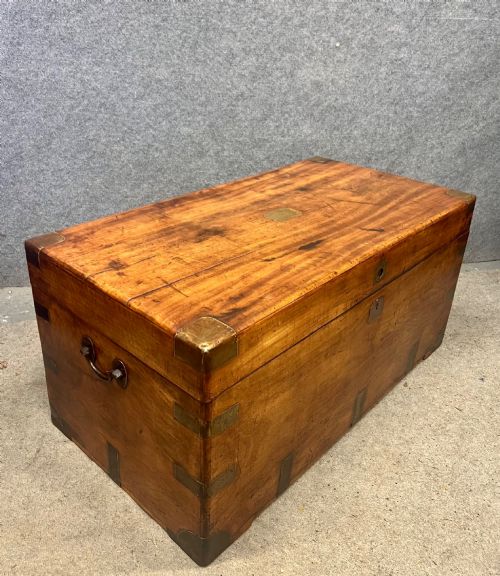
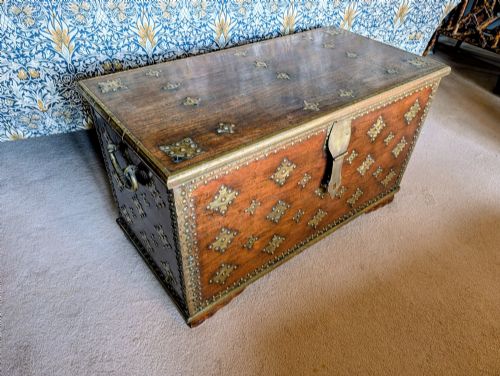
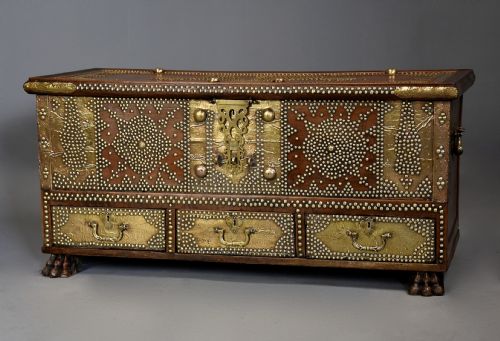
Buyers frequently encounter teak, padouk, and camphor wood bodies reinforced with heavy brass straps, corner brackets, and decorative studwork. Many surviving examples reflect military campaign styles or maritime trade routes linking Britain with the Indian subcontinent and Zanzibar.
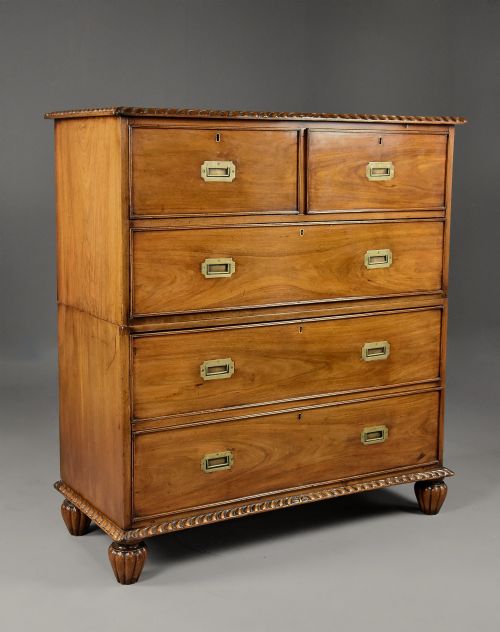
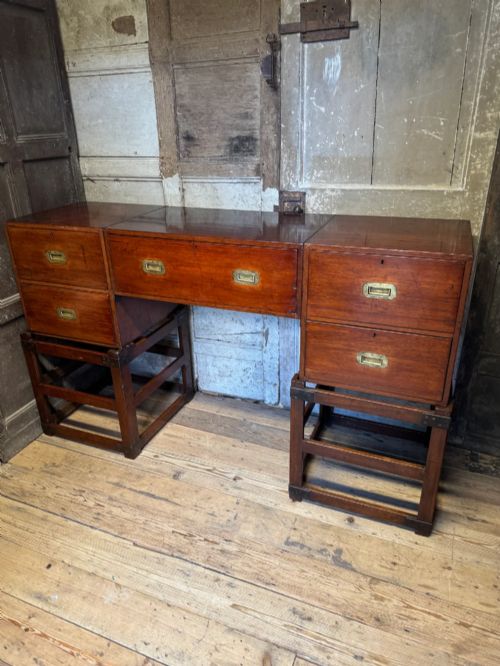
Forms range from simple lidded storage trunks and dowry chests to sophisticated two-piece secretaire chests of drawers fitted with recessed brass handles.
Materials and construction
Craftsmen built these pieces using dense tropical hardwoods such as teak, padouk, camphor wood, and rosewood, selected for their durability in humid climates. Camphor wood and sandalwood offered the practical benefit of natural insect resistance for stored textiles.
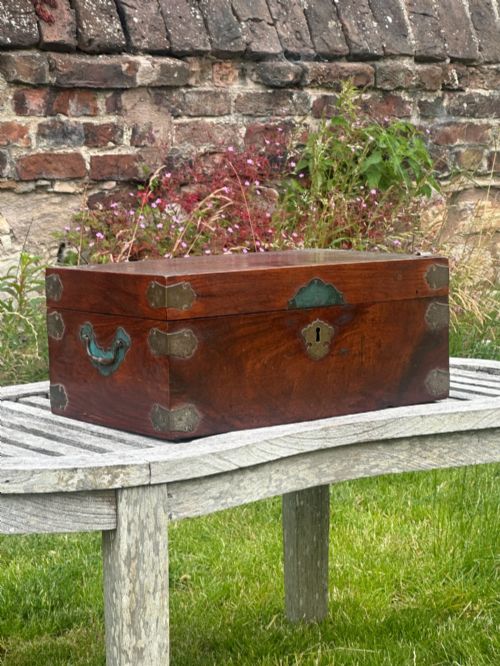
Sheet brass and iron bands, straps, and corner brackets were hand-cut and pinned to the timber frames with numerous small tacks or studs to protect edges during transit. Flush-fitting recessed brass handles and lock plates allowed modular sections to pack tightly without protruding ironmongery.
Antique Indian Brass Chest Retail Price Guide 2026
Typical asking prices for indian brass chest among the pieces listed under this phrase on Sellingantiques today, from the lower quarter to the upper quarter. They describe what is for sale here now, not the wider market.
Listings feature nineteenth-century and Victorian pieces built from teak, padouk, camphor wood, and rosewood, incorporating iron and brass hardware.
Distinctions in quality
Quality rests upon the selection of primary timbers, the weight of the brass mounts, and the precision of the joinery. Superior examples utilise dense, richly figured padouk or teak rather than plain secondary woods, paired with heavy, deeply engraved brass strapping.
The complexity of the interior arrangement also separates standard trunks from elite officer pieces, particularly where hidden drawers, secretaire compartments, and intact original brass locks survive.
The Antique Indian Brass Chest Glossary
- Campaign chest
- A modular chest of drawers built in two or more sections with recessed brass handles and corner brackets designed for easy military transport.
- Zanzibar chest
- A heavy hardwood storage chest featuring distinctive brass studwork, strapped corners, and central compartment drawers, linked to East African and Indian trade.
- Cellarette
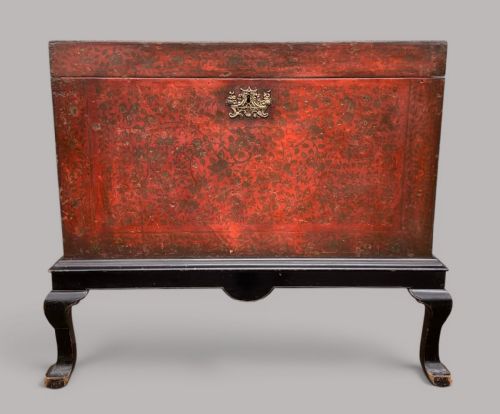
- A fitted wine or bottle chest, often standing on a dedicated wooden frame or legs, lined or partitioned for secure storage.
- Padouk
- A heavy, durable reddish-brown tropical hardwood favoured by colonial cabinetmakers for high-status furniture and boxes.
- Secretaire
- A cabinet or chest featuring a pull-out writing drawer fitted with small interior compartments and pigeonholes.
Antique Indian Brass Chest: Frequently Asked Questions
How were these chests used originally?
Officers and merchants utilised these robust trunks to transport uniforms, documents, and personal valuables across long land and sea journeys. The heavy brass reinforcement protected the timber from rough handling during transit.
At home, they served as secure storage for blankets, silver, and correspondence, doubling as occasional tables or serving surfaces within colonial quarters.
How do I clean a brass chest?
Dust the hardwood surfaces regularly with a dry cloth and occasionally feed the timber with appropriate natural waxes to maintain the grain. Avoid modern chemical polishes on the wood.
Keep brass mounts clean using a soft cloth without harsh abrasives. Leaving a gentle patina on the metal preserves the historical character of the piece.
Can I use camphor chests for clothes?
Camphor wood and sandalwood chests naturally repel moths and insects due to their strong aromatic oils. This makes them ideal for storing woollens, blankets, and seasonal garments safely.
Ensure items are thoroughly clean before storing them inside, as the natural fragrance will permeate the textiles over time.
How do I tell campaign chests apart?
Military campaign chests typically divide into two stacked sections fitted with corner brass brackets and flush pull handles. Simpler storage trunks feature hinged lids rather than drawers and often display elaborate brass strapwork across the front.
Look for interior fittings like writing slides or secret drawers to distinguish officer-grade furniture from standard merchant trunks.