





Nineteenth Century Indian Furniture
Nineteenth century indian furniture brings dense tropical timbers and intricate carving into British rooms, offering robust utility paired with striking regional craftsmanship.
Nineteenth Century Indian Furniture
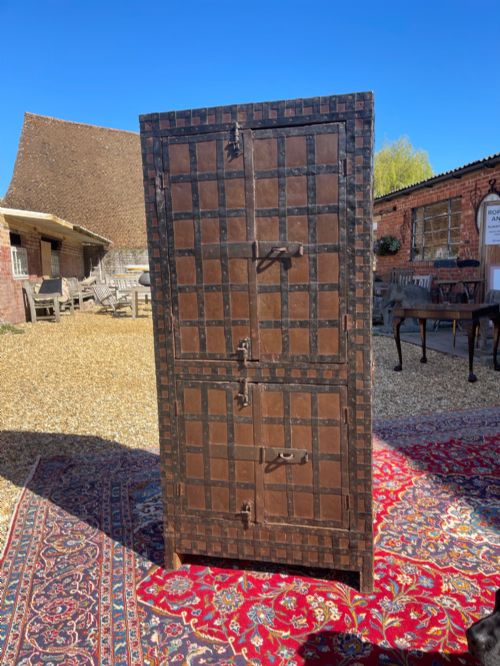
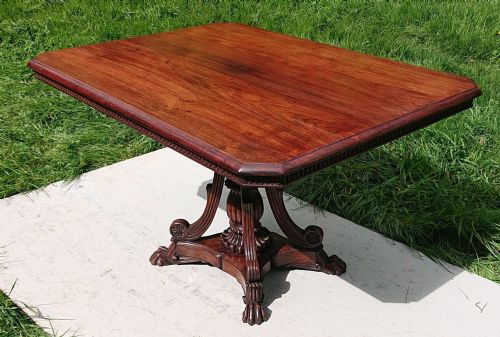
Nineteenth century indian furniture encompasses a diverse array of imported and colonial items designed for domestic use during the Victorian era. Buyers searching for nineteenth century indian furniture encounter heavy sideboards, tables, campaign chests, and seating originating from various regions and colonial outposts.
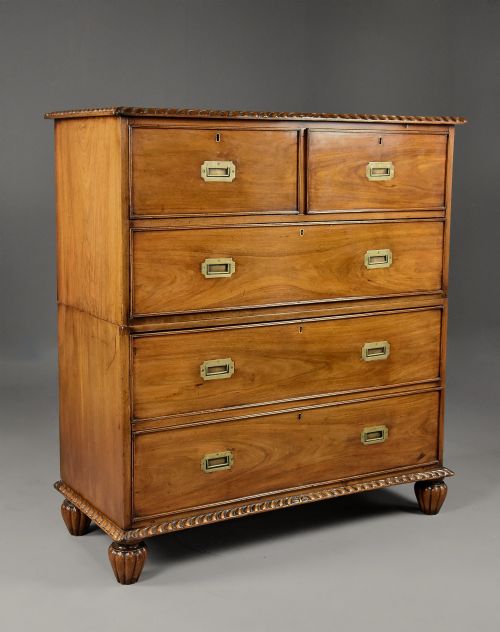
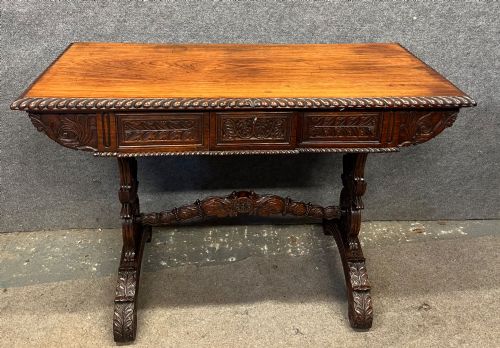
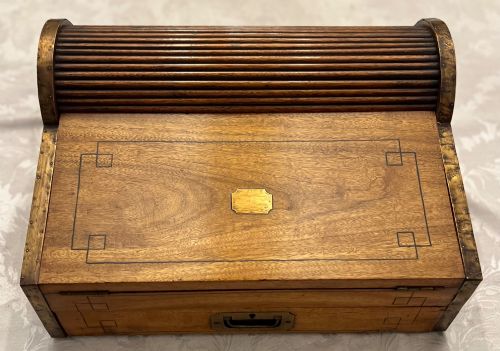
The selection ranges from campaign trunks and military chests to ornate side tables, cabinets, and daybeds. Anglo-Indian and Burmese pieces dominate the assortment, often displaying intricate carved decoration across dense tropical hardwoods.
How they were made
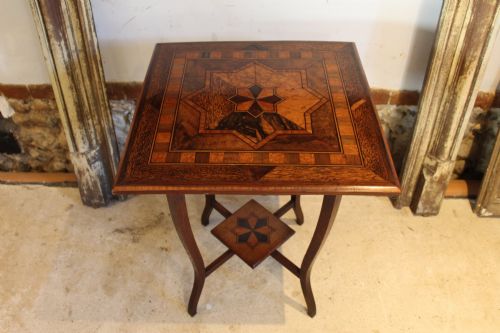
Workshops utilised dense timbers such as padauk, teak, rosewood, and hardwood, selected for their durability in tropical climates. These woods were frequently paired with brass binding, glass inserts, and complex specimen wood marquetry.
Construction techniques combined traditional native joinery with British furniture forms to withstand long transport. Skilled carvers applied deep relief work, turning solid timber into intricate tables, cabinets, and seating frames.
Nineteenth Century Indian Furniture Retail Price Guide 2026
Typical asking prices for nineteenth century indian furniture among the pieces listed under this phrase on Sellingantiques today, from the lower quarter to the upper quarter. They describe what is for sale here now, not the wider market.
Several tables take the form of carved camels, bringing unexpected animal figures directly into nineteenth-century parlours.
What varies in quality
The standard of execution depends on the depth and crispness of the carved detail across the timber surface. Finer examples display meticulous control over dense padauk or teak, while simpler items rely on plain surfaces with minimal brass hardware.
Design ambition also divides the selection, ranging from straightforward campaign chests built for transport to highly ornate console tables and sideboards featuring elaborate architectural motifs.
The Nineteenth Century Indian Furniture Glossary
- Campaign chest
- A modular chest of drawers built in two or more sections with recessed brass handles for military transport.
- Padauk
- A heavy, reddish-brown tropical hardwood favoured by makers for its strength and rich grain.
- Marquetry
- The art of applying small pieces of veneered wood to form decorative patterns and pictorial designs.
- Hoshiarpur
- A North Indian centre known for intricate woodwork involving delicate inlay and carving techniques.
Nineteenth Century Indian Furniture: Frequently Asked Questions
What is Anglo-Indian furniture?
Anglo-Indian furniture describes pieces made in India by native craftsmen using British forms or produced for the British colonial market.
These items blend traditional local carving skills with European furniture typologies such as sideboards, campaign chests, and bookcases.
How do I care for padauk furniture?
Padauk and other dense tropical hardwoods require minimal maintenance beyond regular dusting with a soft, dry cloth.
Keep these pieces away from direct heat sources and strong sunlight to prevent the timber from drying out or splitting.
Where were these pieces made?
Items originate from various regions across the Indian subcontinent and neighbouring territories under British influence during the Victorian period.
Production centres included Ceylon, Burma, and specific northern districts renowned for specialised woodworking traditions.
Are campaign chests sturdy?
Campaign chests were specifically engineered for military officers on the move, utilising robust timbers and reinforced corners.
Their sectional construction and brass binding provide exceptional structural stability for daily household use.