
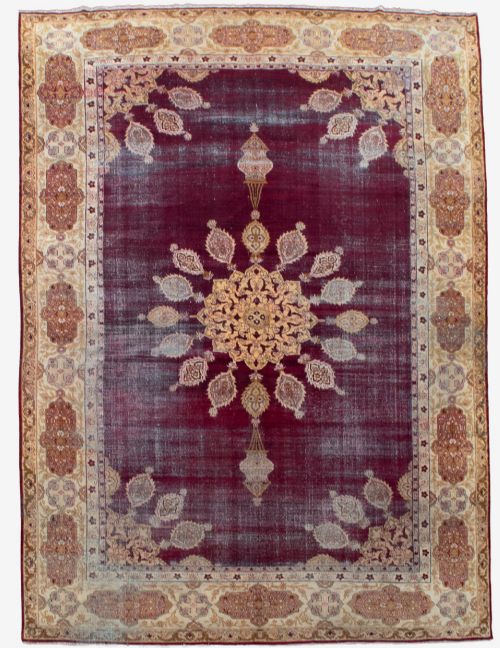
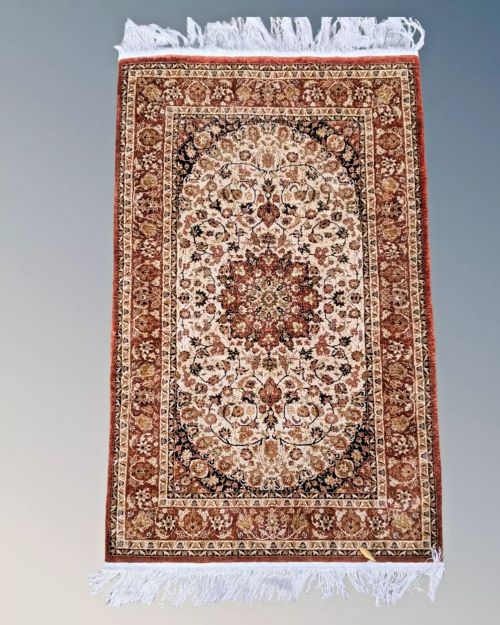
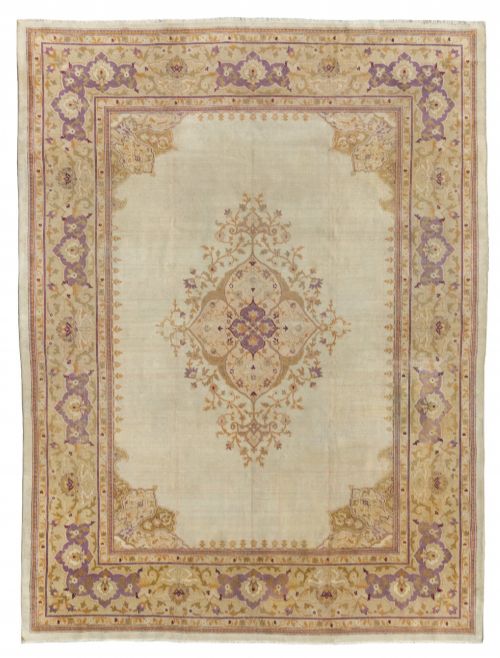


Antique Indian Area Rug
An antique indian area rug brings centuries of weaving heritage into a room, offering rich historical depth and traditional craftsmanship.
Antique Indian Area Rug
When you search for an antique indian area rug, you encounter floor coverings that span from the eighteenth century through to the early twentieth century. These textiles encompass various regional styles including Amritsar, Agra, and Kashmir productions.
The selections on this page feature large country house carpets alongside smaller area rugs and fragments. Pieces range from traditional Indian designs to Indo-Persian and Mughal influences.
Buyers will find constructions utilising wool and cotton, reflecting the diverse manufacturing traditions of Northern India. Dating spans specific years like 1860, 1870, 1880, 1890, and 1930 alongside broader century designations.
What varies in quality
The sophistication of the design execution separates different examples, ranging from formal Mughal patterns to simpler country house carpets. Finer knot density and precise execution of motifs like the Timuri Baluch design elevate certain pieces.
Condition and completeness also vary, with intact large carpets contrasting against fragments such as Mughal carpet portions. The richness and preservation of the materials dictate the overall character of each textile.
Listings feature wool and cotton materials across periods spanning the eighteenth, nineteenth, and twentieth centuries, including specific dates from 1860 to 1930.
The Antique Indian Area Rug Glossary
- Agra
- A city in Northern India known for producing large carpets and rugs during the nineteenth century. These pieces often feature traditional and Persian-inspired layouts.
- Amritsar
- A major production centre in Northern India famous for large country house carpets dating from the late nineteenth century. These rugs typically display soft colour palettes and expansive fields.
- Dhurrie
- A traditional flatwoven rug or carpet made from cotton without a pile. These pieces offer a lighter alternative to knotted wool carpets.
- Chain stitch
- An embroidery technique utilised in Kashmiri rug production where looped stitches form continuous decorative lines. This method creates distinctive textured surfaces.
- Mughal
- A historic style originating from the Mughal Empire influencing Indian carpet design with intricate floral and geometric motifs. Eighteenth-century fragments often preserve these classical elements.
Antique Indian Area Rug: Frequently Asked Questions
How do I date an antique indian area rug?
Dating relies on stylistic evidence, material analysis, and recorded production periods spanning the eighteenth, nineteenth, and early twentieth centuries. Comparing design motifs to documented examples helps establish the approximate decade of origin.
Specific markers include structural techniques and regional weaving traits associated with centres like Agra and Amritsar.
Where were these rugs made?
These textiles originated in various weaving centres across Northern India, including Kashmir, Agra, and Amritsar. Each region developed distinct aesthetic traditions influenced by local craftsmanship and historical design styles.
Production methods ranged from urban manufactories creating large carpets to regional workshops producing flatwoven cotton dhurries.
What materials are used in these rugs?
The primary materials found in these pieces are wool and cotton. Wool was predominantly utilised for the pile of knotted carpets, providing warmth and durability.
Cotton served as foundation threading for knotted rugs and as the primary medium for flatwoven dhurries.
How do I care for an antique rug?
Regular gentle vacuuming without a rotating brush prevents dust accumulation within the wool or cotton fibres. Professional cleaning suited to antique textiles maintains the integrity of the weave.
Placing rugs away from direct sunlight protects natural dyes from fading over time.