


Traditional Indian Carpet
A traditional indian carpet brings rich floral motifs and deep wool pile into a room, offering centuries of regional weaving expertise for the floor.
Traditional Indian Carpet
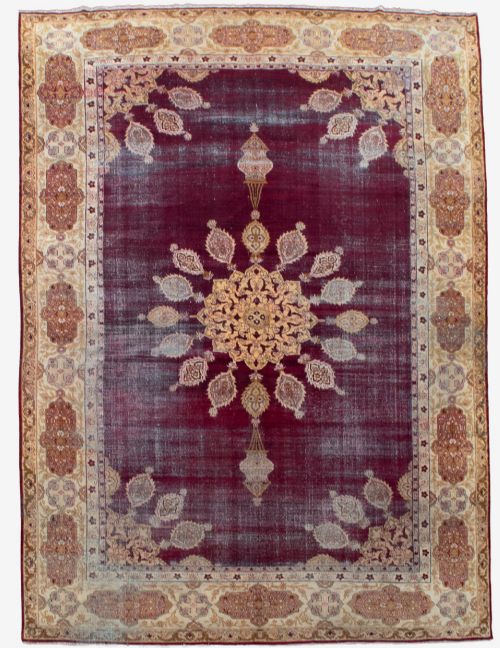
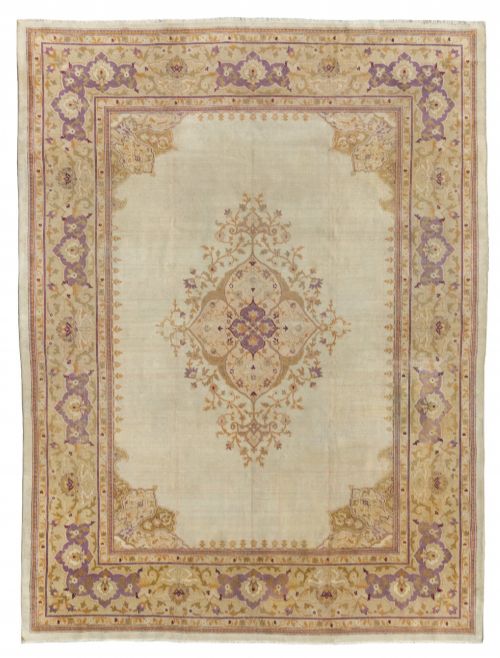
A traditional indian carpet encompasses large room-sized floor coverings alongside smaller rugs and textile wall hangings, originating from workshops across the subcontinent. Buyers seeking a traditional indian carpet will most frequently encounter nineteenth-century room-scale examples from Amritsar and Agra, woven in wool or silk.
Production spans from eighteenth-century Mughal fragments up to twentieth-century chain stitch pieces and cotton dhurries. The selection ranges from grand country house carpets measuring over five metres to compact area rugs.
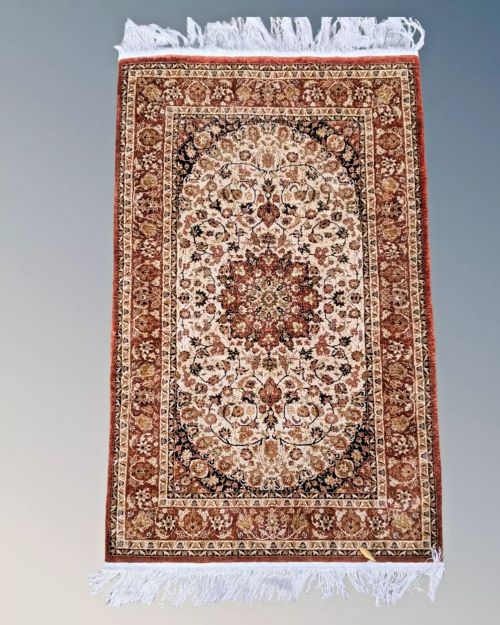
Regional varieties include Kashmiri oriental designs, North Indian weaves, and Victorian Indian interpretations. Each piece reflects specific local traditions of pattern and dye work handed down through generations of weavers.
Materials and construction methods
Weavers constructed these textiles primarily using wool, silk, and cotton foundations and pile. Silk appears in delicate chain stitch pieces and fine carpets, while wool forms the dense pile of heavy room-sized floor coverings.
Makers utilised traditional hand-knotting techniques alongside crewelwork embroidery on fabrics. Natural materials dictate the substantial weight and tactile depth found across the surviving examples.
The inventory records traditional indian carpet examples dated across the eighteenth, nineteenth, and early twentieth centuries.
Distinctions in quality and execution
Quality rests in the density of the knotting and the fineness of the materials used in the pile. Tightly packed wool or silk yields a firmer handle and sharper definition in intricate floral and geometric layouts.
The sophistication of the design execution separates standard room rugs from major city carpets. Master weavers achieved greater tonal nuance and balanced symmetry across large formats such as Amritsar and Agra floor coverings.
The Traditional Indian Carpet Glossary
- Amritsar
- A style of carpet originating from the Punjab region, known for large-scale floral patterns and room-sized proportions. These pieces often feature muted or soft pastel wool palettes.
- Agra
- A weaving centre in northern India associated with nineteenth-century production, frequently operating within institutional or jail workshop systems. Agra carpets are recognised for robust wool construction and traditional all-over designs.
- Dhurrie
- A flat-woven rug or carpet made without pile, typically using cotton. These textiles offer geometric patterns and a lighter structure compared to knotted pile carpets.
- Chain stitch
- An embroidery technique executed with a hook or needle to create continuous looped stitches on a fabric ground. This method appears on decorative Kashmiri wall hangings and rugs.
- Mughal
- A historical design influence derived from court patronage, featuring intricate floral vines, palmettes, and animal motifs. Early fragments preserve this classical court aesthetic.
Traditional Indian Carpet: Frequently Asked Questions
How do I clean a wool carpet?
Professional specialist cleaning is essential for antique pile floor coverings to protect natural fibres and dyes.
Regular gentle suction without a beater bar removes loose surface dust safely at home.
Where were these textiles woven?
Weavers produced these pieces in specialised regional workshops across northern India, including Amritsar, Agra, and Kashmir.
Production centres developed distinct local palettes and knotting densities over centuries.
Can I place a large carpet in a hallway?
Grand room-sized carpets require substantial floor space to display their full central medallions and borders properly.
Compact rugs or runners suit high-traffic corridors and smaller reception spaces much better.
How do I date an older piece?
Dating relies on examining material wear, dye characteristics, structural knots, and stylistic design markers from specific periods.
Nineteenth-century examples show distinct workshop patterns compared to eighteenth-century Mughal fragments.