



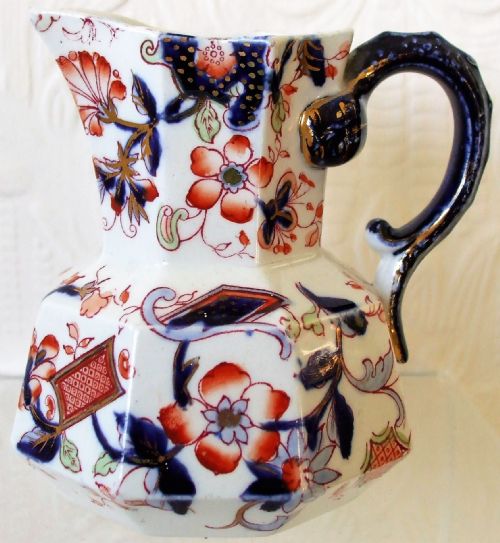


Antique Imari Jugs
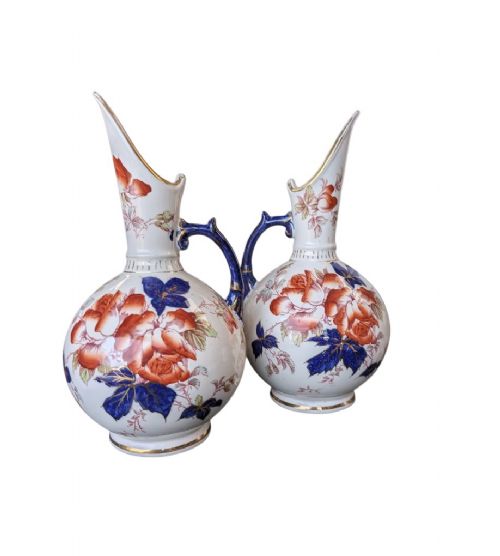
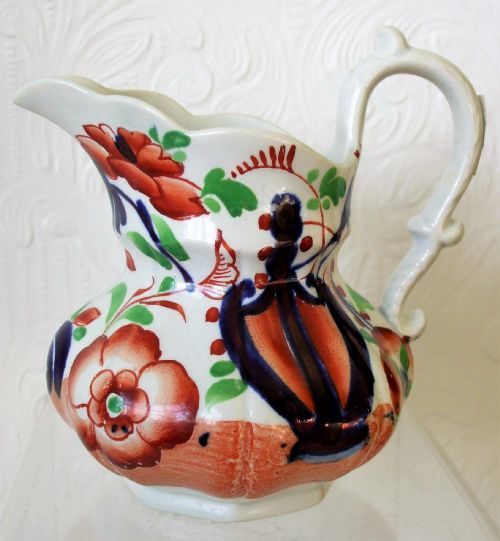
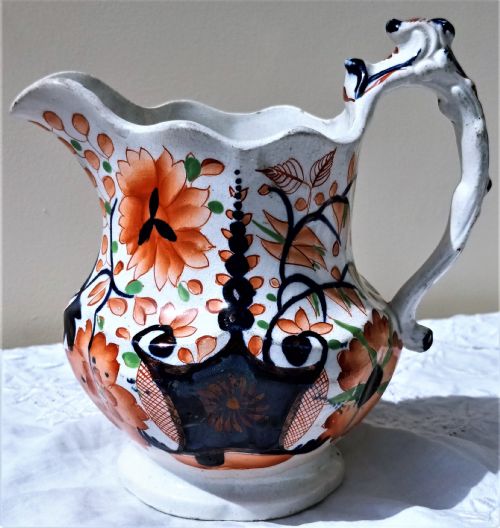
These antique imari jugs bring rich ironstone and porcelain forms into your home, combining vibrant enamel palettes with striking historic patterns.
Antique Imari Jugs
When you search for antique imari jugs, you encounter a fascinating intersection of English ironstone pottery and Japanese aesthetic influences. These pieces range from substantial pitchers to delicate cream jugs, serving utilitarian and decorative roles across dining rooms and display cabinets.
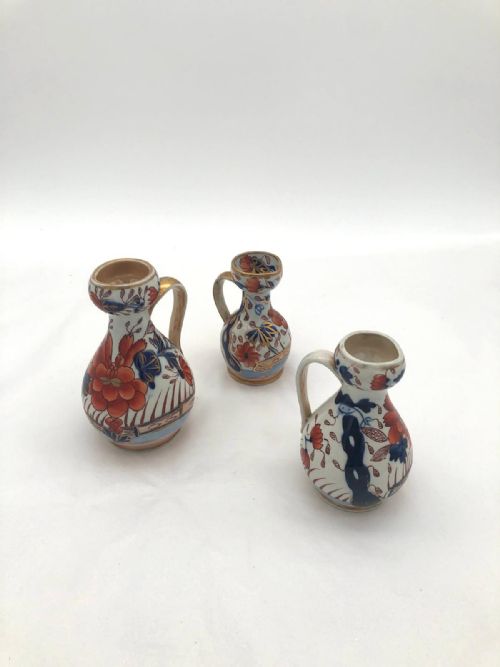
Forms vary from standard pouring jugs and hydra shapes to massive jug and basin sets and miniature versions. This variety reflects both domestic utility and the Victorian appetite for ornate display ware.
How they were made
Potters relied on durable ceramic bodies such as ironstone, earthenware, and porcelain to form the sturdy structures of these jugs. These dense materials supported substantial handling and large-scale basin sets.
Glazing and overglaze enamel painting brought the pieces to life, frequently accented with gold leaf or gilt detailing. Artisans applied complex motifs like the Fence and Doves pattern, pagodas, and quail designs by hand.
Firing techniques in nineteenth-century kilns fixed the deep blues, rich reds, and metallic highlights onto the ceramic surface. This process ensured the bright enamel decorations survived decades of household use.
Antique Imari Jugs Retail Price Guide 2026
Typical asking prices for imari jugs among the pieces listed under this phrase on Sellingantiques today, from the lower quarter to the upper quarter. They describe what is for sale here now, not the wider market.
Elephants foot patterns and quails guard these shelves, proving nineteenth-century potters possessed wonderfully imaginative household companions.
What varies in quality
The crispness and depth of the hand-painted enamels separate standard utility vessels from masterworks of the potter's art. Rich application of gold leaf and intricate detailing on patterns like the Schoolhouse or Crocus designs indicate superior studio execution.
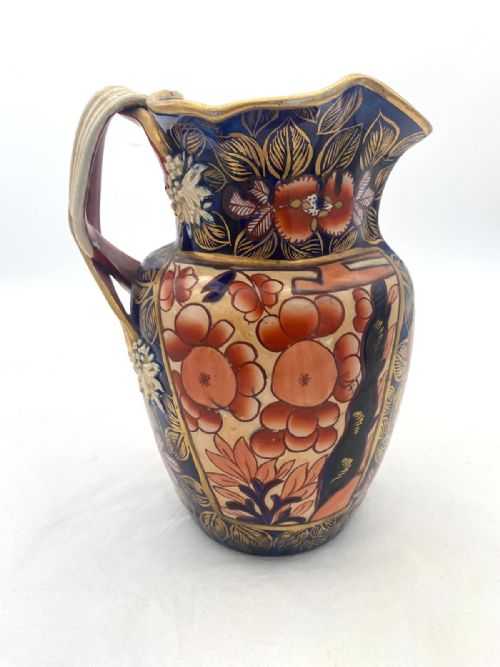
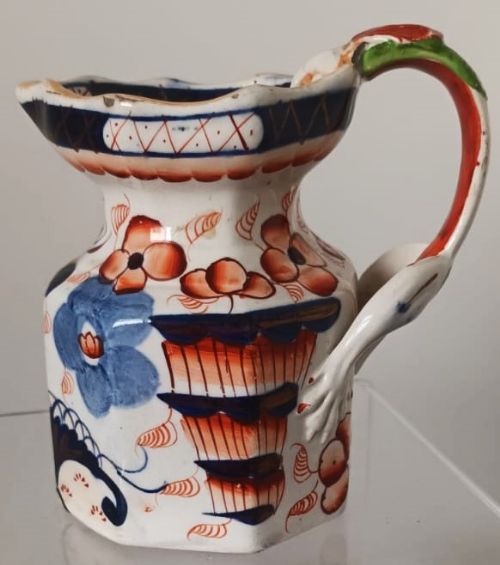
The ambition of the form dictates distinction, moving from simple earthenware pouring vessels to elaborate Mason's hydra jugs with serpentine handles and octagonal bodies. Well-preserved matching sets and large jug and basin pairings demonstrate greater scarcity and superior original commission status.
Mason's·Keeling & Co.·Royal Davenport·Derby
The Antique Imari Jugs Glossary
- Ironstone
- A patented ceramic body developed in nineteenth-century England to imitate porcelain while offering superior durability and strength. It forms the heavy, robust structure of many large pitchers.
- Hydra jug
- A specific jug design characterised by a flared rim, moulded serpent or scroll handle, and panelled body. This shape is heavily associated with Mason's production.
- Gaudy Welsh
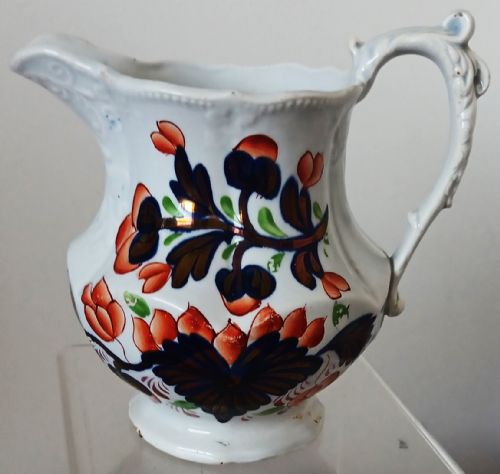
- A vibrant style of earthenware featuring cobalt blue, copper lustre, and iron-red enamel motifs. It was produced in nineteenth-century potteries for domestic and export markets.
- Arita
- The Japanese town and surrounding region famous for producing foundational porcelain wares. Pieces from here heavily influenced European imari styles.
- Kakiemon
- A style of Japanese porcelain decoration known for asymmetrical arrangements and soft enamel palettes of red, blue, green, and yellow. English factories frequently copied these motifs on cream jugs and tableware.
Antique Imari Jugs: Frequently Asked Questions
What distinguishes an imari jug from standard pottery?
Imari jugs stand apart through their distinct palette, which traditionally combines underglaze cobalt blue with iron red, contrasting enamel colours, and gilt highlights. This decorative scheme draws inspiration from Japanese export wares that captivated European collectors.
English potteries quickly adopted these vibrant visual elements onto ironstone and earthenware bodies, creating a hybrid style that remains instantly recognisable on the shelf.
How were these large ironstone jugs originally used?
Many nineteenth-century ironstone pitchers and basin sets served functional washing roles in bedrooms before plumbed bathrooms became common. Other smaller variations functioned at the dining table for cream, water, or gravy.
Today, collectors primarily display these pieces as decorative focal points, utilising their rich patterns and sculptural forms to accent cabinet displays.
Are Gaudy Welsh jugs made in Wales?
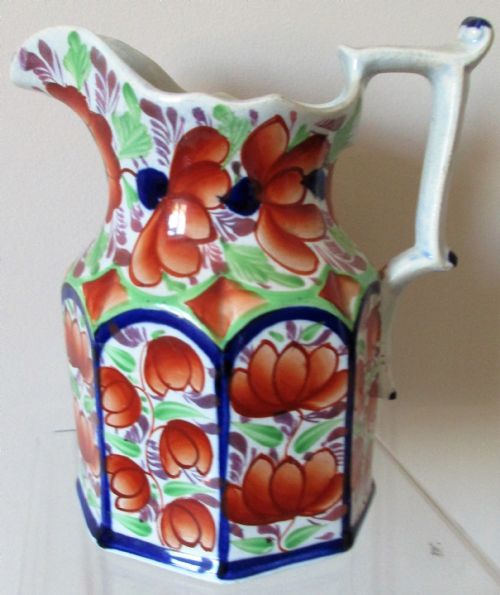
Despite the name, Gaudy Welsh pottery was manufactured primarily in English potteries such as those in Staffordshire, specifically for the Welsh working-class market. The colourful patterns utilised copper lustre and cobalt blue to mimic expensive porcelain.
These earthenware jugs bring bright geometric and floral motifs, such as the Bethesda and Pagoda patterns, into domestic collections.