



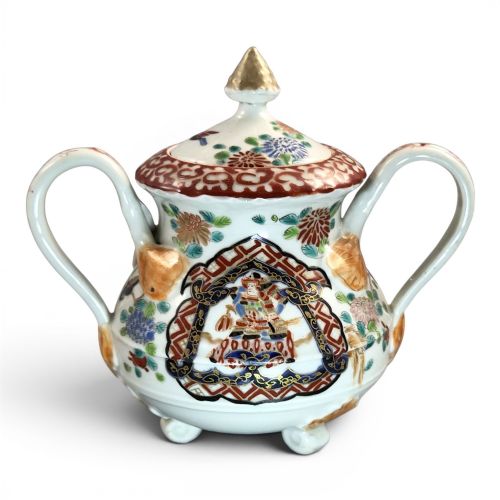


Antique Imari Basin
An antique imari basin brings rich palette work and historical ceramic craft directly to your interior space.
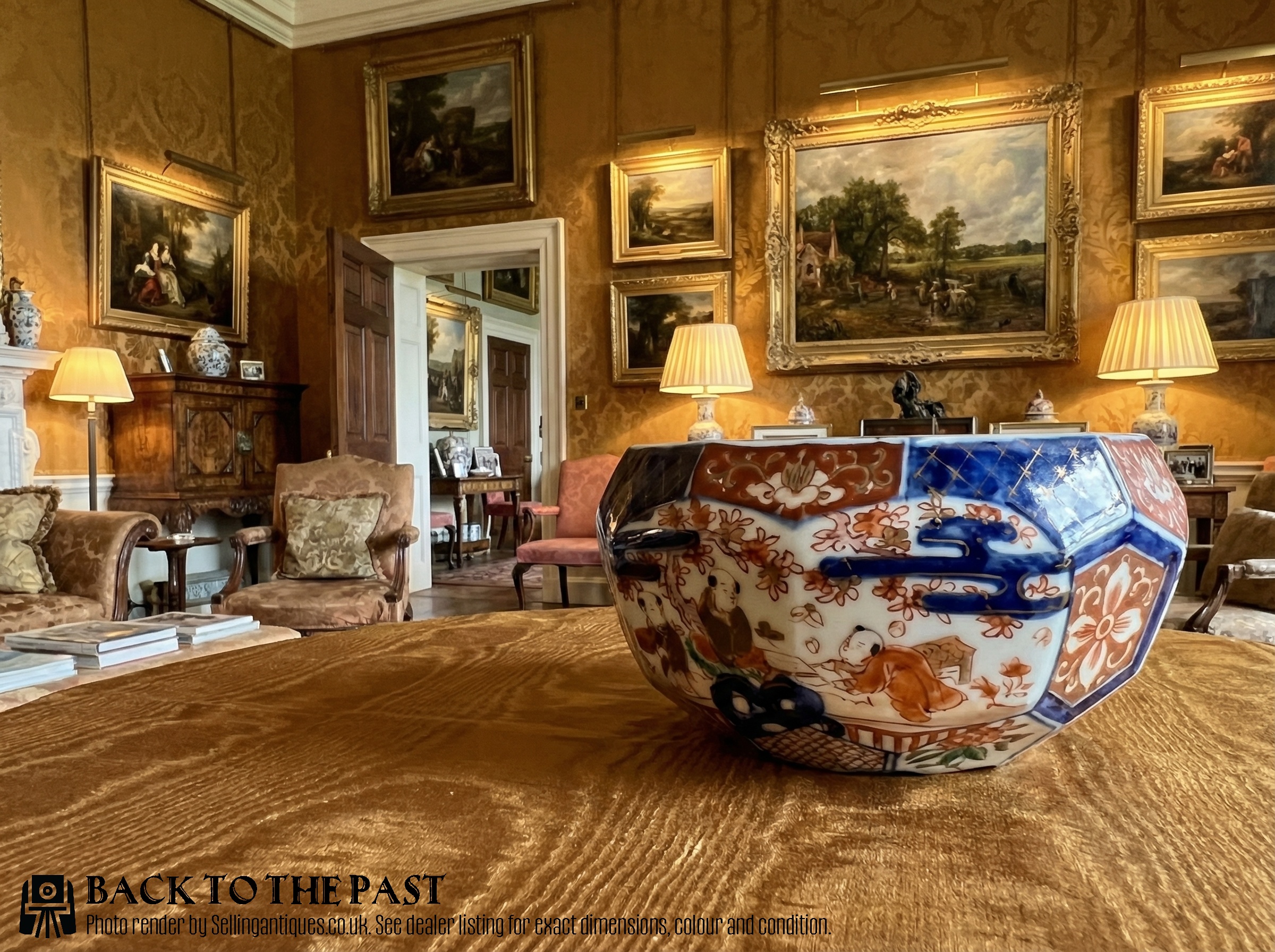
Antique Imari Basin
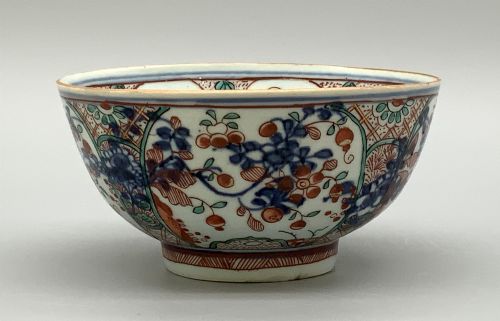
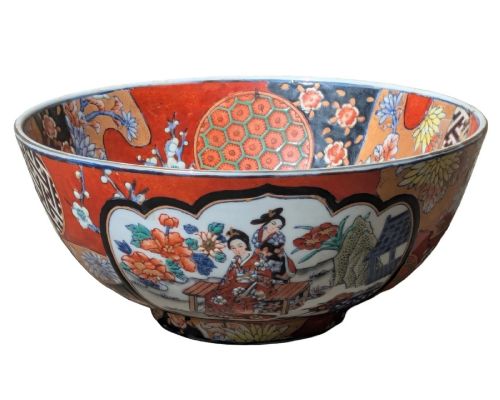
An antique imari basin encompasses a variety of forms designed for display and utility, ranging from large decorative bowls and jardinieres to wash jug and bowl sets. When exploring these selections, buyers frequently encounter pieces originating from Japanese and Chinese kilns alongside later European interpretations.
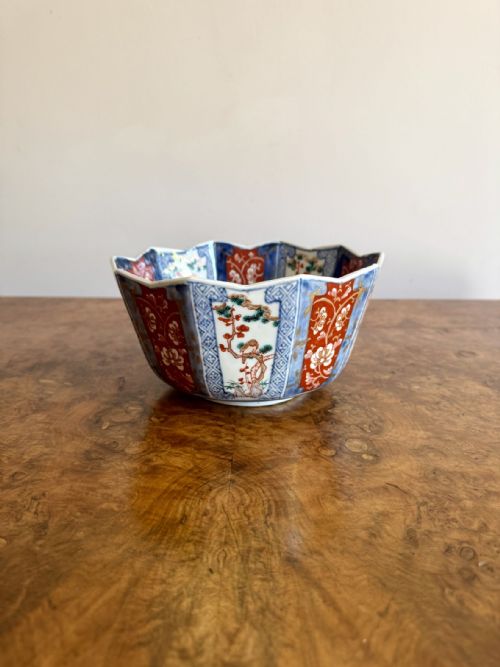
The aesthetic bridges several periods, with notable examples spanning the eighteenth century through the Victorian era and the Meiji period. Forms include scallop edge bowls, oval jardinieres, and hexagonal shapes that highlight diverse historical production centres.
Distinctions in craftsmanship and design
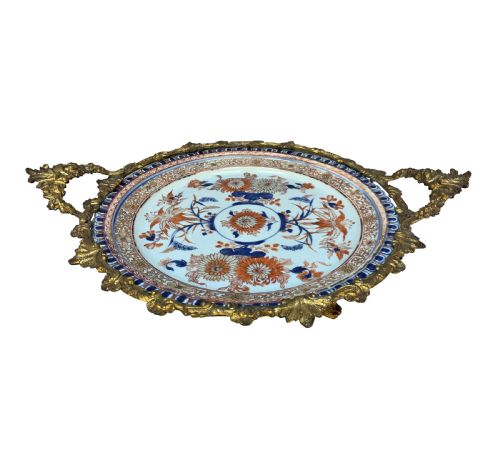
The upper tier of pieces is distinguished by the precision of the hand-painted details and the depth of the enamel and glaze applications. Superior examples often incorporate additional decorative elements such as ormolu mounts or distinctive moulded shapes like hexagonal profiles.
Variations in quality also relate to the finesse of the porcelain body and the historical significance of the period of manufacture. Pieces featuring specific workshop marks or complex compositional layouts demonstrate higher levels of artisan execution.
The selection includes pieces from the eighteenth, nineteenth, and early twentieth centuries, spanning the Meiji and Victorian periods.
Fukagawa Mark·Royal Crown Derby·Masons
The Antique Imari Basin Glossary
- Imari
- A style of ceramic decoration originating in Japan, characterised by a distinctive palette of underglaze blue and iron red, often supplemented with gold.
- Jardiniere
- An ornamental ceramic pot or bowl designed to hold plants or flowers, frequently seen in large freestanding forms.
- Ironstone
- A heavy, durable type of earthenware developed in the nineteenth century as a robust alternative to porcelain.
- Ormolu
- Gilt bronze mounts applied to furniture and decorative objects to provide ornate structural and aesthetic enhancement.
- Arita
- The Japanese town renowned as the birthplace of Japanese porcelain production and the creation of early imari ware.
Antique Imari Basin: Frequently Asked Questions
What is an antique imari basin?
An antique imari basin is a decorative or utilitarian ceramic vessel decorated in the traditional Japanese palette. These items range from large ornamental bowls to wash jug and bowl sets.
They reflect centuries of trade and stylistic exchange between Asian kilns and European markets. Collectors prize them for their vibrant glaze work and historical depth.
How were these basins used historically?
Many examples served practical household functions such as washing on bedroom stands or holding plants within interior spaces. Larger jardinieres were positioned in reception rooms to display botanical arrangements.
Over time, many transitioned into purely decorative objects valued for their visual impact. Their sturdy construction allowed them to survive centuries of domestic use.
How do I date an imari basin?
Dating relies on identifying the underlying material, such as porcelain versus Victorian ironstone, alongside stylistic markers. Eighteenth-century pieces often display distinct Kangxi or Arita characteristics.
Later Meiji and Edwardian examples introduce different potting techniques and decorative accents. Examining base marks can also provide specific clues regarding origin and era.
How do I care for my basin?
Display the basin away from direct sunlight to protect surface enamels and gold leaf details. Dust gently with a dry, soft cloth to maintain the glaze.
Avoid using harsh chemical cleaners or submerging mounted or gilded pieces in water. Proper placement ensures the ceramic body remains stable over time.