
Antique Horse Prints Framed
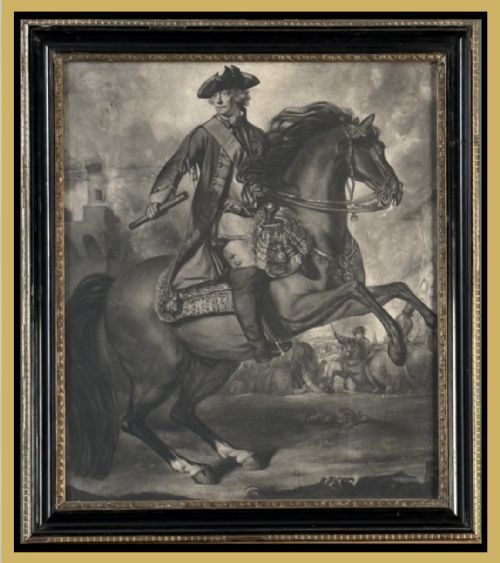
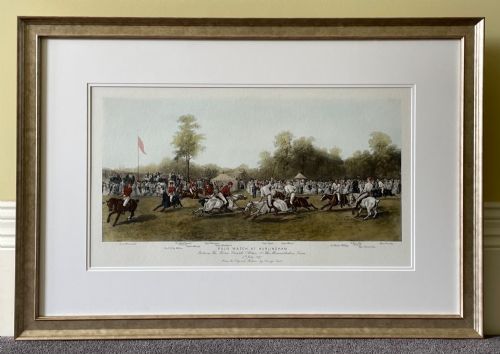
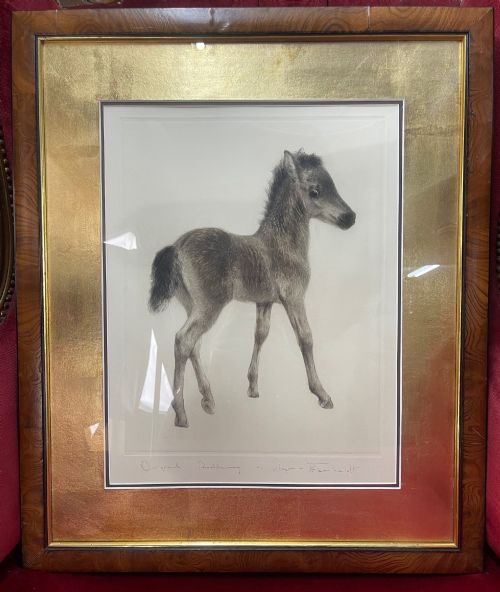
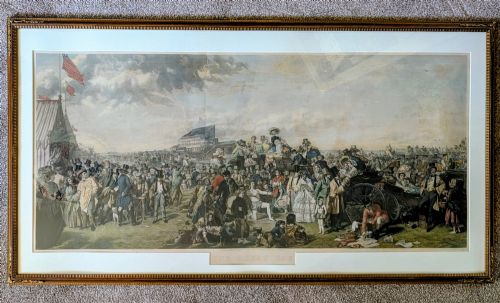
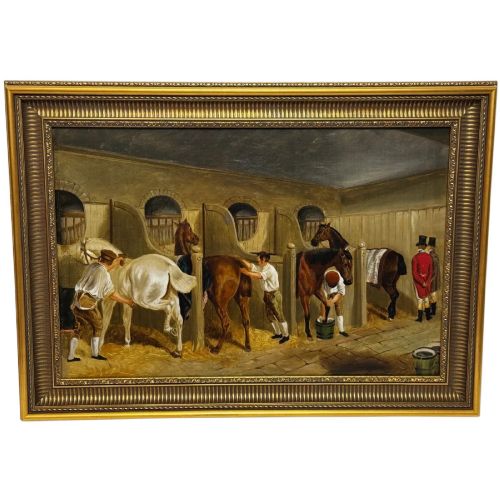
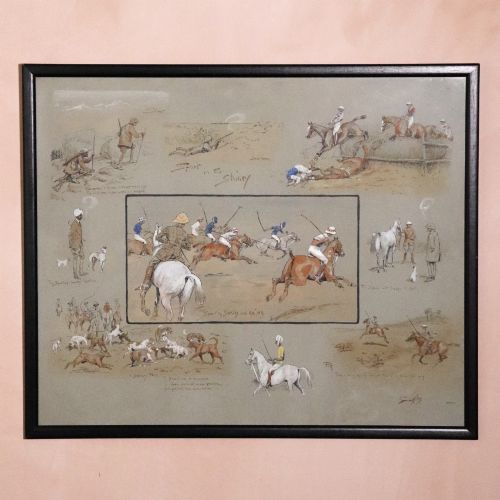
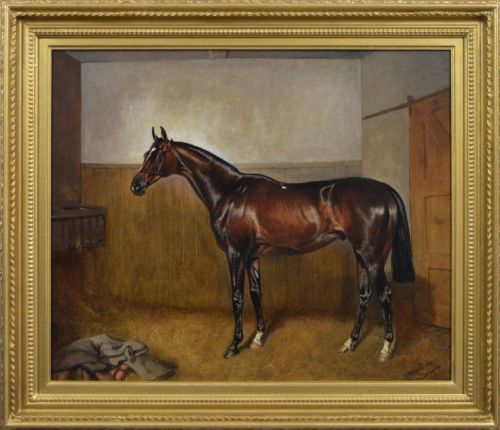
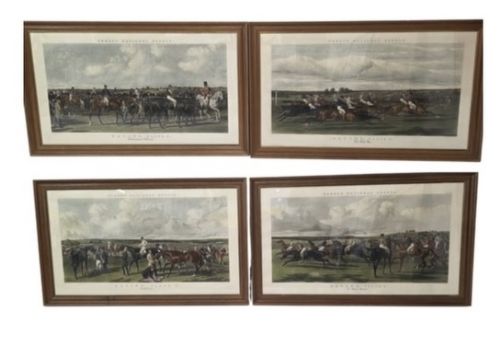
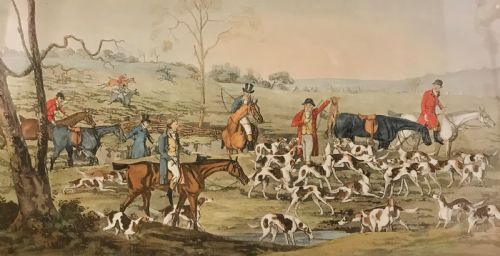
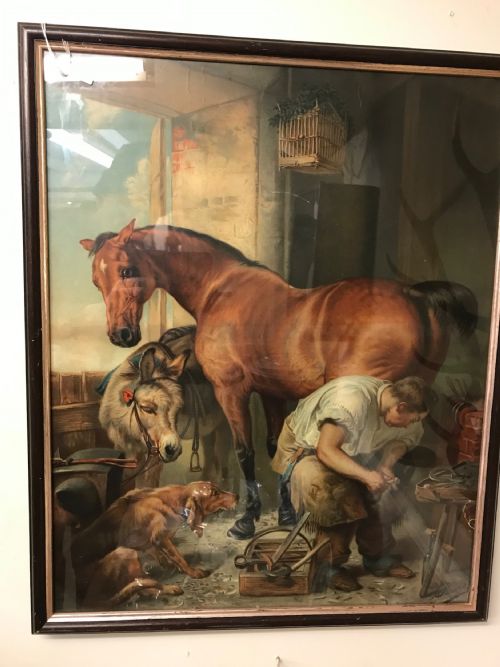
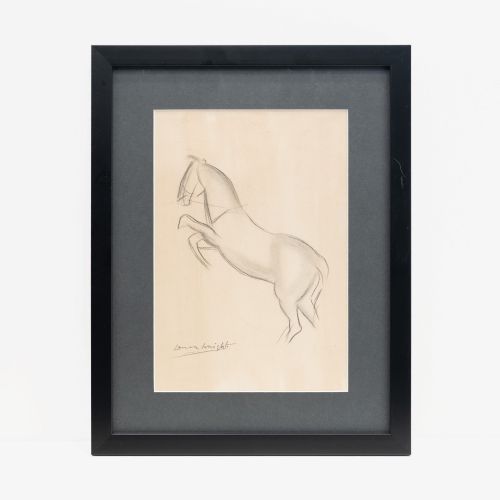
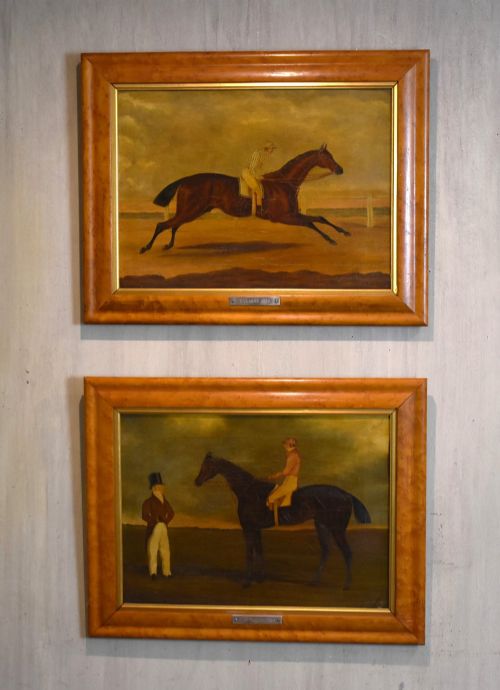
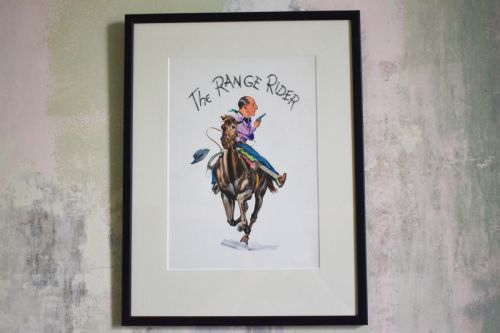
Antique horse prints framed bring the energy and detail of historic racing, hunting and stable life directly onto your wall.
Antique Horse Prints Framed
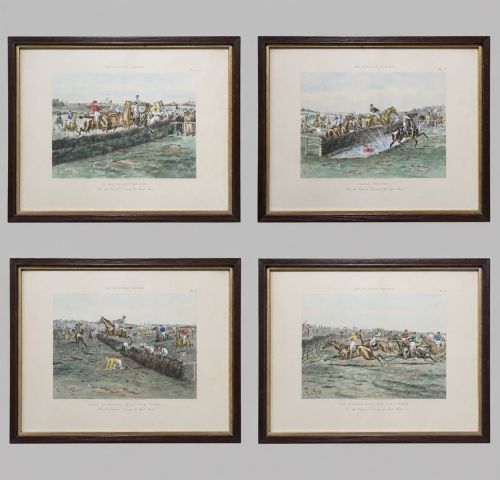
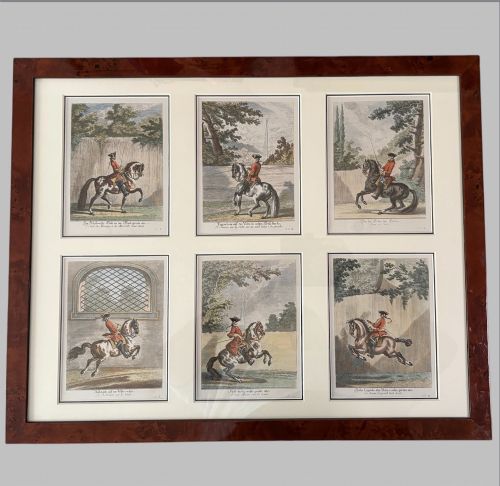
These pieces encompass a wide array of historic imagery, ranging from early copper engravings and lithographs to hand-coloured plates depicting racing, hunting, and equine portraits. When searching for antique horse prints framed, buyers encounter works originating predominantly from the Georgian, Victorian, and Edwardian eras, framed in period wood and glass.
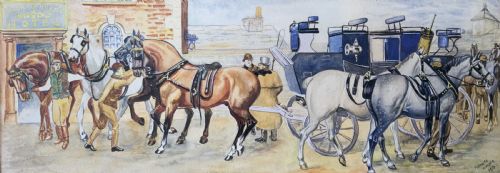
The selections on this page lean heavily towards nineteenth-century British sporting art, featuring famous racehorses, polo matches, and coaching scenes. Many items arrive mounted as sets or individual framed artworks ready to hang in studies, hallways, or living spaces.
Materials and Techniques
The physical build of these works relies on traditional printmaking techniques combined with quality framing materials. Artisans utilised copper plate engraving, lithography, etching, and aquatint on rag paper, often finishing the details with hand-applied watercolour washes.
Frames play a crucial role in the survival of these pieces, commonly constructed from timber such as oak or gilded wood, protecting the delicate paper prints behind glass and sometimes featuring gold leaf accents.
One determined steed named Creeping Molly has been holding a race finish since 1753.
Assessing Quality in Equestrian Art
The distinction between tiers of quality rests largely on the precision of the draughtsmanship and the clarity of the impression pulled from the plate. Early strikes from original copper plates or plates with fine hand-colouring retain sharp anatomical details of the horse and rider, whereas later or worn impressions lose definition in the background and shading.
The integrity of the frame and the preservation of the paper also influence the standing of a piece. Clean, stable paper free from heavy foxing, paired with original or period-appropriate wood moulding and glass, elevates the piece above faded examples trapped in degraded mounts.
Edward Fisher·Sir Joshua Reynolds·Kurt Meyer-Eberhardt·William Powell Frith·George Finch Mason·John Alfred Wheeler·Edwin Henry Landseer·John Frederick Herring Snr·Herbert Dicksee·Anne Goldthwaite·James William Booth·Abraham Cooper·Charles Faulkner·Alfred Wheeler·John Atkinson
The Antique Horse Prints Framed Glossary
- Aquatint
- An intaglio printmaking technique that produces areas of tone resembling watercolour washes. It was frequently used in sporting art to render soft background skies and shaded landscapes behind the main subject.
- Lithograph
- A planographic printing method based on the repulsion of oil and water on a limestone or metal plate. This technique allowed artists to produce rich tonal prints of horses and riders for popular consumption.
- Drypoint
- A printmaking process where an image is scratched directly into a metal plate with a sharp needle, creating a raised burr that holds ink. This produces velvety, rich lines characteristic of detailed etchings.
- Chromolithograph
- A colour lithographic printing process using multiple stones or plates, one for each colour. It enabled vibrant mass production of illustrated scenes without requiring manual hand-colouring.
- Eglomise
- A technique where a design is painted or gilded on the reverse side of glass. In historic pieces, this method served as an ornate decorative border or protective tablet for the image behind it.
Antique Horse Prints Framed: Frequently Asked Questions
How do I date an old horse print?
Dating relies on examining the paper type, printing technique, and stylistic clues within the clothing and tack of the figures. Inscriptions, publisher details, and framing methods also provide reliable windows into the production era.
Paper from the eighteenth and nineteenth centuries often bears watermarks or a heavier rag texture distinct from modern wood-pulp sheets. Comparing the subject matter to known historical races or military uniforms narrows the timeline further.
Are hand-coloured prints better than mass-produced ones?
Hand-coloured engravings and lithographs generally command more attention from collectors because each plate received individual artistic application. This creates subtle variations between copies that mechanical printing processes cannot replicate.
Mass-produced chromolithographs and later mechanical prints have their own historical validity and visual charm, representing how popular sporting imagery spread through Victorian society.
How should I hang framed antique prints?
These works require placement away from direct sunlight and damp environments to protect the fragile paper, ink pigments, and wooden frames. Ultraviolet rays cause watercolour washes and ink to fade permanently over time.
Secure wall fixings suited to the weight of the timber and glass are essential, as historic frames are often heavy. Keeping the display at eye level in a stable indoor climate ensures the longevity of both print and frame.
What is the difference between an engraving and an etching?
An engraving is made by cutting lines directly into a metal plate with a sharp tool called a burin, resulting in crisp, precise lines. An etching uses acid to bite the lines into the metal through a protective wax ground, producing freer, more fluid strokes.
Both techniques were common in early equestrian publishing, sometimes combined on a single plate to achieve different textures for the horse and the landscape.