




Classical Equestrian Art
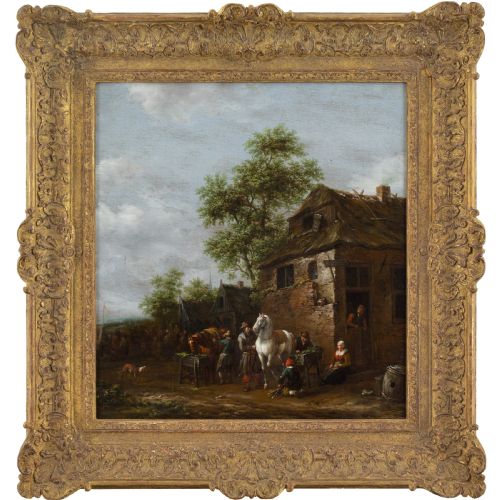
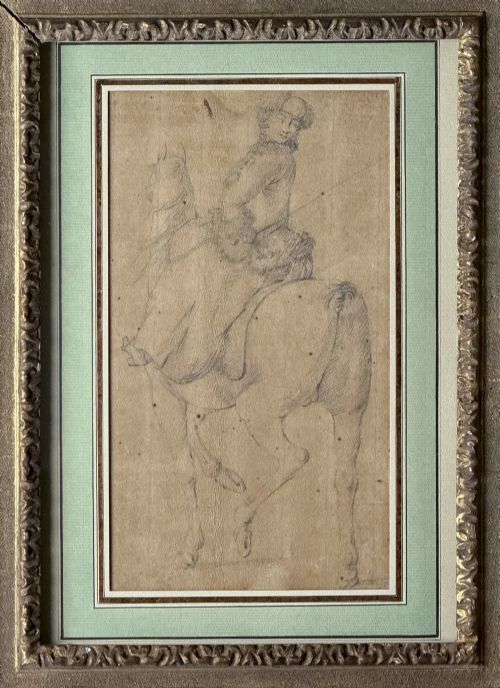
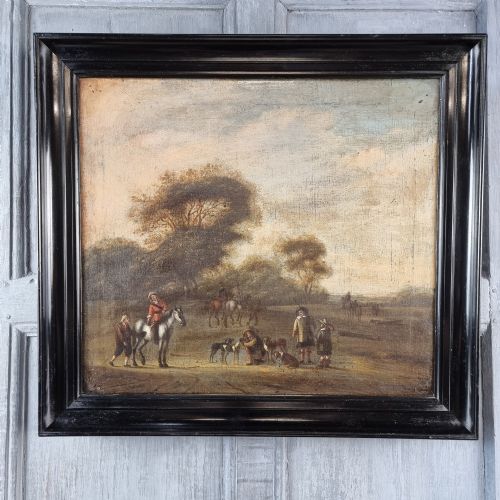
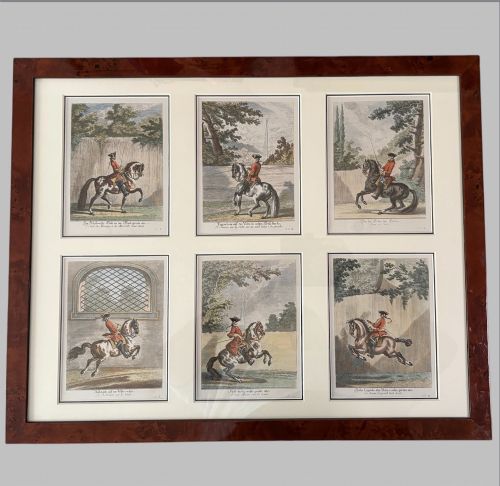
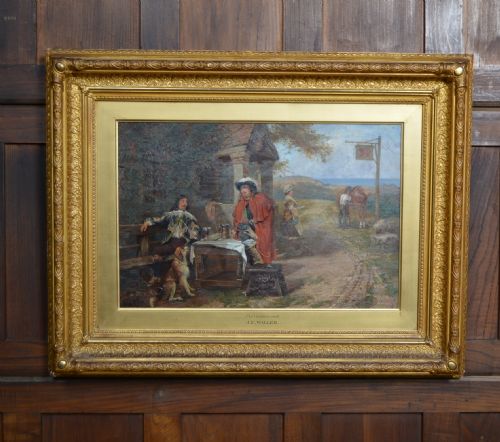
Classical equestrian art captures horses and riders in fine oil paintings, drawings and engravings dating from the seventeenth century onwards.
Classical Equestrian Art
When you search for classical equestrian art, you encounter a varied selection of antique oil paintings, drawings, and hand-coloured copper engravings depicting horses, riders, and landscapes. The pieces on this page span several centuries, with works originating from the seventeenth, eighteenth, and nineteenth centuries alongside later twentieth-century interpretations.
The subjects range from detailed equestrian studies and dressage prints to grand landscapes featuring sportsmen, hunters, and royal coach parties. British sporting art and continental schools are well represented, offering collectors a glimpse into historic equestrian traditions through varied artistic mediums.
What varies in quality
Quality rests upon the execution of the subject and the handling of the medium, distinguishing finely detailed brushwork from simpler compositions. The depth of the landscape and the anatomical precision of the horse shape the visual impact of each painting or drawing.
The preservation of the paper, canvas, or gilt wood frame contributes significantly to the overall integrity of the piece. Works attributed to known artists or specific regional schools often display greater refinement in technique and composition.
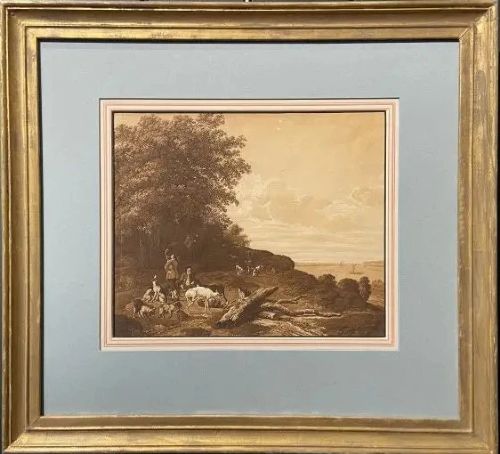
Even horses in the seventeenth century required a good day out by the lake.
Johannes Lingelbach·Ridinger·John Ferneley Senior·Pieter Bout & Adriaen Frans Boudewyns·Sir Edwin Henry Landseer·J. E. Waller·Abraham Cooper RA·Martin Pierre - Denis
The Classical Equestrian Art Glossary
- Copper engraving
- A printmaking process where an artist incises an image onto a copper plate with a burin. The inked plate transfers fine lines onto paper under pressure.
- Oil painting
- A medium consisting of pigments suspended in a drying oil, typically applied to canvas or wood panels. It allows for rich colour blending and layered textures.
- Gilt wood
- Wood coated with a thin layer of gold leaf or metallic powder. It provides ornamental decoration for picture frames surrounding historic artworks.
- Relief
- A sculptural technique where figures project from a flat background surface. Materials such as marble dust are moulded to create three-dimensional wall art.
Classical Equestrian Art: Frequently Asked Questions
What periods do these pieces come from?
The selection spans from the seventeenth century through the eighteenth and nineteenth centuries, with occasional twentieth-century pieces.
Earlier works often reflect Dutch Golden Age or Flemish Baroque styles, while later items include Victorian and Georgian examples.
What materials were used in these artworks?
Artisans worked with oil paint on canvas and wood, alongside paper for drawings and engravings. Frames frequently incorporate gilt wood and gold leaf.
Some twentieth-century wall plaques utilise marble dust for sculptural relief effects.
How should I care for antique oil paintings?
Keep paintings away from direct sunlight and dramatic fluctuations in temperature or humidity. This prevents the canvas from warping and the oil paint from cracking.
Dust gently with a soft, dry brush and avoid using chemical cleaning agents on the canvas or gilt frame.
What subjects appear in classical equestrian art?
Common subjects include horses in landscapes, hunting scenes, dressage studies, and royal coach parties near ornamental lakes. Some pieces focus on individual animal portraits.
Others depict broader historical or sporting narratives involving riders and cavaliers.