



Antique Heraldic Plaque
An antique heraldic plaque brings centuries of lineage and craft to a wall, carrying coats of arms and crests cast in iron or carved in oak.
Antique Heraldic Plaque
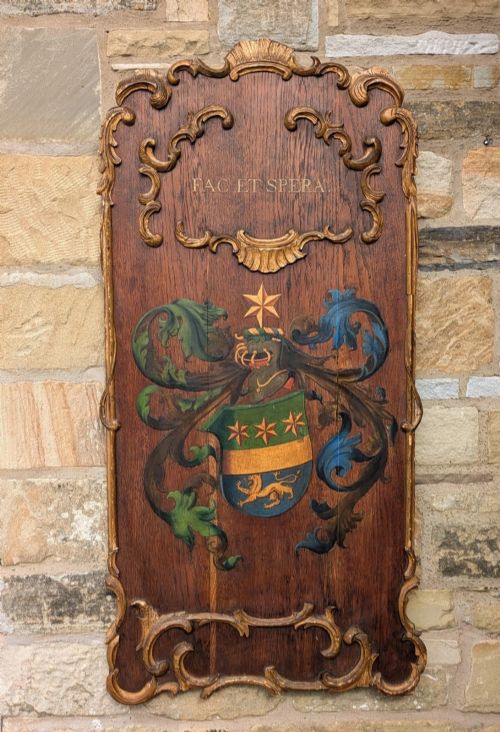
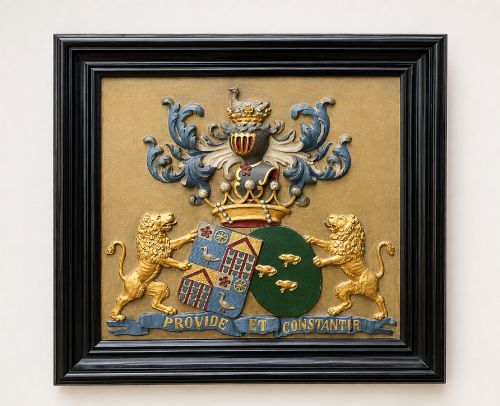
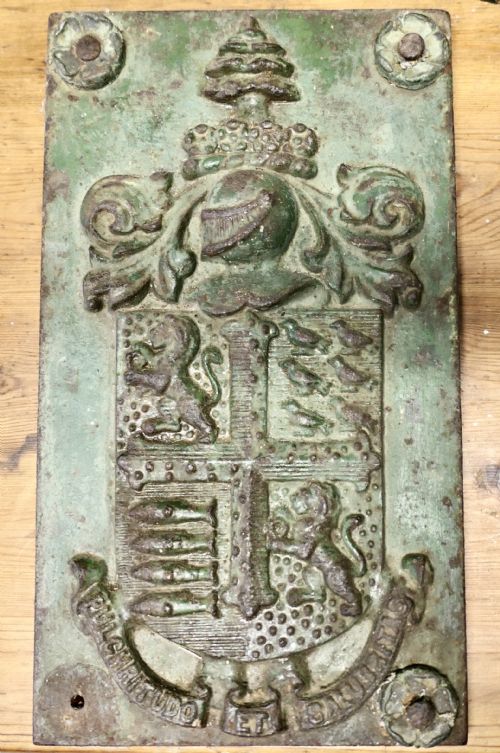
An antique heraldic plaque displays armorial bearings, family crests, and institutional emblems meant to mark lineage, allegiance, or authority. These pieces range from domestic marriage panels and library shields to large architectural castings once mounted on public buildings or railway property.
The materials vary widely across the selection, appearing in carved oak, walnut, and hardwood alongside cast iron, bronze, brass, and painted plaster. Such variety reflects both the private patronage of noble families and the civic pride of later railway companies and government ministries.
Pieces from the nineteenth century dominate the selection, spanning styles from Gothic Revival and Regency to Victorian Gothic. Earlier examples from the seventeenth and eighteenth centuries appear less frequently, often taking the form of hand-carved polychrome panels or marble crests.
Materials and methods of construction
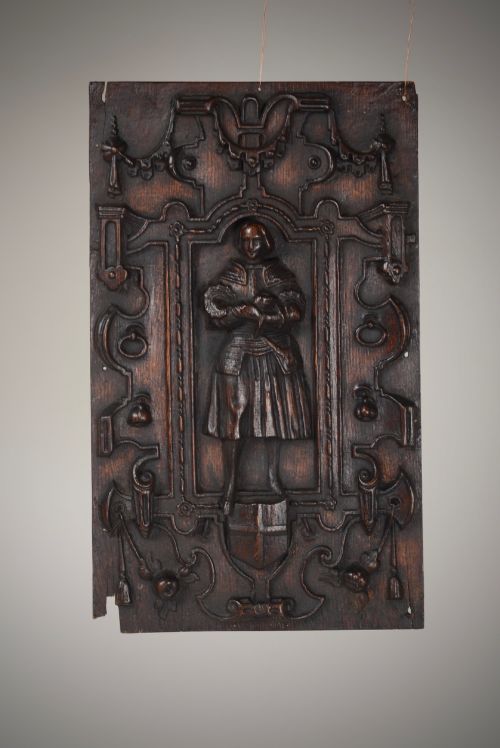
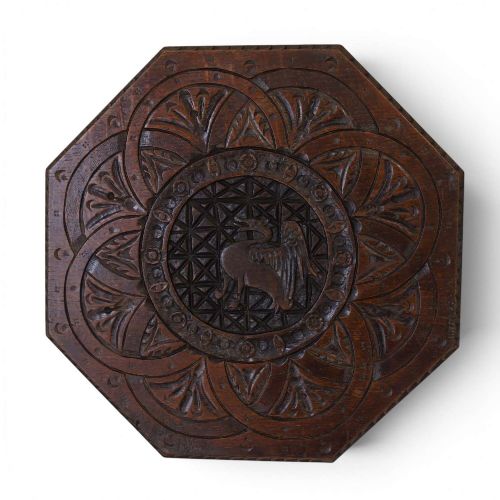
Carved wooden plaques rely on traditional joinery and relief work in timbers like oak, fruitwood, and walnut. Artisans shaped these panels with chisels, occasionally applying polychrome paint, gold leaf, or gilt to accentuate the heraldic tinctures and charges.
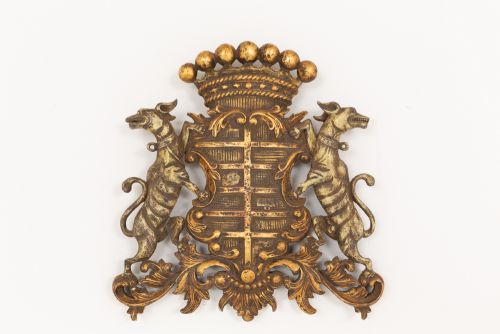
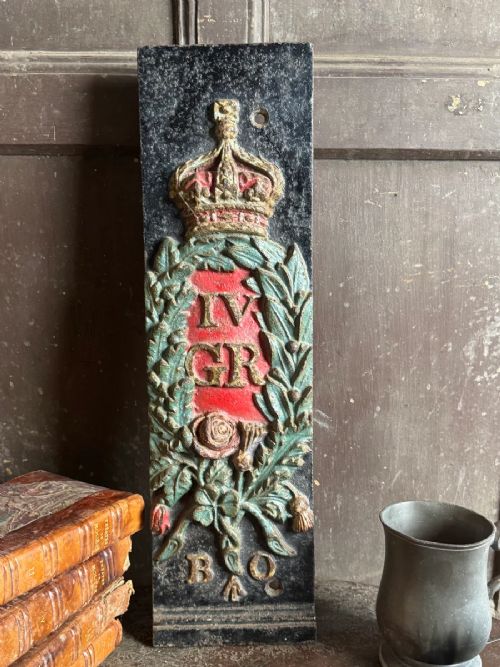
Metal plaques utilise casting and repousse techniques, particularly in iron, bronze, and brass. Iron and bronze versions were cast from moulds to capture intricate details of crowns, lions, and shields, while repousse work involved hammering sheet metal from the reverse to raise the design in relief.
Antique Heraldic Plaque Retail Price Guide 2026
Typical asking prices for heraldic plaque among the pieces listed under this phrase on Sellingantiques today, from the lower quarter to the upper quarter. They describe what is for sale here now, not the wider market.
A Swiss automobile club emblem from the nineteenth century proves that even early motorists needed a proper coat of arms for the radiator.
Assessing quality in armorial plaques
Quality rests primarily in the crispness of the modelling and the depth of the carving or casting. Finer pieces show sharp delineation in the heraldic beasts, crowns, and mantling, whereas lesser examples lose detail in heavy layers of overpaint or soft secondary casting.
The integrity of the materials and the survival of original surface finishes dictate desirability. Pieces retaining untouched polychrome paint, genuine gold leaf, or a rich patinated bronze hold greater historical weight than those stripped or overly restored.
The Antique Heraldic Plaque Glossary
- Armorial
- Relating to heraldry or coats of arms. This term describes any object displaying authorized familial or institutional insignia.
- Repousse
- Metalwork hammered into relief from the reverse side. This technique allows for lightweight yet deeply modelled decorative shields and plaques.
- Polychrome
- Painted in several colours. Such treatment on carved wood highlights specific charges and tinctures within a coat of arms.
- Lion Passant
- A heraldic lion depicted walking with its right forepaw raised. It appears frequently in British and Scottish family crests.
- Cartouche
- An oval or oblong frame with ornamental scrollwork. These enclose emblems, ciphers, or coats of arms on plaques.
Antique Heraldic Plaque: Frequently Asked Questions
Where were these plaques originally displayed?
Many smaller wooden and cast metal plaques hung inside private libraries, domestic halls, or corporate boardrooms to denote family heritage or institutional membership. Larger iron and bronze examples served as architectural markers on government buildings, railway stations, and civic properties.
Over time, these objects transitioned from active architectural fittings to decorative wall panels collected for their historical and artistic significance.
How do I identify the age of a plaque?
Dating relies on a combination of material analysis, stylistic markers, and any accompanying inscriptions or makers' names. Nineteenth-century pieces often reflect Gothic Revival or Victorian design motifs, while eighteenth and seventeenth-century items show hand-carved tool marks and distinct regional carving styles.
Examining the reverse of the panel reveals construction methods, such as hand-cut screws, peg joinery, or casting seams, which help confirm the period.
Are railway and institutional plaques considered heraldic?
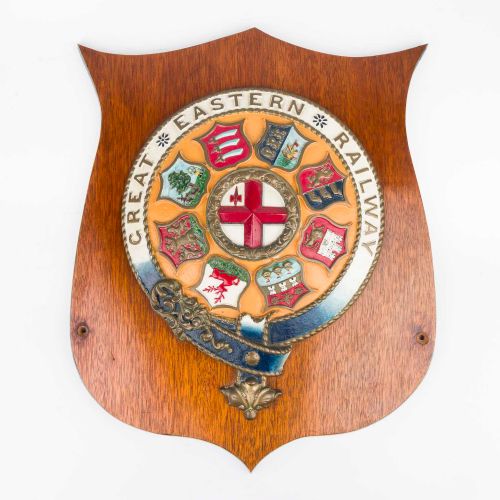
Railway crests, ministry badges, and municipal coats of arms fall under the broader definition of heraldic and armorial plaques. They utilise the same visual language of shields, supporters, and mottos to project authority and identity.
These pieces reflect the corporate pride of nineteenth and early twentieth-century networks, translating traditional heraldic design into industrial metals like cast iron and bronze.
How should I hang a heavy cast iron plaque?
Cast iron and bronze plaques possess substantial weight and require secure wall anchoring directly into studs or masonry using appropriate fixings. The mounting system must safely support the total load without straining the metal frame or original hanging loops.
Consulting a professional art installer ensures the plaque rests securely while protecting the wall surface and the antique object.