



Architectural Salvage Crest
Architectural salvage crest pieces bring historic heraldry and grand ornamentation straight from historic buildings into your interior scheme.
Architectural Salvage Crest
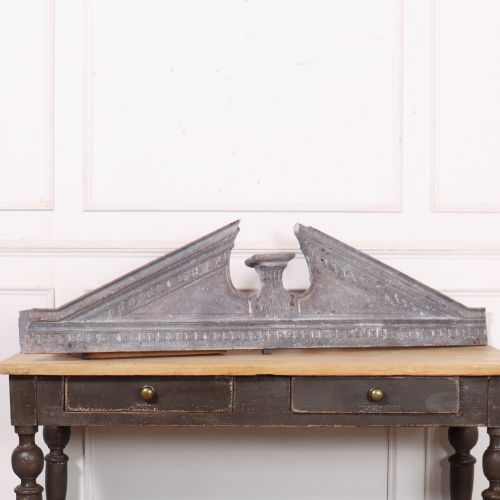
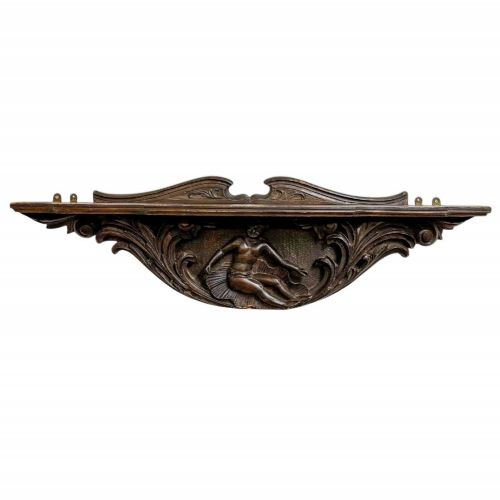
When you search for architectural salvage crest pieces, you encounter a diverse collection of architectural fragments ranging from overdoor pediments and pelmets to armorial plaques and heavy cast iron coats of arms. These objects primarily originate from the nineteenth century, including Victorian Gothic and Neoclassical revival designs, alongside earlier centuries.
The selections available here showcase significant decorative ambition, spanning carved wood wall panels, ironwork pieces, and painted panels. Most items function as striking wall elements or overdoor adornments, bringing sculptural presence to domestic and commercial spaces.
Originating from diverse European and British contexts, these pieces reflect the grand scale of historic buildings, town halls, and country houses. Buyers frequently find substantial cast iron royal coats of arms and carved oak pediments that once surmounted important doorways.
Materials and construction methods
The construction of these architectural elements relies heavily on durable materials such as cast iron, lead, and solid oak. Workshops utilised traditional foundry techniques for metal pieces, pouring molten iron and lead into detailed moulds to achieve sharp armorial relief.
Wood elements demonstrate skilled hand-carving in oak and other timbers, frequently enhanced with gesso, silver leaf, or original paint finishes. Carpenters and joiners constructed these pediments and panels to withstand structural placement above doors and fireplaces.
Architectural Salvage Crest Retail Price Guide 2026
Typical asking prices for architectural salvage crest among the pieces listed under this phrase on Sellingantiques today, from the lower quarter to the upper quarter. They describe what is for sale here now, not the wider market.
Listings feature materials spanning cast iron, lead, oak, carved wood, gesso, zinc, and paint across multiple centuries.
Assessing quality in salvage crests
Quality in these pieces rests upon the crispness of the casting or the depth and skill of the hand-carving. Finer examples display meticulous attention to anatomical and heraldic detail in coats of arms, whereas simpler items show softer lines and heavier, less refined paint layers.
The preservation of original surface finishes, such as historic paint, gesso, or silver leaf, significantly elevates the piece. Elements retaining their authentic patina and structural integrity command greater appreciation among collectors of historic architectural salvage.
The Architectural Salvage Crest Glossary
- Pediment
- A triangular or curved architectural element placed above doors, windows, or mantelpieces. They often feature intricate carvings or central crests.
- Armorial
- Relating to heraldry and coat of arms displays. These designs denote family lineages, royal authority, or institutional identity.
- Pelmet
- A decorative framework placed above a window or door to conceal curtain fixtures. Salvaged examples often feature painted wood or carved detailing.
- Gesso
- A plaster-like mixture applied to wood surfaces as a base for paint or gilding. It allows for sharp decorative moulding before finishing.
Architectural Salvage Crest: Frequently Asked Questions
How do I hang a heavy cast iron crest?
Cast iron crests require substantial wall fixings anchored directly into structural masonry or heavy studwork. Professional installation ensures the immense weight is safely supported.
Weight distribution brackets or custom steel backing plates are frequently necessary for monumental pieces like royal coats of arms.
Where were these architectural crests originally placed?
These pieces traditionally occupied prominent positions above interior doorways, exterior entryways, and grand fireplaces in public buildings and private estates. They served to signal authority, lineage, or civic pride.
Overdoor pediments and armorial plaques commanded visual attention as visitors entered a room or hall.
Can I clean original painted finishes?
Original painted surfaces require minimal intervention using dry dusting or extremely gentle cleaning methods with soft brushes. Moisture and harsh chemical cleaners can strip historic paint layers and ruin the patina.
Consulting a conservator is recommended if deeper cleaning is required on fragile gesso or painted wood.
How do I distinguish Victorian Gothic from Neoclassical styles?
Victorian Gothic pieces display pointed arches, trefoils, and heavy medieval revival motifs suited to ecclesiastical or romantic interiors. They often look heavier and more ornate.
Neoclassical designs draw inspiration from classical Greece and Rome, featuring symmetrical lines, urns, swags, and restrained geometric balance.