



Iron Coat of Arms
An iron coat of arms brings solid heraldic authority to a wall or fireplace, cast from heavy metal to display civic or royal emblems.
Iron Coat of Arms
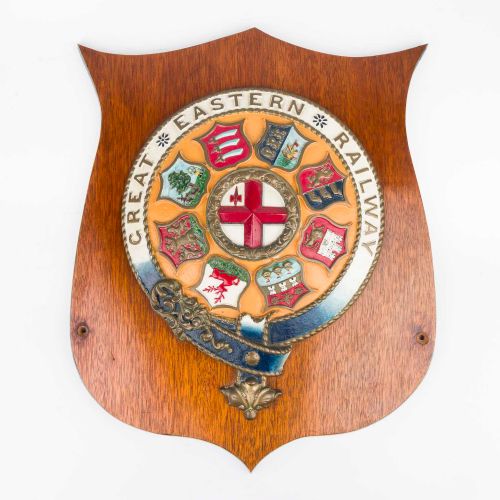
An iron coat of arms encompasses heavy cast plaques, architectural shields, and firebacks bearing heraldic devices. These durable pieces served as authoritative markers for railways, municipal buildings, and royal properties, signalling status and official allegiance.
The versions most commonly encountered on this page date from the nineteenth century, including substantial Victorian royal shields and regional crests. Alongside these wall plaques, related hearth items such as firebacks and grates integrate similar armorial motifs in cast iron.
Origins span British, French, and Belgian workshops, reflecting distinct regional heraldic traditions. Whether mounted as wall hanging plaques or set into masonry, these objects combine utilitarian metalwork with formal sculptural design.
How they were made
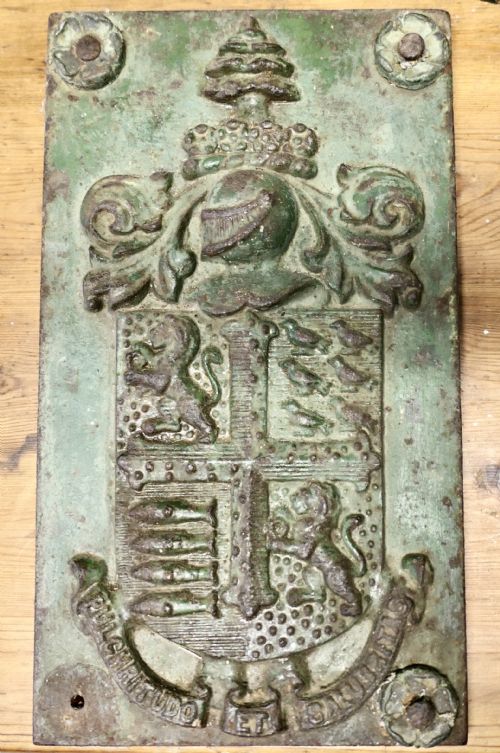
Foundries utilised molten metal poured into sand or loam moulds to capture intricate heraldic details in cast iron. This technique allowed for the sharp relief of lions, unicorns, crowns, and mottoes across heavy wall plaques and firebacks.
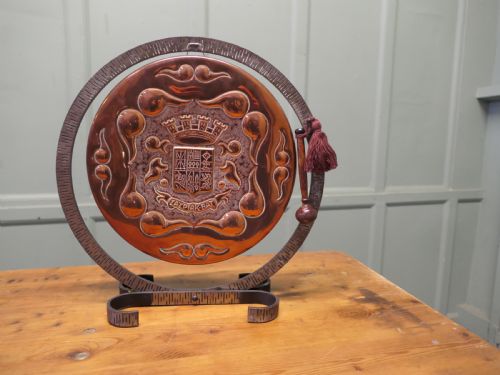
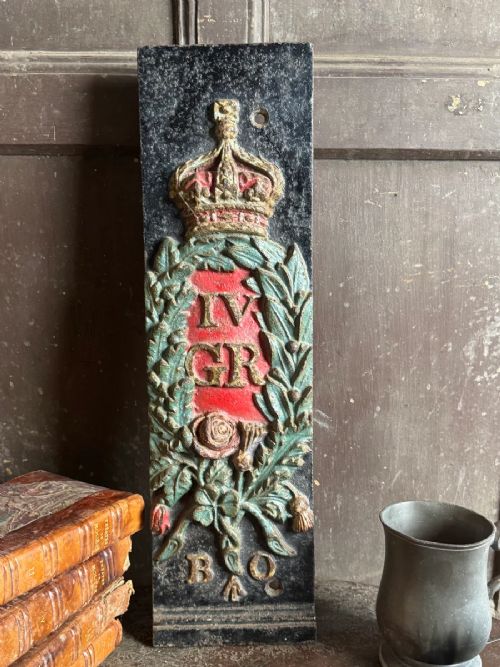
Many examples received applied finishes, incorporating paint, enamel paint, gold leaf, or polychrome decoration over the metal surface. Accents in copper, brass, or mahogany frequently accompanied the iron castings in table gongs and architectural frames.
Iron Coat of Arms Retail Price Guide 2026
Typical asking prices for iron coat of arms among the pieces listed under this phrase on Sellingantiques today, from the lower quarter to the upper quarter. They describe what is for sale here now, not the wider market.
Look closely for the stray brushmarks of nineteenth-century painters who hastily gilded royal lions before the paint had even dried.
What varies in quality
The survival of original polychrome paint, enamel, or gold leaf adds considerable distinction to a casting. Surfaces bearing honest traces of early decoration demonstrate greater historical integrity than later overpainting.
The Iron Coat of Arms Glossary
- Coat of arms
- A distinct heraldic design on a shield, often accompanied by supporters, crests, and mottoes. These symbols identified specific families, towns, railway companies, or monarchs.
- Fireback
- A heavy iron plate placed at the back of an open hearth to reflect heat and protect the masonry. Many feature cast armorial designs or royal cyphers.
- Cast iron
- An iron-carbon alloy poured into moulds to create rigid, durable objects. It forms the primary material for the plaques and firebacks found here.
- Polychrome
- Painted in several colours. Surviving polychrome decoration on nineteenth-century ironwork reveals how these displays originally appeared.
- Armorial
- Relating to heraldic arms or a coat of arms. Armorial plaques denote official authority or lineage.
Iron Coat of Arms: Frequently Asked Questions
How do I clean a cast iron plaque?
Dust the surface gently with a soft dry brush to remove accumulated dirt without disturbing the metal.
Avoid using water or chemical solvents, particularly if the iron retains traces of early paint or gold leaf.
Are all iron coats of arms royal?
While many feature the British royal coat of arms with lions and unicorns, others display civic crests, railway company emblems, or continental heraldry.
Inscriptions and specific mottoes help identify whether a piece served a municipal, corporate, or sovereign function.
Can firebacks be used in an active fireplace?
Many cast iron pieces were explicitly designed as firebacks to withstand high temperatures behind an open hearth.
Wall hanging plaques, however, are generally cast thinner for display and may crack under direct hearth heat.