



Vintage Heraldic Wall Plaque
These vintage heraldic wall plaque pieces carry bold coats of arms and civic crests, offering an instant touch of historic identity for your interior.
Vintage Heraldic Wall Plaque
A vintage heraldic wall plaque displays coats of arms, civic crests, or institutional emblems designed for interior display. When you search this phrase, you meet items spanning the nineteenth century through the mid twentieth century, reflecting varied civic and corporate origins.
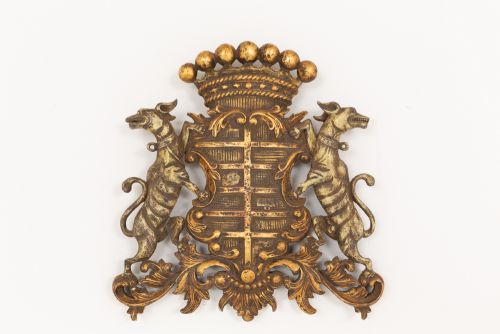
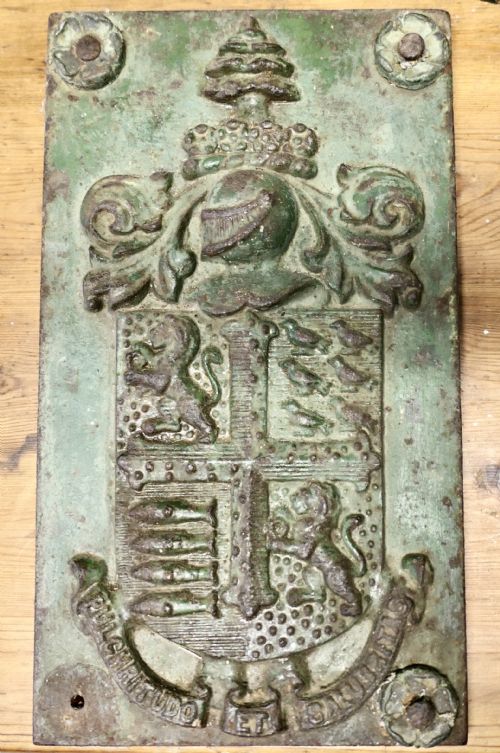
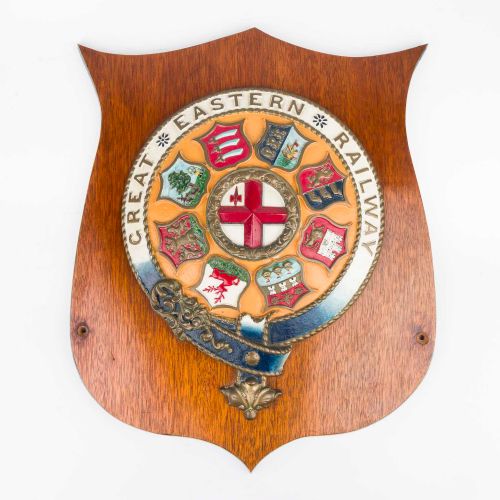
The most common examples on this page take the form of heavy cast metal plaques and carved wooden armorial shields. These pieces range from railway company crests and royal coats of arms to specific local authority insignia.
Makers produced these wall plaques for administrative offices, railway carriages, and formal interiors to project authority and heritage. Their enduring appeal lies in their strong graphic presence and the solid craftsmanship of past eras.
How they were made
Foundries cast these heavy wall plaques in iron, bronze, and brass, often capturing intricate relief details in the metalwork. Artisans frequently enhanced the raised charges and mottoes using paint and gold leaf to ensure high contrast.
Carvers shaped wooden plaques from dense timbers like mahogany and oak, applying gesso layers to support detailed sculptural elements. This combination of durable metal and carved hardwood ensured the emblems survived decades of public and private display.
Vintage Heraldic Wall Plaque Retail Price Guide 2026
Typical asking prices for vintage heraldic wall plaque among the pieces listed under this phrase on Sellingantiques today, from the lower quarter to the upper quarter. They describe what is for sale here now, not the wider market.
Even the Ministry of Supply needed proper branding, as proven by Glasgow's stout metal plaques.
What varies in quality
The distinction between ordinary and exceptional pieces rests upon the crispness of the casting and the depth of the carving. Superior items retain their original polychrome paint or gold leaf surfaces without heavy modern repainting.
Historical provenance and specific institutional associations also elevate certain examples above standard decorative plaques. Pieces linked to named railways, government ministries, or specific municipal bodies command greater interest through their documented context.
The Vintage Heraldic Wall Plaque Glossary
- Armorial shield
- A defensive shield shape displaying a coat of arms with specific heraldic charges. It serves as the primary format for many wall plaques.
- Coat of arms
- A unique heraldic design displayed on a shield or plaque, historically used to identify families, towns, or corporate bodies. These symbols communicate lineage and institutional authority.
- Cast iron
- An iron alloy poured into a mould to create solid, heavy objects with sharp relief. This material underpins many nineteenth century railway and civic plaques.
- Gesso
- A plaster mixture applied to wood surfaces as a smooth base for gilding and painting. It allows carvers to achieve fine decorative details before finishing.
- Gold leaf
- Gold beaten into extremely thin sheets and applied to surfaces for decoration. It highlights raised lettering and heraldic elements on metal and wood.
Vintage Heraldic Wall Plaque: Frequently Asked Questions
What is a vintage heraldic wall plaque?
A vintage heraldic wall plaque is a decorative display piece featuring a coat of arms, crest, or institutional emblem. These items date from the nineteenth and early twentieth centuries.
They were typically cast in metal or carved from hardwood to represent towns, railways, or government bodies.
Where were these plaques originally displayed?
Original locations included administrative offices, railway stations, municipal buildings, and private studies. Railway companies and government ministries used them to mark their property and presence.
Today, collectors hang them in hallways, studies, and living rooms for a strong historical statement.
How do I date an armorial plaque?
Dating relies on material clues, casting techniques, and any specific historical references or company names on the piece. Nineteenth century examples often feature heavier cast iron, while later pieces incorporate bronze or specific ministry markings.
Examining the original paint layers and fixing methods also helps establish the era of manufacture.