

Antique Heavy Doorstop
An antique heavy doorstop holds back a timber door with substantial weight, combining sturdy utility with cast metal ornament.
Antique Heavy Doorstop
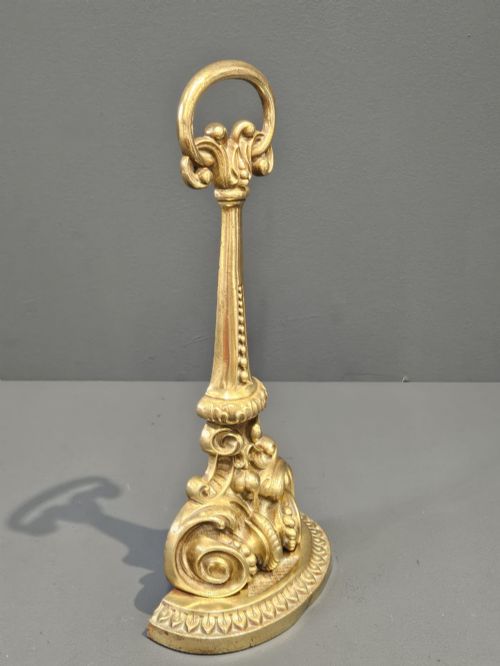
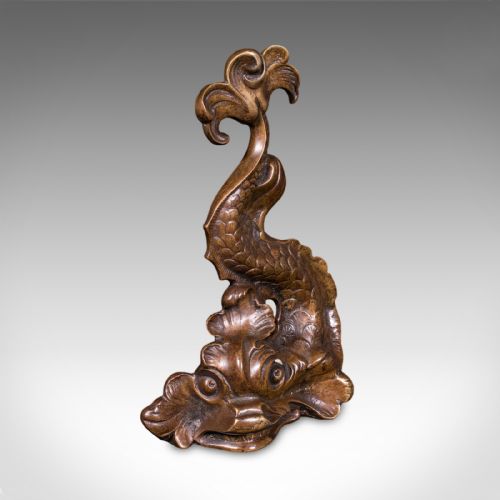
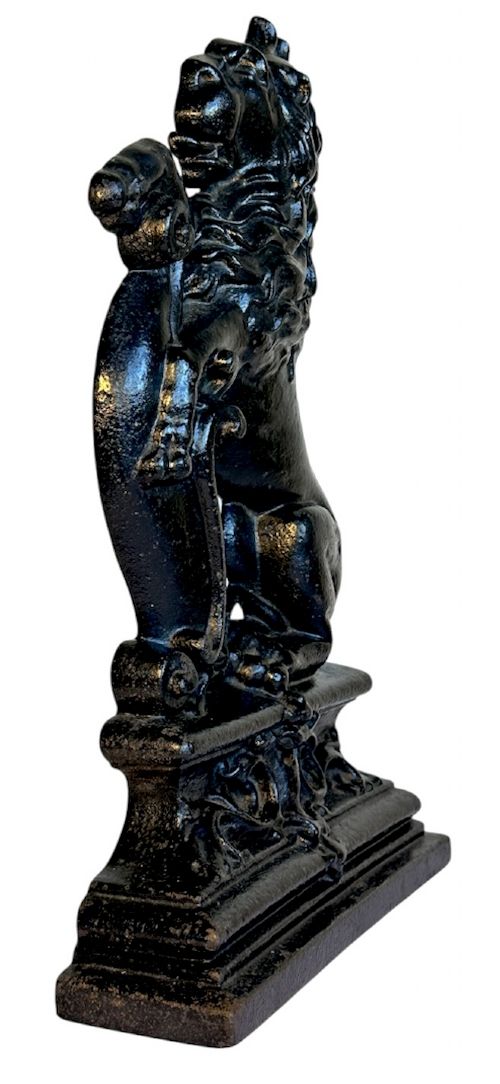
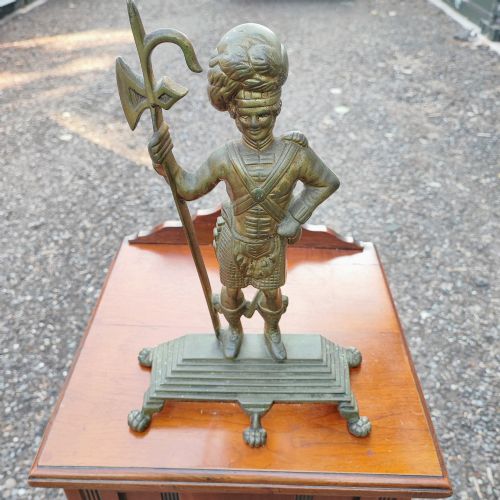
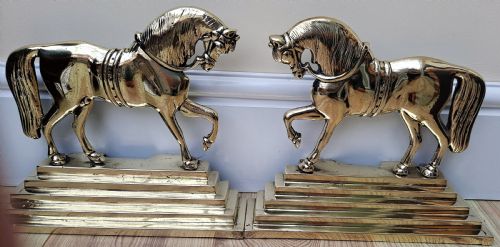
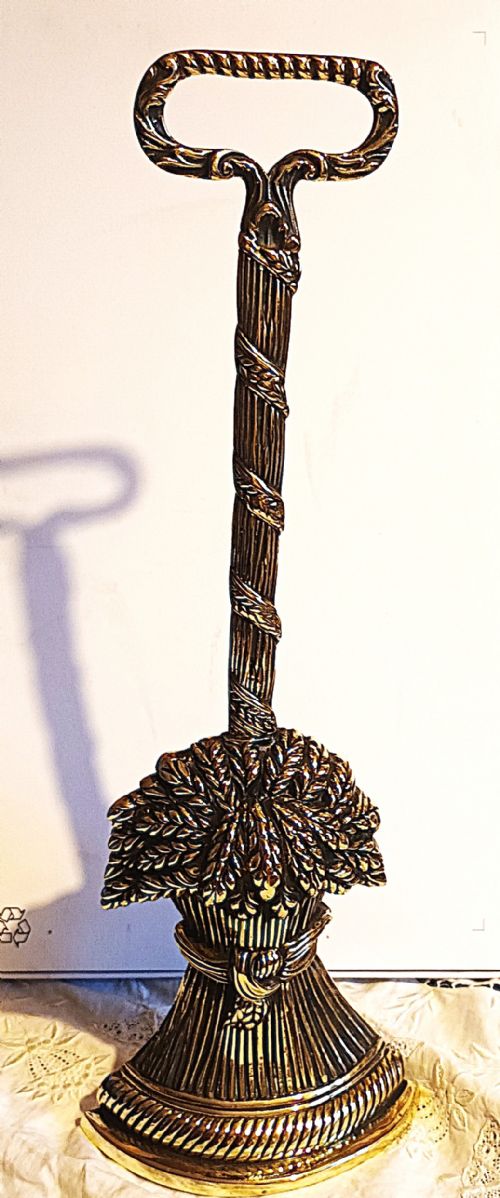
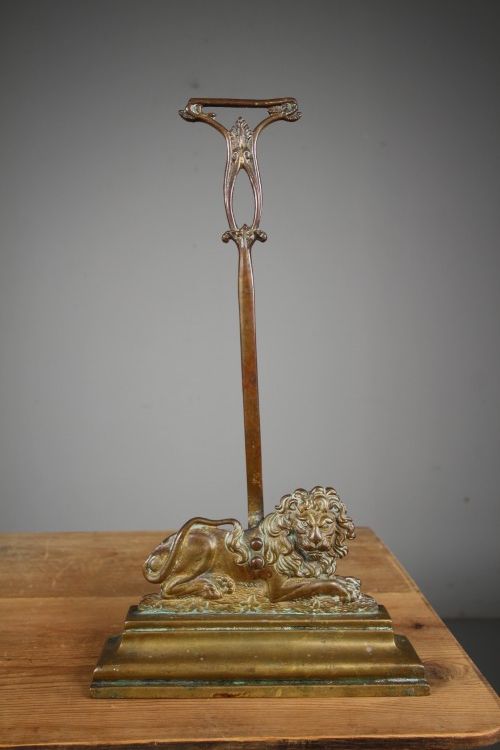
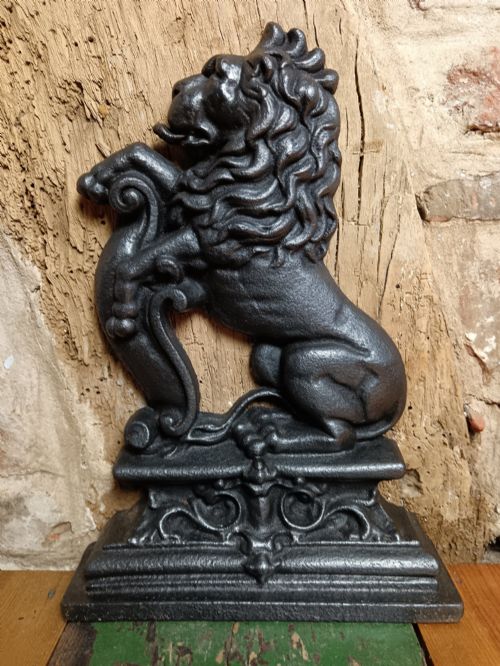
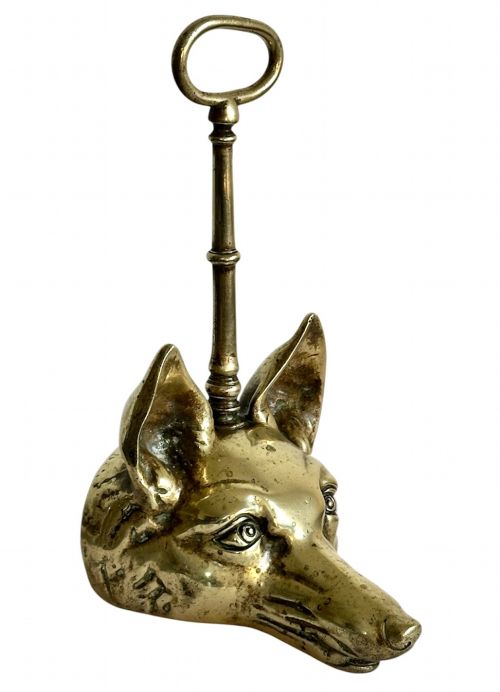
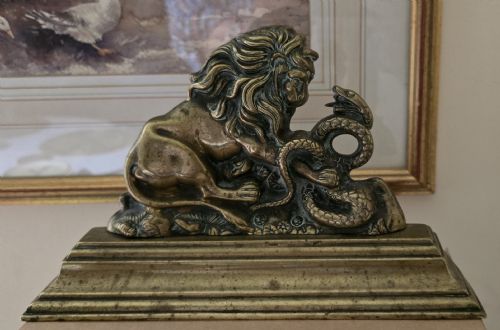
An antique heavy doorstop is a functional object designed to prop open interior doors in country houses and town residences. Most examples encountered here date from the Victorian and nineteenth century periods, cast in solid metals to withstand daily use. Common figurative forms include rampant lions, heraldic animals, military figures, and popular characters like Mr Punch.
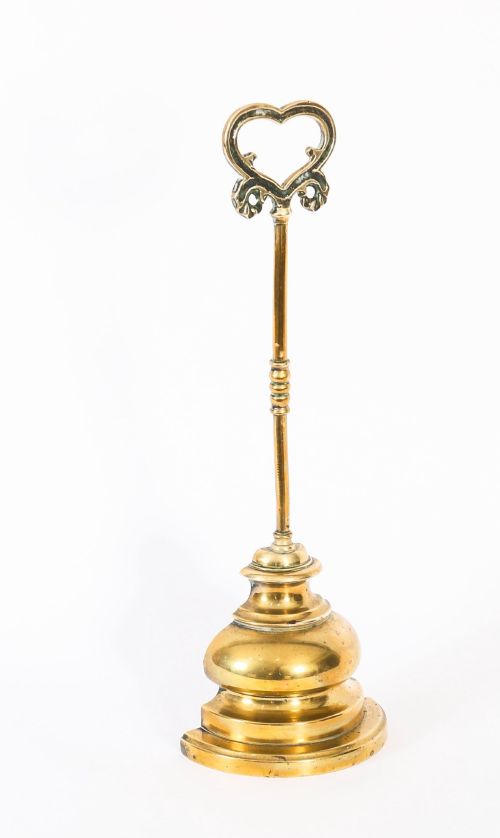
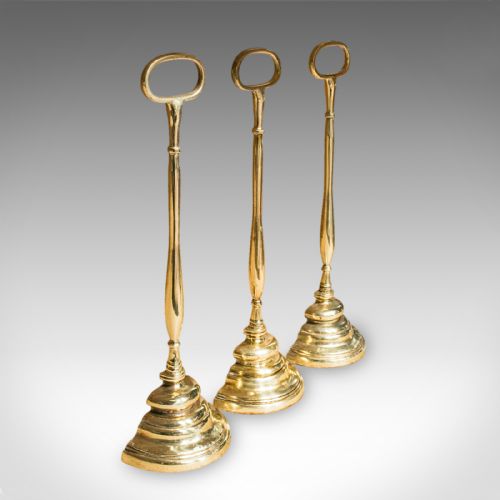
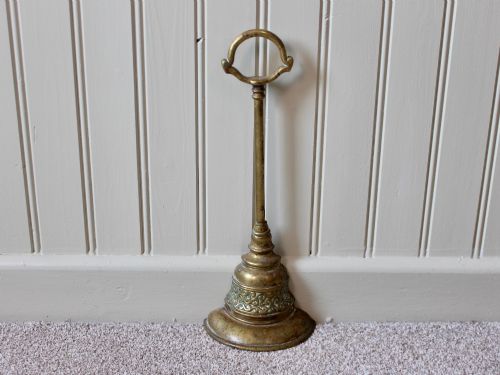
Makers produced these pieces using durable materials such as cast iron and brass to provide the necessary heft. Alongside traditional upright doorstops, search results occasionally yield related heavy utilitarian items like boot scrapers and door porters. These objects served utilitarian roles in hallways and corridors while displaying decorative regional styles.
Dating ranges from the Georgian era through the Regency and Edwardian periods, with the majority belonging to the Victorian age. English country house and traditional Scottish designs appear frequently among the listings. Each piece reflects the interior aesthetic and metallurgical skill of its specific decade of production.
Materials and casting methods
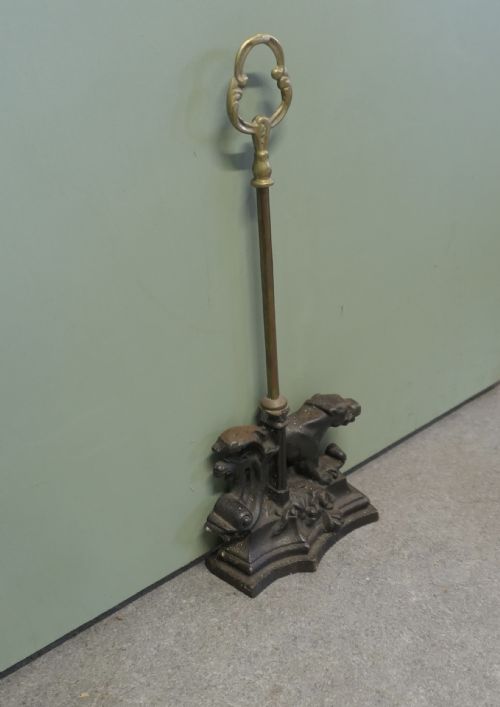
Foundries manufactured these items primarily through sand casting, pouring molten brass, cast iron, or bronze into packed moulds. Iron pieces provided deep, utilitarian weight while brass examples offered a polished, golden surface suited to formal rooms. Some items retained traces of original paint or combined cast iron bodies with applied brass details.
Makers fashioned detailed figures by hand-finishing rough castings with files and chisels before assembly. Heavier door porters often integrated structural handles or loops into the cast design to assist with movement across floorboards. The resulting structures relied on sheer mass rather than complex mechanisms to perform their function.
Assessing the cast metalwork
The choice and treatment of metal further separate standard production items from finer studio work. Heavier gauge metal and careful patination indicate higher manufacturing standards during the Victorian and Regency periods. Original surface finishes, whether unpolished iron or bright cast brass, preserve the integrity of the maker's output.
Tonks·William Tonks
The Antique Heavy Doorstop Glossary
- Door porter
- A tall, weighted door stop featuring an integrated carrying handle at the top. These pieces were designed to be lifted easily and moved between heavy interior doors.
- Cast iron
- An iron-carbon alloy poured into moulds to create rigid, heavy objects. It formed the structural core of many utilitarian nineteenth century items.
- Cast brass
- An alloy of copper and zinc shaped by molten pouring. It provided a decorative, corrosion-resistant surface for formal domestic hardware.
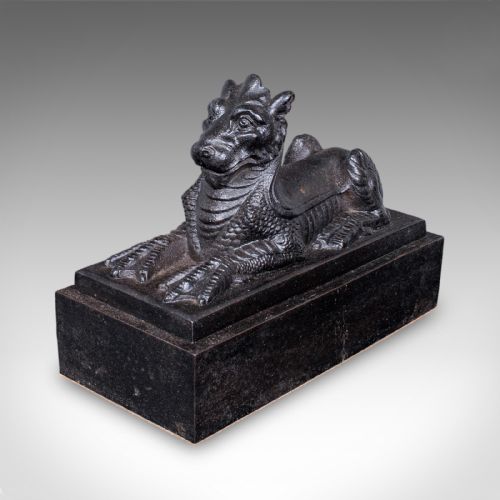
- Egyptian revival
- A nineteenth century design style incorporating motifs from ancient Egypt. Pieces in this category often feature sphinxes and classical architectural details.
- Regency
- An English stylistic period spanning the early nineteenth century. Furniture and metalwork from this era lean towards classical symmetry and refined proportions.
Antique Heavy Doorstop: Frequently Asked Questions
How do I use a heavy doorstop safely?
Place the heavy doorstop securely against the base of the open door to prevent sudden movement from draughts. Ensure the weighted base rests flat on the floor surface to maintain stability.
Avoid positioning the piece where it might cause a tripping hazard in narrow hallways or busy corridors. Lift the object by its integrated handle rather than dragging it across delicate floorboards.
What materials were used for these doorstops?
Foundries relied heavily on cast iron and brass to achieve the necessary weight for holding doors open. Bronze and glass also appear less frequently among the recorded examples.
Some pieces combined cast iron bases with applied brass ornamentation or retained remnants of painted surfaces. These materials ensured durability in heavy-use domestic environments.
How do I distinguish Victorian from Regency pieces?
Regency examples often feature classical motifs like sphinxes and dolphins reflecting early nineteenth century design trends. They frequently date from the first quarter of the century.
Victorian pieces embrace a wider variety of figurative subjects, including animals, soldiers, and literary characters like Mr Punch. Their manufacture typically falls in the latter half of the nineteenth century.
Were these items used only for doors?
While primarily designed as doorstops and door porters, workshops also produced related heavy metal items. The listings include boot scrapers, paperweights, and companion sets intended for domestic utility.
Many shared the same casting techniques and figurative styles found on standard door keepers. Their substantial weight suited various practical tasks around the country house.