


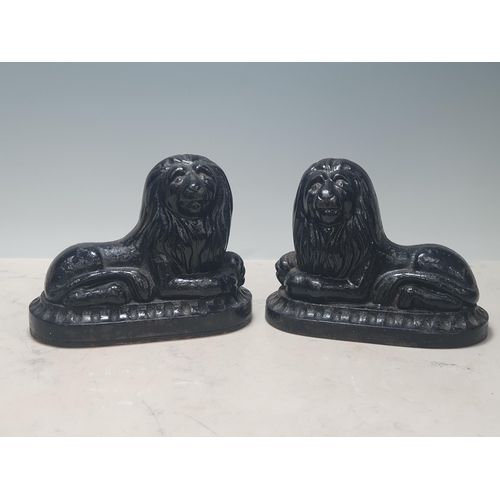


Lion Cast Iron Doorstop
A lion cast iron doorstop holds open heavy doors with authority, bringing robust Victorian or Georgian engineering into everyday rooms.
Lion Cast Iron Doorstop
A lion cast iron doorstop serves as both a practical weight and a sculptural ornament, appearing most frequently in rampant postures or as recumbent figures from the Victorian and Georgian eras.
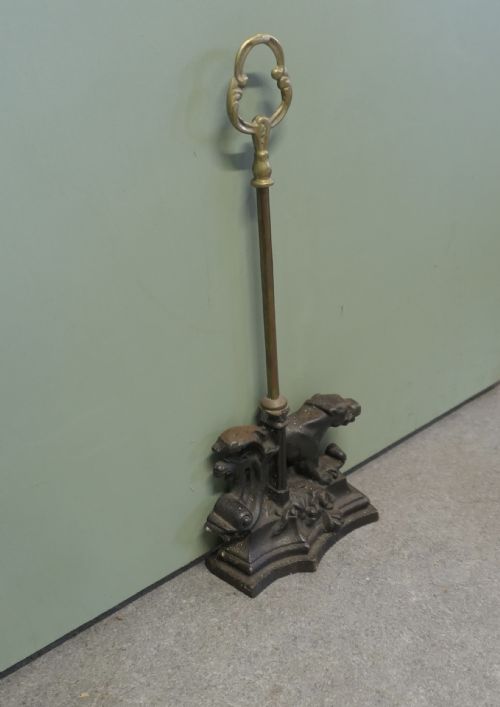
The objects on this page include door porters, figurative door keepers, and occasional related forms such as boot scrapers or decorative sculptures.
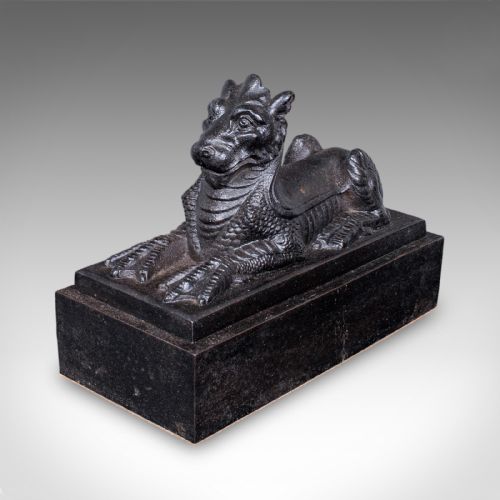
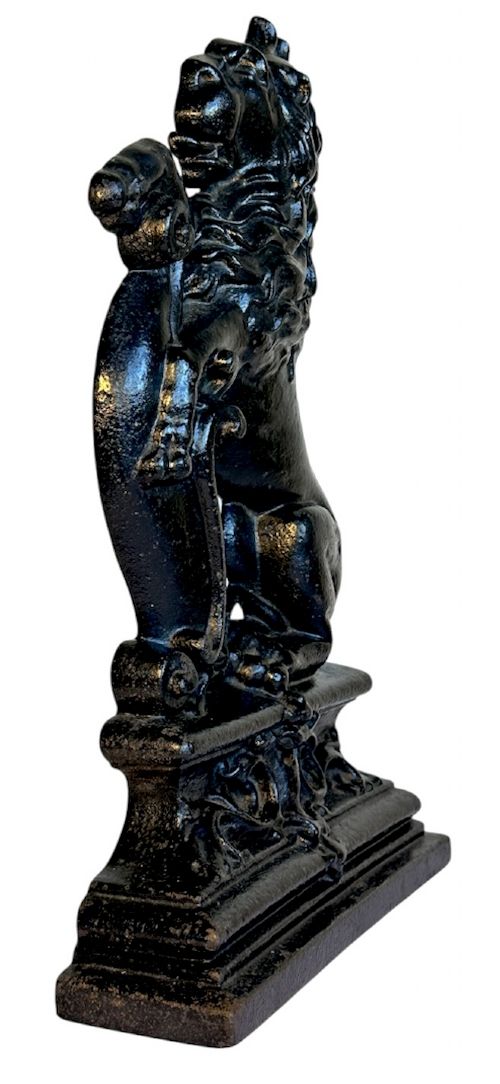
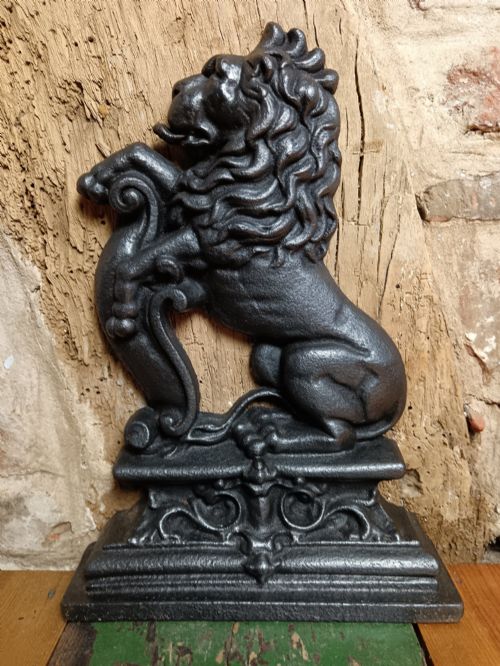
Moulded representations range from heraldic guardians and single rampant beasts to pairs of recumbent lions and detailed motifs involving serpents or paws.
How They Were Made
Foundries produced these heavy items using molten metal poured into sand moulds, capturing the fierce details of the lion's mane and musculature in durable cast iron.
Many examples retain traces of their original black or coloured paint applied to the metal surface, while brass components occasionally feature in specific decorative designs.
The casting process creates solid, weighted bodies designed to withstand daily use behind heavy timber doors without shifting.
Listings feature Victorian and Georgian pieces cast in iron, with occasional brass elements and painted finishes.
What Varies in Quality
The presence and preservation of original paint surfaces elevate the visual interest of a piece compared to later repainted or stripped ironwork.
The Lion Cast Iron Doorstop Glossary
- Cast Iron
- An iron-carbon alloy poured into moulds to create heavy, rigid objects. It provides the dense weight necessary for holding doors open securely.
- Rampant
- A heraldic posture where an animal stands on one hind leg with forepaws raised. This stance is the most common pose found among these iron figures.
- Door Porter
- An alternative historical term for a heavy doorstop featuring a handle or balanced shape for carrying. These items were moved easily from room to room.
- Recumbent
- Lying down or resting with the head raised. Pairs of these reclining lions frequently appear in nineteenth-century domestic settings.
- Boot Scraper
- A stationary metal implement placed near entrances for cleaning mud from footwear. Some heavy iron designs share foundry origins with domestic doorstops.
Lion Cast Iron Doorstop: Frequently Asked Questions
How heavy is a typical lion cast iron doorstop?
These pieces possess substantial weight derived from solid iron casting, making them heavy enough to hold open large interior doors.
Their dense mass prevents sliding on wooden or stone floors during use.
Were these items used in pairs?
While many examples served as single door keepers, matched pairs of recumbent lions also appeared in domestic hallways.
Single rampant figures remained the standard choice for general room use.
How do I care for cast iron surfaces?
Keep the iron dry and clean away dust gently with a soft brush to protect any surviving historical paint.
Avoid liquid cleaners that might penetrate porous metal or damage original surface finishes.
What is the difference between Victorian and Georgian pieces?
Georgian and Regency examples date from the earlier decades of the nineteenth century or late eighteenth century, often displaying distinct neoclassical or heraldic styling.
Victorian pieces reflect mid-to-late nineteenth-century manufacturing methods and popular domestic decorative tastes.