

Antique Hearth Rug
When you search for an antique hearth rug, you are looking at smaller-format woven floor coverings traditionally placed before a fireplace.
Antique Hearth Rug
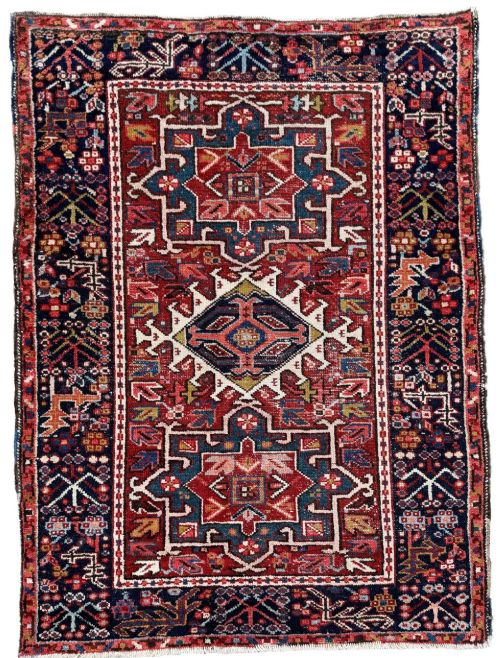
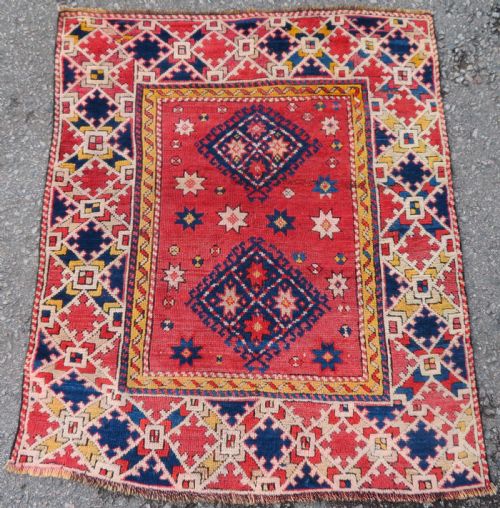
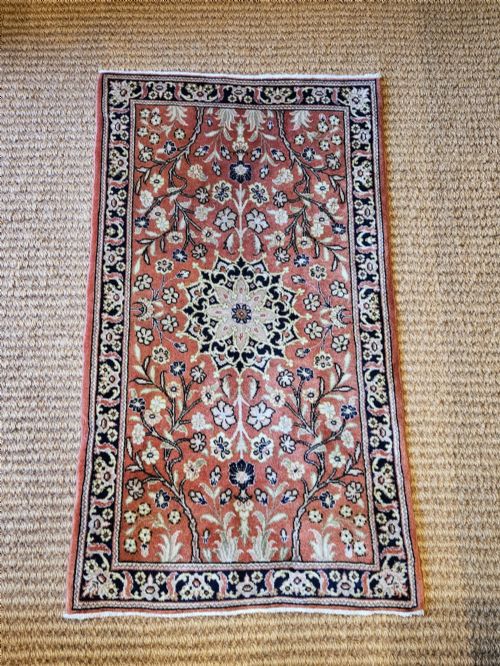
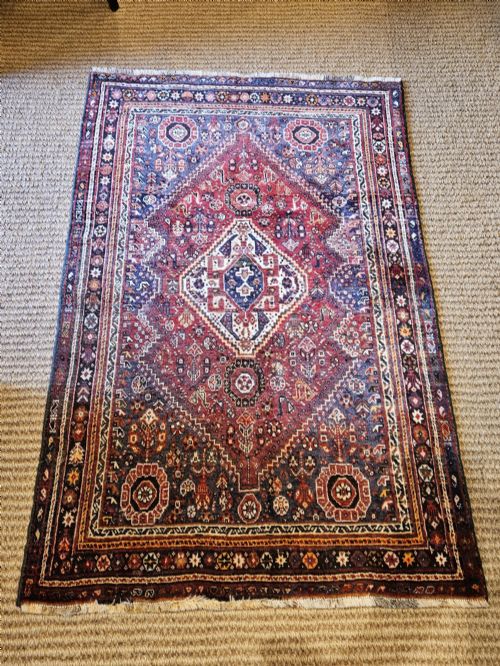
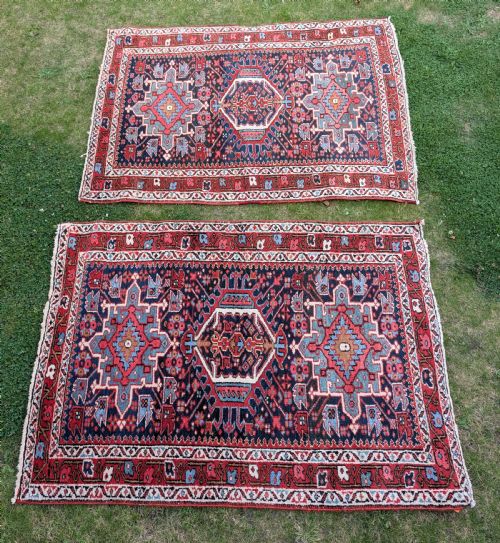
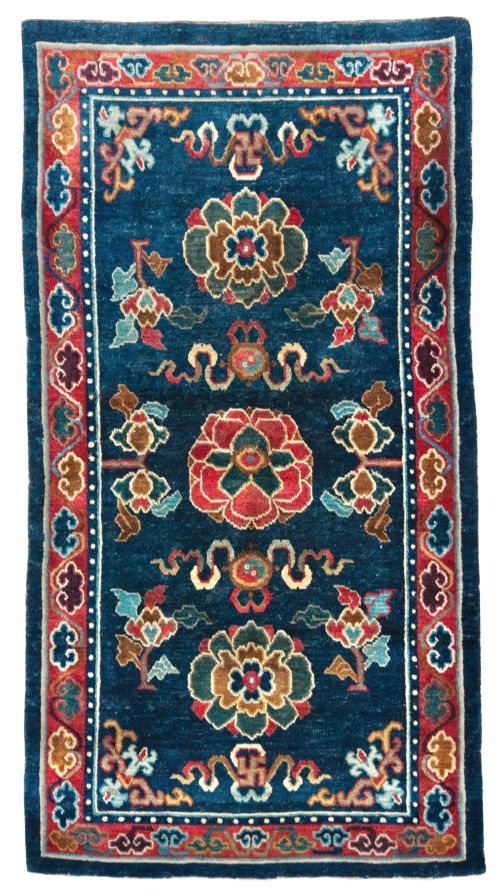
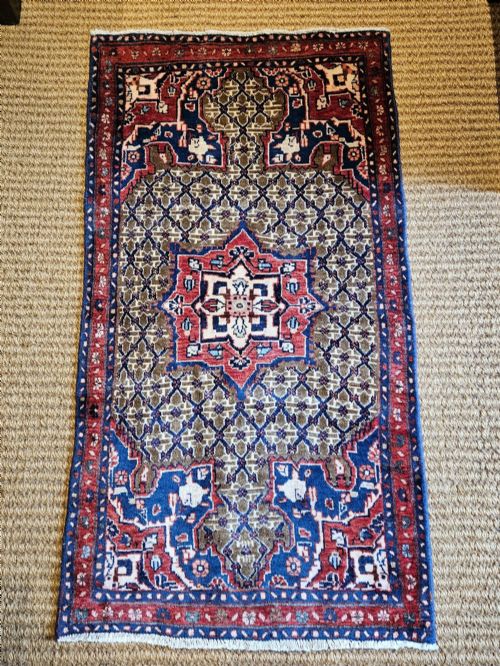
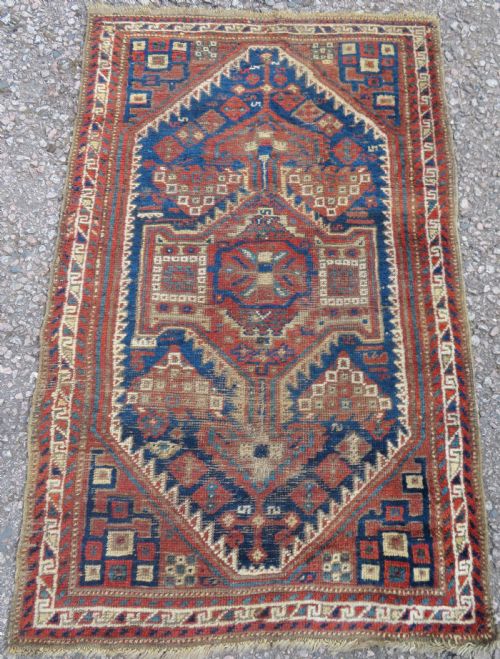
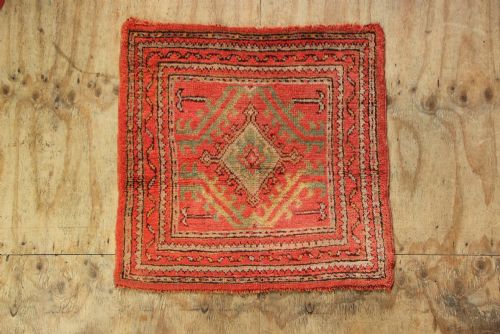
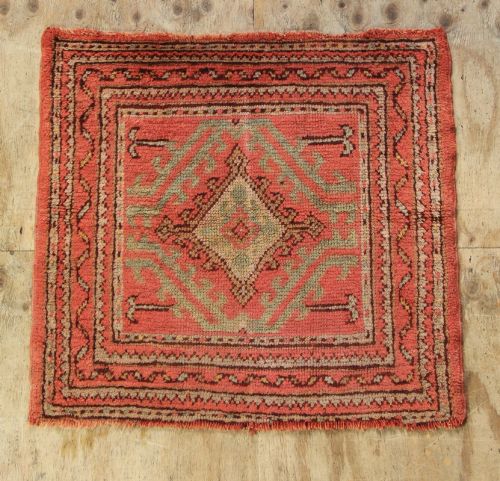
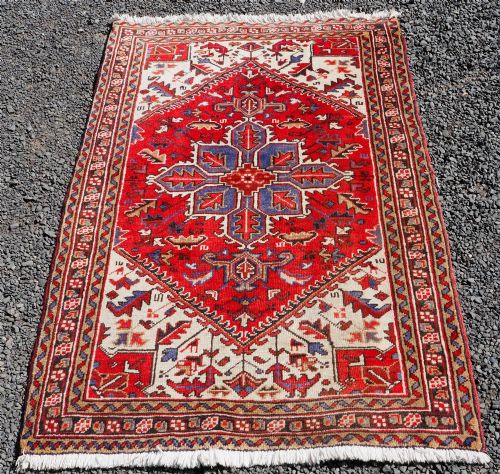
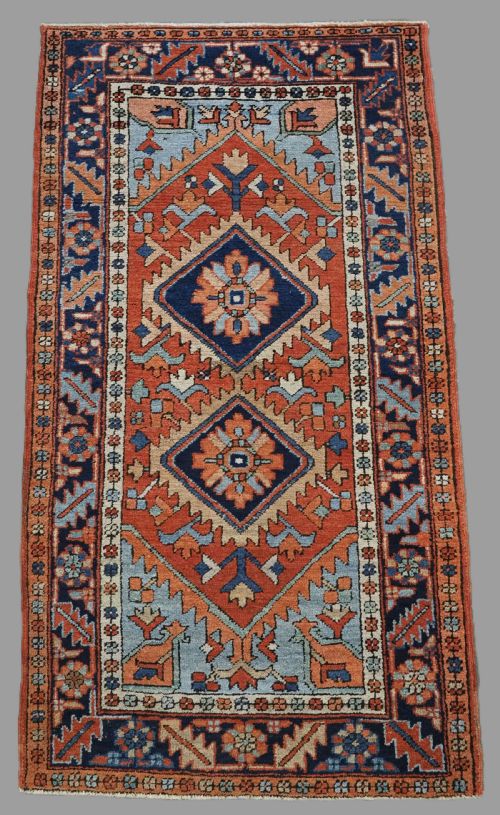
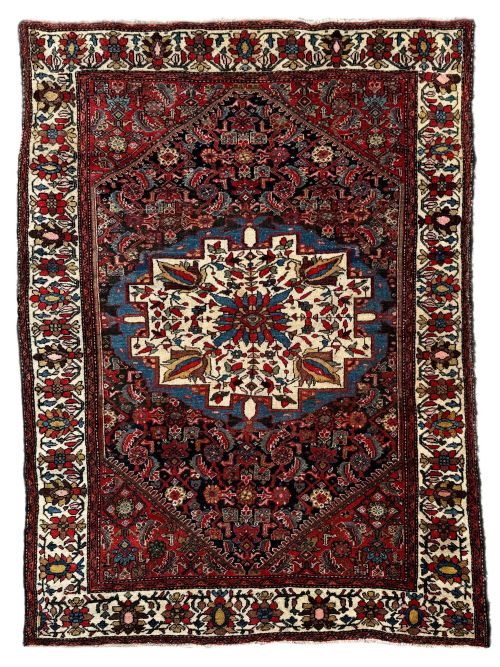
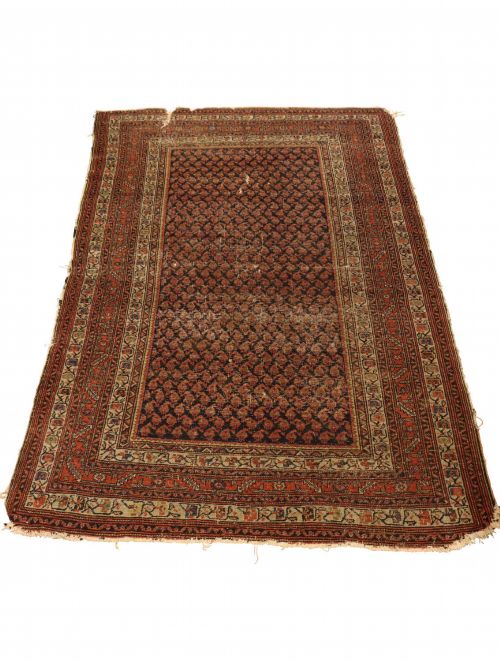
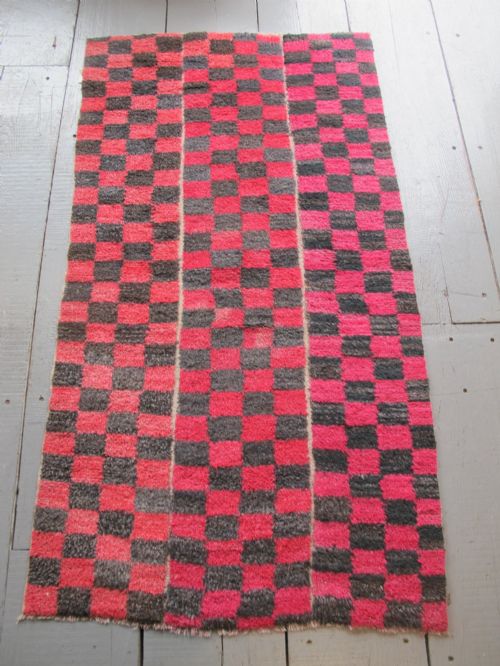
An antique hearth rug is a smaller format floor covering designed to sit in front of a fireplace, protecting the room from stray embers while adding warmth to a seating area. These textiles span various regional weaving traditions from the nineteenth and early twentieth centuries, including Persian, Anatolian, and Tibetan examples.
The pieces available in this category appear in distinct smaller proportions, often square or compact oblong shapes suited for placement before a mantelpiece. Formats range from village mats and prayer rugs to small carpet variants produced across Persia, Turkey, and Central Asia.
How They Were Made
These textiles were produced using hand-knotted pile techniques, incorporating materials such as standard wool, hand-spun wool, Tibetan wool, and occasionally camel wool. Foundation structures frequently utilise cotton warp alongside jute and burlap elements.
Weavers utilised natural dyestuffs to achieve deep colour palettes, building up rich backgrounds in rust, indigo, and earthy tones. The pile was knotted by hand onto sturdy warps, resulting in durable surfaces intended for heavy daily use.
Listings feature pieces spanning from the nineteenth century through the 1930s, utilising wool, cotton, and jute materials across Persian, Anatolian, and Tibetan styles.
What Varies in Quality
Quality in these floor coverings is determined by the density of the knotting and the fineness of the wool used in the pile. Tighter knots allow for sharper definition in intricate geometric and medallion patterns.
The depth and consistency of the natural colours also dictate value, with superior examples exhibiting vibrant, harmonious dye lots that age gracefully. Condition plays a role, though minor distress often accompanies genuine age in village and tribal pieces.
The Antique Hearth Rug Glossary
- Boteh
- A traditional almond-shaped or paisley motif representing a floral spray or cypress tree. It appears frequently across Persian and regional village weaves.
- Warp
- The vertical threads stretched tightly on the loom that form the structural foundation of the rug. Wefts are then passed across these threads to secure the knots.
- Medallion
- A central decorative motif placed in the middle of the field. Many regional rugs feature central geometric or star medallions.
- Prayer rug
- A small format textile featuring a mihrab or arch design indicating the direction of prayer. These were utilised for personal devotion in domestic settings.
- Pile
- The raised surface of the rug formed by the cut ends of knotted yarn. Thicker pile provides more cushioning underfoot.
Antique Hearth Rug: Frequently Asked Questions
Where should an antique hearth rug be placed?
These smaller floor coverings are traditionally positioned directly in front of a fireplace hearth to protect wooden flooring from sparks and heat.
They also function effectively as accent pieces in compact spaces, entryways, or beside a bed where full-sized carpets are impractical.
How do I care for an antique wool rug?
Regular gentle vacuuming without a rotating brush roll helps remove dust from the wool pile without damaging the foundational warps.
Professional cleaning is recommended for deep maintenance to preserve the natural lanolin in the wool and protect the natural dyes.
Are these rugs durable enough for daily use?
Hand-knotted wool textiles from the nineteenth and early twentieth centuries were built for heavy domestic service using sturdy materials like wool and cotton.
While antique pieces require thoughtful placement away from excessive moisture, their dense construction handles normal foot traffic well.
How can I identify the regional origin of a rug?
Origin is typically indicated by specific combinations of knotting structure, colour palette, and recurring motifs unique to weaving centres like Heriz, Karaja, or Oushak.
Village and tribal pieces often display characteristic geometric layouts and abrash colour variations that point directly to their geographic source.