


Antique Hardwood Pedestals
These antique hardwood pedestals bring solid presence to a room, offering elevated display surfaces shaped by nineteenth-century workshops from Britain to the Far East.

Antique Hardwood Pedestals
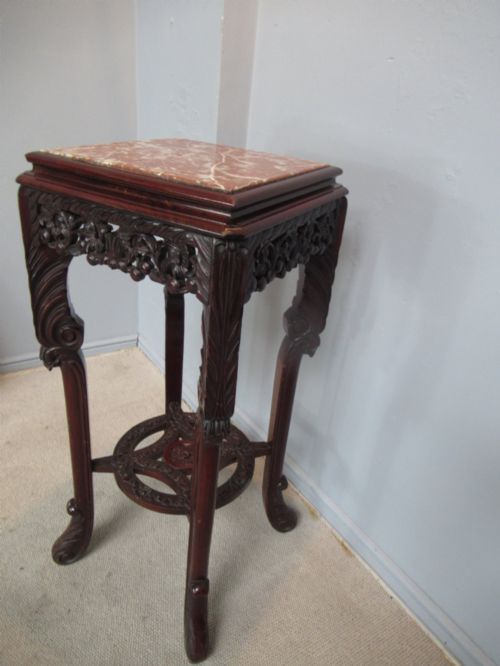
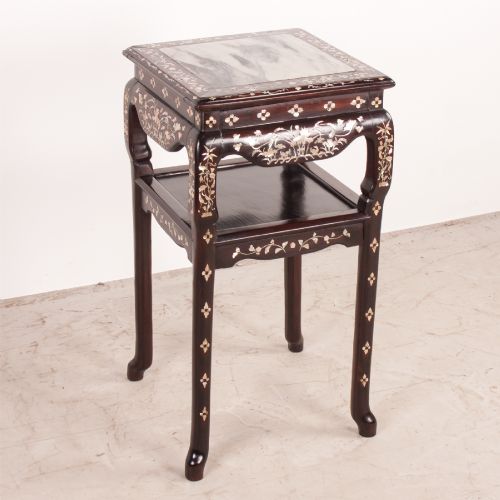
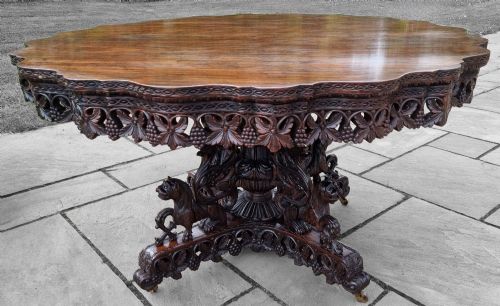
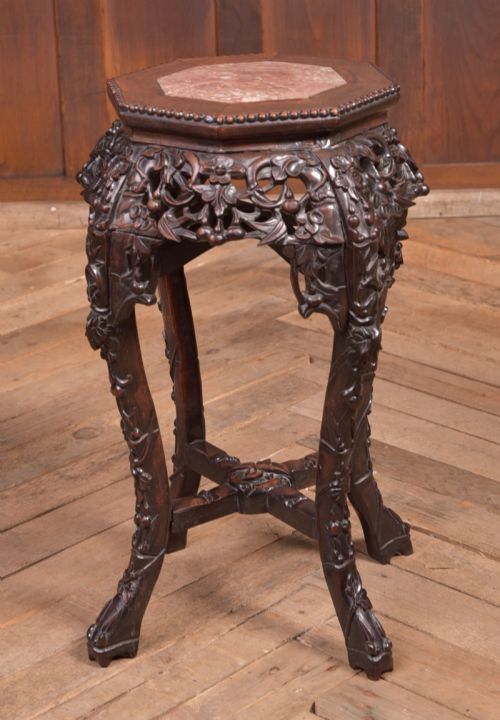
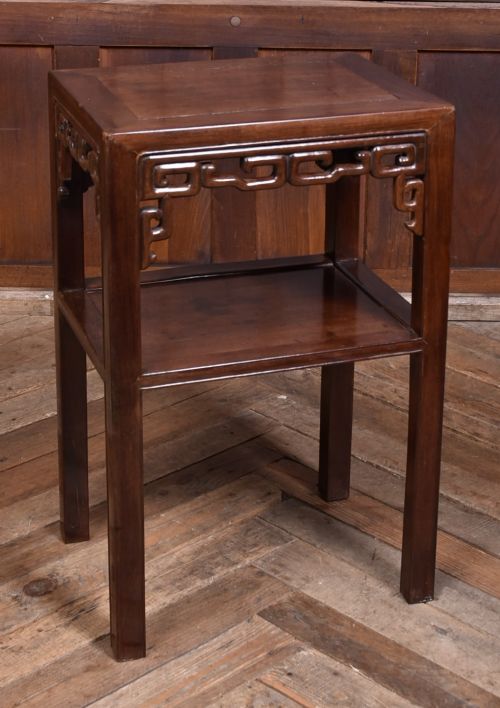
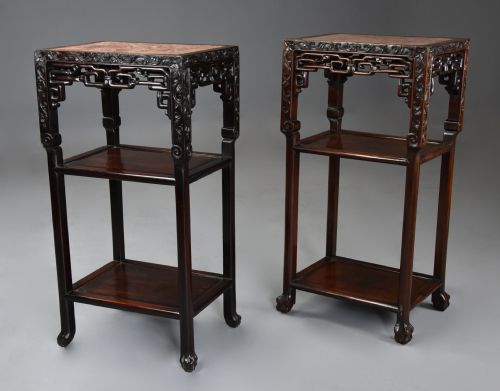
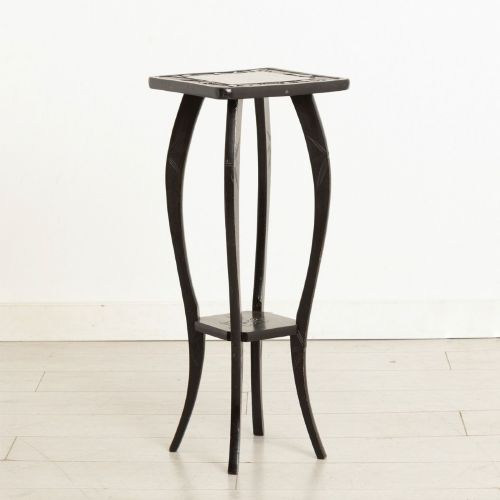
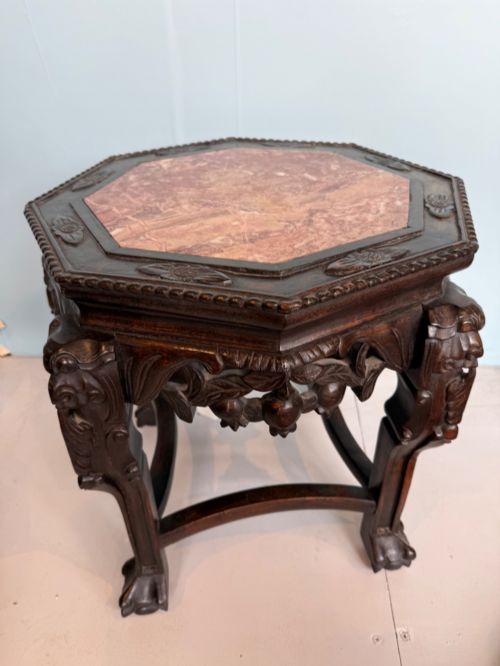
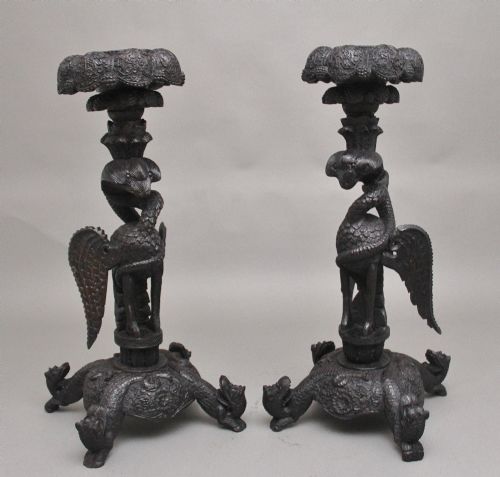
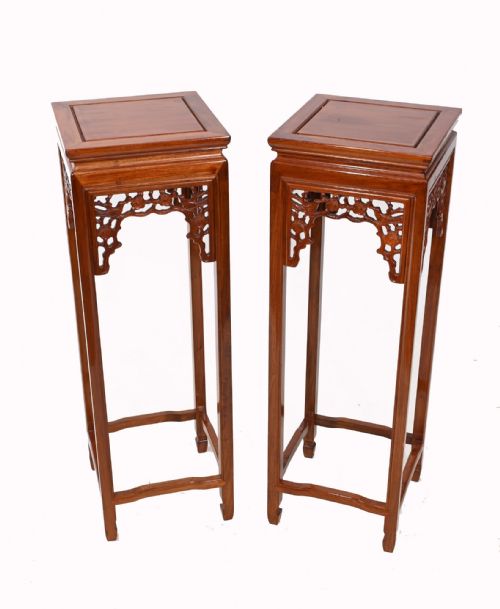
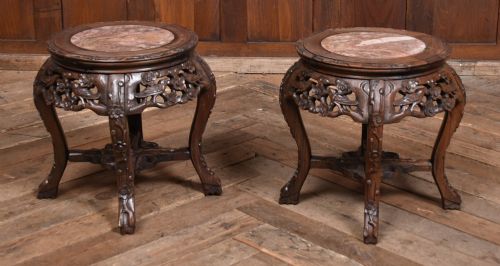
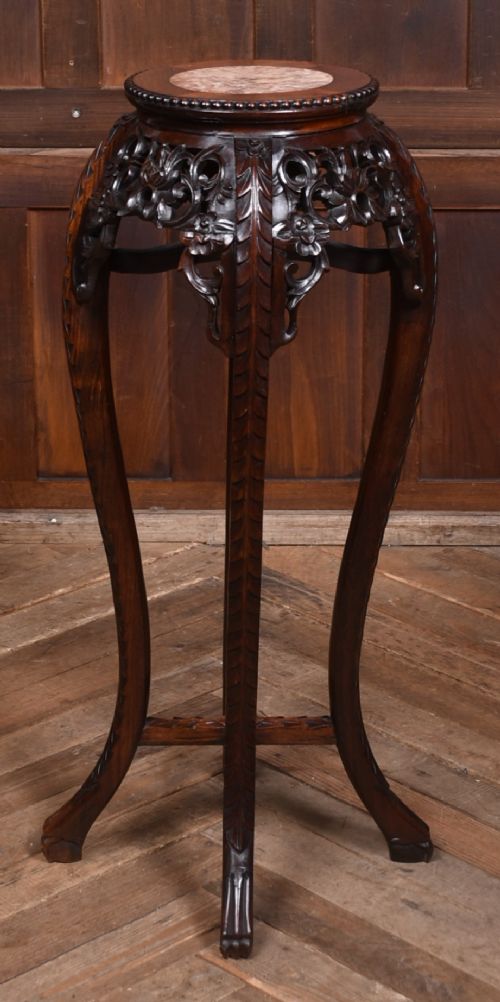
When you search for antique hardwood pedestals, you encounter a varied group of elevated stands, plant holders, and torchères designed to display objects at height. The selection on this page leans heavily toward nineteenth-century Chinese export and Anglo-Indian pieces, alongside Victorian examples in ebonised wood and mahogany.
Forms range from small marble-topped pot stands and jardiniere tables to grander torchères and occasional tables. Many incorporate inset stone surfaces or intricate carved motifs rooted in Qing Dynasty traditions and regional British colonial craftsmanship.
How they were made
Craftsmen built these pieces using dense timbers such as padouk, rosewood, and teak, frequently combined with inset rouge marble panels for durable display tops. Ebonised finishes and mother of pearl inlay appear on select Victorian and Oriental items to create striking visual contrast.
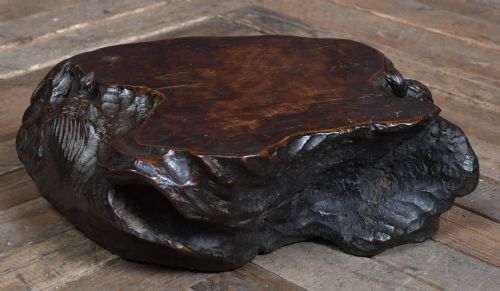
Joinery techniques relied on precise mortise and tenon construction to support heavy stone inserts and substantial loads. Hand-carving defines the surface detail, showing deep relief work on plant stands and torchères.
Object forms include plant stands, torchères, partners desks, and scholar's reading stands originating from China, Japan, and India.
What varies in quality
The standard of carving sets pieces apart, with superior examples displaying crisp undercut details and balanced proportions rather than flat, repetitive stamping. The quality and thickness of the inset marble top also signal workshop pedigree.
Timber selection plays a major role, as heavy, unblemished padouk or well-figured rosewood commands greater presence than softer secondary woods. Structural integrity in the legs and stretcher joints separates daily utilitarian stands from fine display furniture.
Liberty of London
The Antique Hardwood Pedestals Glossary
- Torchère
- A tall, slender stand designed specifically to hold a lamp or candle. These pieces often feature elevated platforms supported by carved columns.
- Jardiniere
- A large ornamental pot or container for plants. A jardiniere stand provides a raised platform to display such vessels indoors.
- Padouk
- A heavy, durable tropical hardwood with a reddish hue. Makers utilised this timber for its strength and rich grain in Anglo-Indian and Chinese furniture.
- Ebonised
- Wood treated with a dark stain or finish to imitate ebony. This technique gained popularity in Victorian workshops for decorative side tables and stands.
- Qing Dynasty
- The final imperial dynasty of China, spanning from sixteen-forty-four to nineteen-twelve. Many export pieces on this page draw from the aesthetic conventions of this period.
Antique Hardwood Pedestals: Frequently Asked Questions
What were antique hardwood pedestals originally used for?
These pieces served practical roles in holding heavy flower pots, porcelain vases, lamps, and decorative ornaments off the floor. Wealthy households placed them in drawing rooms and halls to showcase prized possessions at eye level.
Over time, smaller versions adapted to function as wine stands, reading desks, or occasional side tables beside seating furniture.
How do I care for a marble-topped plant stand?
Clean the stone surface regularly with a soft, damp cloth and dry it immediately to prevent water spots. Avoid harsh chemical cleaners that can etch the polished finish of the marble.
Treat the surrounding hardwood frame with occasional applications of appropriate furniture wax to nourish the timber and maintain its natural sheen.
Are these stands sturdy enough for daily use?
Most antique hardwood pedestals are constructed from dense, heavy timbers like padouk or rosewood, which provide inherent stability. Their original design anticipated the weight of large ceramic planters and bronze figures.
Placing them on level flooring ensures they remain secure, though placement in high-traffic corridors where they might be knocked should be avoided.
How can I tell a Chinese export stand from a Victorian piece?
Chinese export stands typically feature traditional carving motifs such as dragons, prunus blossoms, or fretwork, often incorporating inset marble tops. Victorian pieces frequently utilise ebonised wood, mahogany, or geometric revival styles common in British interiors.
Overlap occurs where British firms imported Oriental components or designed pieces specifically to mimic Eastern aesthetics during the nineteenth century.