



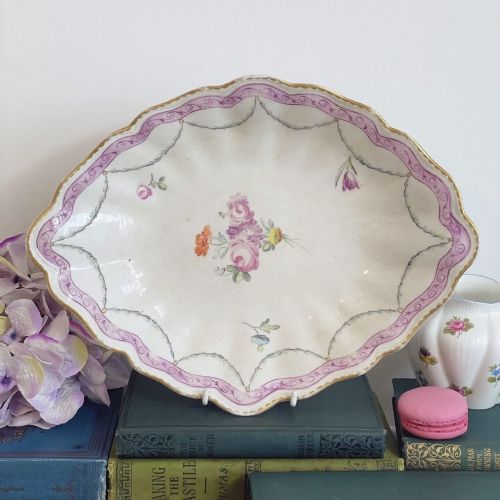
Antique Hand Painted Dish
An antique hand painted dish brings the vibrant skill of ceramic artists from past centuries straight to a table or cabinet.
Antique Hand Painted Dish
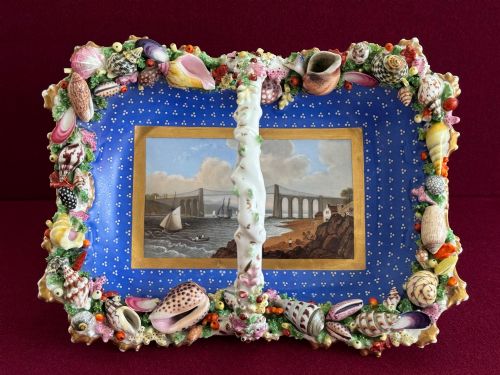
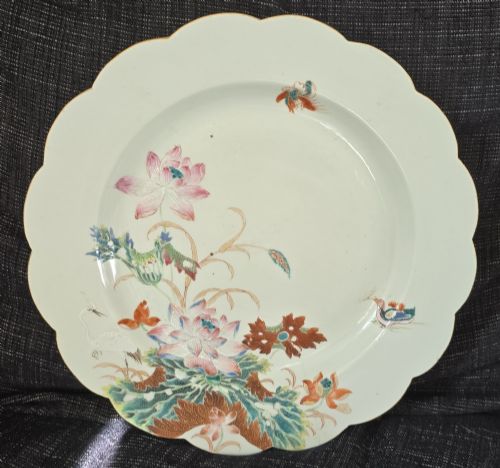
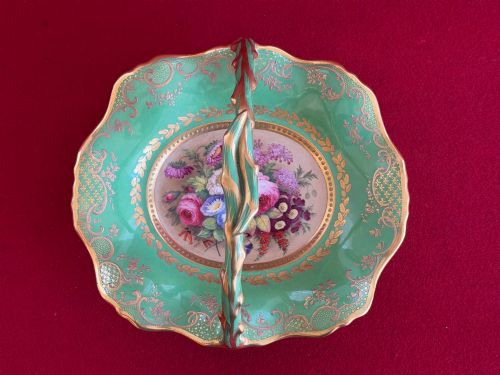
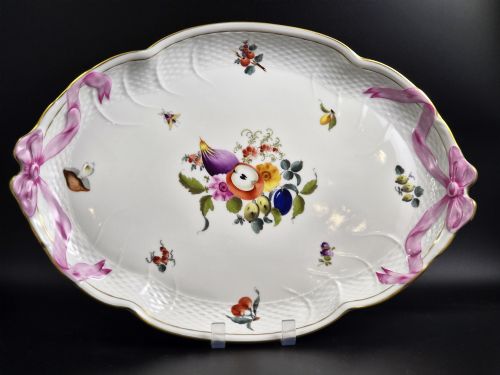
When you search for an antique hand painted dish, you encounter a wide variety of ceramic tableware and display pieces, including cabinet plates, decorative bowls, chargers, and serving platters. The objects range from utilitarian vessels to formal cabinet pieces meant entirely for visual appreciation.
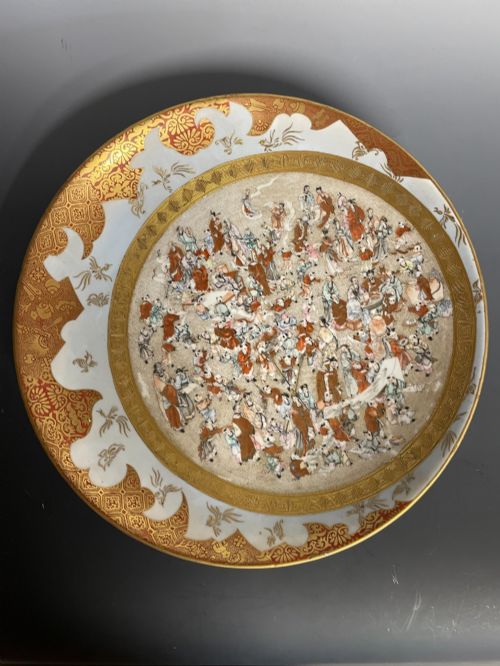
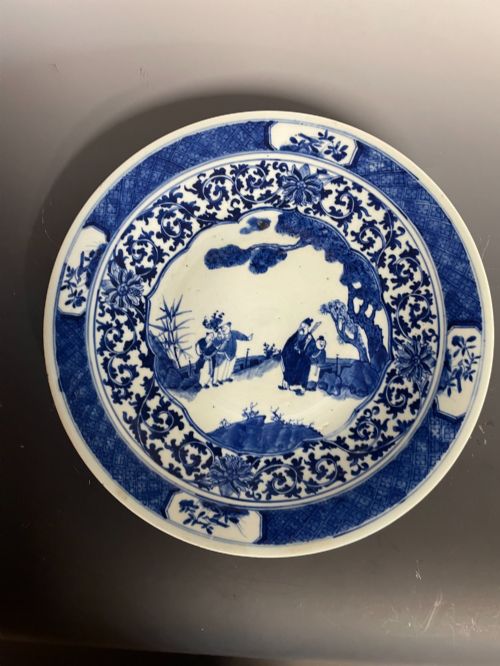
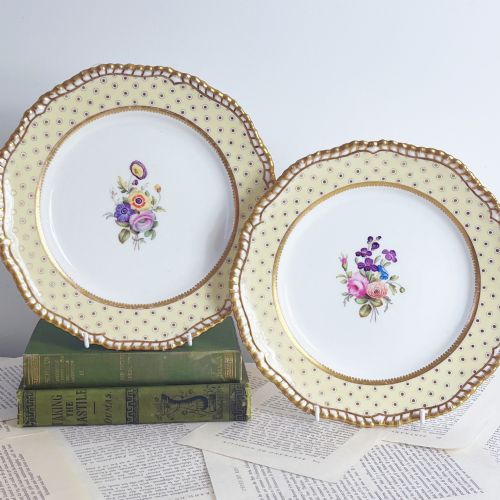
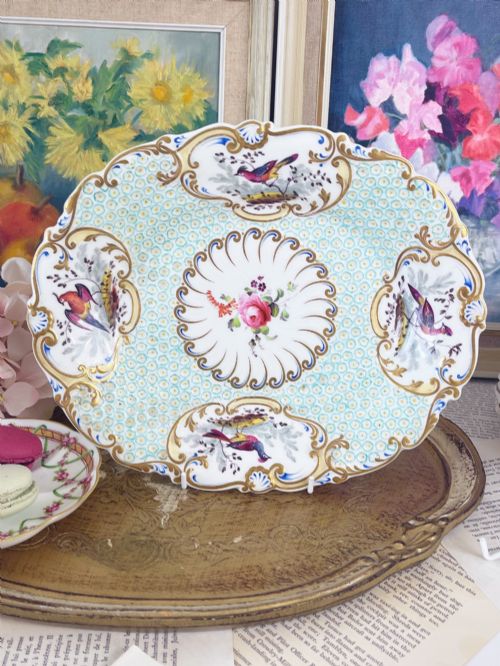
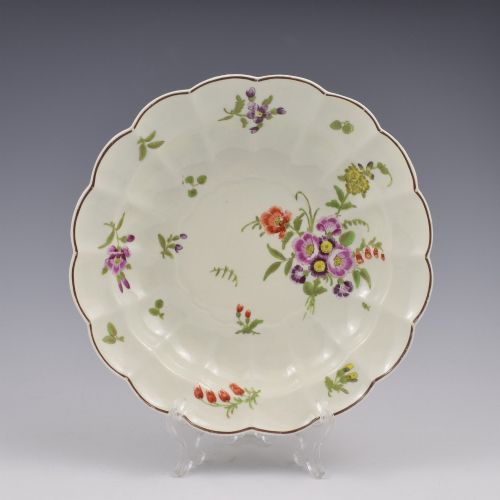
The selection on this page draws heavily from eighteenth-century English factories, nineteenth-century European porcelain works, and Japanese export wares of the Meiji period. You will frequently find pieces featuring botanical studies, birds, or intricate oriental patterns across various forms.
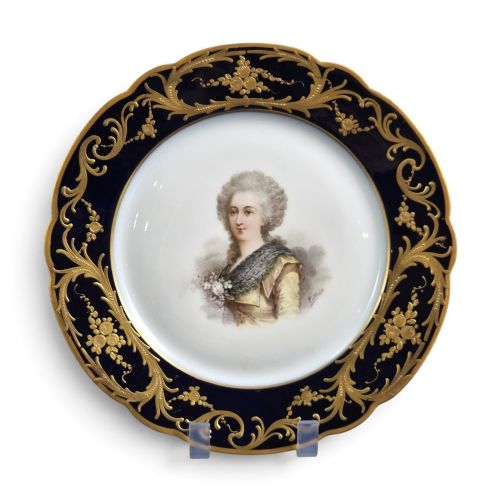
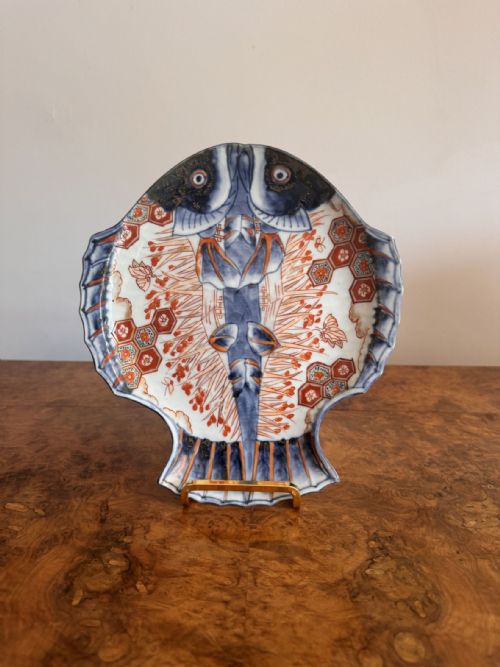
English factories such as Worcester, Derby, and Spode appear regularly alongside continental houses like Sèvres, Meissen, and KPM Berlin. Alongside these European works, Japanese Imari and Kutani wares represent a strong tradition of hand painting from overseas markets.
Methods of manufacture
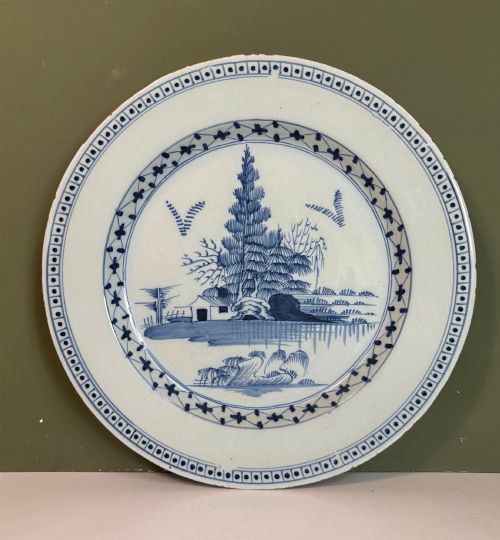
Potters shaped these objects using hard-paste porcelain, bone china, earthenware, and pearlware, often applying a tin glaze or standard transparent glaze before decoration. Artisans then executed the hand-painted designs using mineral pigments that could withstand high kiln temperatures.
Gilding with gold leaf or liquid gold added rich metallic highlights to borders and motifs, frequently fixed during a secondary firing stage. Moulded reliefs, scalloped edges, and pierced handles required precise manual shaping while the clay remained damp.
Object forms recorded here range from scalloped edge bowls and oval serving dishes to botanical sauce tureens and figural double salt cellars.
Variations in quality
The sophistication of the brushwork largely determines the distinction between ordinary production and top-tier execution, visible in the fine detail of painted feathers, flora, and facial expressions. Master painters employed by leading factories produced nuanced shading and precise outlines that lesser workshops omitted.
The purity of the ceramic body and the consistency of the glaze also separate exceptional pieces from standard wares, preventing discoloration or distortion during firing. Furthermore, documented attributions to specific factory decorators elevate the standing of individual items.
Spode·H & R Daniel·Dr Wall Worcester·Derby·Coalport·Meissen·Chelsea·Royal Worcester·Flight Barr and Barr·KPM Berlin·Royal Crown Derby·Swansea·Chamberlains Worcester
The Antique Hand Painted Dish Glossary
- Cabinet plate
- A decorative ceramic plate intended for display in a cabinet or on a wall rather than for everyday dining. These items often feature elaborate hand-painted scenes and gilt borders.
- Charger
- A large decorative dish or plate used historically for formal service or displayed centrally on a sideboard. They provide an expansive surface for detailed painted landscapes or heraldic motifs.
- Imari
- A style of Japanese porcelain featuring distinctive underglaze blue and overglaze iron red, complemented by gold highlights. European factories frequently copied these bold patterns during the eighteenth and nineteenth centuries.
- Tin glaze
- An opaque white glaze containing tin oxide, applied to earthenware bodies to create a smooth surface for painting. This technique underpins traditional Delftware production.
- Bone china
- A type of porcelain incorporating bone ash into the paste, resulting in a strong, bright white body that accepts delicate enamel painting exceptionally well.
Antique Hand Painted Dish: Frequently Asked Questions
How were these dishes used originally?
Many of these items served practical functions at dining tables, holding fruit, sweetmeats, sauces, or main courses during formal meals. Wealthy households utilised grand chargers and service dishes to display status and hospitality.
Over time, many decorative plates and bowls transitioned to purely ornamental roles, displayed on walls, sideboards, or inside glass-fronted cabinets to showcase their artistic merits.
Can I use antique dishes for daily dining?
Using eighteenth and nineteenth-century ceramics for everyday meals is generally discouraged due to the fragility of the old bodies, glazes, and hand-painted enamel details. Frequent washing and cutlery contact can wear away delicate gilding and pigments.
Instead, these pieces are best reserved for occasional gentle use or kept entirely for display where they remain protected from accidental chipping or thermal shock.
How do I identify different factory periods?
Factories often stamped, painted, or impressed specific marks onto the underside of their wares, which change across different decades and leadership eras. Consulting reference guides helps match these marks to specific production years.
Stylistic shifts, such as the transition from Rococo curves to Neoclassical symmetry or Victorian exuberance, also provide clear clues regarding when a particular dish was made.
What is the difference between porcelain and earthenware?
Porcelain is fired at much higher temperatures, resulting in a dense, non-porous body that often appears translucent when held to the light. It provides a smooth, refined surface for intricate miniature painting.
Earthenware and pearlware are fired at lower temperatures and require opaque glazes, such as tin glazes, to create a suitable canvas for painted designs, giving them a heavier and more robust feel.