


Decorative Porcelain Fruit Dish
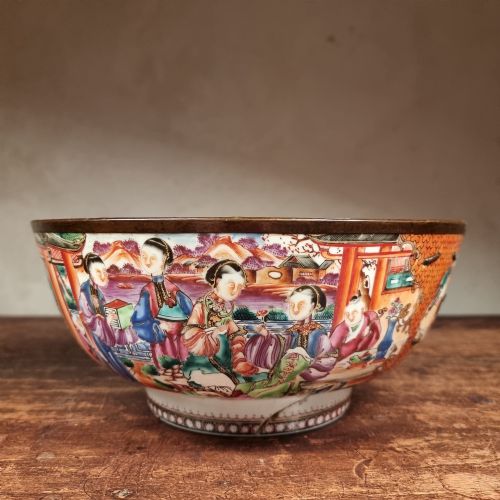
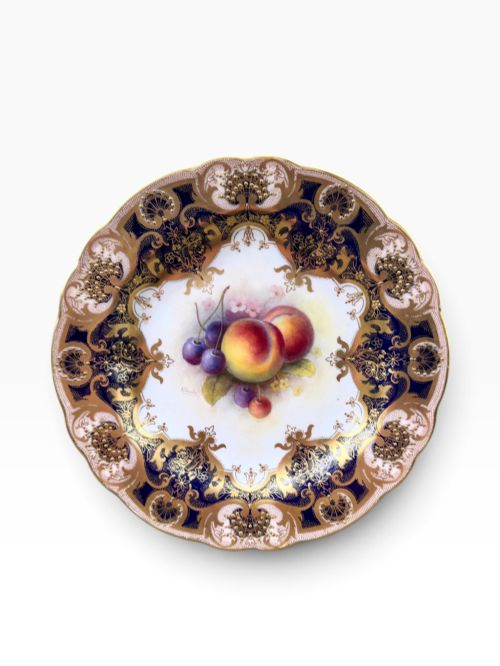
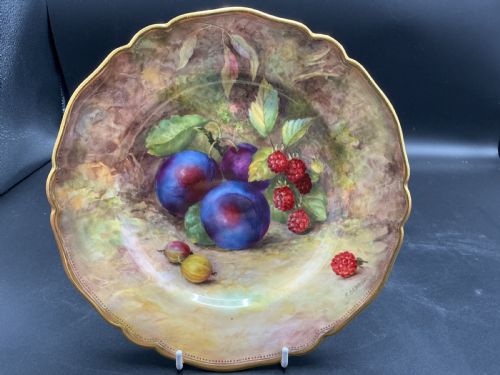
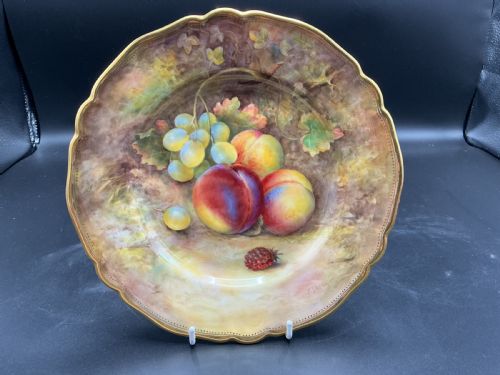
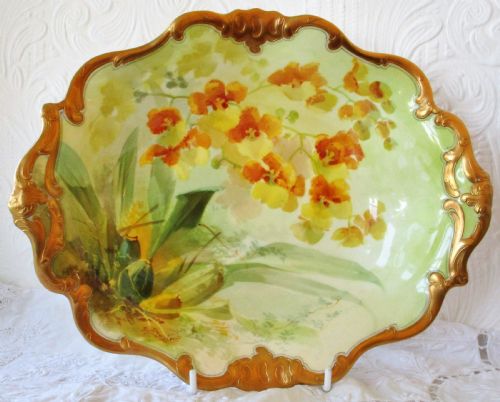
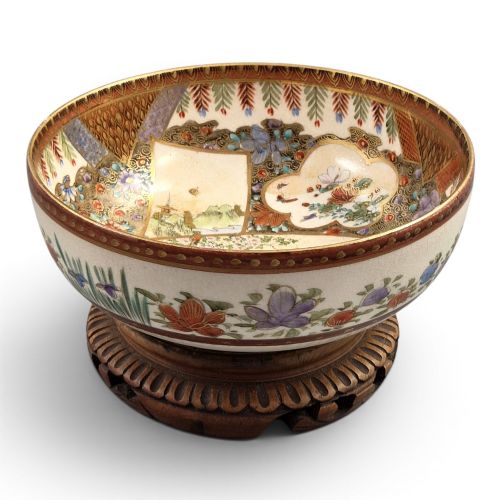
These decorative porcelain fruit dish selections bring together hand-painted bowls, cabinet plates and comports from English and international factories.
Decorative Porcelain Fruit Dish
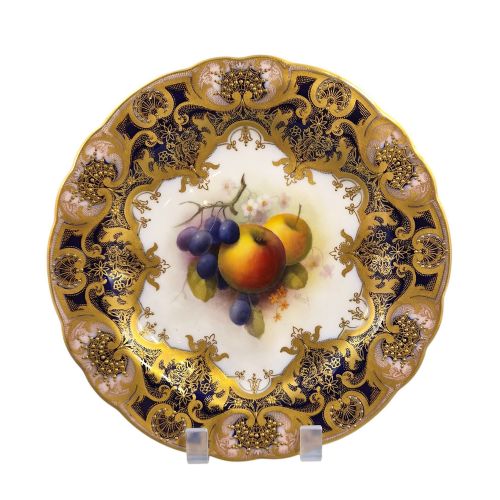
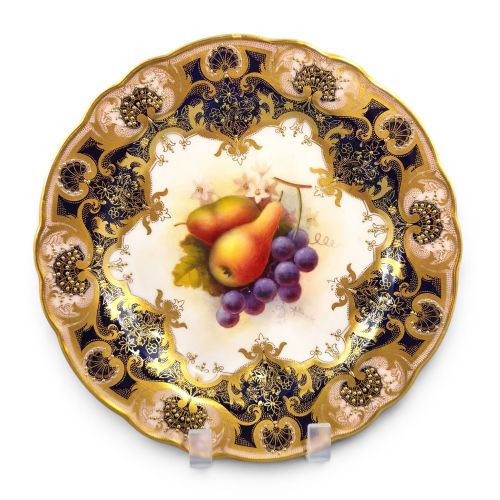
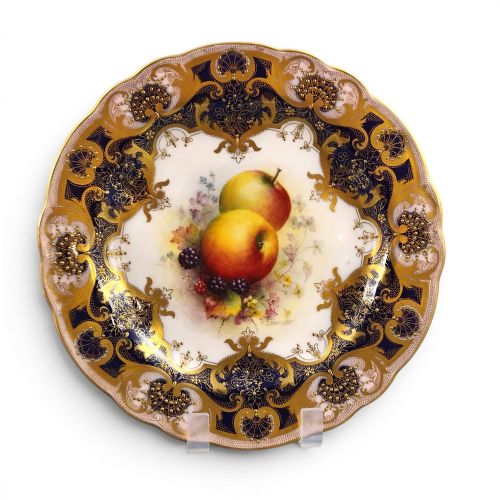
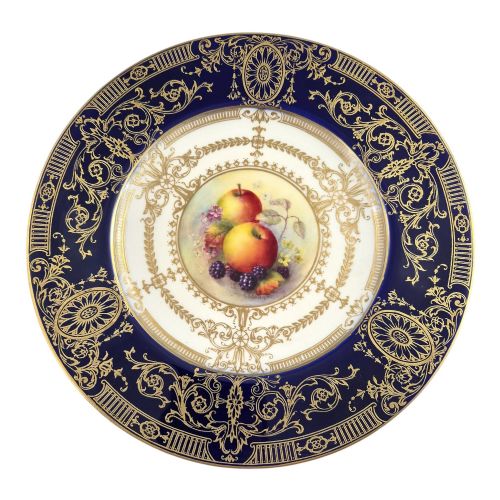
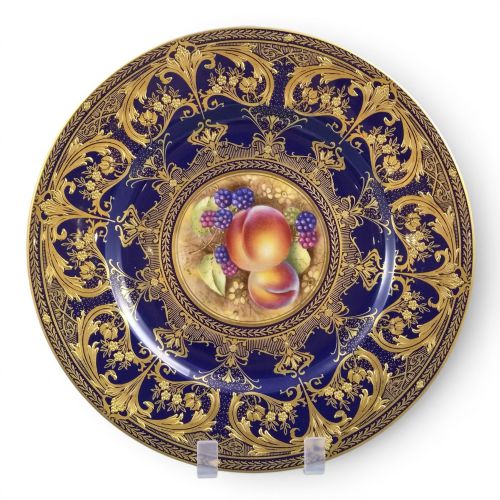
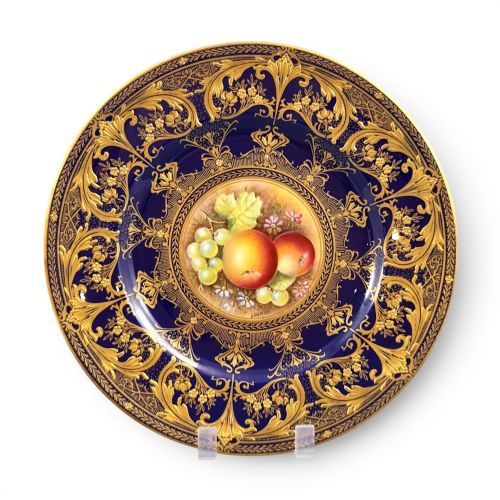
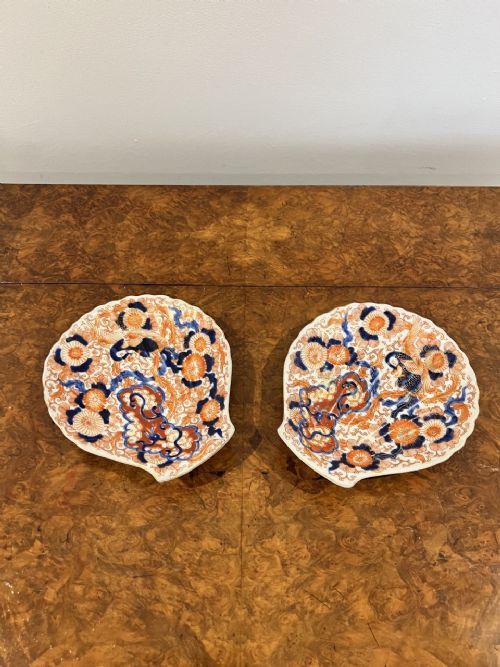
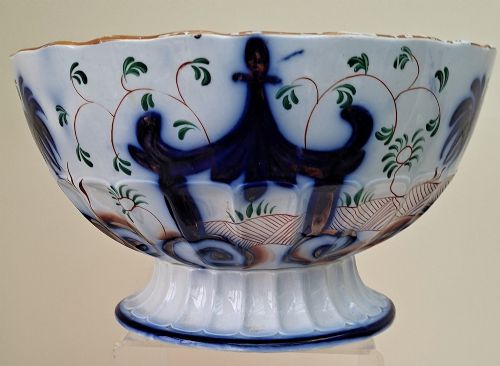
A decorative porcelain fruit dish serves as a centrepiece or display vessel, taking forms such as footed bowls, boat-shaped dishes, cabinet plates and shell-shaped vessels. When searching for a decorative porcelain fruit dish, buyers encounter examples ranging from late nineteenth-century Japanese Imari wares to twentieth-century English factory productions.
The selection on this page draws heavily from English makers like Royal Worcester, alongside continental porcelain and Japanese imports from the Meiji period. Forms include fluted bowls, scalloped edge dishes, and comport structures often designed for display on dining tables or cabinets.
Victorian and Edwardian pieces sit alongside items from the nineteen-twenties and thirties, demonstrating how tableware evolved from formal dining accessories into dedicated cabinet display items. Buyers find both individual cabinet plates and larger centrepieces suited to interior decoration.
Materials and production methods
Factories utilised fine porcelain, bone china, and earthenware as the foundational bodies for these pieces, shaping them into plates, bowls, and comports. Potters formed the items using traditional moulding and throwing techniques before applying white or tinted glazes.
Decoration relied on hand-painted enamels, gold leaf, and gilding, often fixed through multiple firings in kiln heat. Master artists painted botanical subjects, birds, and intricate Japanese Imari patterns directly onto the glazed surface.
Specialised techniques such as flambé glazes and lustre finishes created varied surface textures, from mottled orange effects to deep metallic sheens. Signed works by factory artists demonstrate the brushwork and gilding skill applied during the manufacturing process.
Form variations include footed bowls, boat-shaped vessels, shell-shaped plates, and fluted comports.
Distinctions in quality
Quality rests upon the precision of the hand-painted detail and the reputation of the artist whose signature appears on the surface. Pieces painted by known factory decorators command attention for their artistic execution.
The complexity of the form and the application of gold leaf or gilding indicate the level of craftsmanship involved. Heavy gilding and intricate enamel work separate standard production items from superior cabinet pieces.
Royal Worcester·Royal Doulton·Wedgwood·Minton·Doulton Burslem
The Decorative Porcelain Fruit Dish Glossary
- Cabinet plate
- A decorative plate intended for display in a cabinet rather than for serving food at the table. These often feature detailed hand-painted scenes.
- Comport
- A raised dish or bowl on a foot, used historically for serving fruit or sweetmeats. They function as centrepieces on dining tables.
- Imari
- A style of Japanese porcelain decorated in underglaze blue and overglaze red, gold, and green. European factories frequently copied these distinct patterns.
- Lustre
- A type of pottery glaze that imparts a metallic sheen through the reduction of metallic oxides during firing. Wedgwood utilised this technique extensively.
- Gilding
- The application of gold leaf or gold powder to the surface of porcelain. It highlights rims, handles, and painted borders.
Decorative Porcelain Fruit Dish: Frequently Asked Questions
How were these dishes used?
These pieces functioned as serving vessels for fruit and sweetmeats during formal dining, or sat empty on tables and cabinets as decorative centrepieces.
Over time, many dishes transitioned from dining rooms into display cabinets as collectors began valuing the painted designs and factory marks.
How do I identify the period?
Period identification relies on factory backstamps, decorator signatures, and stylistic traits such as Art Deco geometries or Victorian floral motifs.
Material composition, including bone china versus earthenware, also helps date pieces alongside registration numbers stamped into the base.
Are these pieces safe for food?
While originally designed for table use, antique painted and gilded surfaces face potential wear from modern acidic foods and dishwashers.
Most collectors choose to display these items rather than use them for dining, protecting the hand-painted enamels and gold leaf.
What is a cabinet plate?
A cabinet plate is a decorative porcelain plate created specifically for display behind glass rather than for daily dining use.
These plates often feature elaborate hand-painted fruit, floral studies, or landscapes by named artists.