
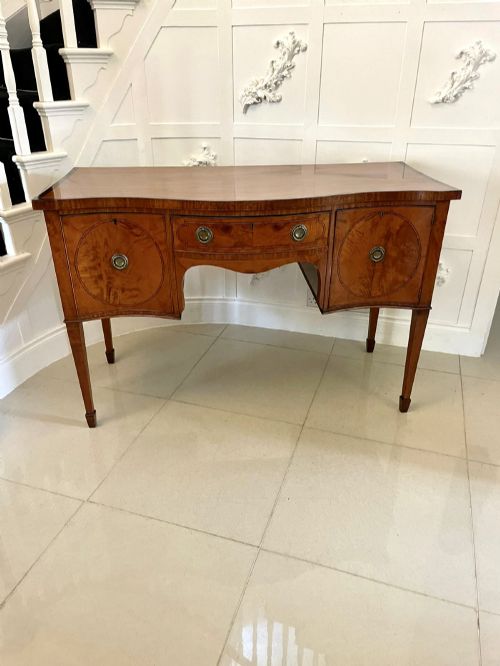
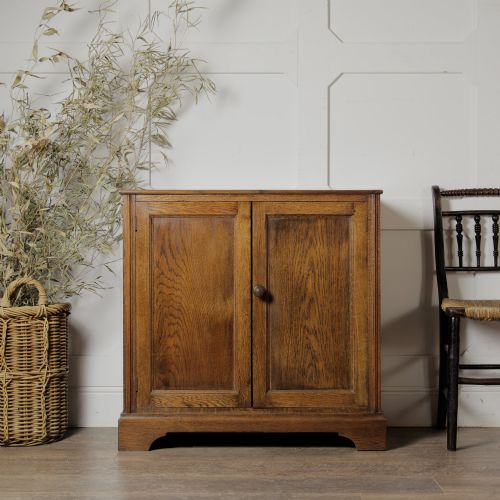
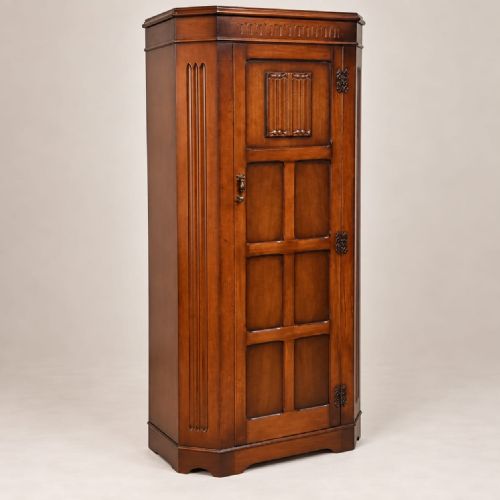
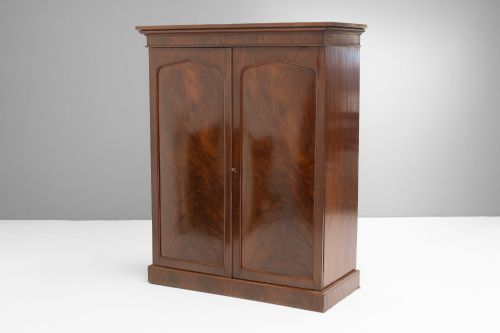
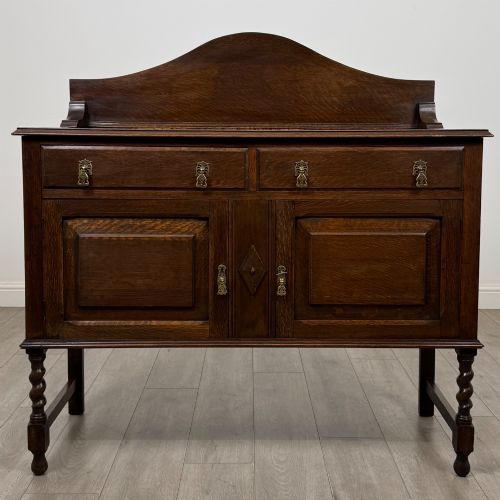
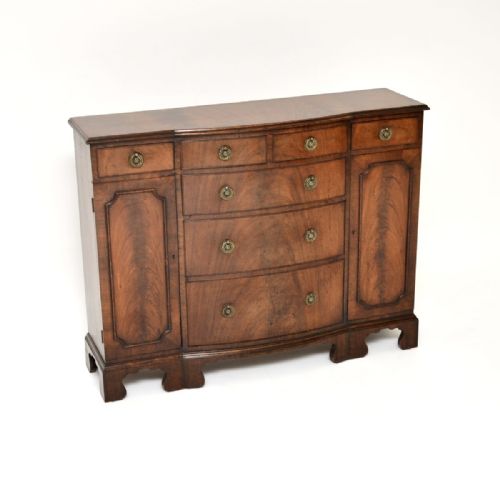
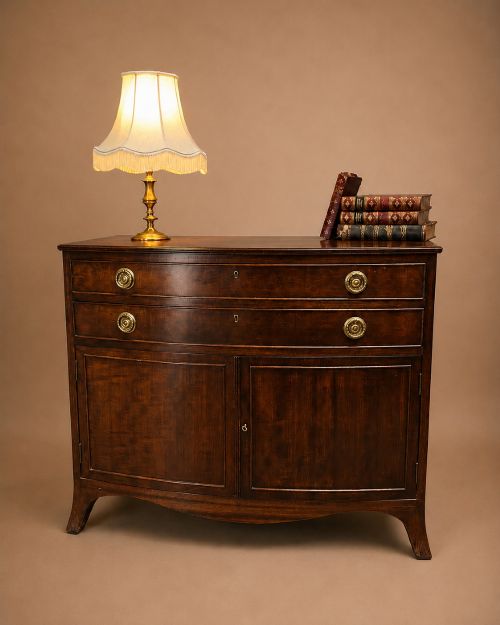
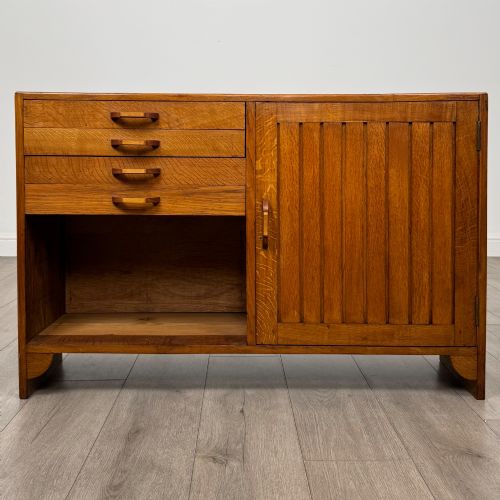
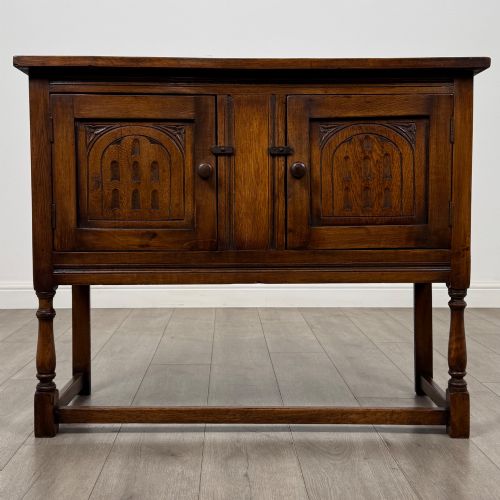
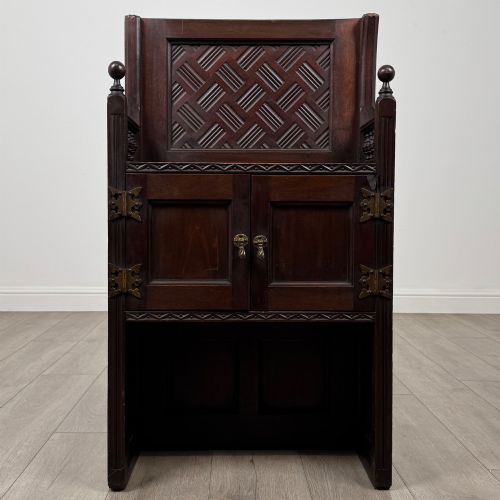
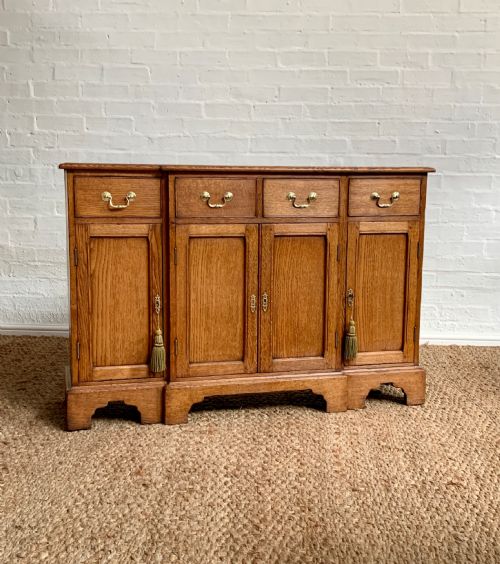
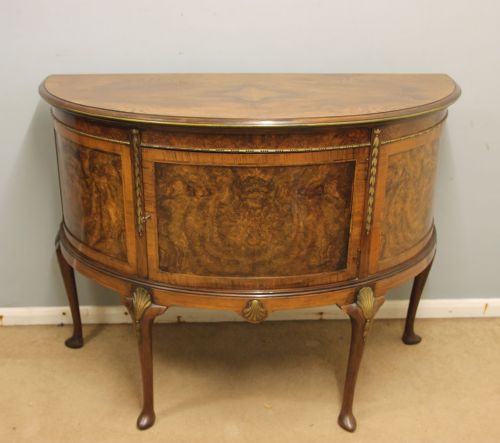
Antique Hallway Cabinet
An antique hallway cabinet brings immediate character and practical storage to an entrance, offering refined period presence the moment the front door opens.
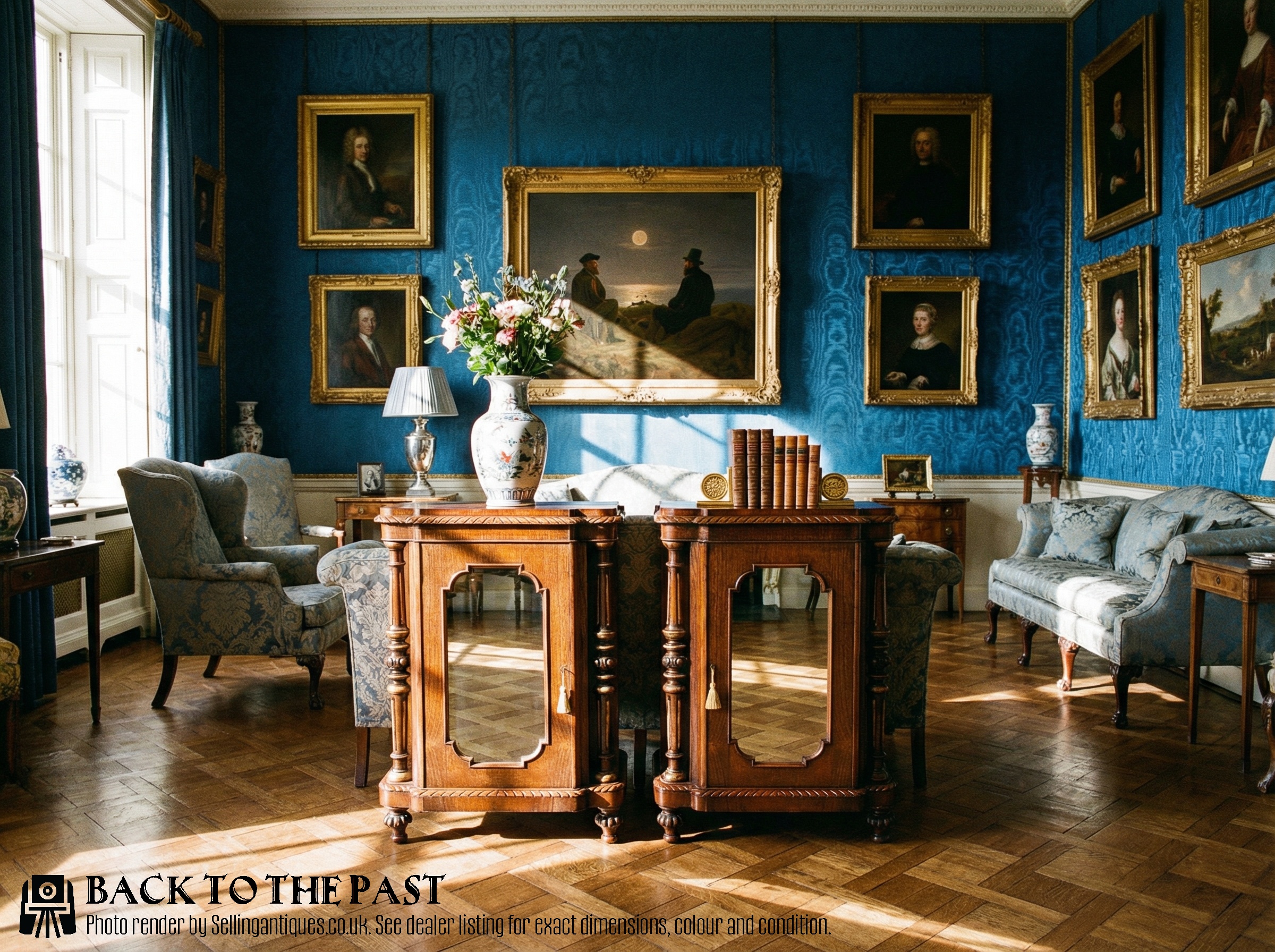
Defining the antique hallway cabinet
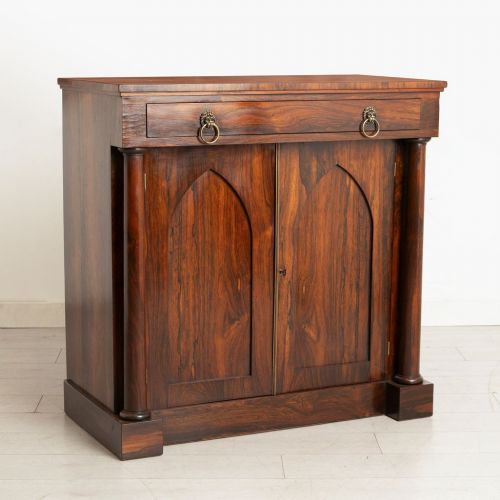
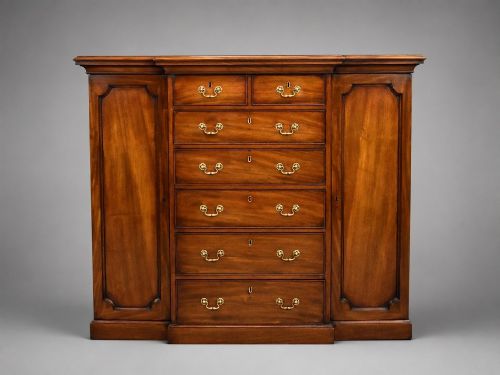
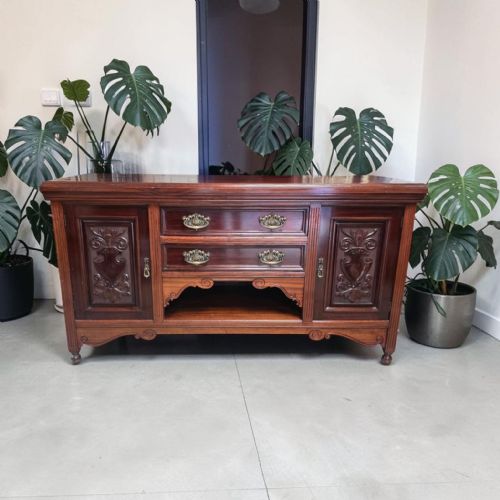
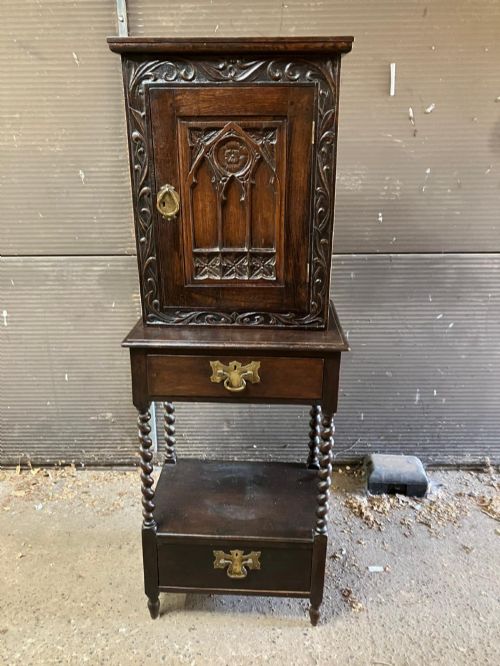
An antique hallway cabinet groups together compact side pieces, chiffoniers, pier cabinets, and small cupboards designed to fit narrower spaces while providing useful surface area and concealed storage. When searching for an antique hallway cabinet, buyers typically encounter pieces originating from the Georgian, Regency, William IV, and broader nineteenth-century periods.
The forms found in this category span low dwarf linen press cupboards, glazed pier cabinets, and two-door mahogany chiffoniers. These items served traditionally to store household linens, tableware, or papers, yet their modest scale adapts readily to modern corridors and entrance spaces.
Makers of these compact forms utilised durable timbers and decorative detailing suited to prominent domestic zones where guests first arrived. Each piece reflects the furniture-making conventions of its specific era, balancing utility with decorative presence.
Materials and construction
Cabinet makers relied predominantly on mahogany, rosewood, and simulated rosewood surfaces to build these functional items. Timber selection dictated both the visual weight and the structural integrity of each cupboard or chiffonier.
Craftsmen incorporated brass hardware, mirror glass panels, and gilt wood or gilt decoration to elevate the appearance of the woodwork. These applied elements catch the light in narrow spaces and highlight the underlying grain of the wood.
Retail Price Guide 2026
Typical UK retail prices for hallway cabinet, calculated from the Sellingantiques database of over a million retail prices indexed since 2003. This retail price guide relies exclusively on Sellingantiques data; no external sources or auction records are used, so the figures do not describe the wider market.
A simulated rosewood finish allowed Regency decorators to achieve luxurious tropical aesthetics using homegrown woods beneath the paint.
Distinctions in quality
Quality reveals itself through the fidelity of the period styling, the richness of the timber finishing, and the integration of decorative elements such as gilt work or brass mounts. Superior examples display thoughtful proportions and careful execution of secondary woods.
The refinement of the surface treatments, whether through simulated rosewood graining or polished mahogany, separates standard utility items from more ambitious cabinet work intended for principal rooms.
The Antique Hallway Cabinet Glossary
- Chiffonier
- A low sideboard or cabinet featuring enclosed shelving below, often surmounted by a low tier or gallery. This form became particularly popular during the Regency and Victorian eras.
- Pier cabinet
- A narrow cabinet designed specifically to fit the wall space between windows. These pieces frequently incorporate mirror glass or glazed doors.
- Dwarf linen press
- A shortened version of a traditional linen storage press, built low to the ground with internal sliding trays or shelves. It provides substantial enclosed storage without dominating a room.
- Simulated rosewood
- A painted or stained finish applied to a more common timber to imitate the distinctive dark grain and rich colour of genuine rosewood. This technique demonstrated high decorative ambition during the Regency period.
Frequently Asked Questions
Where should I place a hallway cabinet?
These compact pieces suit narrow circulation spaces, entrance passages, and landings where floor space is limited. Their modest depth allows them to sit against a wall without obstructing movement.
They provide a convenient surface for placing keys or post while offering enclosed storage beneath for everyday items.
How do I identify a Regency period cabinet?
Regency pieces often display classical architectural motifs, bold wood grains, and restrained use of brass or gilt decoration. The proportions tend to be clean and geometric.
Look for characteristics such as simulated rosewood finishes or finely turned supports that reflect the design vocabulary of the early nineteenth century.
What is the difference between a chiffonier and a cupboard?
A chiffonier typically combines enclosed lower storage with a raised shelf or tiered superstructure designed for display. Traditional cupboards focus purely on enclosed storage behind panelled doors.
Both forms offer practical solutions for stowing away household items while presenting an attractive wooden facade to visitors.
Are these cabinets practical for modern storage?
The interior shelving and cupboard space accommodate modern necessities such as shoes, bags, or paperwork easily. Their sturdy construction ensures they withstand daily use.
Selecting a piece with adjustable or deep shelving helps maximise the utility of the internal compartment.