

Antique Hall Pendant
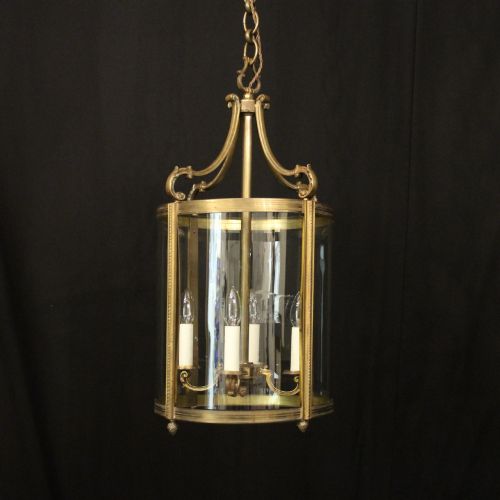
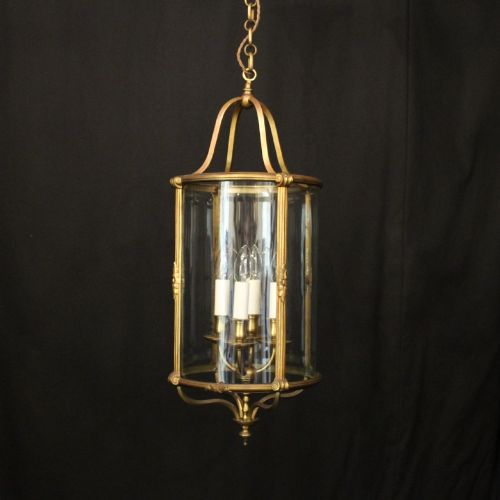
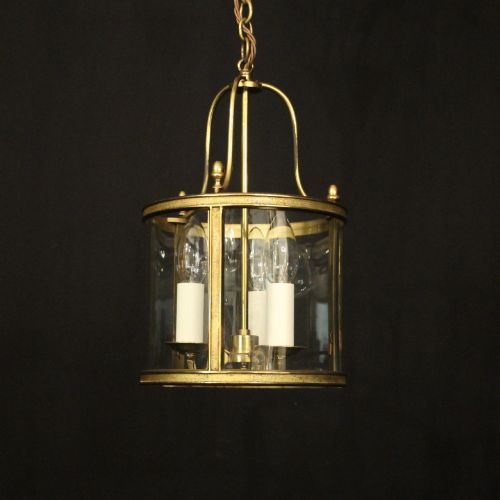
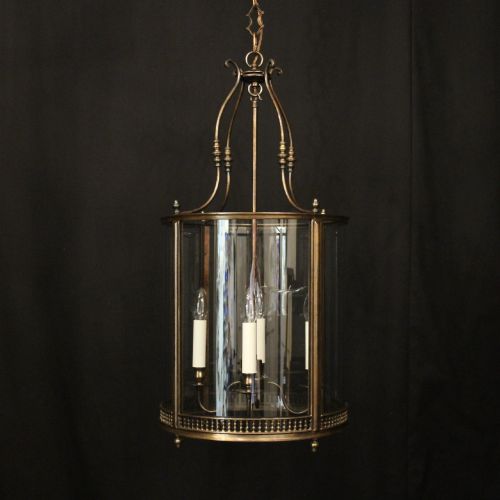
An antique hall pendant provides proper illumination for an entranceway, taking the form of a hanging lantern or ceiling light crafted in brass, bronze or glass.
Antique Hall Pendant
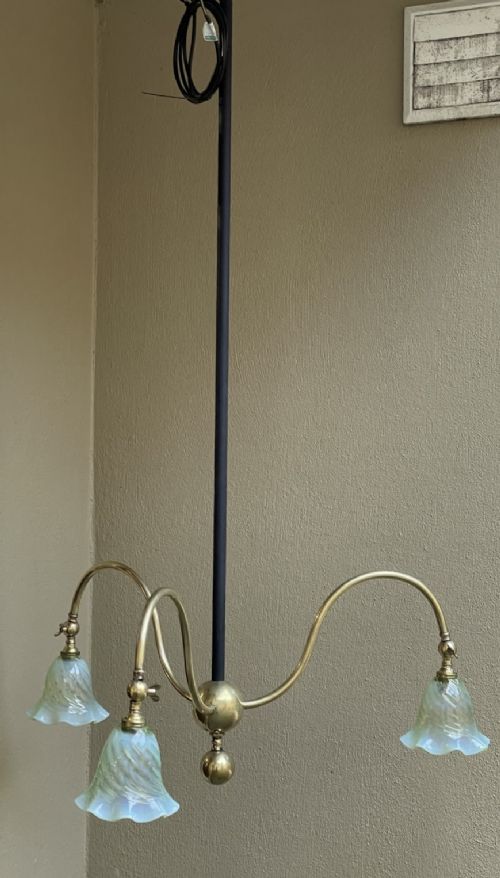
An antique hall pendant serves the practical purpose of lighting an entrance hall, vestibule or stairwell. When searching for this phrase, a buyer encounters hanging lanterns, ceiling lights and chandeliers spanning the Victorian, Edwardian and early twentieth century periods.
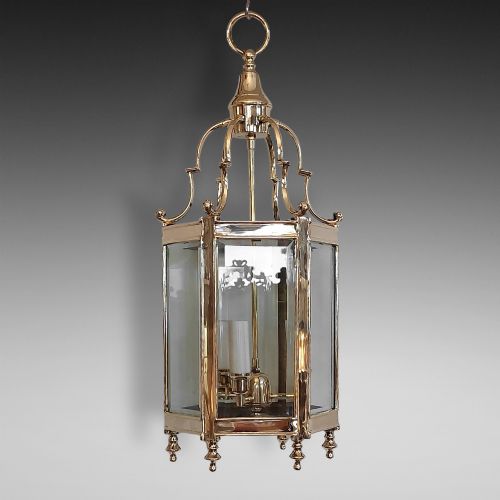
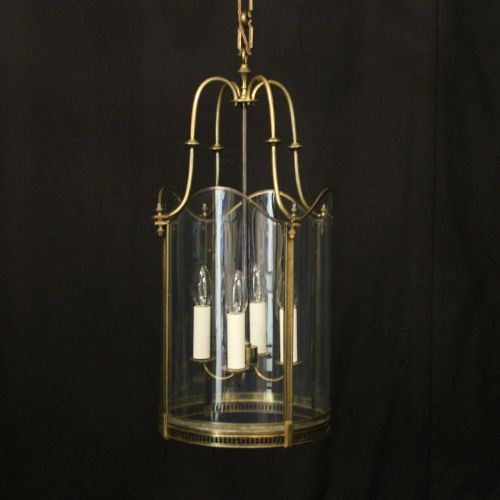
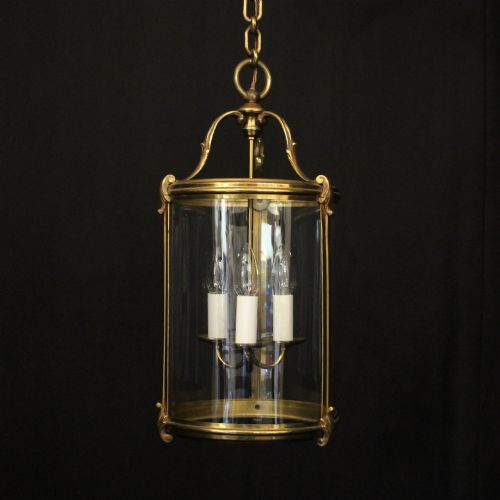
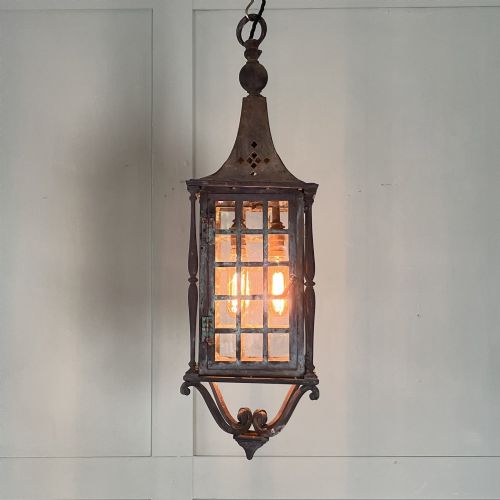
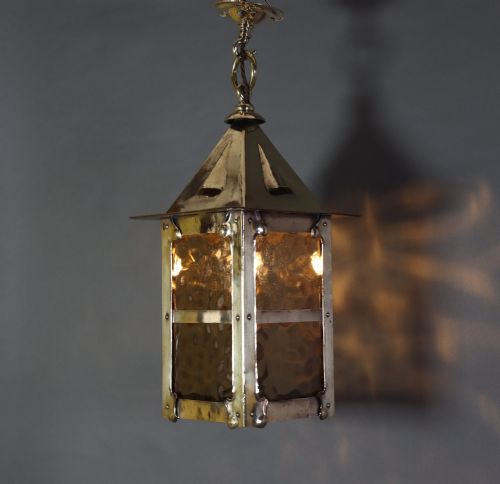
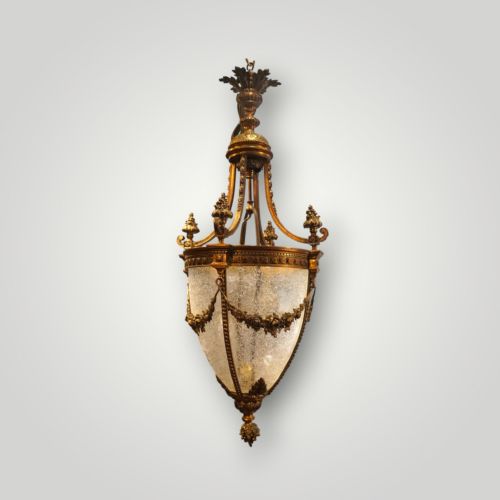
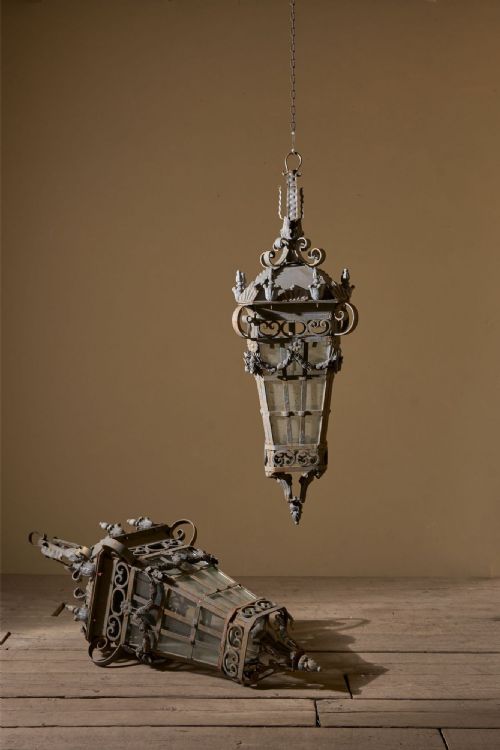
The pieces appearing on this page originate predominantly from English and French workshops, encompassing styles from French Rococo and Neoclassical to Arts and Crafts and Gothic Revival. Hexagonal and convex glass lanterns dominate the selection, designed specifically to hang from ceilings in narrow corridors.
Makers ranged from utilitarian ironmongers to fine bronze founders, producing fixtures intended to impress visitors upon entry. Buyers select these lights to restore period character to older properties or to introduce architectural weight into modern hallways.
Materials and Construction
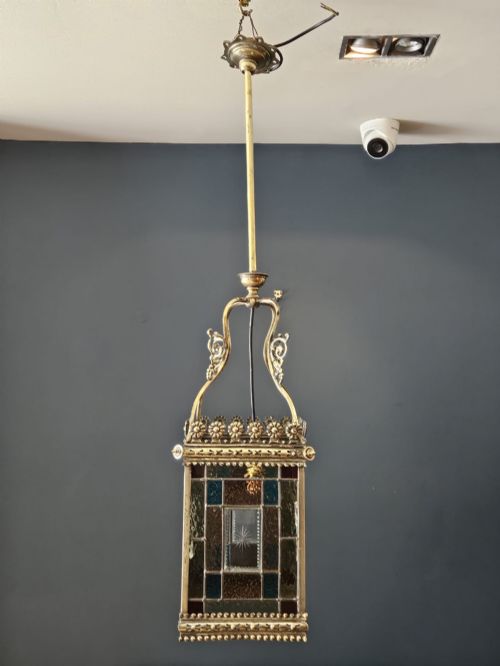
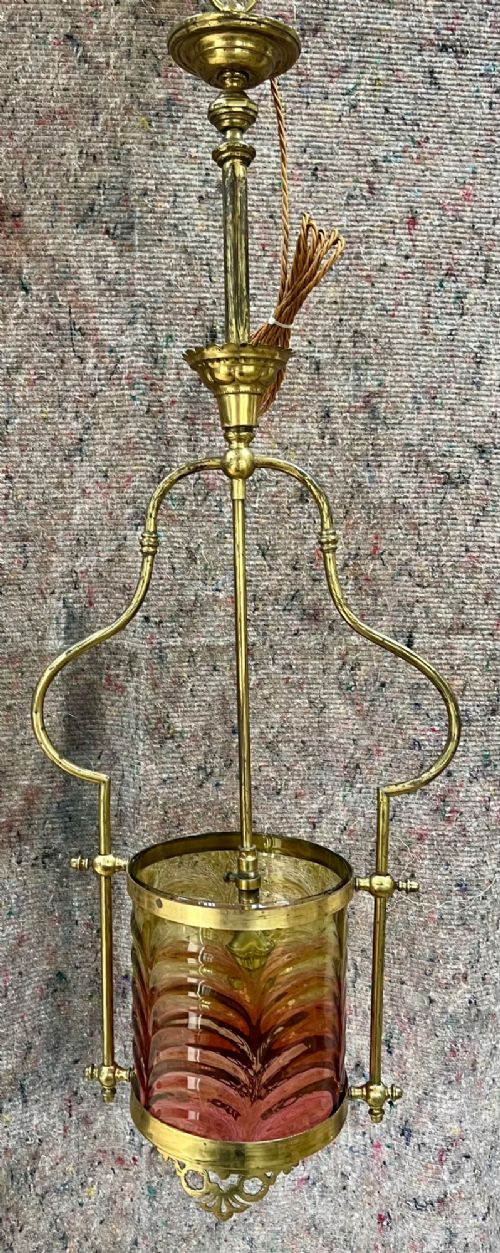
The construction of an antique hall pendant relies heavily on cast and sheet brass, gilt bronze, wrought iron and framed lead glass. Metalwork frames were hand-soldered or riveted together to support heavy glass panels, which frequently include etched, leaded or hand-blown bull's-eye panes.
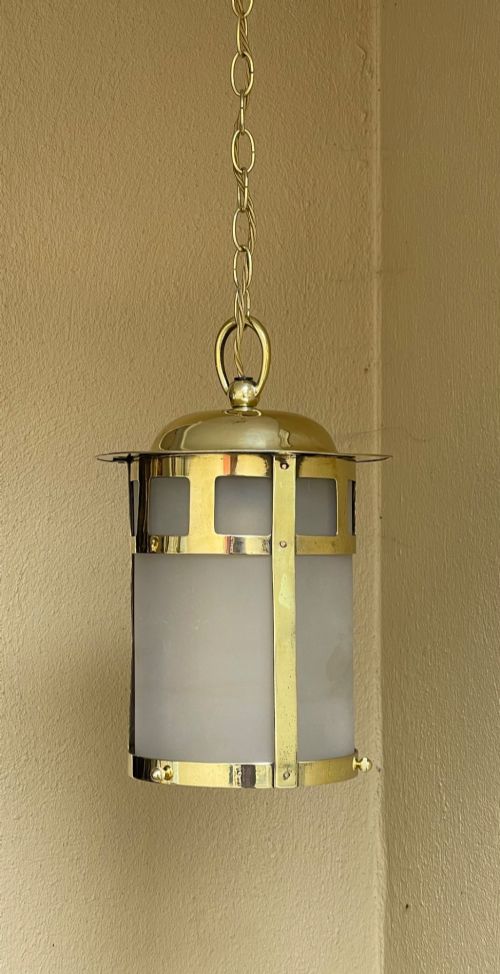
French pieces often utilise gilded bronze and brass with intricate convex glass shaping, whereas English Arts and Crafts examples favour simpler hammered brass or iron frameworks. Internal electrical fittings represent later adaptations, as these fixtures originally burned gas or candles.
Several lanterns include tiny side doors specifically designed for nineteenth-century servants to light the candles inside without taking the fixture down.
Distinctions in Quality
The quality of an antique hall pendant is determined by the weight of the metal framework, the clarity and thickness of the glass, and the crispness of the cast ornamentation. Superior examples feature heavy fire-gilded bronze, finely moulded brass frames, and original hand-blown or leaded glass rather than plain modern replacements.
Workmanship in the hinges, doors and suspension loops separates ordinary utility pieces from high-end salon or chateau fixtures. Better-made lanterns retain complex proportions, crisp decorative casting, and integrated multi-light internal clusters that distribute illumination evenly through curved glass.
The Antique Hall Pendant Glossary
- Convex glass
- Curved glass panels that project outward to diffuse light across a wider angle. They require specialist moulding techniques.
- Lead glass
- Glass held together by lead cames to form geometric or stained patterns. This technique is common in Victorian and Edwardian hallway lanterns.
- Gilt bronze
- Bronze that has been coated with a thin layer of gold or gold amalgam. This finish provides a warm, durable metallic lustre.
- Bulls-eye glass
- A round disc of glass featuring a prominent central thick point left by the glassblowing pontil. It creates distorted, interesting light patterns.
- Hall lantern
- A fully enclosed hanging light fixture designed for narrow spaces. They protect the flame or bulb from drafts in entranceways.
Antique Hall Pendant: Frequently Asked Questions
How do I hang a heavy brass lantern safely?
Hanging a heavy brass or bronze lantern safely requires fixing directly into ceiling joists with a rated structural hook. A qualified electrician should ensure the ceiling rose and suspension chain can support the combined weight of the metal frame and thick glass panels.
Most antique pendants require modern wiring threaded through the original hanging loop. Professional installation guarantees that the weight hangs securely from the building structure rather than the plaster.
Were these lights originally wired for electricity?
These fixtures were not wired for electricity when first manufactured. Earlier versions burned candles or used gas jets before being converted during the twentieth century.
Buyers should expect modern internal lampholders fitted inside the historical frames. This allows the pendant to function safely with contemporary electrical standards while preserving the exterior period appearance.
How do I clean delicate glass panels?
Cleaning delicate glass panels involves removing them from the metal frame only if the tabs allow safe handling. Mild soapy water and a soft cloth clean leaded or etched surfaces without damaging old glass.
Harsh chemical cleaners should be avoided on gilded brass or bronze surfaces to protect the original patina. Regular dusting with a dry microfibre cloth prevents grime accumulation on hard-to-reach hanging fixtures.
What is the difference between an Arts and Crafts and a French style lantern?
Arts and Crafts lanterns emphasise honest hand-working of base metals like brass and iron, featuring simple geometric lines and visible rivets. They reflect a design philosophy that values utility and plain craftsmanship.
French styles, such as Rococo or Neoclassical, lean toward ornate gilded bronze, flowing organic curves, and elaborate cast decorations. These fixtures were designed to project luxury and grand architectural scale in formal entrance halls.