
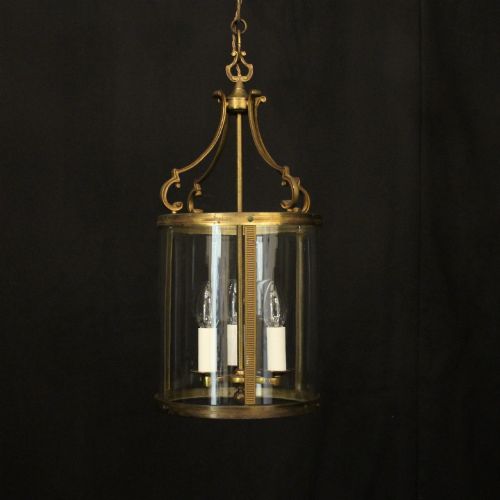
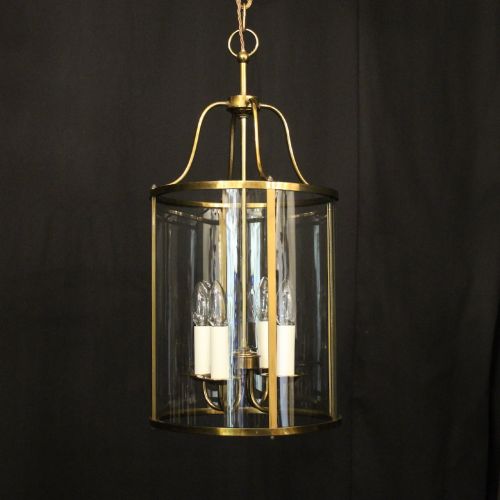
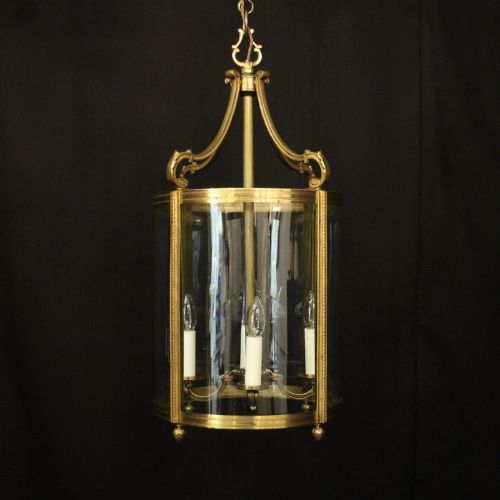


Cylindrical Glass Light
A cylindrical glass light provides clear, directional illumination in hallways and reception spaces while bringing period character to an interior.
Cylindrical Glass Light
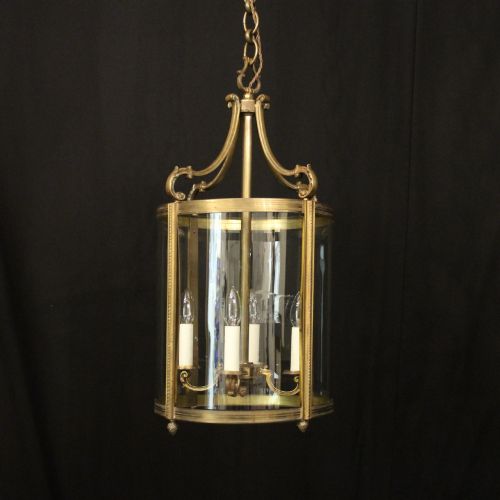
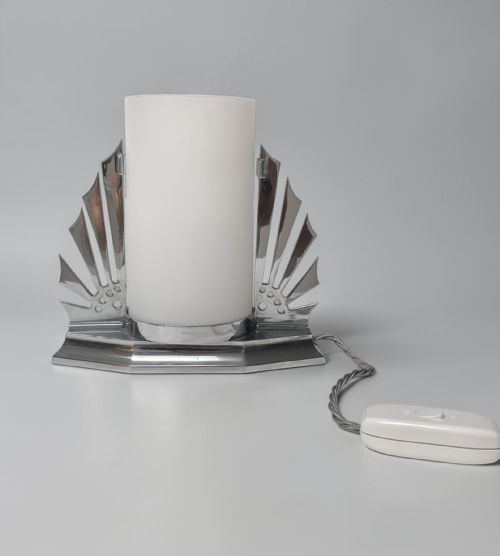
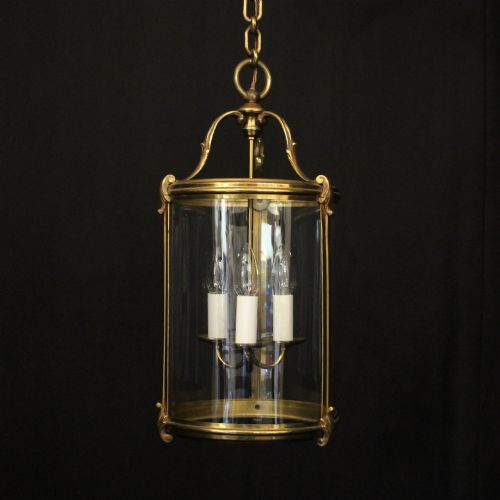
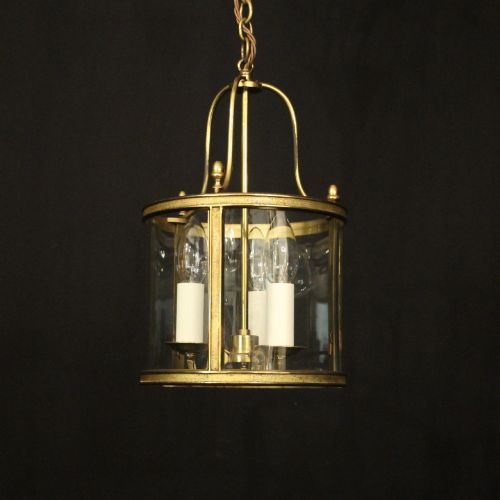
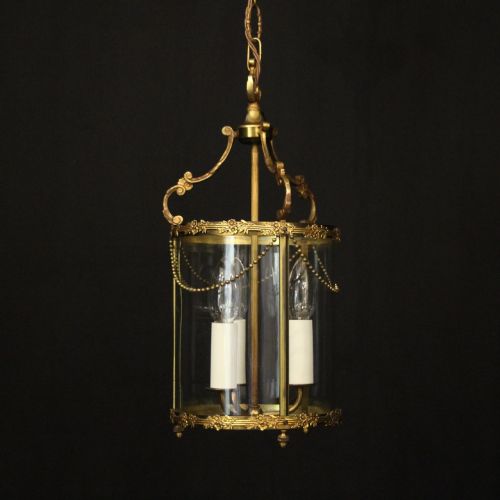
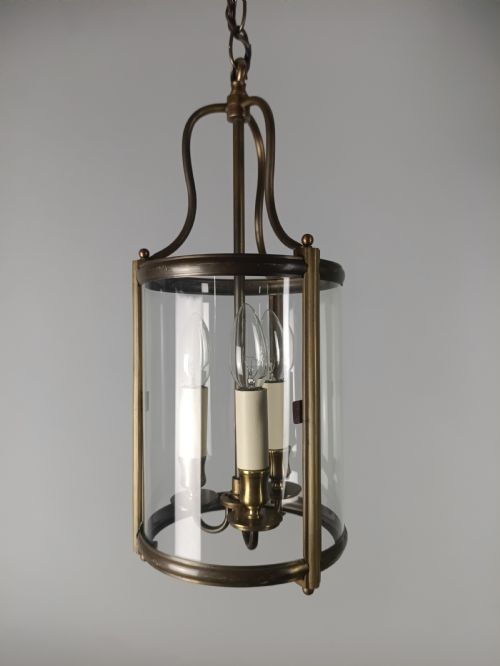
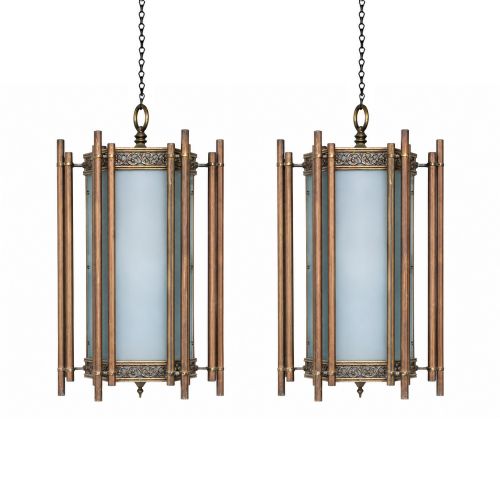
A cylindrical glass light takes the form of a vertical tube or drum enclosing one or more bulbs, designed primarily as a hanging hall lantern or ceiling pendant. These fixtures appear across the nineteenth century, the Edwardian period, and into the nineteen-twenties and nineteen-thirties, reflecting stylistic shifts from traditional bronze frames to streamlined Art Deco designs.
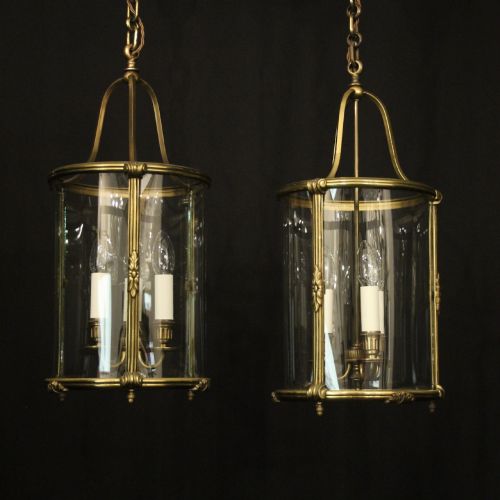
The most common examples encountered on this page are French and English hall lanterns dating from the nineteen-twenties and nineteen-thirties, often featuring convex glass panels mounted within gilded brass or bronze frames. Alongside these hanging fixtures, buyers also find table lamps, wall light sconces, and ceiling lighting configured with the characteristic tubular glass profile.
Makers and designers from this span drew upon diverse aesthetic traditions, ranging from French Empire and Neoclassical motifs to Grand Regency and French Chateau styling. The resulting pieces balance functional illumination with substantial decorative presence, suiting entrance halls and stairwells where vertical proportions work best.
Distinctions in quality
The standard of metal casting and finishing sets the baseline for quality across these fixtures, with finely chased bronze or heavy gilded brass representing superior craftsmanship compared to simpler, lighter brass assemblies. Heavier gauge metalwork maintains structural integrity better over decades of hanging and bulb replacement.
The clarity, thickness, and forming of the glass panels also influence the overall calibre of a piece, particularly when convex curves are blown or slumped uniformly without distortion. Finer examples display meticulous attention to framing details, such as neatly aligned screw fixings and robust suspension loops.
Several lanterns sport convex glass panels designed specifically to make a modest hallway bulb throw light into the stubbornest corners.
The Cylindrical Glass Light Glossary
- Convex glass
- Curved glass panels that project outward, commonly used in these lanterns to diffuse light and soften interior reflections.
- Hall lantern
- A ceiling-hung light fixture specifically proportioned for narrow spaces like corridors, vestibules, and entrance halls.
- Gilt bronze
- Bronze metal treated with a thin layer of gold or gold-coloured finish, offering a durable and decorative surface.
- Triple light
- A lighting configuration designed to hold three separate lamp holders within a single frame for increased illumination.
Cylindrical Glass Light: Frequently Asked Questions
Where should I hang a cylindrical glass light?
These fixtures suit narrow entrance halls, stairwells, and high-ceilinged corridors where their vertical proportions command the space.
They also work well in porches or large reception rooms as a primary or secondary light source.
How do I clean a brass and glass lantern?
Dust the glass panels regularly with a soft cloth and use appropriate metal cleaners cautiously on unlacquered brass or bronze surfaces.
Avoid harsh abrasives that might damage the original gilding or patination on the metal frame.
Can these antique lanterns be rewired?
Most antique lighting requires updating to meet current electrical standards before installation in a modern domestic setting.
A qualified electrician can easily adapt the internal wiring while retaining the original lamp holders and structural components.
How do I distinguish Art Deco from earlier styles?
Art Deco lighting from the nineteen-thirties favours geometric lines, chrome finishes, and streamlined tubular profiles without excessive ornamentation.
Earlier nineteenth-century and Edwardian pieces typically incorporate classical motifs such as acanthus leaves, urns, and heavier gilded bronze mounts.