


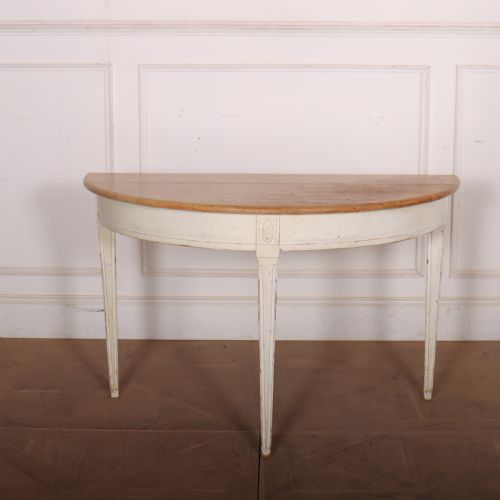

Antique Gustavian Tables
Antique gustavian tables bring clean Scandinavian lines and pale painted surfaces into a room, offering both practical utility and understated style.
Antique Gustavian Tables
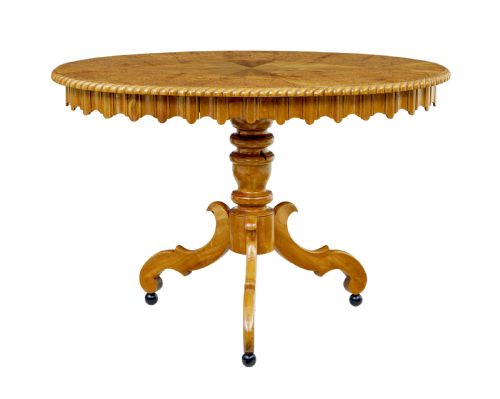
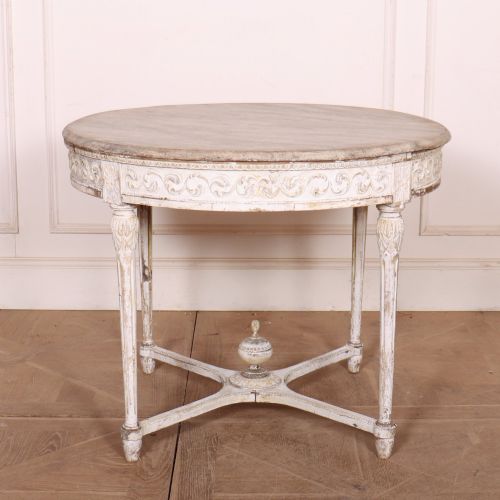
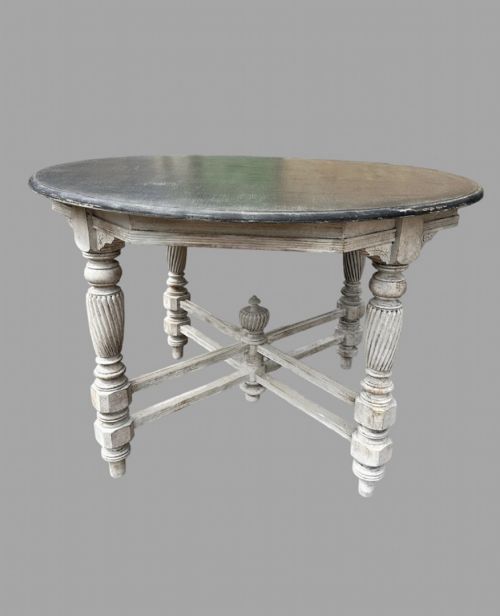
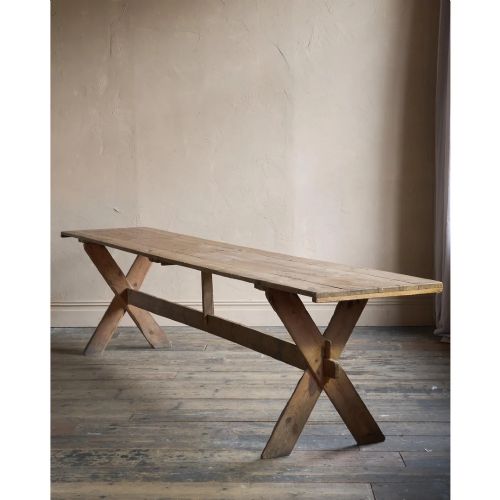
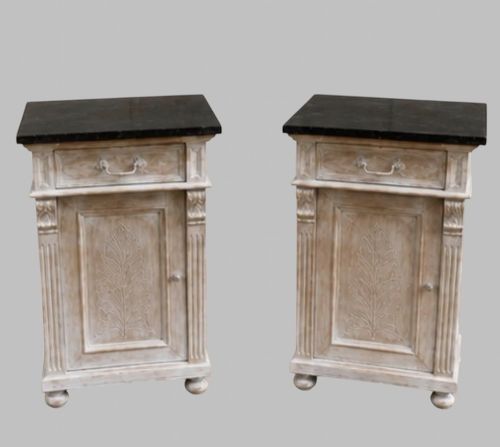
When you search for antique gustavian tables, you encounter pieces originating primarily from Sweden during the eighteenth and nineteenth centuries, alongside related Scandinavian country designs. These items range from small lamp and side tables to large dining surfaces and console tables.
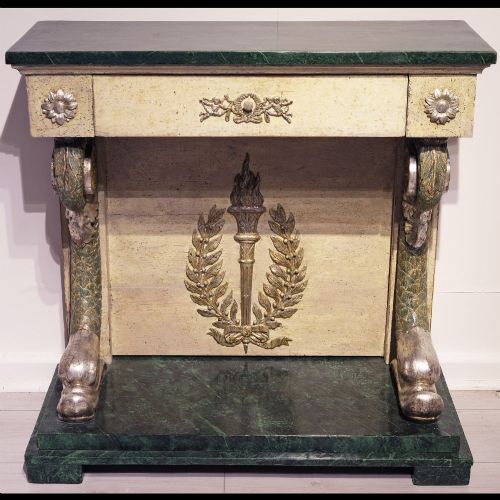
The selection frequently includes demilune consoles, occasional tables, and drop-leaf gateleg designs. Many pieces display painted finishes, reflecting the classic restrained aesthetic of the period.
Materials and construction methods
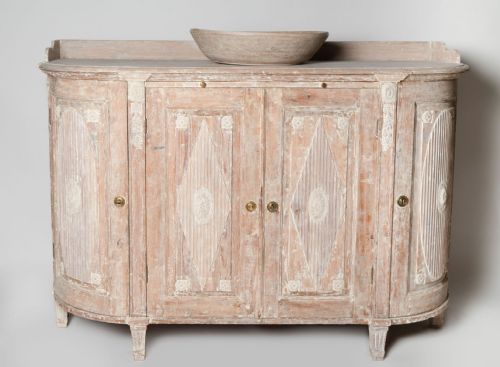
Carpenters typically utilised native softwoods such as pine and timber for the structural framework of these tables. Surfaces often received layered coats of paint, while finer examples incorporated birch or satin birch veneers.
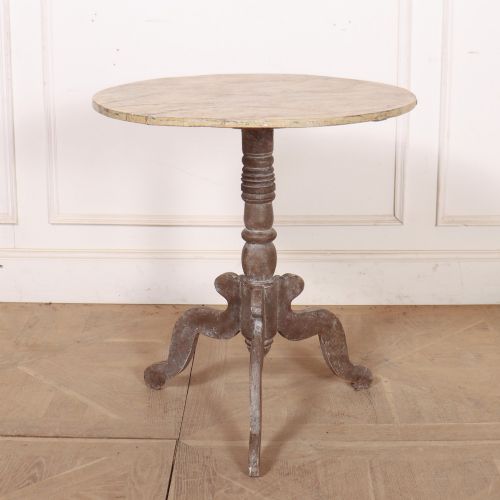
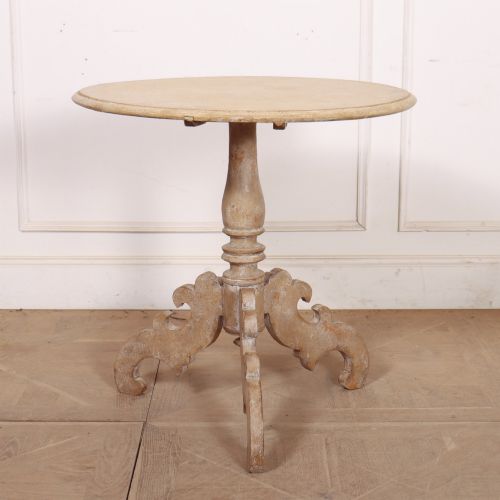
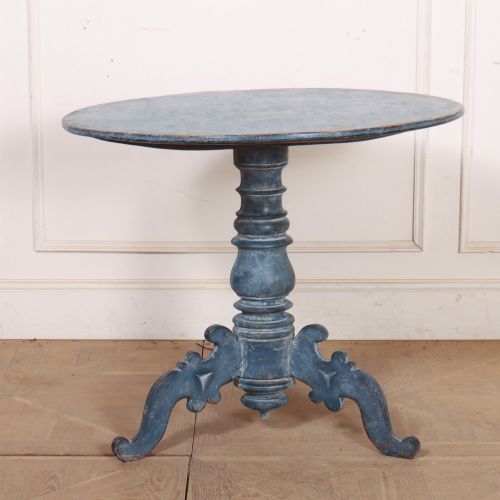
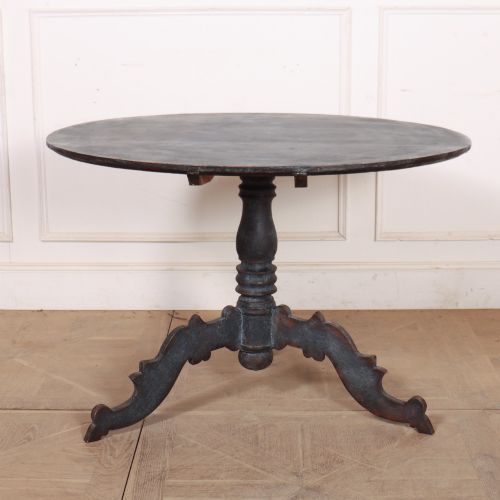
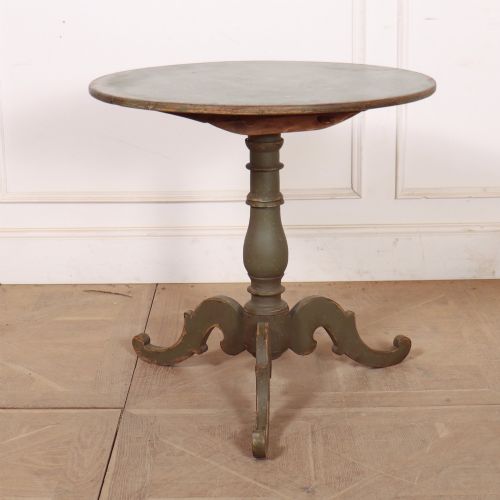
Details include carved wooden ornaments, tripod supports, and occasionally marble or faux marble tops. Iron or brass hardware appears on associated cabinets and drawers.
Listings feature pieces spanning the eighteenth century through to the early twentieth century, constructed from pine, birch, and painted wood.
Factors determining quality
Distinction across these pieces rests on the integrity of the original painted surface rather than a modern recoat. The depth of hand-carved detailing and the selection of timber, such as figured birch, set superior examples apart.
Proportion and structural balance also define the finer specimens. Tables retaining their original hardware and authentic weathering demonstrate higher craftsmanship.
The Antique Gustavian Tables Glossary
- Demilune
- A half-moon shape commonly found in console and side tables designed to sit flush against a wall.
- Slagbord
- A traditional Swedish drop-leaf dining table supported by swinging legs.
- Commode
- A low chest of drawers or cabinet originating in continental and Scandinavian traditions.
- Tripod table
- A small occasional table supported by a central pillar on three feet.
- Satin birch
- A timber featuring a lustrous grain often utilised for decorative furniture surfaces.
Antique Gustavian Tables: Frequently Asked Questions
What rooms suit gustavian tables?
These tables adapt easily to living spaces, hallways, and dining rooms. Their pale finishes brighten compact areas while blending with diverse interior schemes.
Smaller lamp and side tables fit beside seating, whereas console and dining variants anchor larger rooms effectively.
How do I care for painted wood?
Maintain painted surfaces by dusting with a soft, dry cloth. Avoid harsh chemical cleaners that might strip historic finishes.
Keep wooden furniture away from direct heat sources and strong sunlight to prevent timber movement and paint cracking.
Are these tables sturdy for daily use?
Construction relies on traditional joinery methods designed for enduring utility. Dining and occasional variants handle standard household tasks reliably.
Careful placement and sensible handling protect older timber joints and delicate painted edges from excessive strain.
How do I identify the period?
Dating relies on timber selection, construction techniques, and stylistic markers associated with eighteenth and nineteenth-century Scandinavian workshops. Hand-mixed paints and tool marks provide further clues to age.
Comparing hardware and joinery details against documented examples helps confirm the era of production.