





Painted Pine Lamp Tables
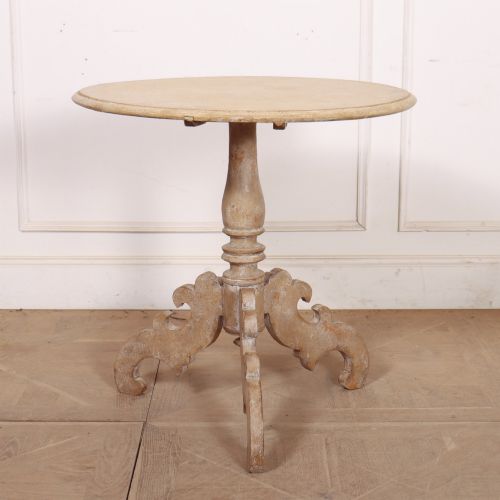
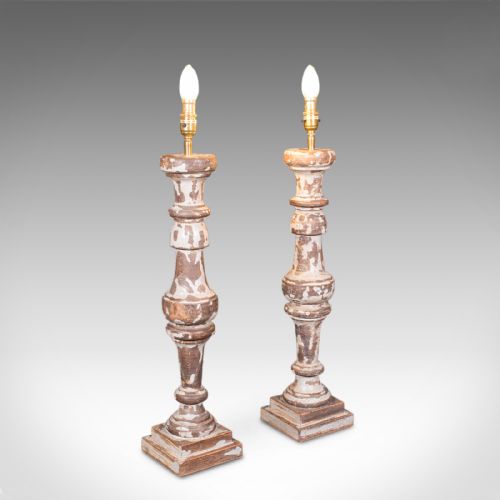
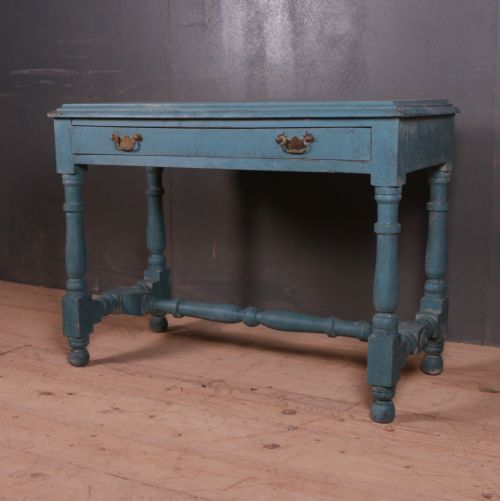
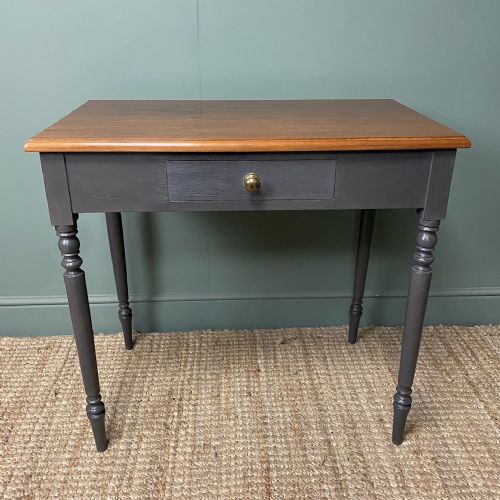
These painted pine lamp tables bring practical surface space and regional character to a room, spanning 18th-century English designs to Scandinavian country styles.
Painted Pine Lamp Tables
Buyers will encounter items ranging from Georgian and 18th-century forms to Victorian and late Victorian items. Regional variations include Welsh cricket tables and Swedish side tables alongside standard lamp tables.
Forms overlap with occasional tables and bedside cabinets, often sharing the same compact proportions suitable for holding lighting. The common thread is the combination of a softwood base with a painted finish.
What varies in quality
Quality rests in the survival of original painted surfaces and the integrity of the pine timber over centuries of use. Early pieces from the 18th century show different joinery and wear patterns compared to later Victorian items.
Proportions and regional characteristics also distinguish standard utility pieces from more refined English country or Scandinavian country workshops. The depth of the patination on the painted wood dictates the visual weight of each piece.
Several tables moonlight as cricket players, though they prefer holding lamps to fielding balls.
The Painted Pine Lamp Tables Glossary
- Pine
- A softwood commonly used for country furniture due to its availability and workability. It takes paint well, forming the base of these surfaces.
- Cricket table
- A small, lightweight three-legged table traditionally used in domestic settings. The evidence includes English and Welsh examples.
- Patina
- The surface appearance altered by age, wear, and repeated painting. It indicates the history and handling of the timber over time.
Painted Pine Lamp Tables: Frequently Asked Questions
What periods do these tables come from?
The selection includes pieces dating from the 18th century and the Georgian period through to the Victorian era and 1890. Each era brings distinct proportions and construction methods.
Earlier examples from the 18th century sit alongside later 19th-century and late Victorian items, reflecting continuous production in country workshops.
Where were these tables made?
Origin listings point primarily to English and Swedish workshops, encompassing regional variations such as Welsh pieces. Scandinavian country and English country styles dominate the selection.
Local timber and regional painting traditions dictated the specific appearance of each piece, whether made in a local English village or a Swedish household.
How do I use a lamp table in a room?
These pieces function as side tables, bedside cabinets, and occasional tables to support table lamp bases and everyday items. Their compact footprints suit placement beside seating or beds.
The variety of forms, from cricket tables to console tables, allows them to fit into different corners while adding surface area.
Are the painted surfaces original?
Surviving examples frequently retain painted finishes, with specific listings noting original paintwork on 18th-century and Victorian pieces. The paint ranges from muted tones to regional grey shades.
Examining the layers and wear on the painted wood helps distinguish period surfaces from later re-painting efforts.