





Pair Swedish Side Tables
These pair swedish side tables bring functional elegance to a room, spanning periods from the nineteenth century to the early twentieth century.
Pair Swedish Side Tables
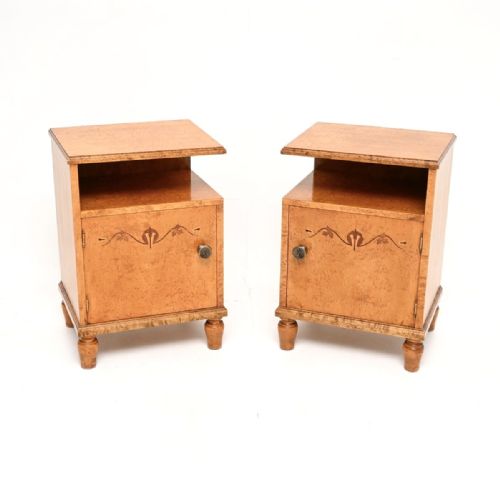
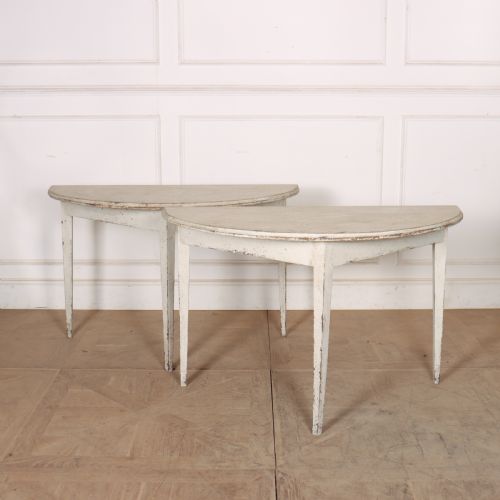
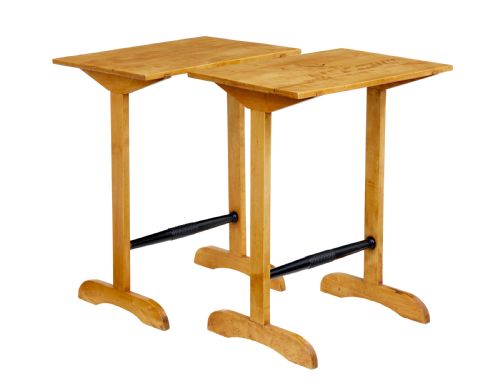
When you search for pair swedish side tables, you encounter matching sets designed for domestic utility across various historical periods. The inventory frequently includes console tables, side tables, bedside tables, and occasional tables.
Forms span several distinct configurations, with demi-lune console tables and folding tables appearing alongside bedside cupboards. These pieces originate from distinct design traditions including Gustavian, Scandinavian Country, Swedish Biedermeier, and Swedish Neoclassical styles.
The pieces on this page reflect craftsmanship from the nineteenth century, eighteen-nineties, nineteen-twenties, Edwardian era, and eighteen-sixties. Buyers commonly find painted wood finishes and natural birch wood among the selections.
Materials and construction
Construction relies on traditional timber selection, notably pine and birch wood. Cabinet makers utilised these durable woods to build the structural frames of console and occasional tables.
Surface treatments define the aesthetic, incorporating paint, painted wood, lime wash, and gilt details. Ragwork painted techniques also appear on folding tables, demonstrating specific regional decorative methods.
The listings here feature pieces made from pine, birch wood, and painted wood, spanning the nineteenth century and the nineteen-twenties.
Evaluating the pieces
Distinction in quality rests upon the preservation of original painted surfaces and decorative treatments. Pieces retaining authentic lime wash or ragwork paint display superior historic integrity compared to later repainted examples.
The execution of brass hardware and gilt detailing indicates the level of refinement in neoclassical and Gustavian designs. Timber selection also matters, as finely figured birch wood elevates the visual presence of side and console tables.
The Pair Swedish Side Tables Glossary
- Demi-lune
- A half-moon shape used for console tables designed to sit flush against a wall. This profile is common in nineteenth-century Swedish furniture.
- Gustavian
- The Swedish neoclassical style characterised by restrained ornamentation and lighter colour palettes. It draws inspiration from French Louis XVI design.
- Ragwork
- A decorative paint technique involving rags to create textured, mottled surface patterns. This finish appears on period folding tables.
- Biedermeier
- A Central European style emphasising utilitarian comfort and clean lines without excessive ornamentation. Swedish interpretations utilise native timbers like birch.
Pair Swedish Side Tables: Frequently Asked Questions
How were these tables used originally?
These tables served various domestic functions in Scandinavian homes, from bedside storage to hallway display surfaces.
Demi-lune console tables typically stood against walls in reception rooms, while smaller occasional and folding tables accommodated flexible living arrangements.
What styles are common?
The selection encompasses Gustavian, Swedish Neoclassical, and Scandinavian Country aesthetics.
Designers also worked within Swedish Biedermeier and Scandinavian Modern idioms, providing varied visual profiles.
How do I identify the period?
Dating relies on construction methods, timber choice, and decorative styles typical of the nineteenth century or Edwardian era.
Specific design vocabulary, such as neoclassical motifs or ragwork paint, helps contextualise the exact decade of manufacture.
Are the painted finishes original?
Many pieces retain historic paint layers, including lime wash and traditional applied colours.
Examining the wear patterns and surface texture reveals whether the paint adheres to historical finishing techniques.