



Antique Gustavian Stools
These antique gustavian stools bring restrained Swedish neoclassical elegance to an interior, offering practical seating shaped by simple, clean lines.
Antique Gustavian Stools
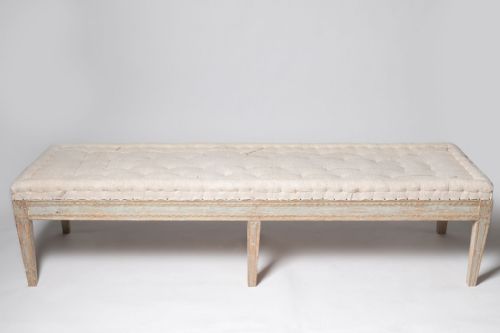
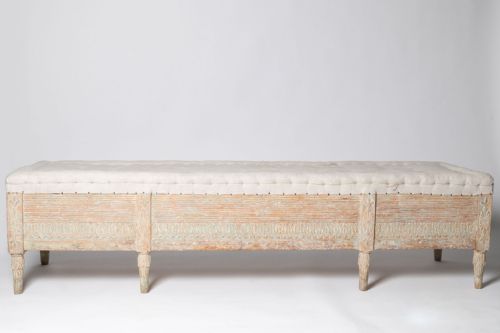
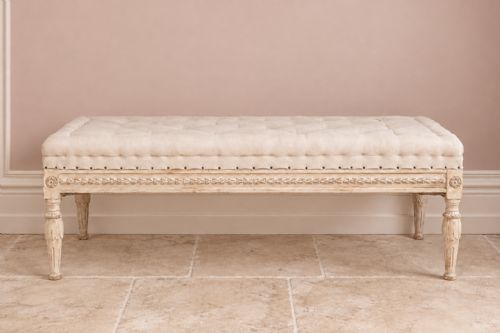
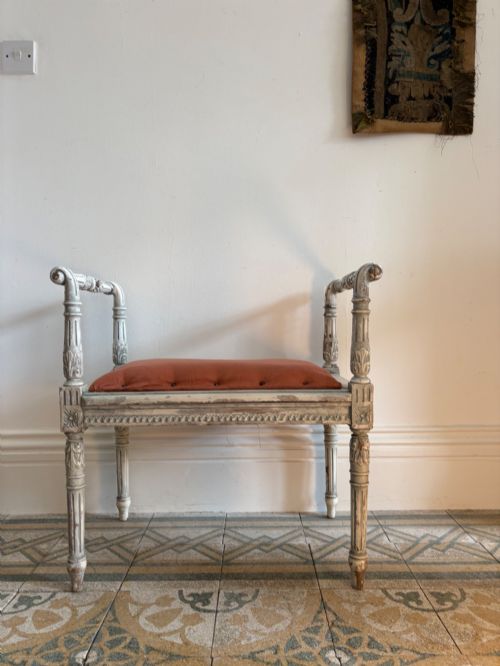
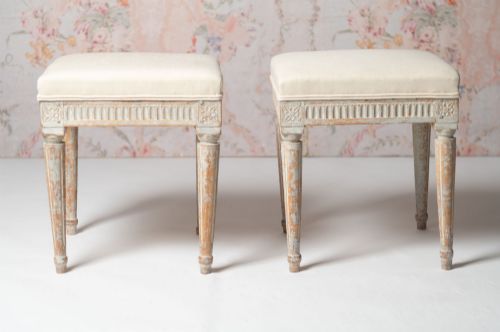
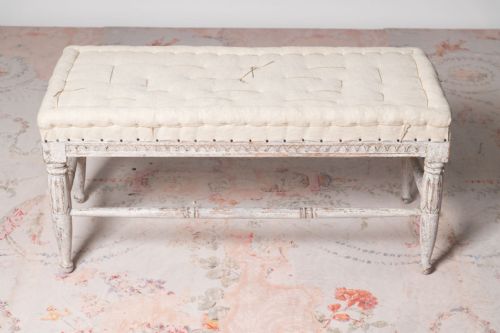
When you search for antique gustavian stools, you encounter seating forms originating from Sweden during the eighteenth and nineteenth centuries. These pieces span standard stools, low stools, benches, and footstools, reflecting the distinct neoclassical taste of the period.
The versions most frequently met on this page belong to the nineteenth century, including specific dates around eighteen eighty, eighteen ninety, and nineteen hundred, alongside eighteenth-century examples. Many appear in matched pairs or as single seats.
These items embody the Scandinavian interpretation of neoclassical design, favouring symmetry and restrained ornamentation over heavy carving. Their forms range from simple low profiles to taller seated versions intended for domestic spaces.
How they were made
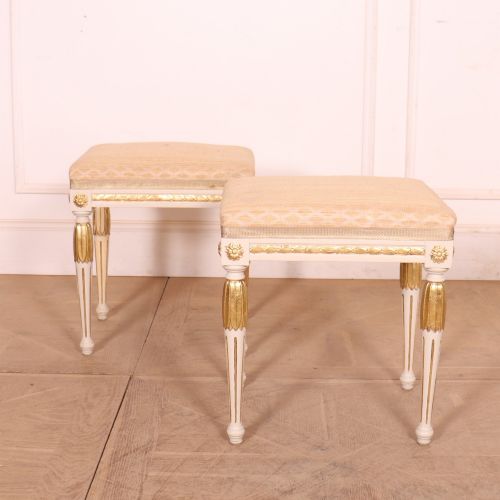
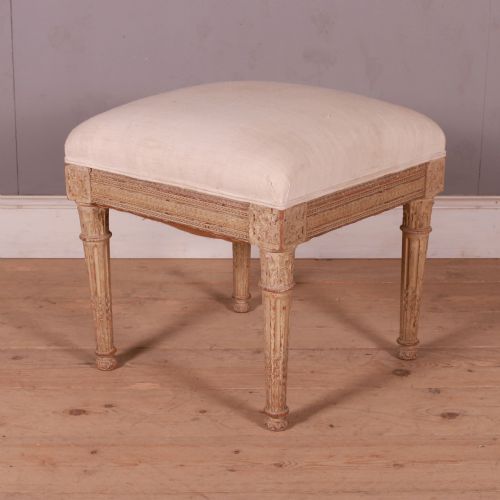
Maker construction relies heavily on wood, shaped through carving and finished with paint or gold leaf. Painted wood surfaces, often white or original paint schemes, define the exterior appearance of the frames.
Upholstery materials selected for the seats include linen, fabric, silk, and cotton. These textiles complete the seating surface, resting atop the wooden frames constructed by period craftsmen.
Antique Gustavian Stools Retail Price Guide 2026
Typical asking prices for gustavian stools among the pieces listed under this phrase on Sellingantiques today, from the lower quarter to the upper quarter. They describe what is for sale here now, not the wider market.
What varies in quality
The refinement of the wooden carving distinguishes simpler versions from more elaborate examples. Carved details on the frame show the hand of the maker and the effort invested in the piece.
The choice of original surface finishes and seat coverings also marks a difference. Intact original paint and surviving period textiles such as silk or linen elevate the character of the seating.
The Antique Gustavian Stools Glossary
- Gustavian
- The Swedish neoclassical style spanning the late eighteenth century and influencing subsequent nineteenth-century design. It is characterised by lighter proportions and classical restraint.
- Neoclassical
- A style drawing inspiration from the classical art and architecture of ancient Greece and Rome. This aesthetic governed the symmetry and clean lines seen in these Swedish forms.
- Gold leaf
- Thinly beaten gold applied to wooden frames for decoration. This finish highlights specific carved elements on the piece.
- Painted wood
- Timber surfaces coated with pigment, frequently found in white or original tones on Scandinavian seating. This treatment protects the wood while defining the visual style.
Antique Gustavian Stools: Frequently Asked Questions
What periods do these stools come from?
The pieces span the eighteenth and nineteenth centuries, including specific dates from eighteen eighty up to nineteen hundred. Most examples originate from nineteenth-century Swedish workshops.
This timeline encompasses both the height of the neoclassical era and its later revivals. Each piece reflects the manufacturing standards of its specific decade.
Are these stools sold as pairs?
Many listings feature pairs of stools alongside individual pieces. Pairs offer matched seating for placement around a room.
Single low stools and benches also appear among the selections. These individual items provide versatile options for smaller spaces.
What materials were used for the seats?
Upholstery materials include linen, cotton, fabric, and silk. These textiles cover the padded seat tops of the wooden frames.
Over time, upholstery choices reflect both original specifications and later restorative work. The fabric rests upon traditional wooden supports.
How do you identify original paint?
Original painted surfaces show age-appropriate wear and layering rather than modern refinishing. This paintwork adheres directly to the wooden frame beneath.
White paint and other traditional tones are common across the inventory. The presence of original paint contributes to the historical integrity of the piece.