



Antique Grey Sofa
An antique grey sofa brings understated elegance to a room, offering period charm and comfortable seating through weathered painted finishes and classic upholstered forms.
Antique Grey Sofa
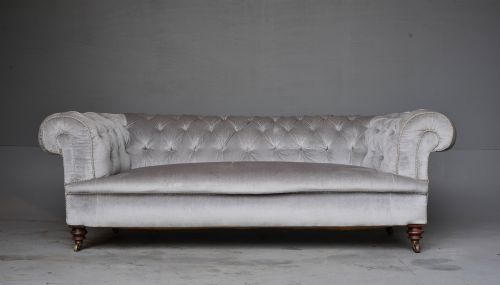
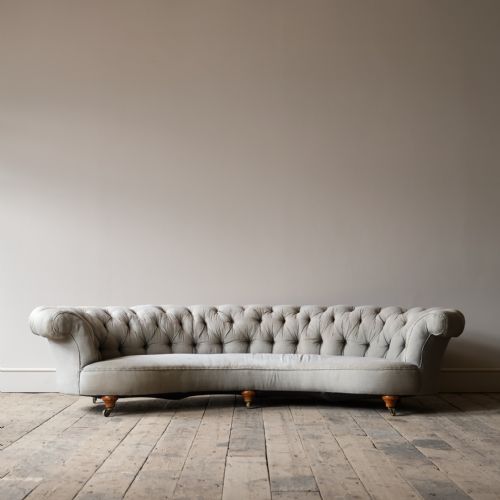
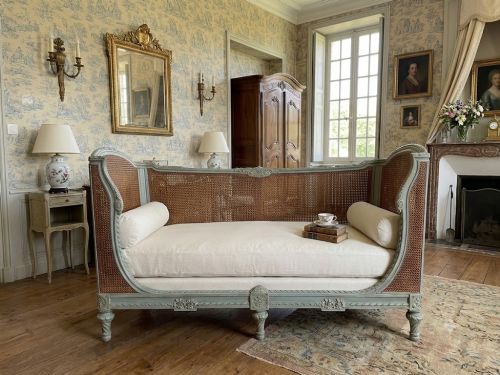
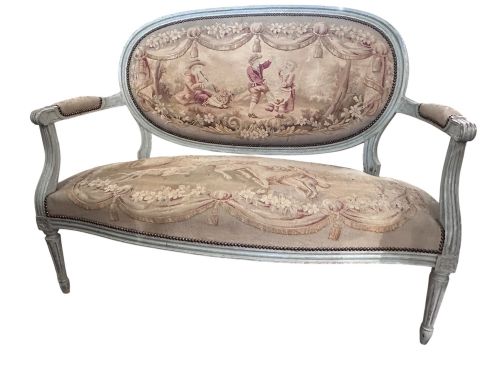
When you search for an antique grey sofa, you encounter a range of nineteenth-century seating spanning Victorian, Edwardian, Regency, and Gustavian periods. The pieces on this page include French Louis XVI style canapés, day beds, and traditional settees finished in pale paint or neutral fabric.
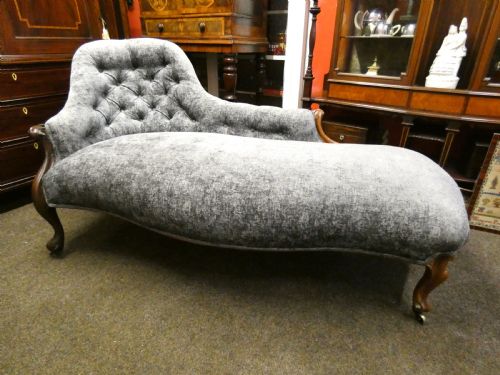
Most examples lean towards French taste or Scandinavian design, featuring painted wood frameworks in soft grey tones alongside exposed mahogany, walnut, or pine. Forms vary from buttonback three-piece suites and chaise longues to compact window seats and country house hall sofas.
The selection reflects both formal drawing room pieces and rustic painted settle designs. Buyers select these sofas for their muted neutral palette, which integrates readily into modern and traditional interiors alike.
How they were made
Frames rely on traditional timber construction using woods such as mahogany, walnut, oak, and pine, often shaped with hand-carved details or fluted legs. Upholstered versions combine internal webbing and springs with durable fabrics, linen, or velvet coverings.
Painted finishes utilise layers of historic paint over wood or gesso, creating the characteristic grey patination seen on Swedish and French pieces. Caned panels are hand-woven into shaped wooden frames on specific day beds and settees.
Gilt highlights frequently accent the carved mouldings of Louis XVI style frames, complementing the soft grey or off-white painted surfaces beneath.
Several nineteenth-century day beds were built with adjustable ends for daytime lounging.
What varies in quality
The integrity of the original wooden frame and the crispness of hand-carved ornamentation set finer examples apart from standard output. Timber selection dictates durability, with dense hardwoods providing superior structural longevity compared to softer woods.
The authenticity and condition of the painted surface significantly influence the character of the piece. Retaining original historic paint without heavy modern repainting preserves the integrity demanded by collectors.
Upholstery quality depends on the retention of traditional spring systems and supportive stuffing, alongside the quality of the textile used for the final covering.
Howard and Sons
The Antique Grey Sofa Glossary
- Canapé
- A traditional French decorative sofa featuring an exposed wooden frame and upholstered seat and back. They often display neoclassical carving and painted finishes.
- Gustavian
- A Swedish style dating from the late eighteenth and early nineteenth centuries characterised by neoclassical restraint and pale painted surfaces. These pieces favour light greys and off-whites.
- Chaise Longue
- An upholstered long chair designed for reclining, combining the backrest of a sofa with a seat long enough to support the legs. Victorian and Regency examples are common.
- Bergère
- An enclosed upholstered armchair or sofa with wooden sides filled with cane or upholstery. The frame is typically exposed and finished with paint or gilding.
- Settee
- A medium-length upholstered wooden seat with a back and arms, designed for two or more occupants. They appear across various periods from country house styles to formal neoclassical designs.
Antique Grey Sofa: Frequently Asked Questions
How do I identify a Gustavian grey sofa?
Gustavian pieces originate from Sweden and display restrained neoclassical lines with fluted tapered legs and carved floral motifs. They typically feature original pale grey or cream paint rather than dark polished wood.
Look for hand-carved details on pine or birch frames that show genuine age through surface wear and subtle craquelure in the paint layers.
Are antique grey sofas comfortable for daily use?
Many nineteenth-century settees and day beds provide supportive seating, though older internal stuffing may feel firmer than modern foam cushions. Traditional coil springs and horsehair padding offer a distinct sit that adapts over time.
Buyers often retain the underlying frame while updating the top layer of fabric to suit daily living requirements.
What is the difference between a settee and a sofa?
Historically, the term settee often referred to a wooden or partially upholstered seat for multiple people, whereas a sofa traditionally denoted a fully upholstered piece designed for reclining. Over time, the terms became largely interchangeable in listings.
Examining the construction reveals whether the back and arms are fully padded or feature exposed structural woodwork.
How should I care for painted wooden frames?
Painted surfaces require gentle dusting with a dry, soft cloth to prevent abrasive particles from scratching the historic finish. Avoid harsh chemical cleaners or excess moisture, which can lift fragile nineteenth-century paint.
Keeping the piece away from direct sunlight and steady temperature extremes protects both the timber substrate and the delicate grey paint.