



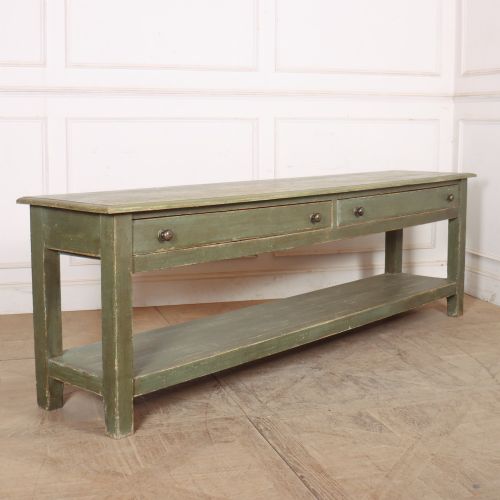

Antique Green Sideboard
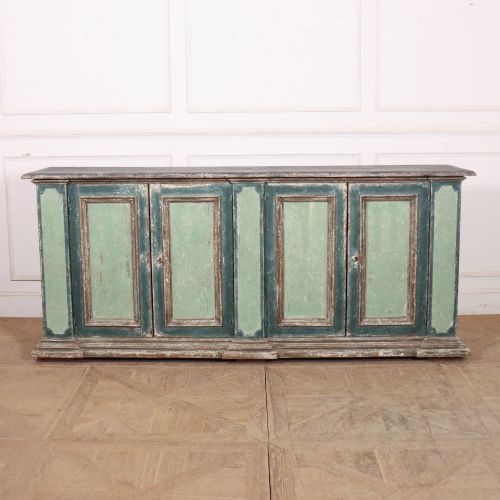
An antique green sideboard brings painted colour and sturdy timber storage together, offering a practical focal point for dining rooms and hallways.
Antique Green Sideboard
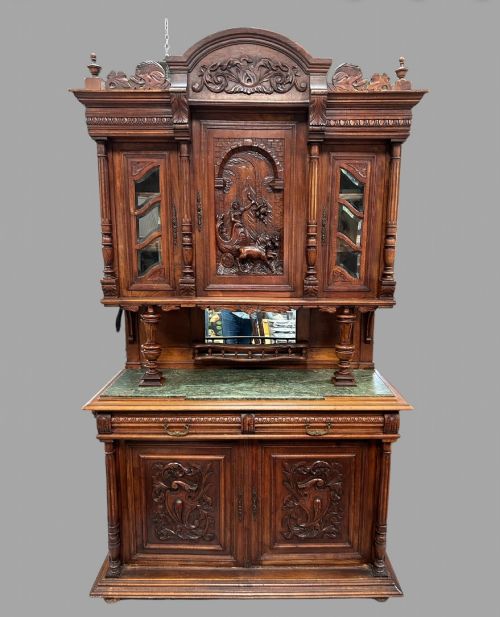
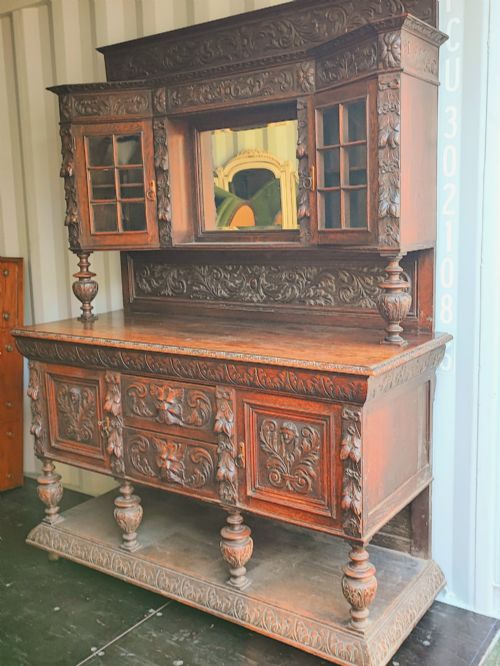
Buyers seeking an antique green sideboard encounter a range of forms, from robust dresser bases and potboard serving tables to heavily carved Victorian oak sideboards. The pieces stem primarily from the eighteenth and nineteenth centuries, spanning regional English country styles to French provincial and Hungarian workshops.
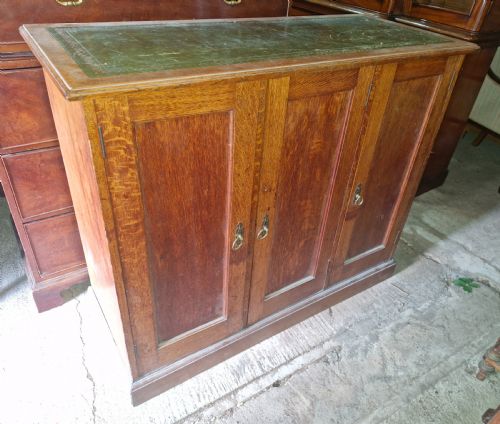
The painted finish defines the aesthetic, often appearing on pine, oak or mixed wood carcases that have acquired gentle patination over decades of domestic use. Many examples incorporate traditional storage configurations such as drawers, panelled cupboards and open potboards beneath the main surface.
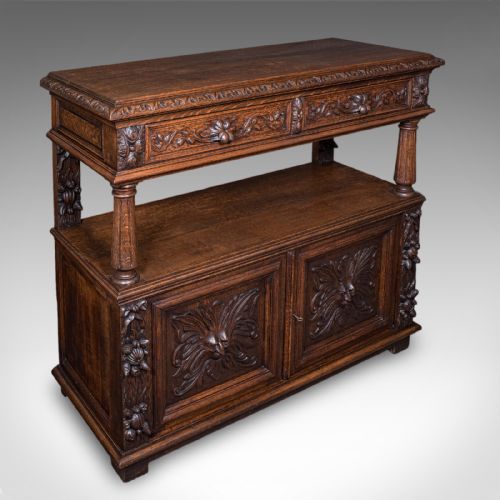
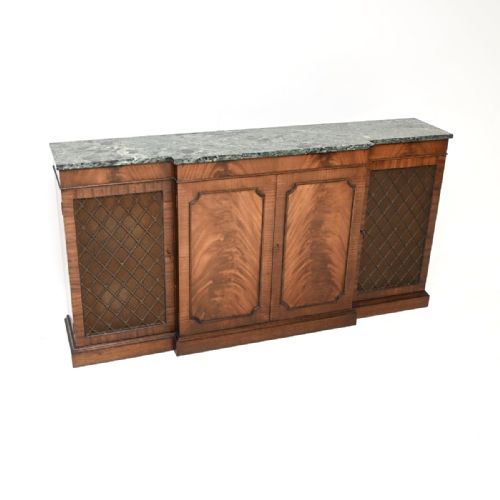
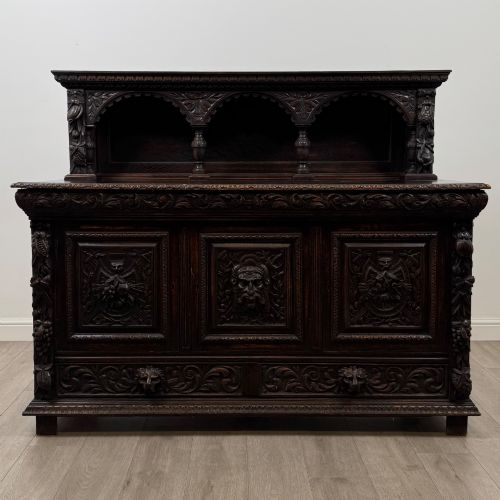
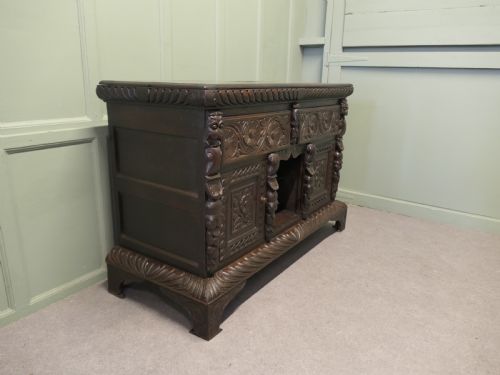
Regional variations introduce distinct character into the selection, including rustic farmhouse items alongside revival pieces featuring carved green man motifs or marble tops. These items serve the same utilitarian purpose today as they did historically, combining display surfaces with enclosed storage capacity.
Materials and construction techniques
Craftsmen built these carcases using solid timbers such as oak, pine and walnut, joining structural elements with traditional methods including dovetailing for drawers and mortise and tenon joints for frames. Many surfaces received layers of paint, sometimes over earlier decoration, creating the characteristic green colour seen across the selection.
Details frequently incorporate secondary materials like brass handles, marble slabs fitted to the top surfaces, and glass panes within cabinet doors. Carved ornamentation, such as the distinctive green man motifs, required skilled hand chiselling into dense woods like oak.
Several items bear the watchful gaze of carved green man masks peering out from dense oak foliage.
Evaluating the standard of workmanship
Quality rests upon the integrity of the timber framing and the preservation of the original painted surface rather than uniform perfection. Pieces constructed with solid oak or dense pine retain structural stability more effectively than those relying on secondary laminates.
The refinement of hand-carved details, such as deep relief foliage or figural masks, distinguishes superior examples from simpler utilitarian items. Furthermore, the survival of original hardware, integrated marble tops, and untouched painted patination elevates the standing of an individual piece.
The Antique Green Sideboard Glossary
- Dresser base
- A low cabinet featuring drawers or cupboards beneath a flat top surface, historically used for food preparation and storage in domestic kitchens.
- Potboard
- An open slatted lower shelf incorporated into the base of a dresser or serving table, traditionally designed to hold heavy earthenware pots.
- Green man
- A sculptural architectural ornament depicting a human face entwined with leaves, vines and foliage, frequently carved into Victorian oak furniture.
- Commode
- A low French or continental chest of drawers or cabinet, often fitted with a marble top and decorative mounts.
- Marquetry
- A decorative technique where small pieces of coloured wood veneer are arranged in intricate geometric or pictorial patterns across a surface.
Antique Green Sideboard: Frequently Asked Questions
Where were these sideboards used?
These pieces originated in kitchens, dining rooms, and dairies where sturdy surfaces and enclosed storage were essential for everyday domestic tasks.
Today, they transition easily into modern living spaces, serving as credenzas in dining rooms or storage consoles in hallways.
How do I care for painted wood?
Painted surfaces require gentle cleaning with a soft, dry cloth to remove dust without disturbing the historic finish or wax layers.
Avoid placing these items in direct sunlight or near heat sources to prevent the timber from warping and the paint from cracking.
What is a green man carving?
The green man is a traditional decorative motif showing a face emerging from or made of foliage, symbolising rebirth and spring.
Cabinet makers during the nineteenth century favoured this motif on heavy oak sideboards and buffets in the Gothic taste.
Are these pieces made of solid wood?
The listings consist primarily of timbers like oak, pine, and walnut, joined using traditional carpentry techniques without modern manufactured boards.
This solid construction contributes to the considerable weight and lasting durability observed in nineteenth-century and earlier examples.