
Antique Green Pottery
Antique green pottery brings together centuries of ceramic history, offering rich glazes and varied forms that anchor any collection.
Antique Green Pottery
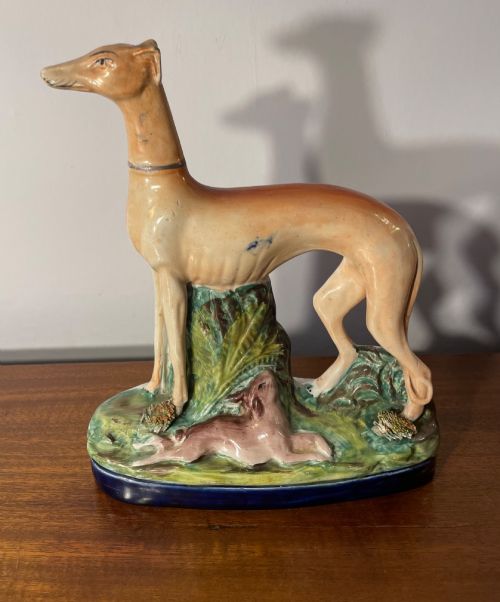
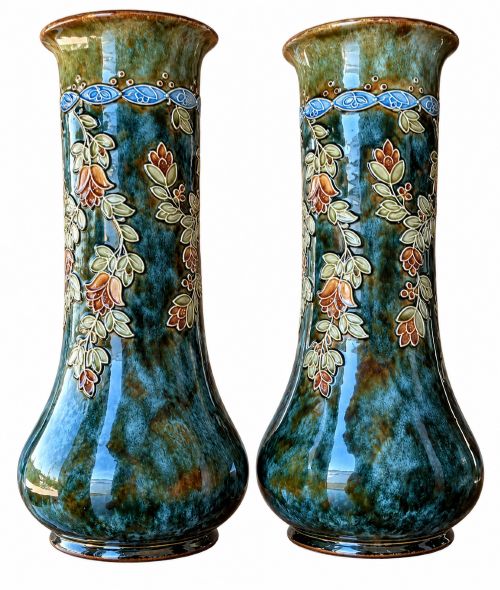
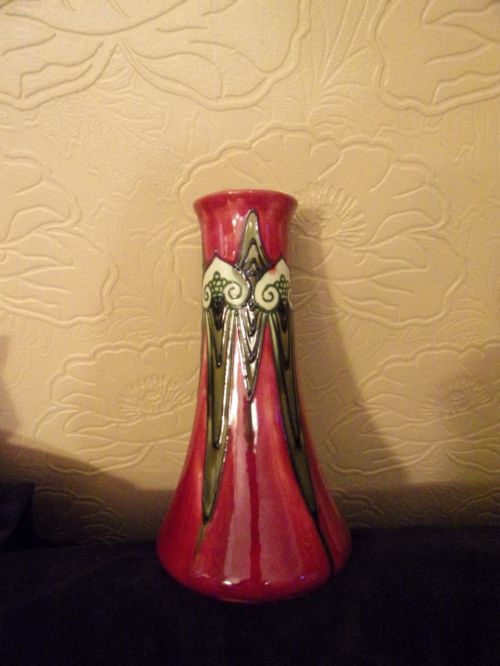
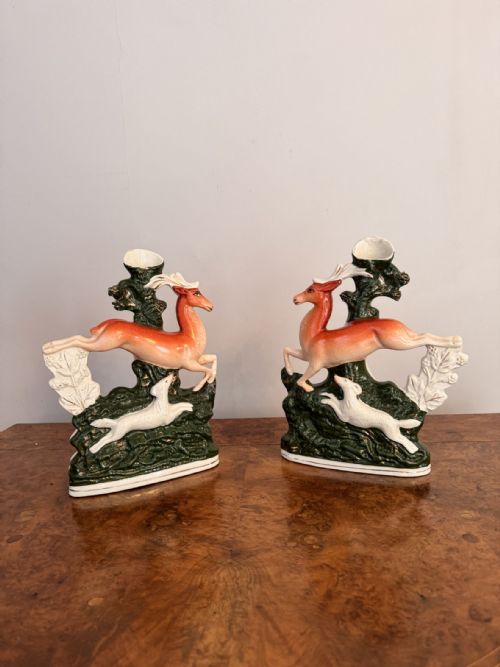
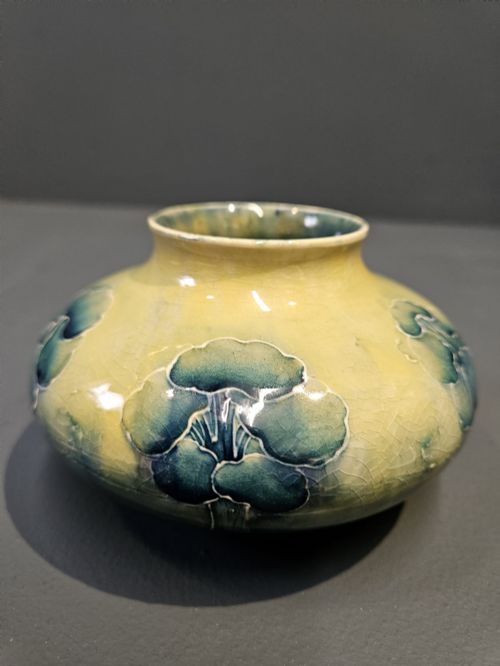
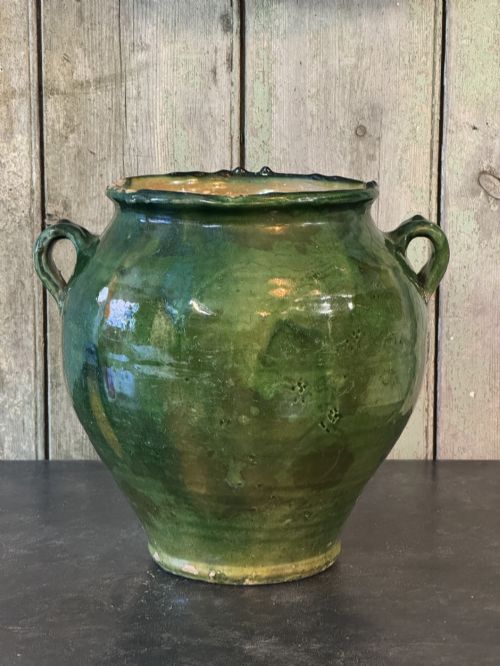
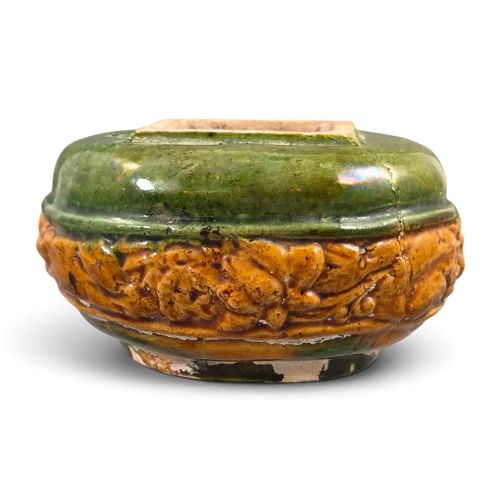
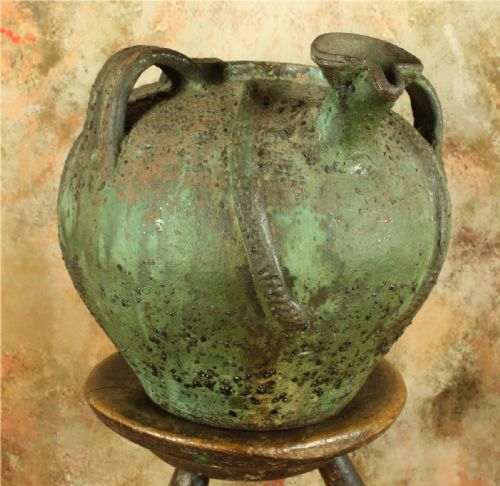
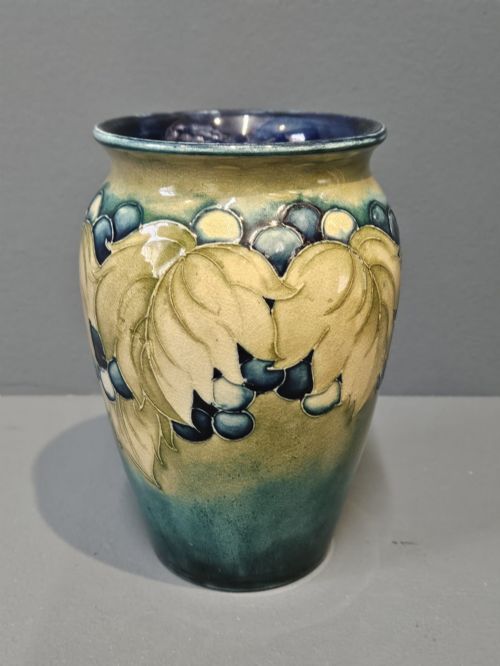
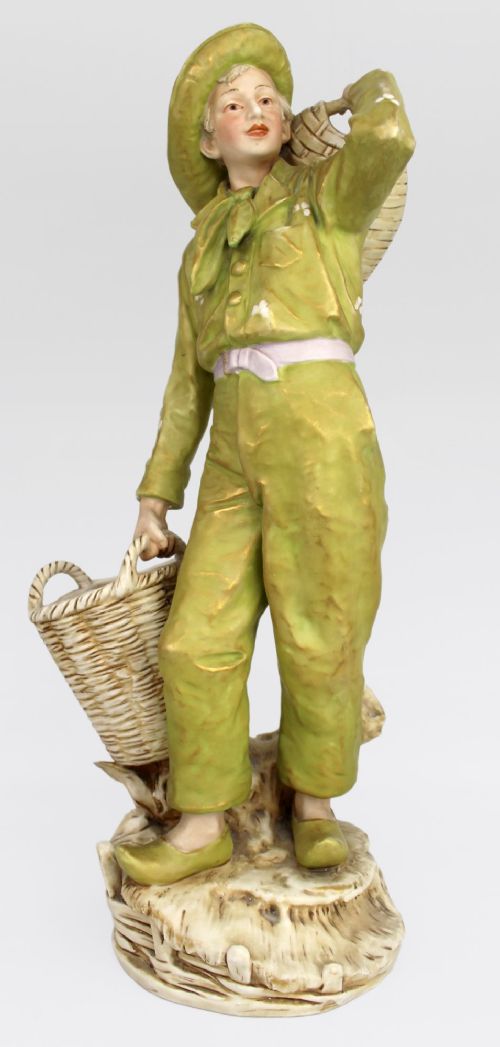
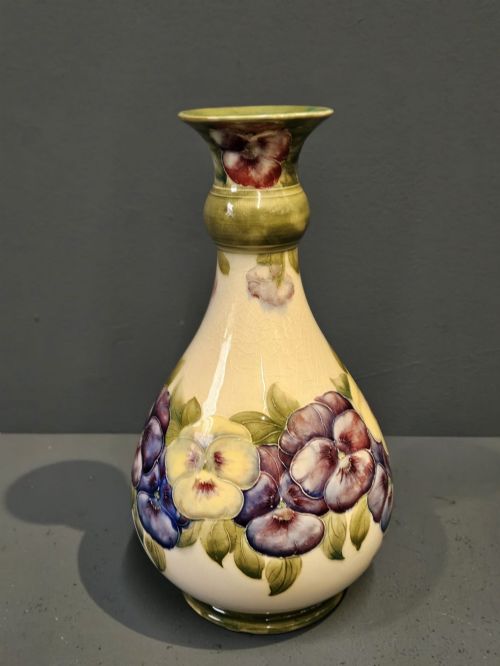
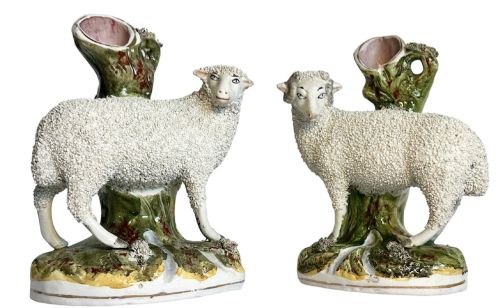
Antique green pottery encompasses utilitarian vessels, decorative vases, and figurative pieces spanning multiple centuries and global traditions. When exploring this selection, buyers encounter everything from French confit pots and Staffordshire spill vases to sophisticated Art Nouveau stoneware.
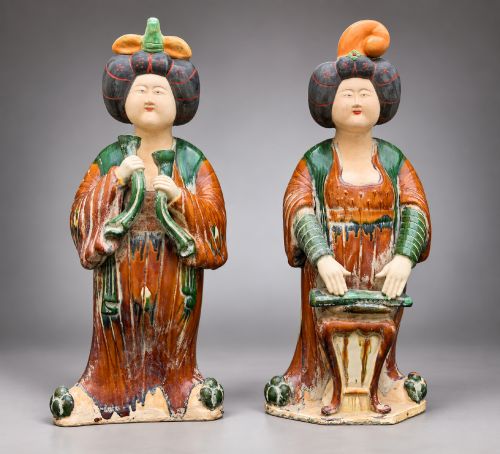
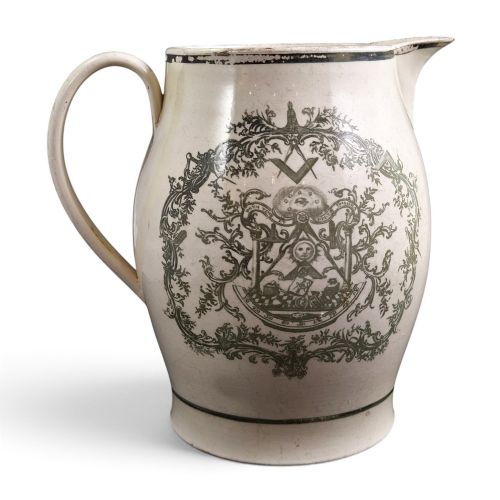
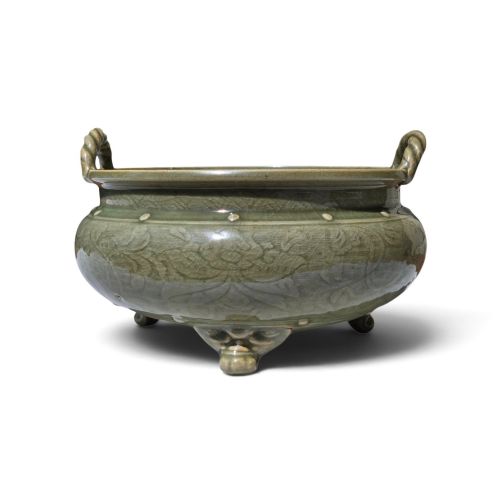
The material reaches from English earthenware and creamware to Chinese celadon and French faience, crossing periods from the Ming Dynasty to the twentieth century. These pieces reflect the enduring appeal of green ceramic finishes across diverse cultures and domestic interiors.
Materials and Techniques
Potters utilised earthenware, stoneware, and porcelain bodies, shaping them on the wheel or forming them in moulds to create figures, ewers, and bowls. Stoneware and earthenware provided sturdy foundations for heavy domestic and decorative items.
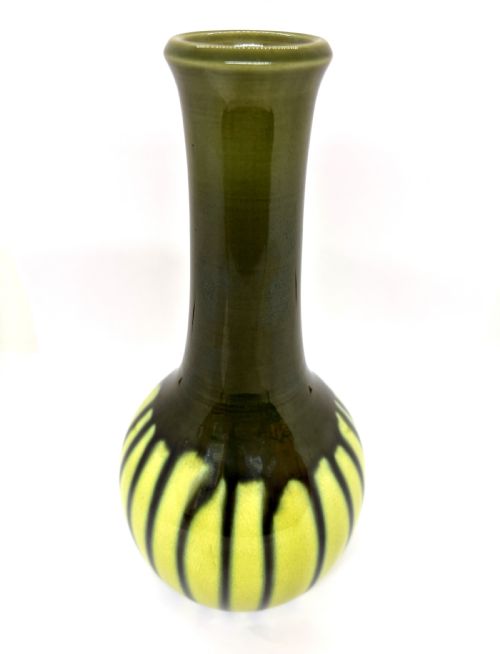
Glazes define these pieces, ranging from monochrome celadon and olive coatings to complex majolica and tube-lined designs. Kiln firing temperatures and mineral oxides determined the exact shade of green achieved on each surface.
Listings feature items spanning the 18th century through the 1940s, utilising earthenware, stoneware, and porcelain.
Assessment of Quality
Quality rests on the crispness of modelling in figures and relief decoration, alongside the evenness and depth of the glaze. Finer pieces display deliberate control over the fluidity of the green surface pigments.
The distinction between standard domestic wares and exceptional examples lies in the precision of execution, whether in hand-painted details, sculptural definition, or studio attribution.
Royal Doulton Lambeth·Moorcroft·Goldscheider·Zsolnay Pecs·Wedgwood·George Jones
The Antique Green Pottery Glossary
- Celadon
- A traditional Chinese glaze ceramic featuring a pale green jade-like finish. This coating varies from translucent sea-green to deeper olive tones.
- Majolica
- A type of earthenware coated in an opaque tin-lead glaze and painted with metallic oxide colours. It gained widespread popularity during the Victorian period for vibrant decorative wares.
- Stoneware
- A dense, impermeable ceramic fired at high temperatures. It resists liquids naturally without requiring a porous earthenware body.
- Spill vase
- A small vertical container designed to hold wooden spills used for lighting candles and fires. Staffordshire potters frequently produced these in pairs featuring animals.
Antique Green Pottery: Frequently Asked Questions
How are antique green pottery vases cleaned?
Dust these ceramics gently with a soft, dry cloth to preserve surface glazes. Avoid submerging older earthenware pieces in water, as moisture can penetrate porous bodies through hairline fractures.
For glazed stoneware or porcelain items, a damp cloth removes surface grime safely. Ensure the piece dries thoroughly before returning it to display.
What period is most common?
Victorian and early twentieth-century examples form a substantial portion of available pieces. Industrial expansion during the nineteenth century drove widespread ceramic production across Europe.
Earlier Asian celadon and eighteenth-century European earthenwares appear less frequently. These earlier pieces generally reflect distinct imperial or regional workshop traditions.
Are these pieces suitable for daily use?
Most antique decorative vessels and figurines serve purely aesthetic purposes rather than active domestic service. Glazes on nineteenth-century earthenware can harbour micro-cracks that absorb liquids over time.
Stoneware and later twentieth-century tableware offer greater durability for light functional use. Assess each individual piece for structural integrity before introducing food or water.