


Antique Green Glass Vessel
An antique green glass vessel brings deep, varied hues and historical utility to a room through blown forms and decorative finishes.
Antique Green Glass Vessel
An antique green glass vessel spans utilitarian storage and decorative display across multiple centuries of craftsmanship. These objects include wine bottles, carboys, apothecary jars, decanters, and vases created for domestic and commercial use.
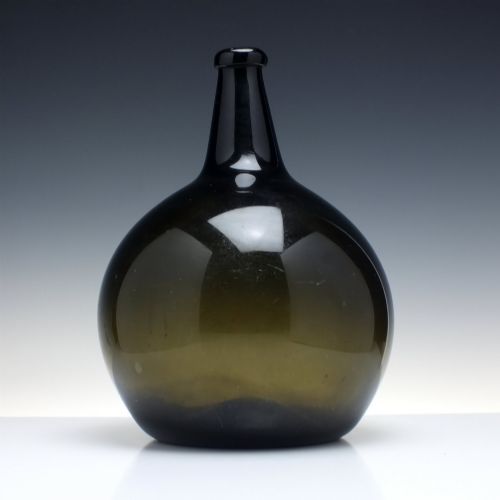
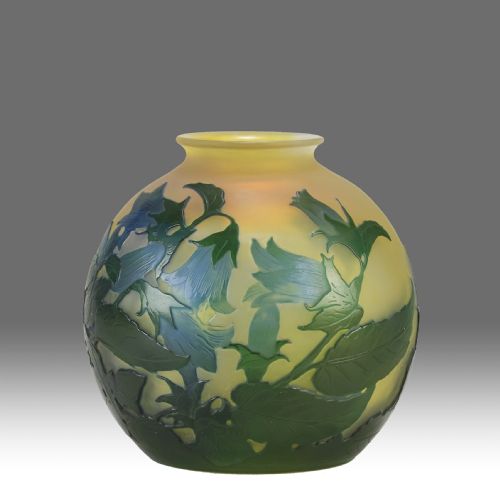
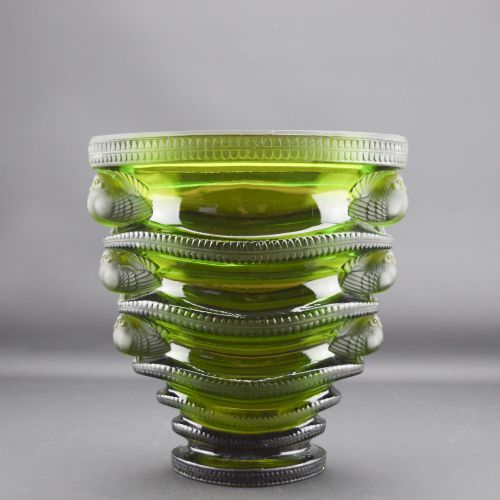
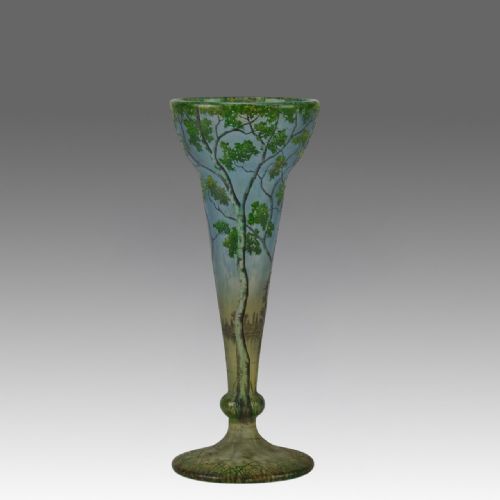
The selections encountered here stretch from Georgian wine bottles and Victorian Mary Gregory ewers to Art Nouveau cameo vases by Daum Frères and Art Deco uranium glass. Buyers find functional containers alongside artistic pieces designed during movements like the Vienna Secession and Arts and Crafts.
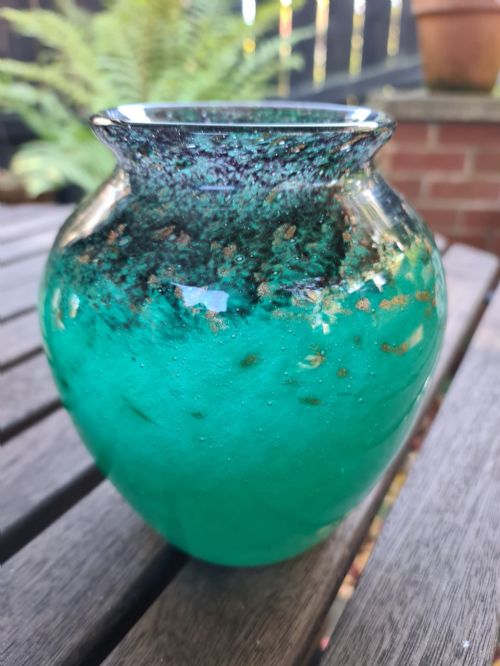
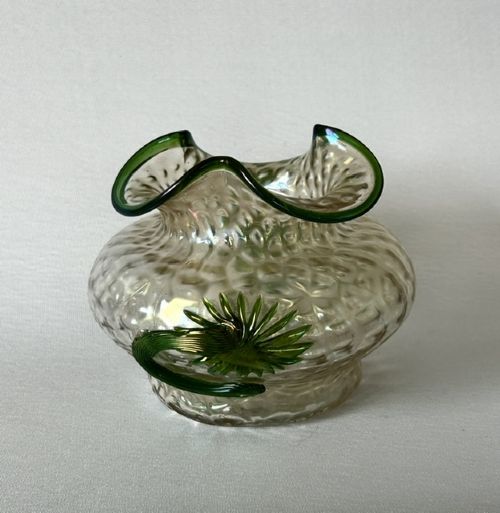
French pickling jars and massive demi-johns sit alongside delicate Scottish Monart bowls and Bohemian iridescent glassware. Each form reflects the specific technological capabilities and aesthetic preferences of its period of origin.
How they were made
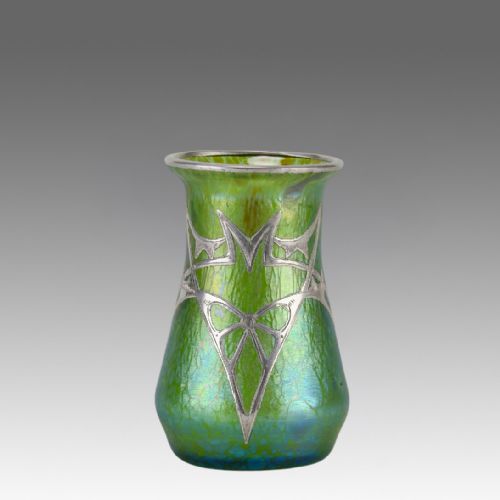
Glassmakers utilised traditional techniques such as hand-blowing, optical blowing, and mould-blowing to shape molten batches into vessels. Molten metal received various treatments, including cameo carving, enamel painting, etching, and the application of gold leaf or silver mounts.
Specialised thermal and chemical processes created distinct visual effects like iridescence, crackle textures, and layered glass bodies such as pâte de verre. Makers integrated metalwork stands and pewter fittings produced by designers like Archibald Knox to support complex glass forms.
Some nineteenth-century pickling jars still retain traces of their original contents after more than a century on the pantry shelf.
What varies in quality
The standard of a vessel depends on the complexity of its manufacturing technique, from simple utility bottles to intricate multi-layered cameo glass and acid-etched surfaces. Superior examples demonstrate rigorous control over colour saturation, bubble distribution, and surface finishes.
Provenance and attribution elevate certain pieces, particularly those bearing documented signatures or factory marks from renowned workshops and designers. The harmony between the glass body and any added metal mounts or enamel decorations dictates the overall artistic success of the piece.
Emile Gallé·Rene Lalique·Amalric Walter·Daum Frères·Johann Loetz·Karl Palda
The Antique Green Glass Vessel Glossary
- Carboy
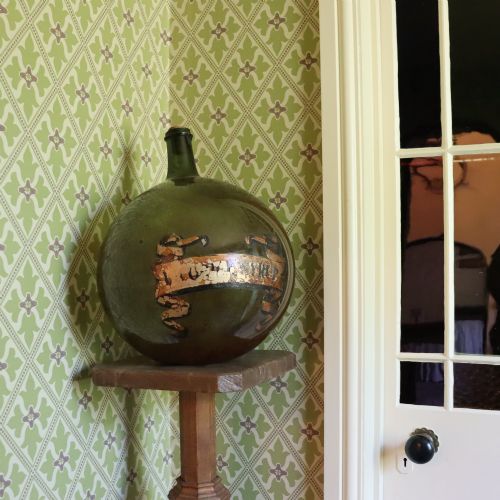
- A large, rigid glass bottle used for holding liquids, often enclosed in a protective basket or crate. These vessels typically served industrial or large-scale domestic storage purposes.
- Cameo glass
- A method of creating decorated glassware by carving through fused layers of contrasting colours to produce raised designs. This technique requires considerable skill to achieve sharp detail.
- Pâte de verre
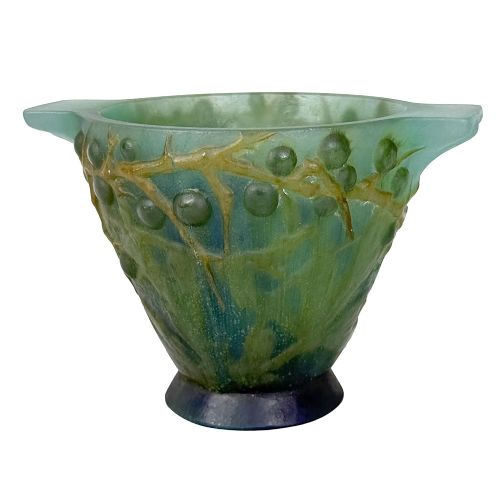
- A form of kiln-cast glass created by packing finely crushed glass into a mould and fusing it under heat. The resulting pieces possess a dense, sugary texture and rich colour.
- Iridescent glass
- Glass treated with metallic vapours or salts while hot to produce a shimmering, rainbow-like sheen on the surface. Makers like Loetz popularised this finish during the Art Nouveau period.
- Apothecary jar
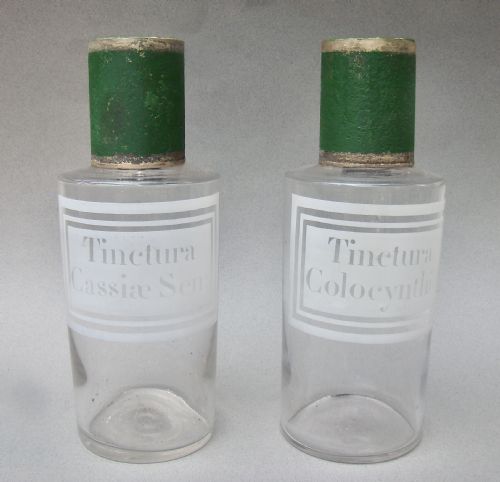
- A vessel designed to hold medicinal contents in a pharmacy or dispensary, often featuring hand-painted labels or etched glass panels. These containers combined practical sealing functions with display qualities.
Antique Green Glass Vessel: Frequently Asked Questions
How do I date an old green glass bottle?
Dating relies on manufacturing signs such as pontil marks on the base, seam lines, and the depth of natural glass coloration. Earlier pieces often display irregular bubbles and heavier bases compared to later moulded items.
Context also helps narrow the age, as specific decorative styles and bottle shapes align with distinct periods like the Georgian era or the early twentieth century.
What is uranium glass?
Uranium glass contains small amounts of uranium dioxide added as a colourant before melting, resulting in a distinct green shade. These pieces glow brightly under ultraviolet light.
This material appeared frequently in decorative objects produced during the Art Deco period by makers such as Karl Palda.
How were apothecary jars used?
Apothecary jars stored dry ingredients, liquids, and medicinal preparations in pharmacies and dispensaries. Their tight-fitting lids protected contents from moisture and contamination.
Over time, these functional containers transitioned into decorative interior items due to their etched designs and substantial proportions.