
Antique Green Cupboard
An antique green cupboard brings domestic storage to life with painted charm, forged iron hinges, and storied timber surfaces.
Antique Green Cupboard
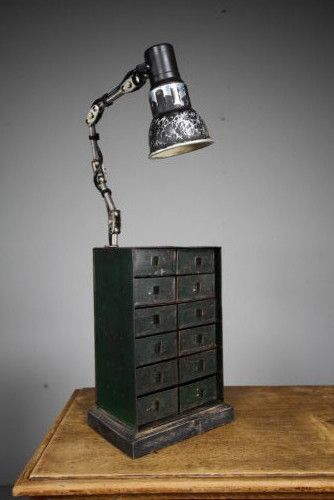
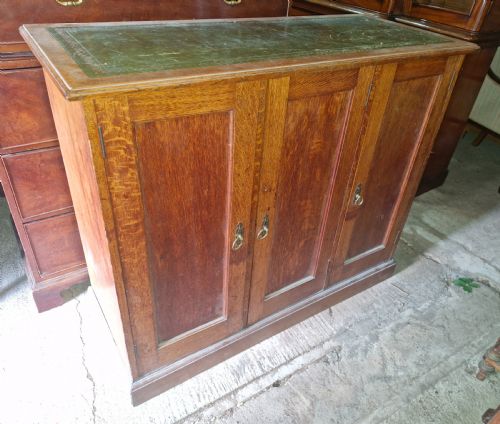
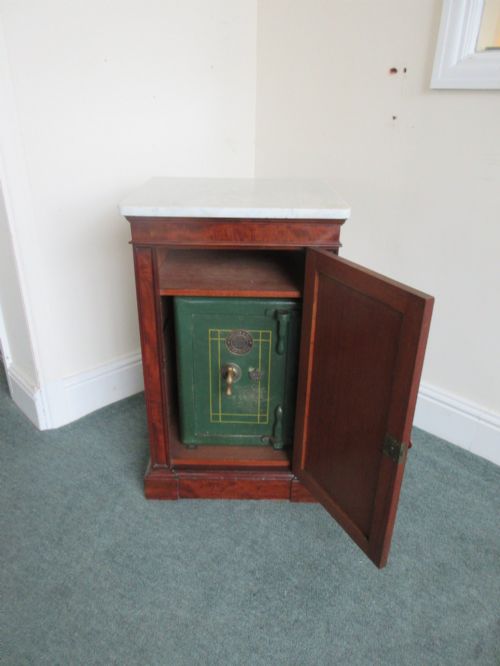
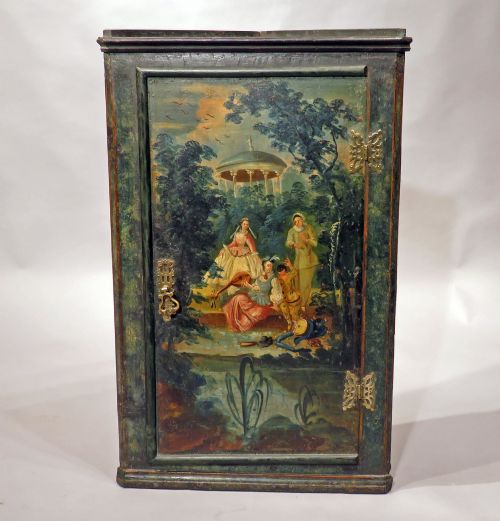
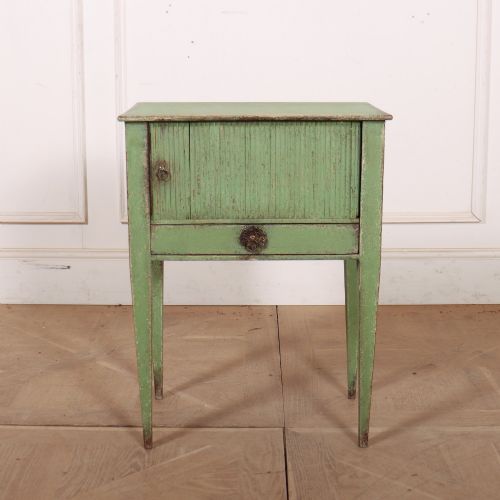
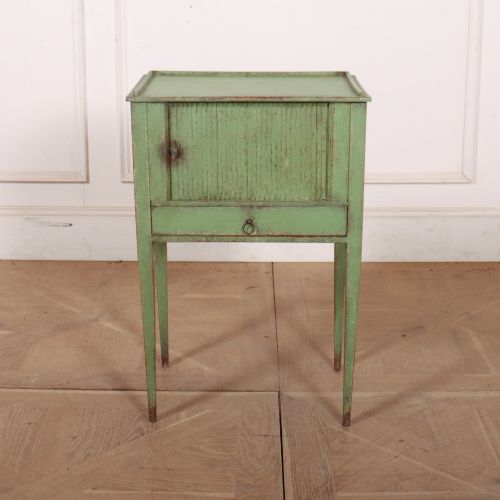
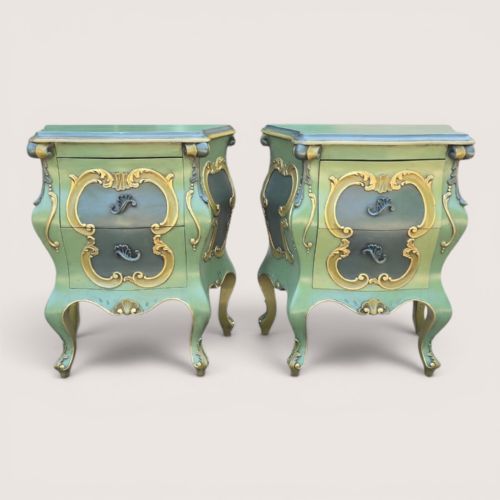
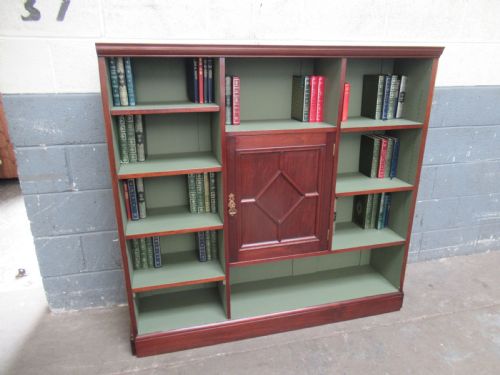
When you search for an antique green cupboard, you find practical storage furniture finished in historic green paint schemes. These pieces range from compact wall-mounted boxes and corner units to substantial kitchen dressers and sideboards.
The selection includes items from the eighteenth, nineteenth, and early twentieth centuries. English country house pieces, Scandinavian country models, and Dutch provincial examples appear frequently across the inventory.
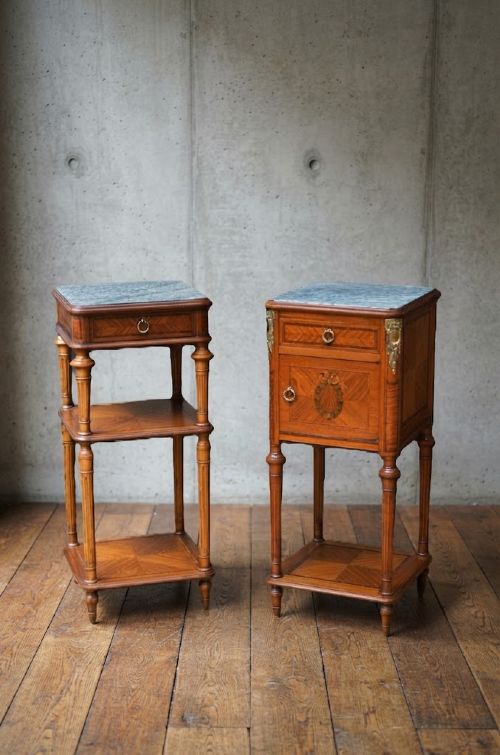
Many items utilise pine or oak as a primary timber base to hold the pigmented surfaces. Painted finishes range from subtle muted tones to vibrant folk art hues applied across domestic storage furniture.
How they were made
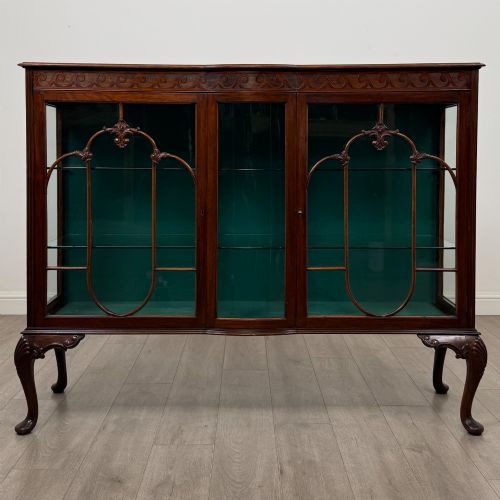
Carpenters constructed these cupboards using solid timbers such as pine, oak, and walnut joined with traditional methods. Iron hinges, brass handles, and glass panels often complete the structural composition of the cabinets.
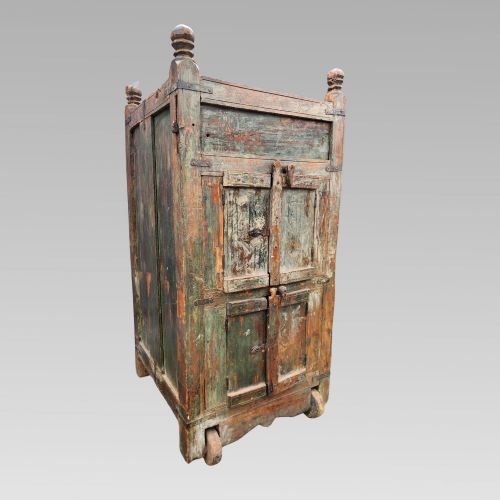
Makers applied layers of paint directly onto the wood surfaces to protect the timber and add colour. Many surviving pieces retain original green painted finishes that show genuine wear and patination from decades of use.
Listings feature pine, oak, and walnut timbers alongside glass panels, brass fittings, and iron hardware across multiple centuries.
What varies in quality
The integrity of the painted surface significantly influences the appeal of each cabinet. Pieces retaining their original historic green paint layer stand apart from later repainted surfaces.
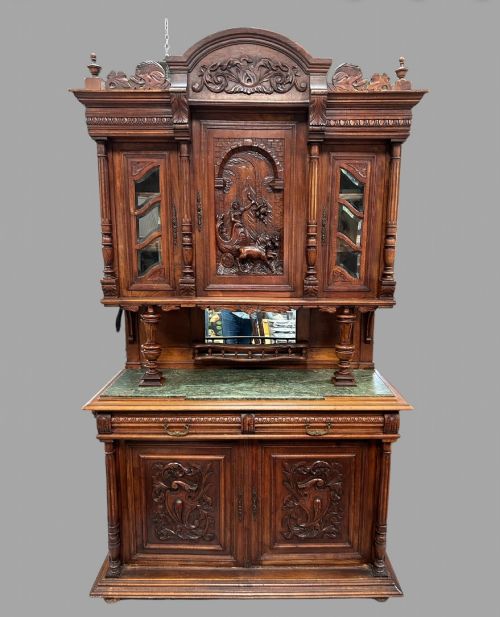
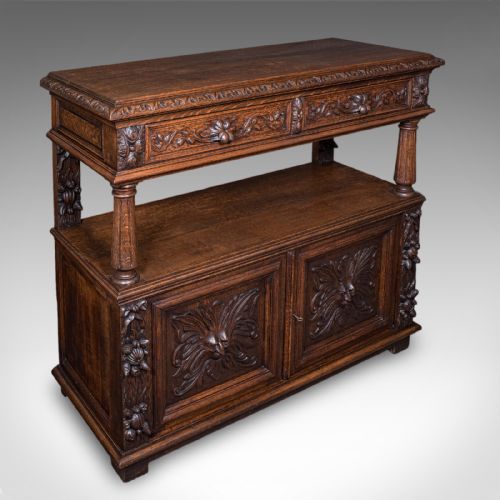
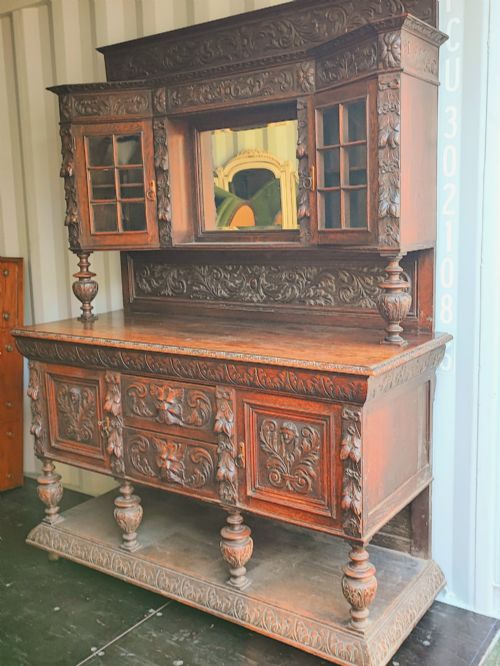
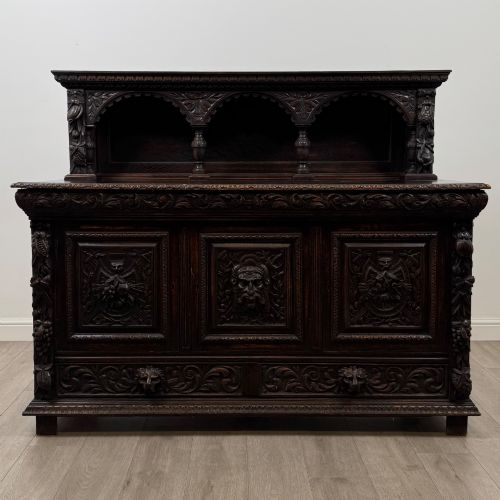
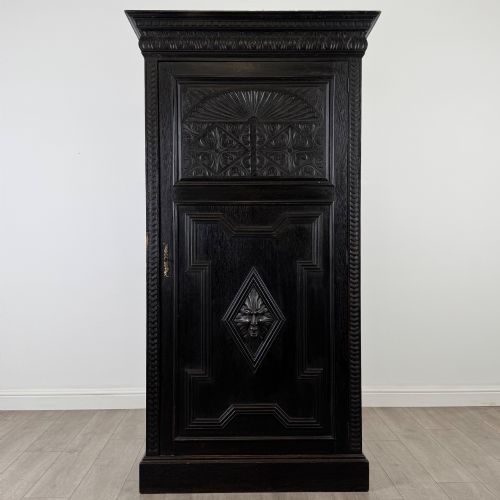
Construction depth and carving detail also distinguish the selection. Heavy carvings like Green Man motifs, panelled doors, and well-executed joinery separate simple utilitarian storage from finer decorative furniture.
The Antique Green Cupboard Glossary
- Corner Cupboard
- A storage unit shaped to fit neatly into the ninety-degree angle of a room. These save space while displaying items on internal shelves.
- Kitchen Dresser
- A dual-purpose piece featuring lower cupboards or drawers paired with upper open shelving. They served as primary storage in historic kitchens.
- Green Man
- A sculptural architectural motif depicting a face carved from leaves and foliage. This symbol appears frequently on nineteenth-century oak furniture.
- Almirah
- A freestanding cupboard or wardrobe traditionally used for storage in South Asian households. Teak versions bring distinct regional joinery traditions to the inventory.
- Pine
- A softwood timber commonly utilised for country furniture. It accepts painted finishes readily and forms the base for many folk art cupboards.
Antique Green Cupboard: Frequently Asked Questions
How do I date an old green cupboard?
Examine the construction methods, timber types, and hardware used on the cabinet. Hand-cut joints, original hand-blown glass, and period-specific mouldings point towards specific centuries.
The paint finish itself offers crucial clues when underlying layers match the expected age of the wood. Comparing the style to documented examples helps narrow down the manufacturing decade.
Where were these painted cupboards used?
Historic green cupboards served in various domestic spaces including kitchens, pantries, hallways, and bedchambers. Larger dressers held tableware while smaller wall cupboards stored provisions.
Country houses and farmhouses utilised these practical pieces for everyday organisation. Their durable painted finishes protected the timber in busy working environments.
How should I care for painted wood?
Maintain painted cupboards by dusting them regularly with a soft, dry cloth. Avoid harsh chemical cleaners that can damage historic pigmented surfaces.
Keep wooden furniture away from direct sunlight and steady heat sources to prevent timber splitting. Stable indoor humidity protects both the underlying wood and the fragile paint layers.
Are painted finishes original on these cabinets?
Many pieces retain their original historic paint, while others have been decorated or repainted during subsequent eras. Close inspection reveals whether the green pigment has aged naturally with the timber.
Original surfaces often show craquelure, subtle fading, and wear patterns consistent with age. Restored or later painted finishes tend to display a more uniform appearance across the wood.