


Antique Gouache Portrait Painting
An antique gouache portrait painting offers a vivid window into past lives, capturing faces in opaque pigments with striking immediacy.
Antique Gouache Portrait Painting
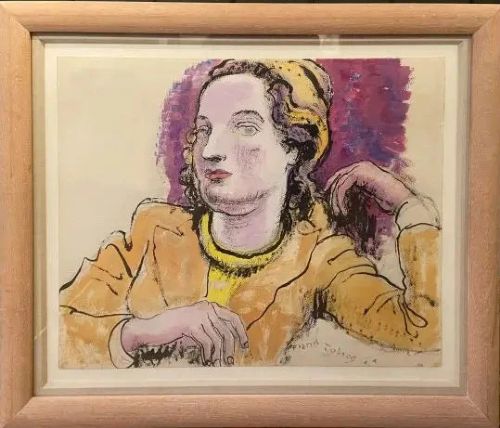
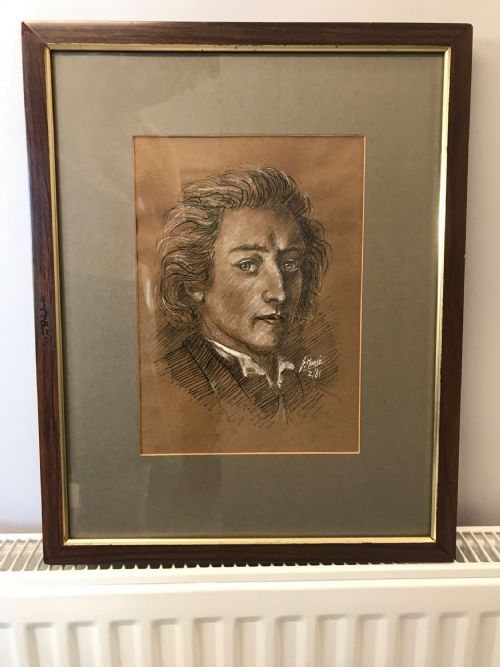
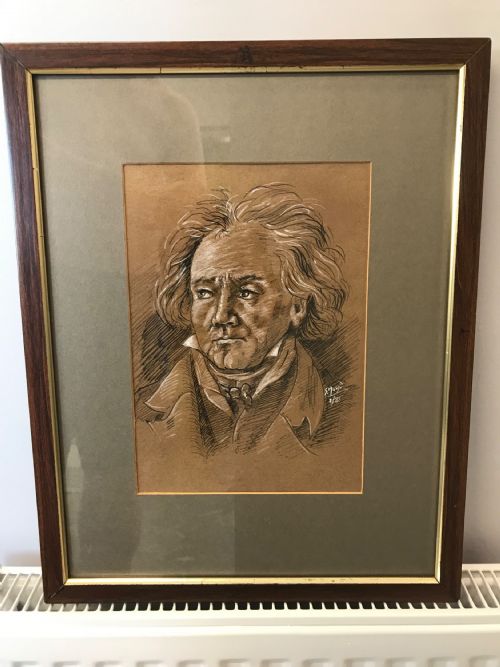
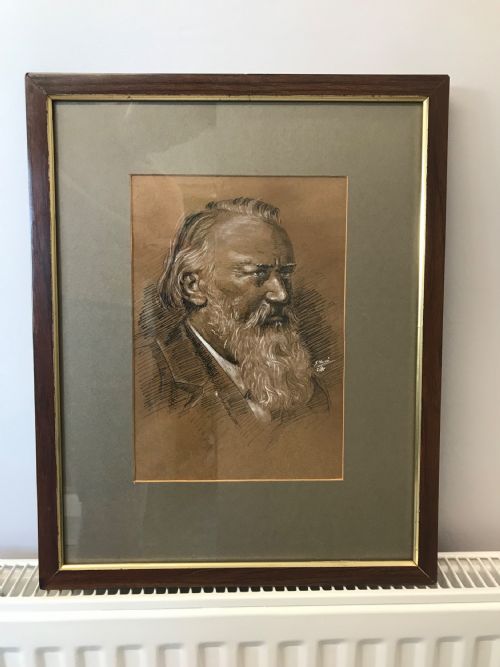
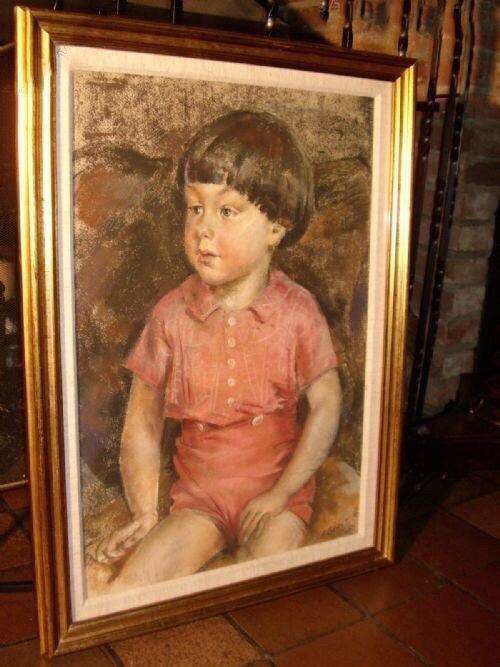
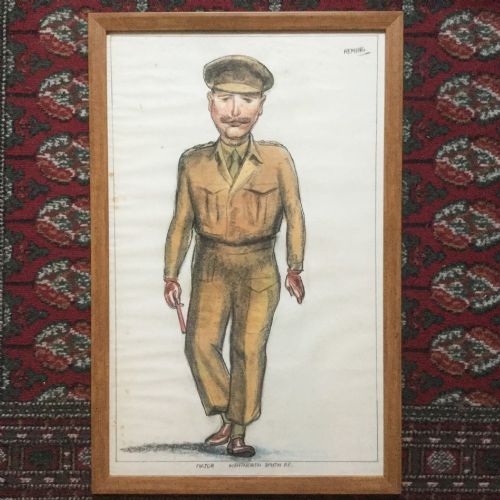
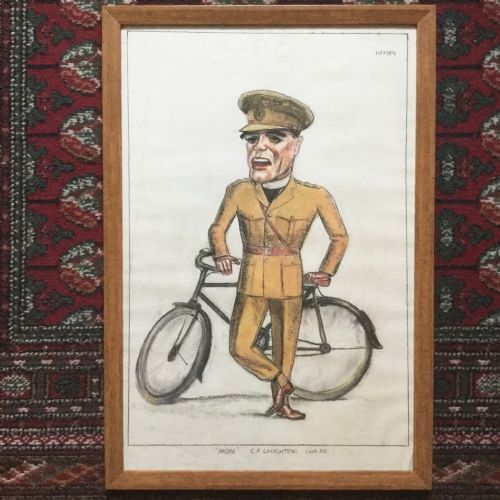
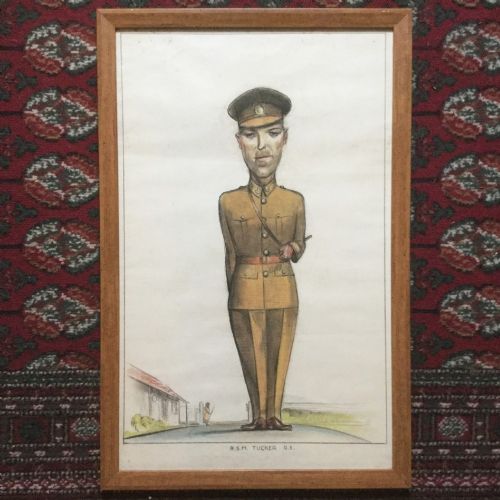
An antique gouache portrait painting brings together historical likenesses executed on surfaces such as paper and pith, spanning periods from the Regency era through the nineteenth century and into the mid-twentieth century. Buyers encounter works depicting naval officers, military figures, composers, and traditional subjects rendered in styles ranging from Victorian academic realism to Indian school miniatures.
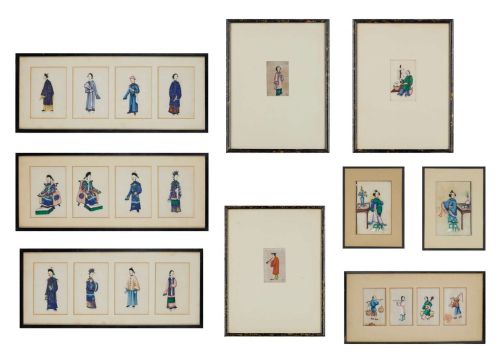
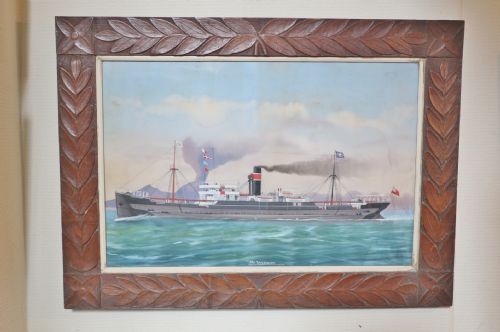
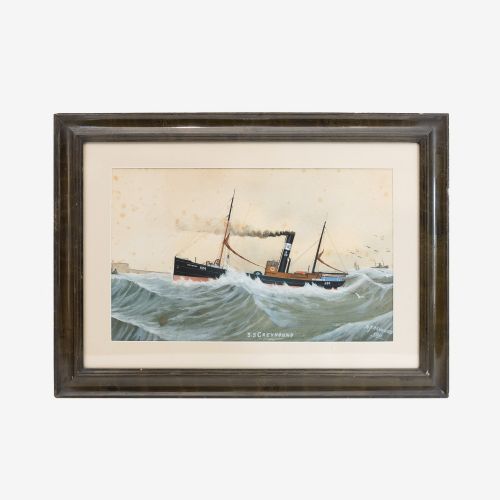
The selection includes framed drawings and detailed studies where gouache is frequently paired with watercolour, pastel, ink, or wash. These works reflect diverse global traditions, including Chinese pith paper paintings from the late Qing dynasty and British maritime depictions of steamships and warships.
How they were made
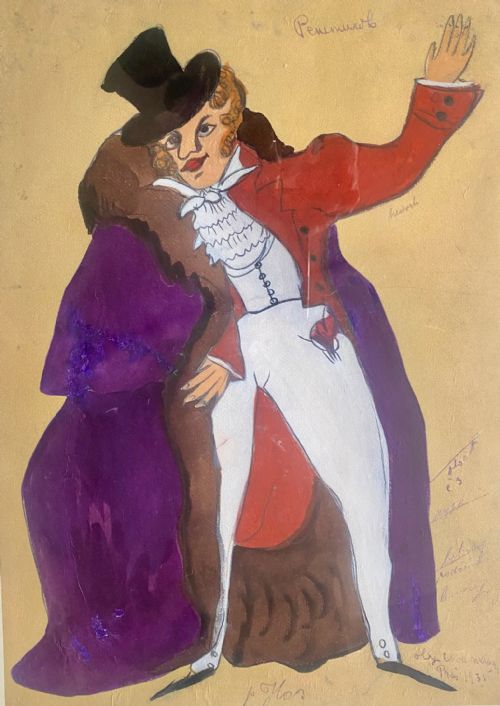
Artists utilise gouache, an opaque water-based medium, combined with watercolour, pen ink wash, or pastel to achieve rich colour saturation and fine detail on paper supports. Many works incorporate pencil underdrawings and are housed behind glass within period wood frames.
Specialised techniques are visible in Asian works painted on delicate pith or rice paper, as well as European portrait miniatures created with precise brushwork on paper or ivory.
Listings feature works spanning the Regency era, Victorian period, Edwardian years, and mid-twentieth century up to 1960.
What varies in quality
Condition and presentation also define the standard, noting the integrity of the paper or pith support, the stability of the pigment against fading, and the appropriateness of the framing.
J.A. Grant·Alexander Harwood·Vincenzo D’Esposito·Alice Anne Renshaw·Emma Kendrick·Montagu Barstow·Dame Laura Knight
The Antique Gouache Portrait Painting Glossary
- Gouache
- An opaque water-based paint consisting of pigment, water, and a binding agent such as gum arabic, often containing chalk to create a dense, flat finish.
- Pith paper
- A delicate organic material sliced from the pith of the Tetrapanax papyrifer plant, commonly used in nineteenth-century Chinese export paintings.
- Miniature painting
- A small-scale portrait executed with fine detail, frequently created during the Regency and Victorian periods.
- Wash
- A thin, transparent layer of diluted ink or watercolour applied to paper to establish tonal depth beneath or alongside gouache applications.
Antique Gouache Portrait Painting: Frequently Asked Questions
What is an antique gouache portrait painting?
These works are historical portraits created using opaque water-based pigments on paper, card, or pith, often dating from the nineteenth and early twentieth centuries.
They capture individual likenesses through a combination of gouache, watercolour, and ink, reflecting distinct artistic styles of their respective periods.
How should I frame and hang them?
Because works on paper and pith are sensitive to light and moisture, they require conservation framing behind glass with proper matting to prevent direct contact with the surface.
Display them away from direct sunlight and damp environments to preserve the integrity of the pigments and the support material.
How do I identify the period of a portrait?
Dating relies on clues such as the sitter's costume, hairstyling, uniform details, and framing materials, alongside any signatures or inscriptions recorded on the reverse.
Comparing the paper type and medium combinations - such as nineteenth-century Chinese pith or wartime pastel sketches - also helps establish the era.
Are these paintings glazed?
Most antique works on paper are housed behind glass to protect the delicate paint layers from dust, atmospheric pollutants, and physical damage.
Retaining the original glass and period wooden frame adds historical context to the piece.