
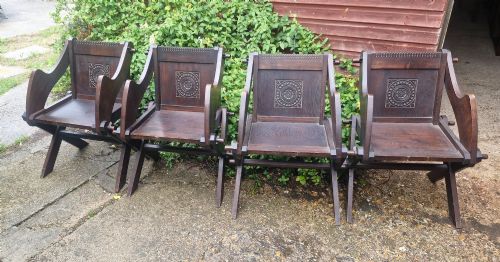
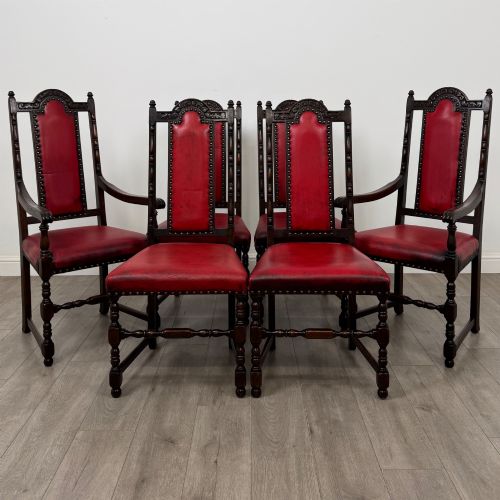
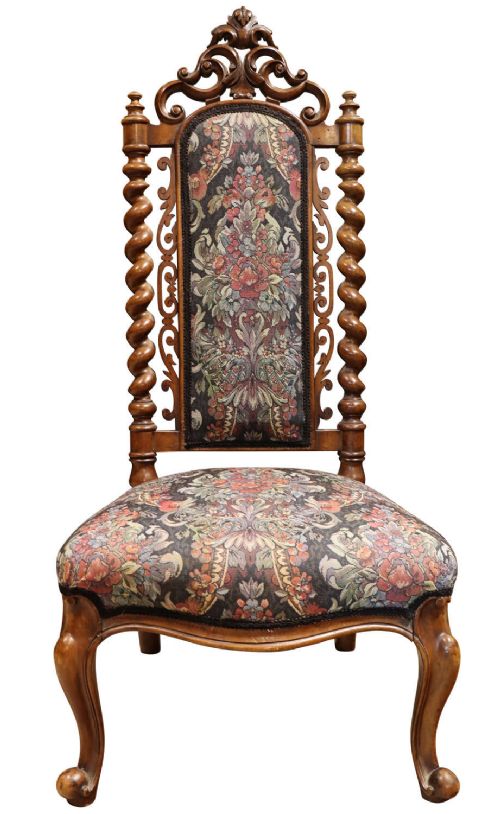
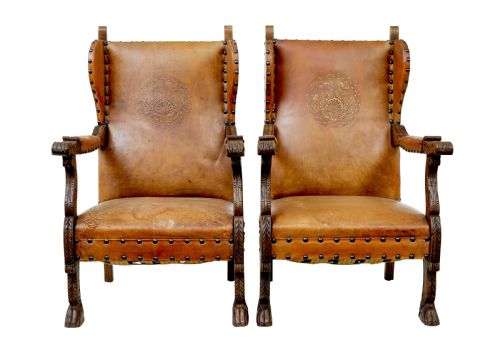
Antique Gothic Seating
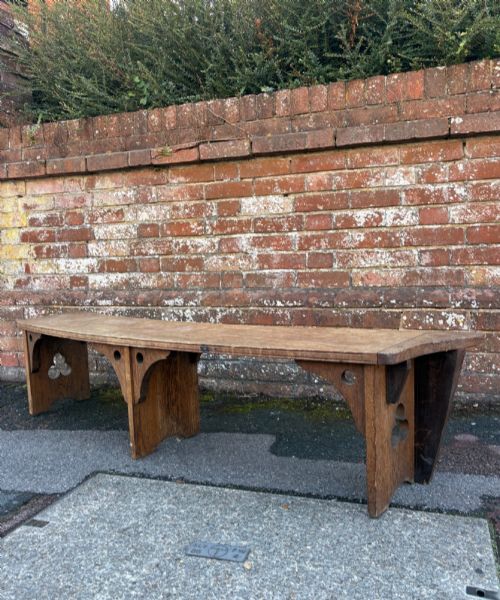
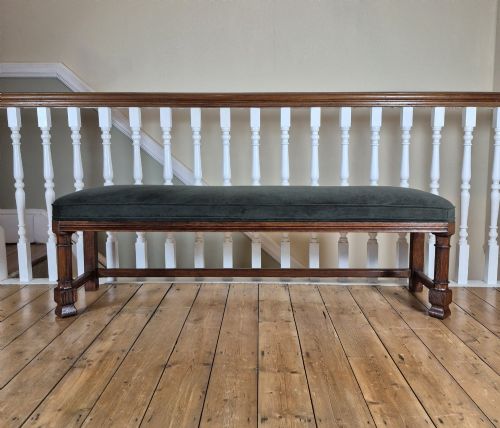
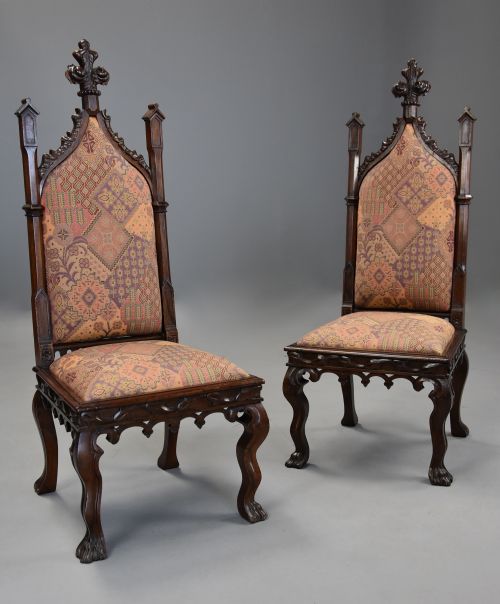
Antique gothic seating brings architectural presence into a room, offering solid timber construction and distinct pointed arch details.
Antique Gothic Seating
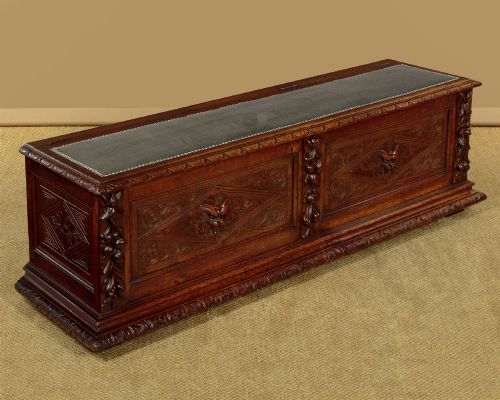
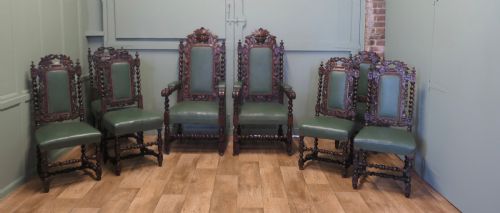
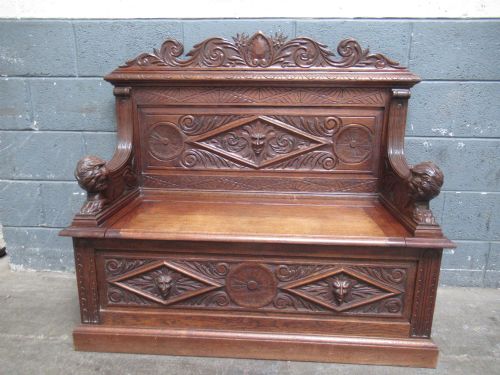
When searching for antique gothic seating, buyers encounter substantial wooden furniture designed with medieval architectural motifs that experienced a major revival during the nineteenth century. The selection spans robust oak benches, high-backed hall chairs, dining sets, and ecclesiastical pews originating from Victorian workshops.
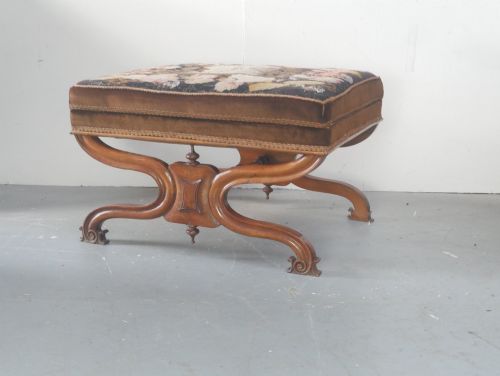
Most examples date from the nineteenth century, including specific pieces from the 1850s through to the 1900s, reflecting the era's fascination with Gothic Revival and Jacobean styles. Forms range from heavy oak armchairs with trefoil carved supports to simpler pitch pine chapel pews and decorative walnut chairs upholstered in tapestry or leather.
Materials and construction methods
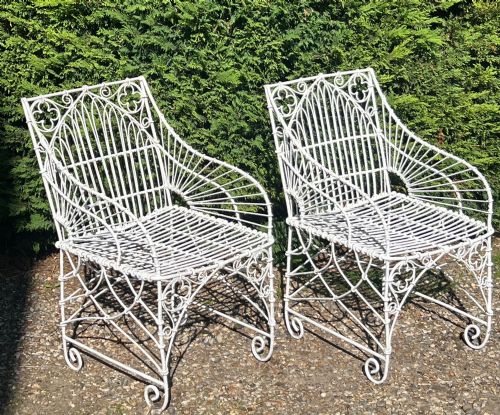
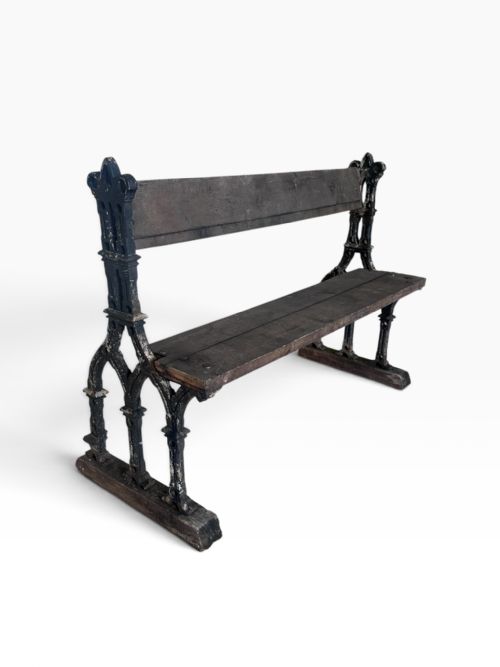
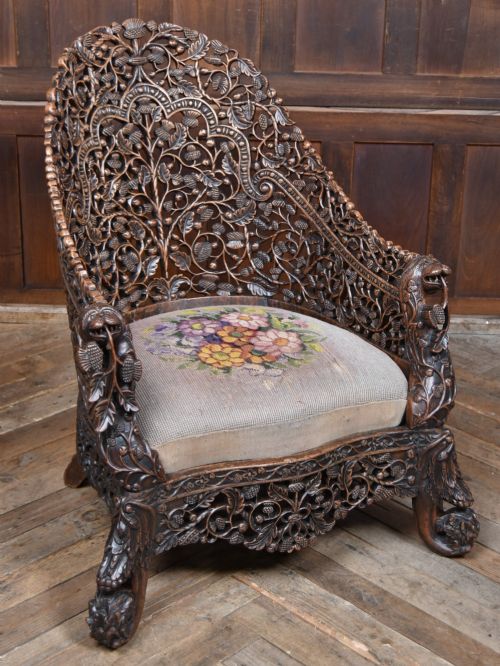
Makers relied heavily on solid oak, walnut, rosewood, and pitch pine, often finishing the timber with deep carved detailing such as linenfold panels, tracery, and pointed arches. Metal also appears in the form of cast iron and other metals utilised for garden benches and structural reinforcement.
Upholstery materials typically include embossed leather, heavy fabric, and tapestry, secured to frames designed in architectural forms like the iconic Glastonbury chair. Joinery is robust and traditional, reflecting the sturdy requirements of ecclesiastical and domestic seating.
Listings feature solid oak, walnut, rosewood, and pitch pine across nineteenth-century Victorian and Arts and Crafts Gothic Revival periods.
Factors that separate quality grades
Quality in these pieces rests upon the crispness of the hand-carved ornamentation and the architectural integrity of the timber frame. Finer examples display deeply undercut tracery, balanced proportions, and original makers' labels or institutional markings.
The choice of primary wood heavily influences desirability, with dense English oak and figured rosewood sitting at a different level of craftsmanship compared to utilitarian pine pews. Original upholstery elements, such as period embossed leather or heavy tapestry, further elevate the standing of a piece.
GIllows·W.A. Willcocks
The Antique Gothic Seating Glossary
- Gothic Revival
- An architectural and decorative style popular during the nineteenth century that revived medieval forms, pointed arches, and structural motifs.
- Glastonbury chair
- A distinctive nineteenth-century armchair design with an X-framed base and sloping arms, frequently constructed in oak.
- Trefoil
- A three-lobed decorative ornamentation resembling a clover leaf, commonly pierced or carved into wooden chair backs and supports.
- Hall chair
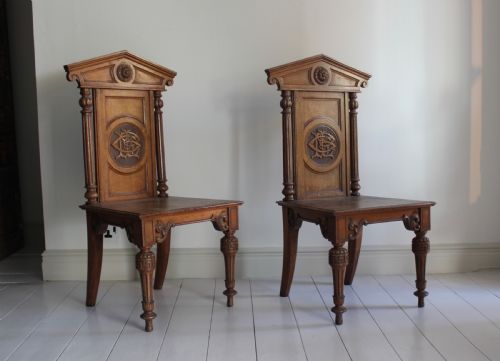
- A rigid wooden seat, usually without arms, designed for placement in an entrance hallway and often bearing carved family crests or motifs.
- Pew
- A long wooden bench traditionally utilised in churches, constructed from heavy timber such as pitch pine or oak.
Antique Gothic Seating: Frequently Asked Questions
Where were these chairs originally placed?
These pieces were primarily commissioned for grand entrance halls, ecclesiastical settings, libraries, and formal dining rooms within nineteenth-century residences. Their robust construction suited spaces with heavy foot traffic.
Ecclesiastical examples specifically came from chapels and cathedrals, utilising durable timbers like pitch pine and oak to withstand daily use.
Can I use antique oak pews for dining?
Oak pews and church benches provide long, linear seating that functions well alongside large refectory dining tables. Their fixed nature offers stable, communal seating.
Consider the seat height and depth relative to your table, as ecclesiastical benches were built for varied architectural spaces rather than standard domestic dining.
What is Scottish Baronial style?
Scottish Baronial furniture draws upon medieval Scottish architecture, featuring imposing proportions, turned wooden elements, and heavy carved woodwork. Stools and chairs from this tradition convey a fortress-like aesthetic.
These pieces often utilise native oak and display austere geometric mouldings distinct from softer English Victorian gothic designs.