






Antique Goldscheider Statue
An antique goldscheider statue brings the rich sculptural character of Viennese ceramic art straight into a room.

Antique Goldscheider Statue
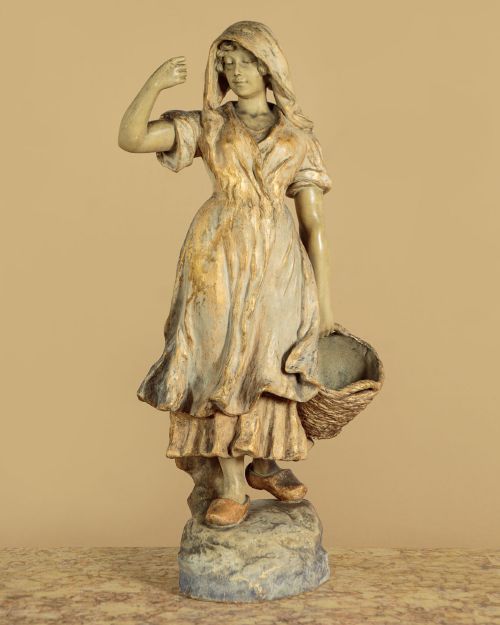
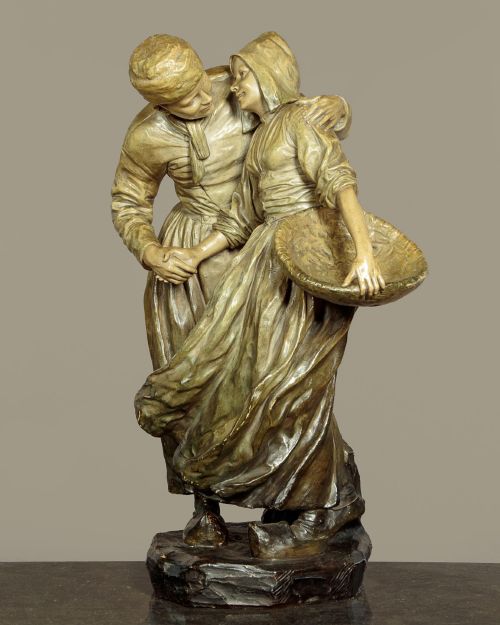
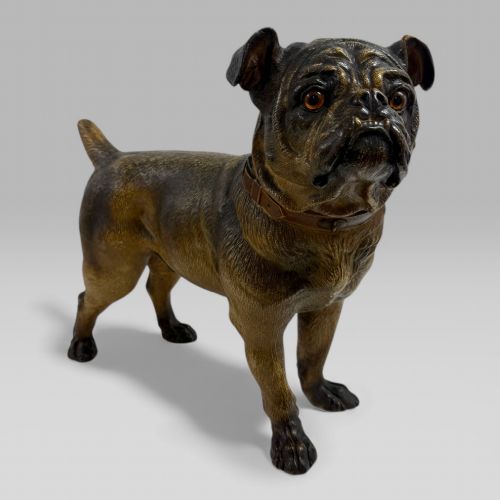
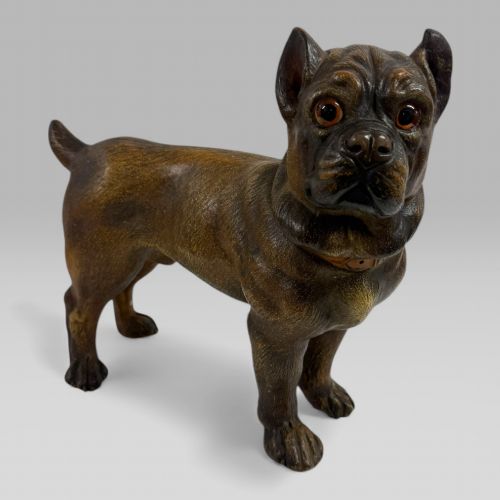
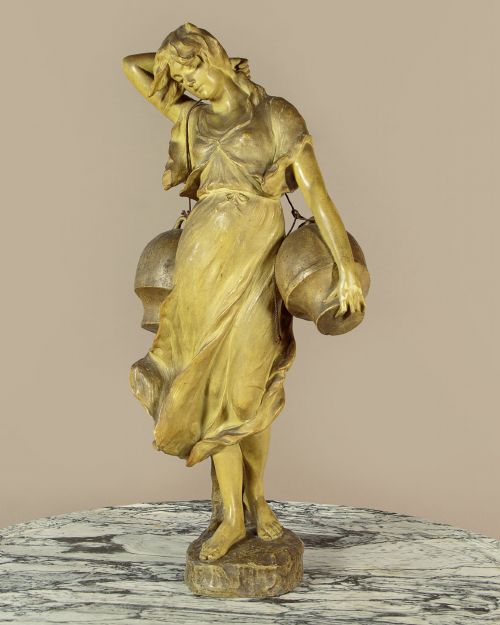
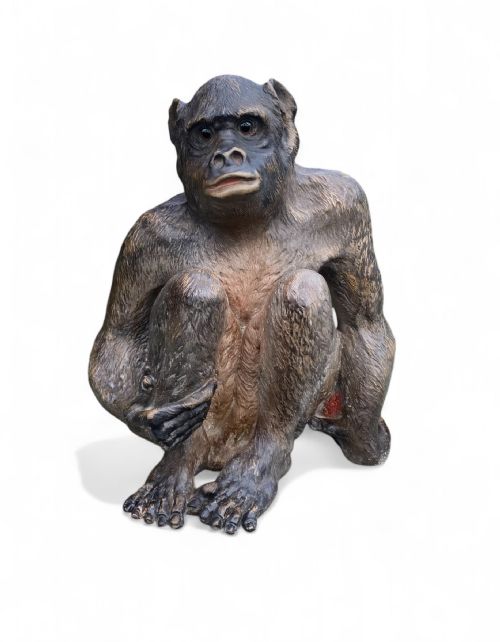
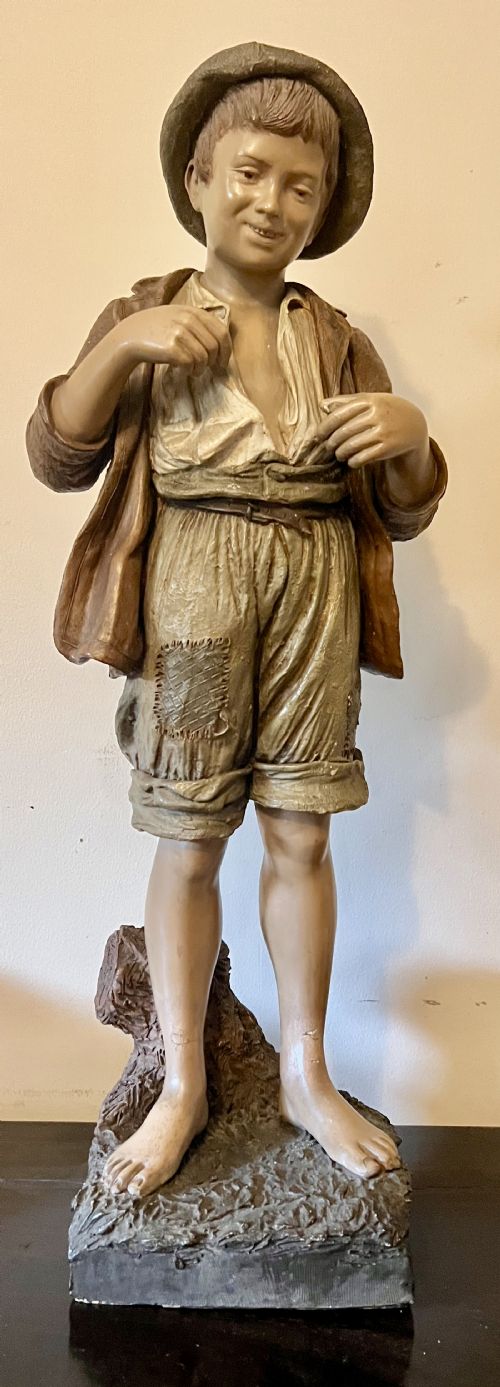
An antique goldscheider statue is a figural work originating from the renowned Austrian workshops, spanning the late nineteenth and early twentieth centuries. These sculptures encompass a diverse array of subjects, ranging from human figures in Classical Revival and Art Nouveau styles to animal studies.
How they were made
These figures rely primarily on terracotta and earthenware as their base medium, shaped to achieve detailed forms before firing. Makers utilised techniques such as slip casting to form precise contours in the clay.
Materials recorded across the inventory include terracotta, earthenware, glass, and polychrome pigments alongside bronzed finishes.
What varies in quality
The standard of a piece rests in the crispness of the modelling and the sensitivity of the hand-applied polychrome paint or bronzed finish. Stronger examples display deep definition in facial expressions and drapery folds.
Scale and ambition also differentiate the range, with life-size animal sculptures and large figurative groups demonstrating greater technical mastery during the moulding and firing process.
Friedrich Goldscheider·Frederic Goldscheider·Goldscheider
The Antique Goldscheider Statue Glossary
- Terracotta
- A porous fired clay body used widely for European figural sculpture. It provides a robust surface for subsequent painting and surface finishing.
- Slip cast
- A manufacturing method where liquid clay slip is poured into a plaster mould. This technique allows for the consistent production of intricate sculptural forms.
- Polychrome paint
- A multi-coloured decorative scheme applied to the fired ceramic surface. It brings realistic skin tones and clothing details to figurative works.
- Bronzed finish
- A metallic coating applied to the clay body to mimic the appearance of cast bronze. This treatment was popular for conferring a heavier, more monumental look.
- Art Nouveau
- A decorative style prevalent around nineteen hundred, characterised by organic motifs and flowing lines. It heavily influenced the posture and garments of these figures.
Antique Goldscheider Statue: Frequently Asked Questions
How do I identify an art nouveau piece?
Art nouveau works display characteristic flowing lines and organic motifs inspired by natural forms. The subjects often feature drapery and hair styled in sweeping, dynamic curves typical of nineteen hundred design.
These pieces contrast with the stricter symmetry found in earlier classical revival examples.
Where were these sculptures manufactured?
The pieces originate from Vienna, Austria, where the pottery and workshops operated. They emerged from a thriving central European tradition of decorative ceramics.
Production spans the late Victorian era through the early decades of the twentieth century.
How should I clean my terracotta figure?
Dust the surface gently with a soft, dry brush to prevent accumulation. Avoid using water or liquid cleaners, as the painted and pigmented finishes can be sensitive to moisture.
Keep the sculpture out of direct sunlight to protect the integrity of the polychrome colours.