




Cold Painted Terracotta Figure
These cold painted terracotta figure pieces bring sculptural colour and character to a room, ranging from life-size pugs to expressive human studies.

Cold Painted Terracotta Figure
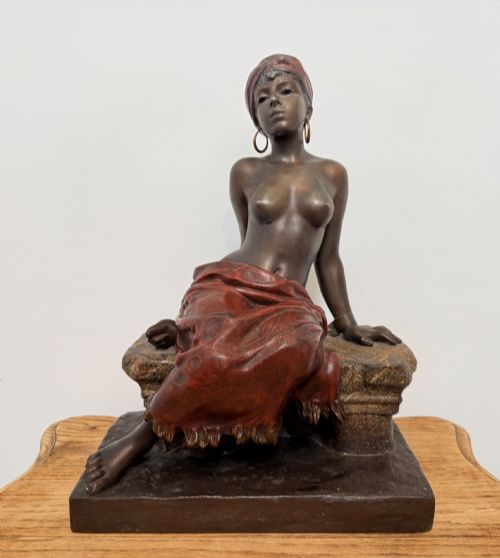
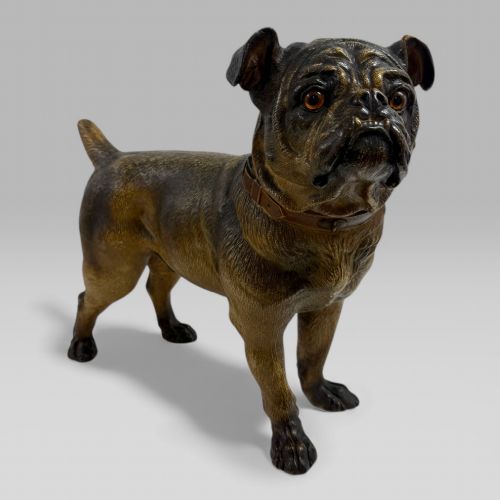
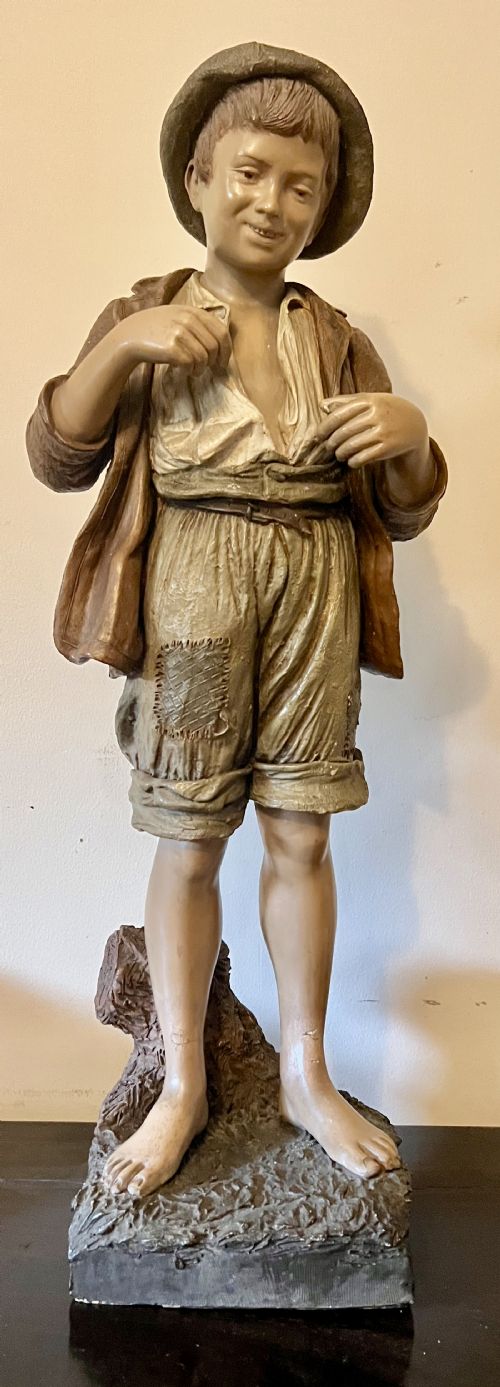
When you search for a cold painted terracotta figure, you encounter sculptural works created primarily during the nineteenth century and around nineteen hundred. The pieces on this page span the Victorian era, Art Nouveau, and Orientalist styles, taking the form of animalier subjects, human figures, and life-size models.
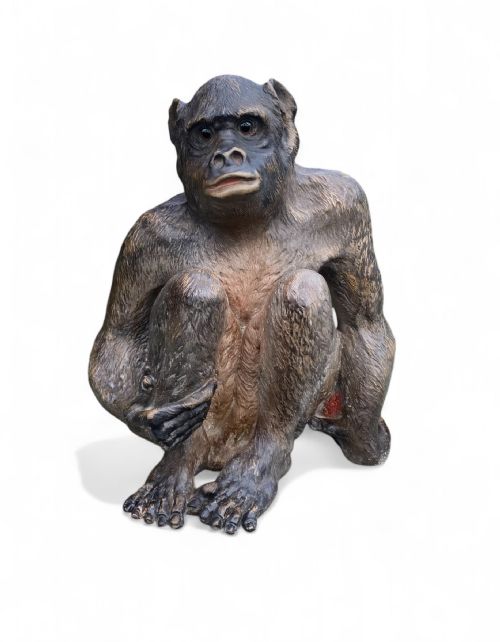
Human subjects on this page include fisher girls, young boys, female sculptures, and named works such as the sculpture entitled L Esclave. Animal subjects focus heavily on pug dogs and chimpanzees, demonstrating both domestic and exotic interests in European workshops.
The objects originate predominantly from Austrian makers working in terracotta, utilising techniques that combine fired earth with delicate surface pigmentation. These works served as interior ornaments for substantial homes, combining the warmth of ceramic with the visual weight of bronze.
How they were made
Some works incorporate mixed media elements, pairing the terracotta body with components of glass or patinated bronze to accent the composition. This cold-painting technique preserved subtle tonal gradations and flesh tones that high-temperature glazes could not achieve.
Among the nineteenth-century dogs and fisher girls, a life-size ceramic chimpanzee stands ready to supervise the room.
What varies in quality
Quality rests principally in the crispness of the original moulding and the naturalism of the surface pigment. Finer pieces retain their layered cold-painted colours with minimal flaking, showing deliberate brushwork that defines fabric folds, facial expressions, and animal fur.
Scale and ambition separate standard decorative works from major studio pieces, particularly life-size animal models and signed sculptural figures. The reputation of the manufacturing firm and the skill of the individual modeller dictate the artistic standing of each piece.
E Villanis·Bernard Bloch·Goldscheider
The Cold Painted Terracotta Figure Glossary
- Terracotta
- A hard, fired red-brown clay used as the structural body for these sculptures. It provides a stable base that accepts surface paint without requiring a vitreous glaze.
- Cold-painted
- A method where pigment is applied to a cured or fired surface without subsequent kiln firing. This technique produces matte, delicate coloration that remains vulnerable to moisture.
- Polychrome paint
- Multicoloured decoration applied to the exterior of the sculpture to render lifelike skin tones, clothing, and natural markings. It defines the visual depth of nineteenth-century decorative figures.
- Animalier
- A nineteenth-century artistic genre dedicated to the realistic portrayal of animals. Figures in this style capture creatures in natural postures, from domestic dogs to exotic apes.
- Orientalist
- An artistic style influenced by Middle Eastern and North African subjects. It appears in figures dressed in regional costume or depicting non-European themes popular in European Salons.
Cold Painted Terracotta Figure: Frequently Asked Questions
What is a cold painted terracotta figure?
It is a moulded clay sculpture decorated with pigments applied after firing, popular during the nineteenth century and the Art Nouveau period.
These pieces depict human characters, genre scenes, and animals such as pug dogs and chimpanzees, primarily produced in Austrian studios.
Where were these figures made?
The pieces recorded here originate largely from Austrian workshops and major continental ceramic factories active in the late nineteenth century.
Notable firms and sculptors worked within distinct regional traditions that emphasised decorative realism and polychrome surface effects.
Are these figures solid clay?
Most large figures are cast hollow to ensure even drying and firing in the kiln, which also reduces the overall weight of life-size pieces.
Smaller figurines may be heavier in proportion, but hollow construction remains standard practice for larger animal and human sculptures.
How do I identify the period?
Dating relies on stylistic markers such as Victorian realism, Art Nouveau curves, and Orientalist themes, alongside factory stamps and artist signatures.
Nineteenth-century examples often carry impressed registry numbers or studio marks specific to Austrian makers from that era.