

Antique Gold Wall Brackets
Antique gold wall brackets bring gilded elegance and structural display to interiors, spanning French Rococo, Victorian, and Neoclassical styles.
Antique Gold Wall Brackets
When you search for antique gold wall brackets, you encounter items designed to support objects or provide illumination against a vertical surface. These fixtures emerge from periods spanning the eighteenth century through the early twentieth century, incorporating diverse regional aesthetics from French chateaux to Italian workshops.
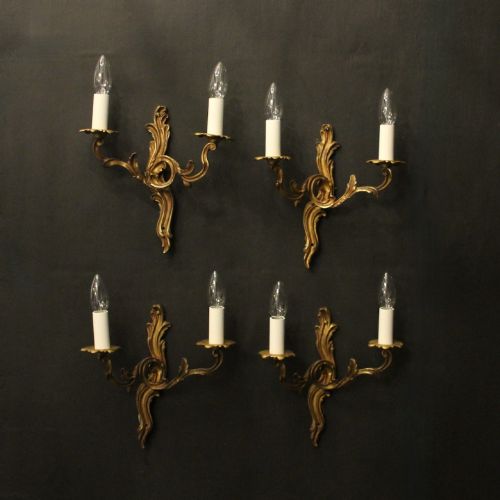
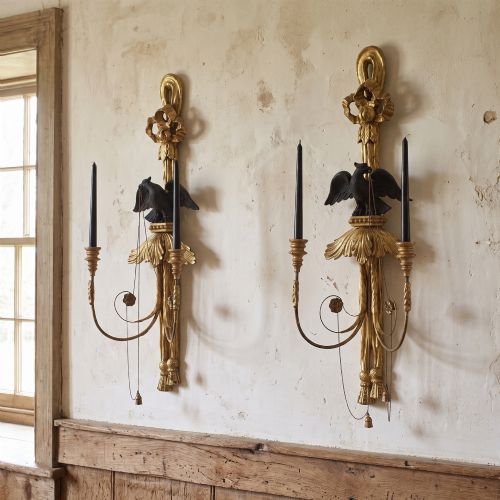
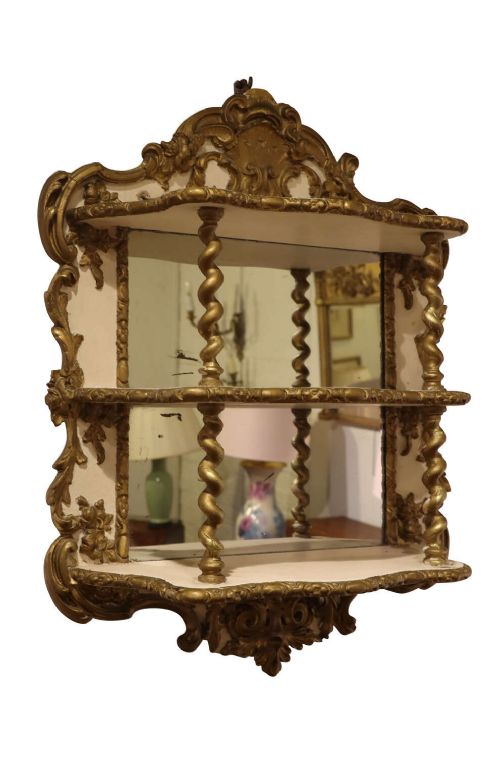
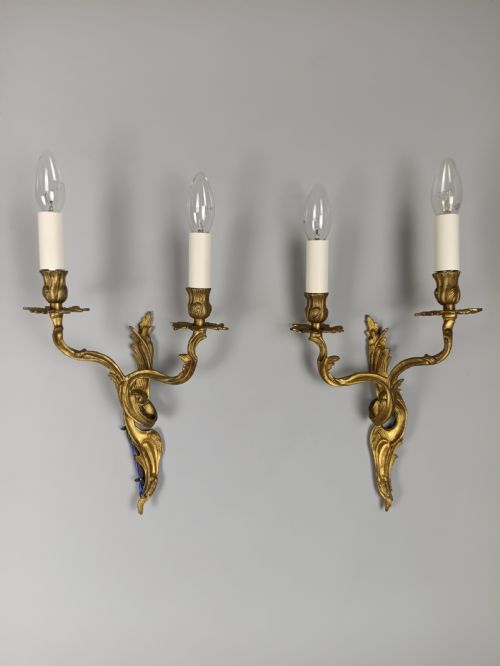
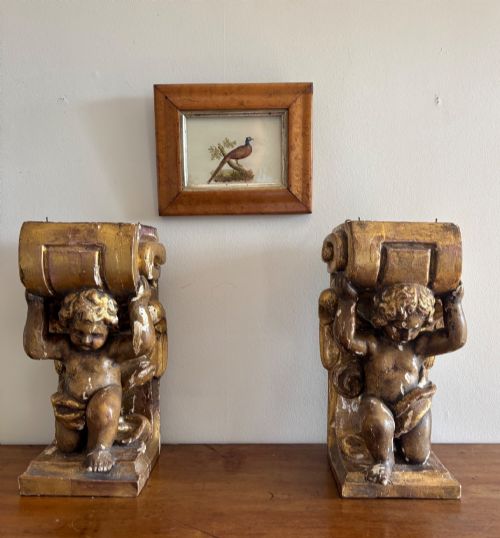
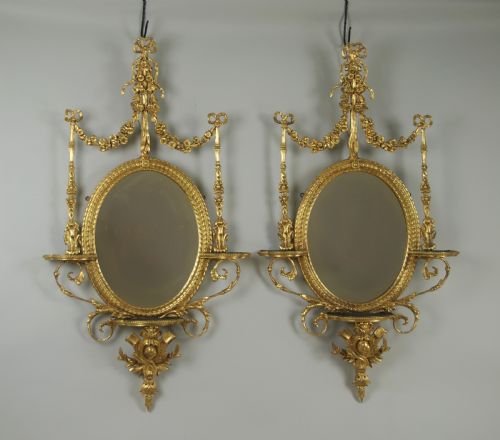
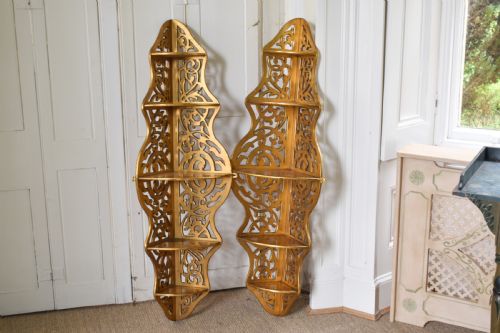
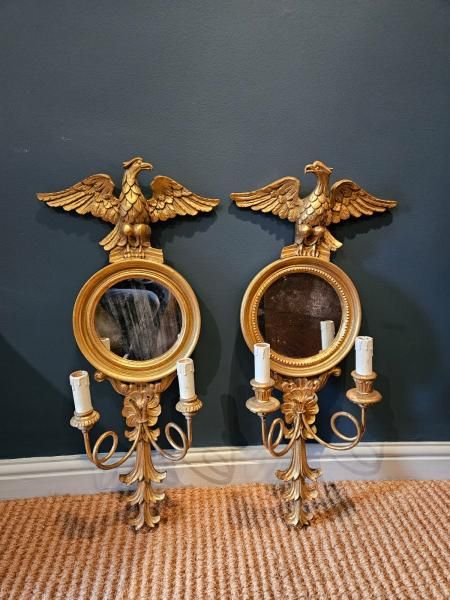
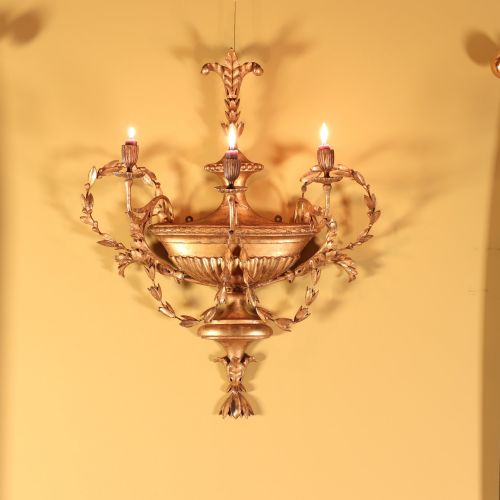
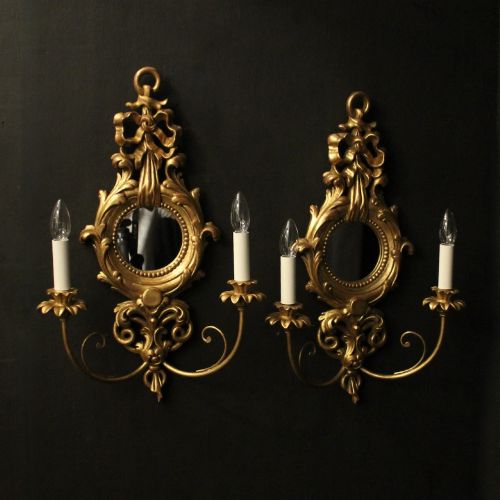
The selections on this page predominantly present French Rococo, Louis XVI, and Victorian stylistic influences executed in gilded finishes. Forms range from dedicated wooden display ledges and corner shelves to multi-armed wall lights and girandoles with integral candle branches.
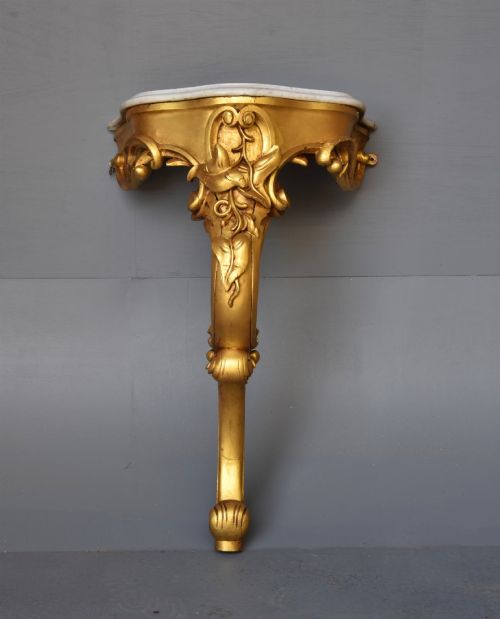
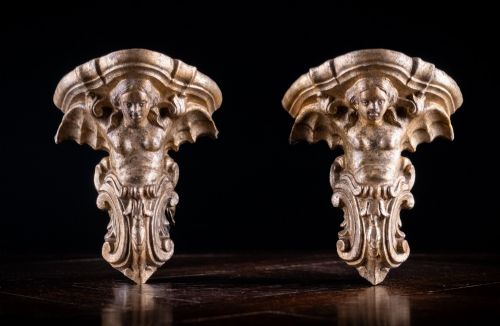
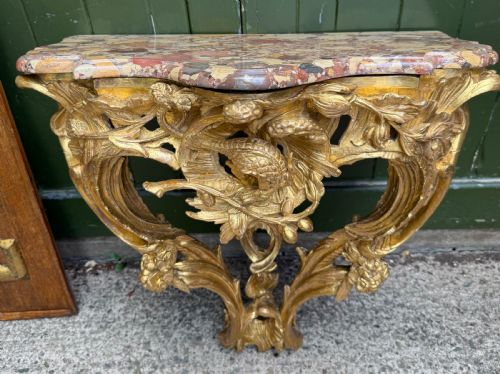
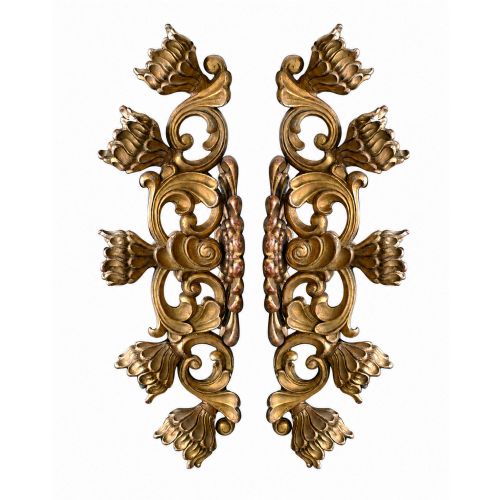
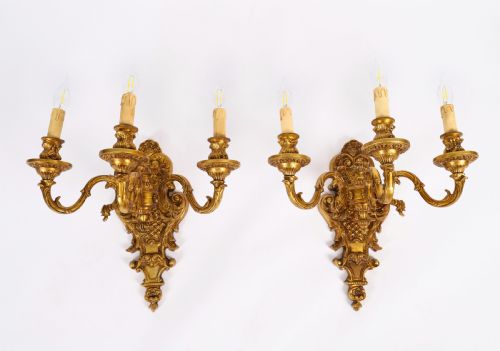
Makers and artisans utilised varied structural configurations, including console tables, oval mirrors with display brackets, and winged siren figures. Buyers frequently encounter matched pairs designed for symmetrical placement flanking architectural focal points.
Materials and Construction Techniques
Carved wood provides the structural core for many examples, employing gesso applications to build up intricate relief ornaments before the final application of gold leaf. Artisans also utilised cast metals, specifically brass and gilt bronze ormolu, to achieve complex scrolling arms and figural details.
Surface ornamentation relies on traditional gilding techniques where thin sheets of gold or metal leaf adhere to prepared wooden or terracotta surfaces. Metal components often display chased or cast textures, while mirrored variants incorporate bevel cut glass panes set into decorative frames.
Current listings feature items from the eighteenth, nineteenth, and early twentieth centuries, constructed in giltwood, brass, terracotta, and gilt bronze.
Distinctions in Execution and Depth
The fidelity of the carved detail or cast chasing separates standard production from superior examples. Master carvers and metalworkers achieved crisp undercut foliage, expressive figural elements, and balanced proportions that maintain visual harmony from every angle.
The integrity of the gilded surface and the preservation of the underlying gesso or bronze dictate the visual impact of the piece. Fine objects retain their original layered metallic finishes and structural joinery without heavy remediation.
The Antique Gold Wall Brackets Glossary
- Giltwood
- Wood that has been coated with gold leaf or gold dust. This finish gives carved wooden brackets their luminous metallic appearance.
- Gesso
- A plaster mix applied to wood as a base for gilding. It allows artisans to carve fine details before applying the gold leaf.
- Ormolu
- Finely chased and gilt bronze. This French technique produces decorative mounts and wall light fittings with crisp metallic definition.
- Girandole
- A branched wall light incorporating a mirror. The reflective glass multiplies the illumination from the attached candle arms.
- Rococo
- An ornate design style characterised by asymmetrical scrolls and shell motifs. It heavily influences many eighteenth-century and revival wall brackets.
Antique Gold Wall Brackets: Frequently Asked Questions
How do I mount antique wall brackets securely?
Antique wall brackets require solid anchoring into wall studs or appropriate masonry fixings due to the substantial weight of carved wood, bronze, and marble components.
Professional installation ensures that the structural load distributes evenly without compromising the integrity of the original hanging hardware or the wall surface.
Were these brackets used for lighting or display?
These pieces served multiple domestic purposes, functioning simultaneously as decorative ledges for small sculptures and as functional armatures for candles or early electric bulbs.
Many surviving examples incorporate dual functions, featuring display shelves positioned beneath mirrors or fitted with twin and triple brass lighting arms.
How do I distinguish French Rococo from Louis XVI style?
French Rococo pieces feature fluid, asymmetrical scrollwork, C-scrolls, and organic plant motifs that emphasise movement and theatrical display.
Louis XVI style adopts a more restrained, symmetrical vocabulary influenced by neoclassical geometry, incorporating straight lines, urns, and classical architectural detailing.
Can antique wall lights be rewired for modern electrical standards?
Many brass and gilt bronze wall lights are adapted to accommodate modern wiring while retaining their historic sockets and structural components.
Working with a qualified electrician ensures that internal wiring meets current safety regulations without altering the external antique appearance.