

Brass Wall Light Fixtures
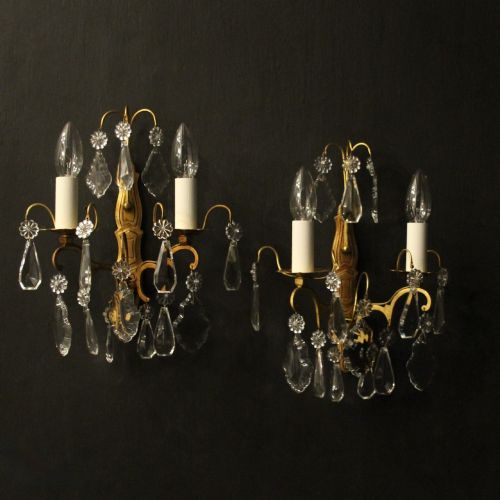
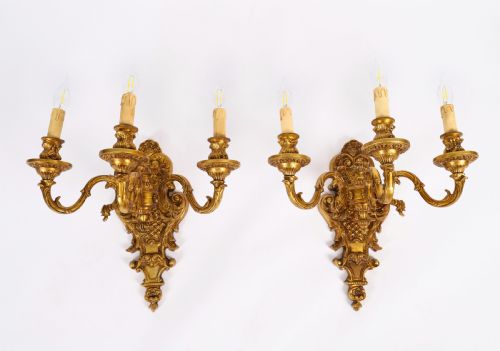
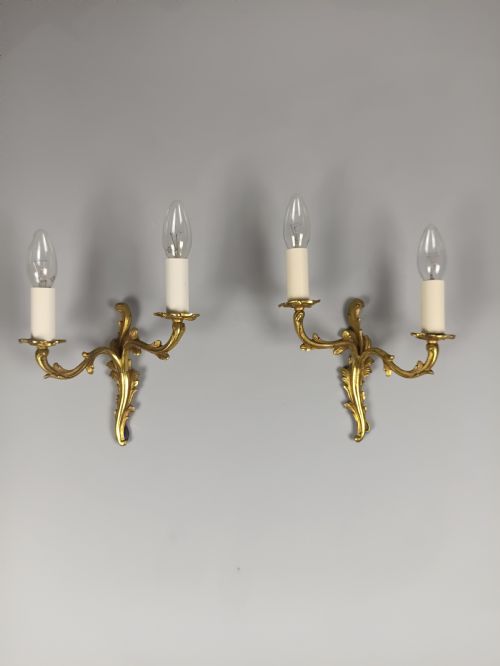
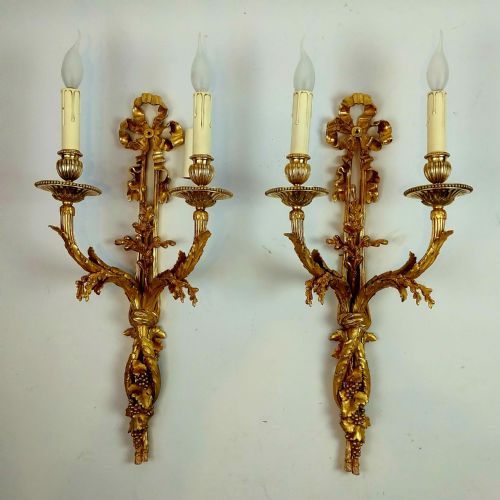
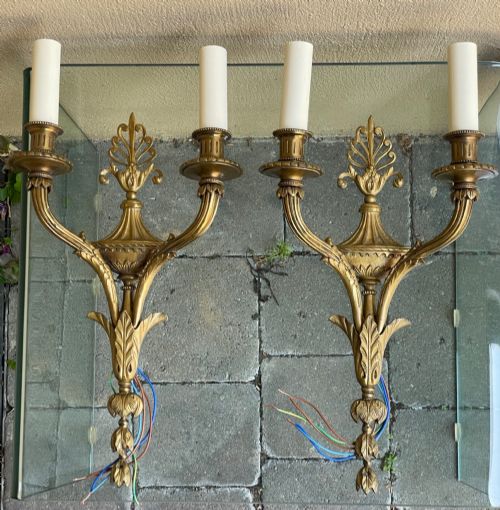
These brass wall light fixtures bring warm metal and period form to a room, cast in bronze, gilt brass, and crystal.
Brass Wall Light Fixtures
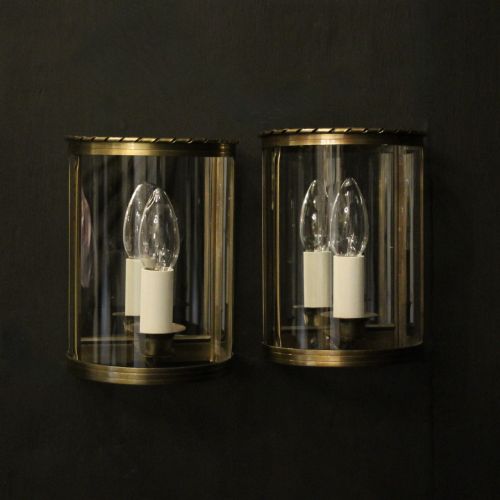
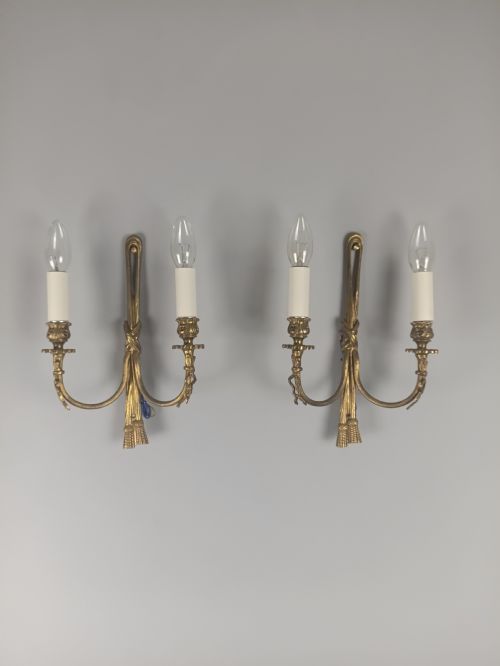
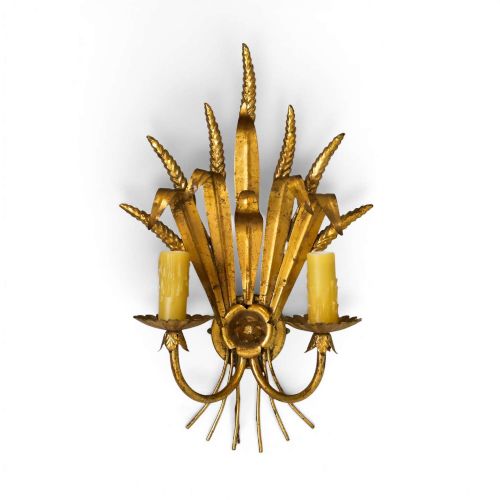
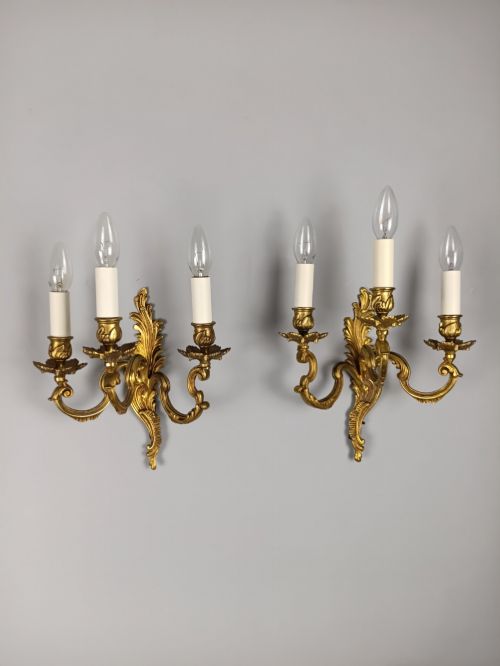
Brass wall light fixtures span twin-arm sconces, triple-arm fittings, and single wall lamps originating from the nineteenth century through the early twentieth century. When you search for brass wall light fixtures, you encounter French gilt bronze and brass designs alongside English and Italian examples.
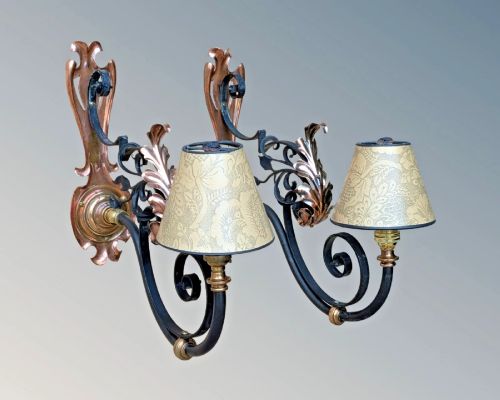
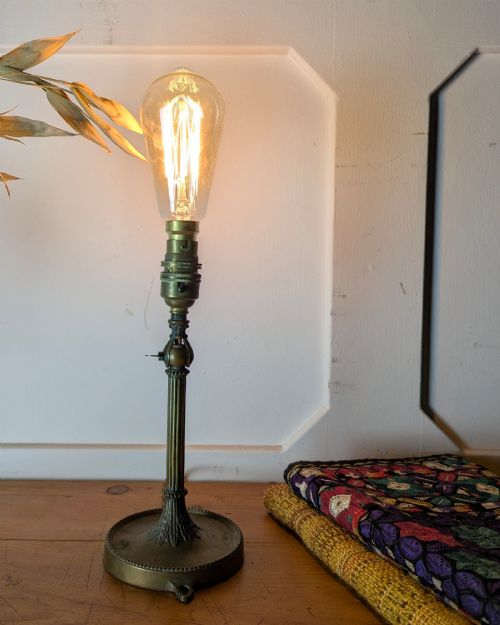
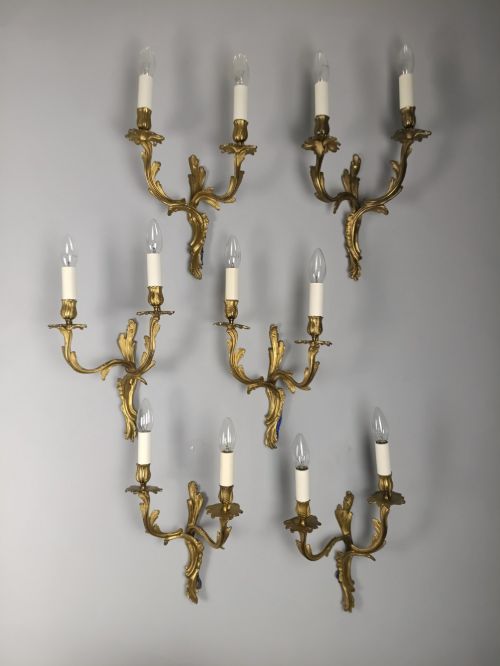
The selection leans heavily toward French models, particularly pairs featuring Rococo and Louis XV revival details such as scrolling arms and ribbon motifs. Alongside these elaborate castings, you find simpler Arts and Crafts copper and iron pieces, as well as practical Pullman table and wall lamps.
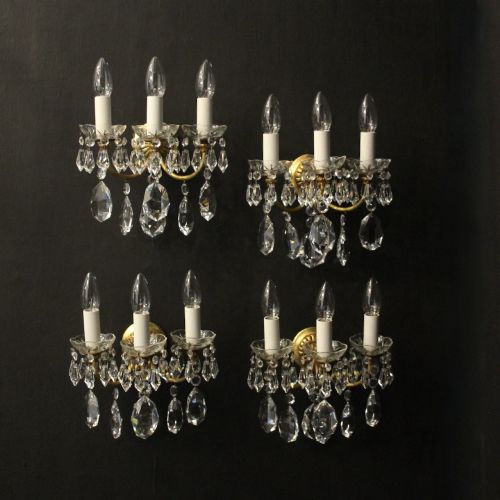
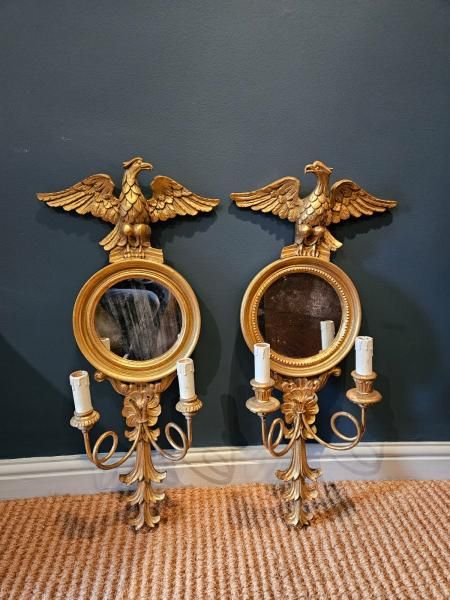
Many of these fixtures arrive configured as pairs or larger sets, suited for flanking a mirror or framing a fireplace. The forms include crystal-adorned fixtures, toleware combinations, and classical mirror-back sconces.
Materials and Construction
The primary metals deployed in these fixtures are cast brass, gilt bronze, and ormolu, often paired with hand-cut crystal drops or mirrored glass backplates. Founders utilised traditional sand-casting methods to shape the heavy bronze and brass arms before applying gilding or patination.
Secondary materials such as toleware, copper, and wrought iron appear in specific Arts and Crafts and continental pieces, introducing painted finishes and forged textures. Crystal pendants and bobeches are frequently wired or pinned directly to the main bronze frame.
Electrical conversion is common among surviving examples, adapting original candle sockets and oil fittings for modern domestic use while retaining the antique metalwork.
French Rococo and Neoclassical styles dominate the continental wall lights recorded here.
Distinctions in Execution
The standard of a casting dictates much of its distinction, separating crisp, hand-chased ormolu mounts from softer, repetitive industrial production. Finer pieces exhibit deep relief in motifs like ram's head masks and acanthus leaves, whereas lesser examples show blurred edges in the brass.
The integrity of the original gilding or patination plays a central role, with durable fire-gilt surfaces retaining a warmer lustre than later chemical treatments. Heavier gauge brass and bronze provide structural rigidity to multi-branched arms, preventing the drooping often seen in lighter metalwork.
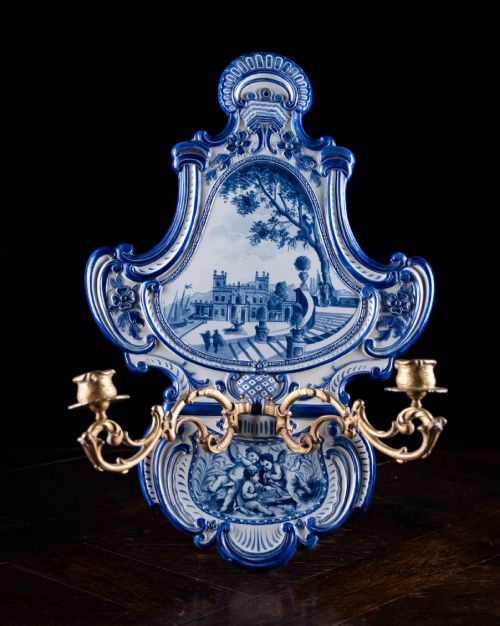
Villeroy and Boch·Liberty
The Brass Wall Light Fixtures Glossary
- Ormolu
- Gilded bronze produced by applying a mercury-gold amalgam to a bronze base, resulting in a durable metallic lustre. This technique was widely practiced by French metalworkers in the eighteenth and nineteenth centuries.
- Sconce
- A wall-mounted light fixture designed to hold candles or electric lamps. These pieces often feature backplates that reflect the light into the room.
- Bobeche
- A small collar or drip pan positioned beneath the candle nozzle to catch melting wax. They are frequently made of glass, crystal, or matching cast brass.
- Toleware
- Painted or lacquered sheet metal items popular in domestic lighting and decorative wares. The green and dark finishes provide a matte contrast to polished brass arms.
- Rococo Revival
- A decorative style characterised by asymmetrical scrolls, C-curves, and naturalistic plant motifs. It appears frequently on nineteenth-century French bronze and brass wall lights.
Brass Wall Light Fixtures: Frequently Asked Questions
How do I wire antique wall lights?
Most antique fixtures accommodate modern internal wiring by threading thin cables through the hollow cast arms and backplates. Professional electricians typically update the internal lampholders while preserving the external brass or bronze components.
Rewired pieces allow safe installation against standard domestic wall circuits without altering the historic appearance of the metalwork.
Were these lights originally for candles?
A large proportion of nineteenth and early twentieth-century wall sconces began life holding wax candles before later conversion to electricity. The presence of drip pans and faux candle tubes usually indicates this earlier functional origin.
Converted fixtures retain their original bobeches and bobèche plates, which now house modern electrical candle tubes.
How do I distinguish French from English pieces?
French wall lights from this era frequently employ gilt bronze or ormolu with elaborate Rococo or Louis XVI revival casting. English examples from the same periods often favour simpler brass profiles or Arts and Crafts ironwork.
Stylistic cues like ram's head mounts and ribbon crests point directly to continental workshops.
What is a mirror-back sconce?
A mirror-back sconce incorporates a reflective glass panel behind the candle arms to amplify the illumination in a room. These pieces were hung between windows or above mantelpieces to bounce natural and artificial light.
The glass is usually bevelled and set directly into a brass or gilt metal frame.